

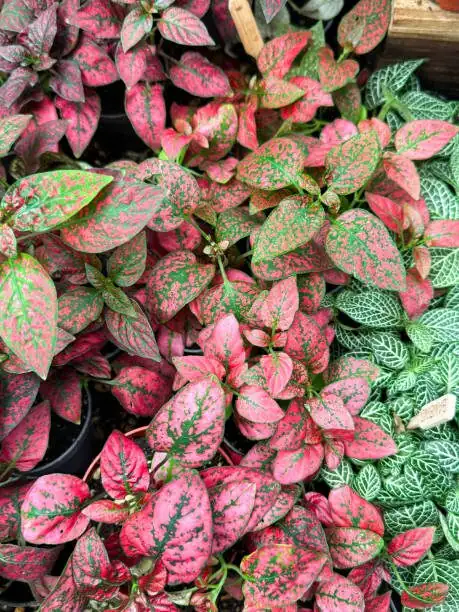
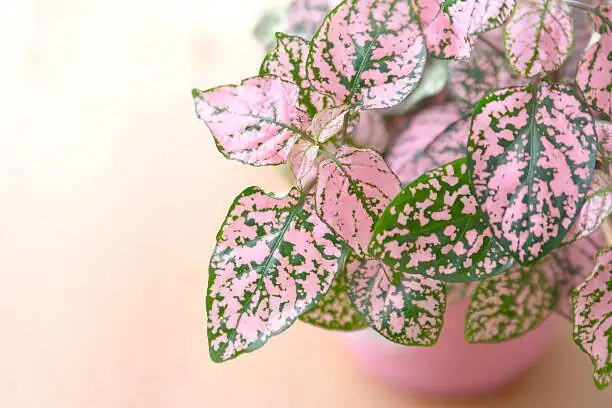
Polka dot plant wears its heart on its sleeves—literally. Those heart- to oval-shaped leaves splashed with pink, red, or creamy white are the whole point of growing Hypoestes phyllostachya. Then summer arrives, and up pop small magenta-to-purple flowers. Cute? Absolutely. But this is also the moment many growers reach for their snips. Here’s the when, why, and how of removing flower spikes, what blooming does to foliage fullness, and the simple summer tweaks that keep your plant looking lush and speckled.
Meet Hypoestes phyllostachya, the foliage headliner
- Origin: Madagascar; now a beloved, compact houseplant worldwide
- Habit: Bushy and mounding when pinched, typically around 25 × 25 cm (10 × 10 in) in a pot
- Best look: Bright, filtered light for strong color; too little light makes leaves greener and stems stretch
- Flowers: Small, magenta to purplish blooms in summer—charming, but secondary to the foliage
Bloom season basics: what to expect
In warm, bright conditions, your plant may send up short spikes dotted with tiny tubular blossoms—more “whispers” than “trumpets.” Flowers often appear at stem tips or in leaf axils during summer. While pretty, they mark a shift in the plant’s priorities that can change how the leaves perform.
Should you remove flower spikes?
Short answer: Usually, yes—if your goal is maximum foliage color and density.
Why many growers pinch off blooms
- Keep the color show: Flowering diverts energy away from leaf production and patterning. Removing spikes helps the plant focus on the feature you actually grow it for—the leaves.
- Maintain fullness: Left to bloom and set seed, stems can elongate and look leggier. Pinching blooms nudges the plant back into branching mode.
- Better scale indoors and in terrariums: Flowers can break the tidy, mounded look that makes Hypoestes so good in small pots and glass enclosures.
When to remove them
- Best timing: As soon as you see a flower spike forming or when the first bloom opens. The earlier you pinch, the quicker your plant returns to leaf-making.
- Keep it consistent: Check weekly during summer and pinch new spikes before they mature.
How to do it (quick and clean)
- Sterilize snips (or use pinchable fingers for soft tips).
- Follow the flower stalk down to its base and remove it just above the nearest leaf pair.
- For extra bushiness, take the tip of that stem down by 1 node to encourage side shoots.
Tip: Want to enjoy a few flowers? Let one or two spikes open, then deadhead promptly and follow up with a light tip pinch to keep the silhouette compact.
How blooming affects foliage fullness
- Energy trade-off: During bloom, resources pivot toward flowers and potential seed, not leaf expansion. Leaves can get a bit smaller and the plant may pause on dense new growth.
- Legginess risk: Stems often elongate around bloom time. Without regular pinching, your neat mound can loosen into a taller, sparser plant.
- Color intensity: Variegation is richest in bright, filtered light. In low light, the plant stretches and the leaves turn greener—an effect that’s more obvious if it’s also trying to flower.
The fix is simple: steady light, steady moisture, and steady pinching. Each pinch breaks apical dominance and cues the plant to branch, thickening the canopy.
Summer care tweaks during the flowering season
Lean into summer’s growth spurt with small adjustments that pay big dividends in foliage:
Light
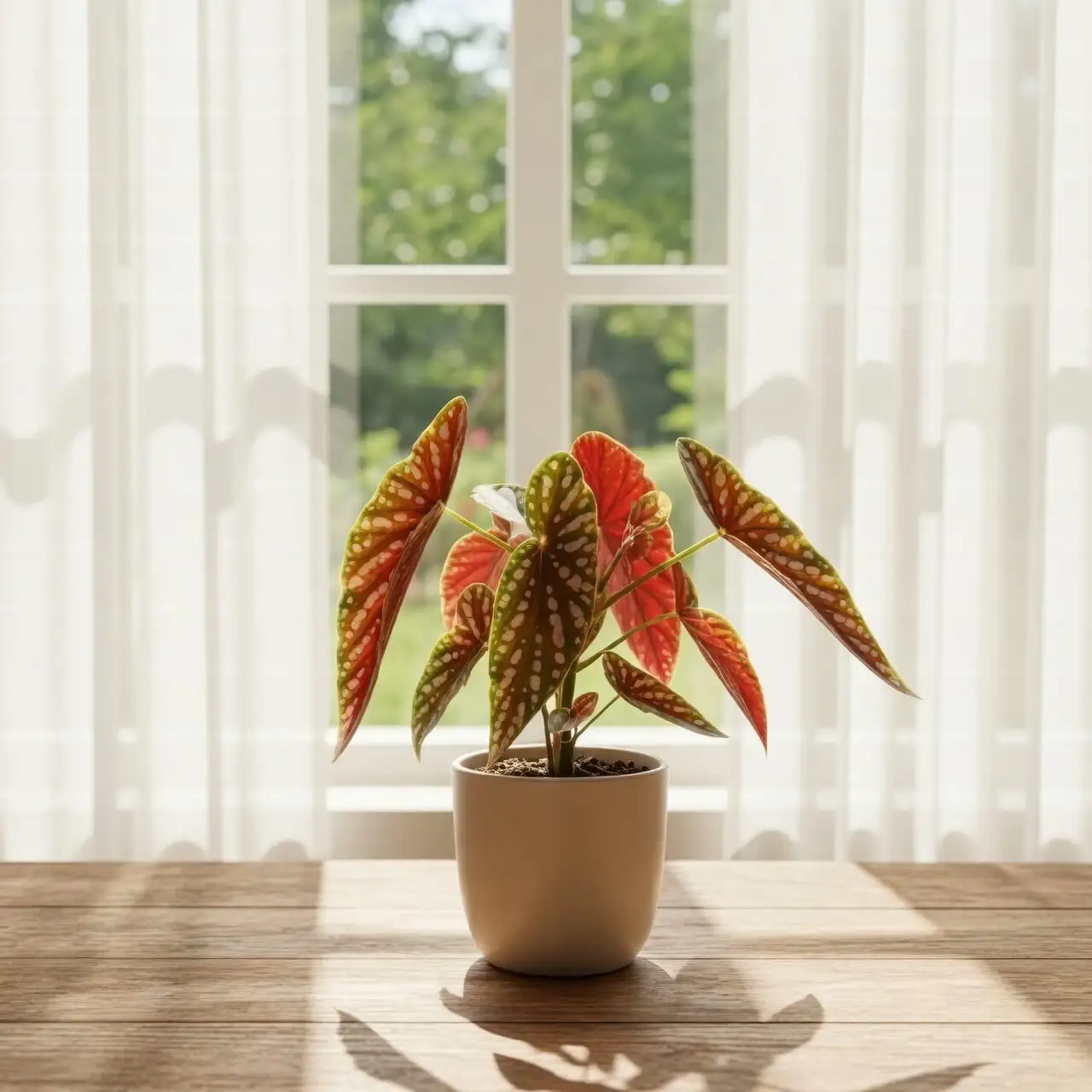
- Aim for bright, filtered light or partial sun. Indoors, an east window, bright north window, or a few feet back from a sunny one is ideal.
- Shield from harsh midday sun, which can scorch and fade leaves. Color is best under gentle, strong light.
Water
- Frequency often increases in summer: water when the top 1–2 cm (0.4–0.8 in) of mix feels dry.
- Water thoroughly, then let excess drain. Never leave the pot standing in water.
- Watch for thirst signals like slight flop—then water promptly and adjust your routine.
Feeding
- Spring through autumn: feed every 2 weeks at half strength with a balanced liquid fertilizer.
- If you’re pinching regularly to favor foliage, this cadence supports steady, leafy growth without pushing mushy, oversized leaves.
Humidity and airflow
- Aim for 50%+ humidity (pebble tray with the pot above the waterline, a naturally humid kitchen or bathroom, or a small humidifier).
- Gentle airflow discourages pests, especially during warm, still weather.
Pruning rhythm
- Tip-pinch every 2–3 weeks in summer, even if you’re not seeing flowers.
- Remove flower spikes early. After a flush of blooms, do a shaping pinch back by 1 node along lanky stems to restore a tight mound.
Pests to watch now
- Spider mites, aphids, mealybugs, and whiteflies target tender growth in dry air.
- Check leaf undersides weekly. Treat early with insecticidal soap or horticultural oil and boost humidity to make life harder for mites.
Quick rescue for a leggy, post-bloom plant
- Step 1: Remove all flower spikes.
- Step 2: Reduce height by pinching or cutting stems back by 1–2 nodes above a leaf pair across the plant for even shape.
- Step 3: Improve light (bright, indirect) and maintain consistent moisture.
- Step 4: Resume your half-strength, every-2-weeks feeding schedule.
Within a few weeks, fresh, colorful side shoots should fill in.
Propagate your pinches (free plants!)
- Take 5–10 cm (2–4 in) tip cuttings.
- Strip the lower leaves and root in water or moist potting mix amended with perlite.
- Warmth and higher humidity speed rooting. Pot up when roots are a few centimeters long and resume normal care.
Mini care profile at a glance
- Light: Bright, filtered light; avoid harsh midday sun
- Temperature: 18–27°C (64–81°F); protect from chills below ~13°C (55°F)
- Humidity: Moderate to high (50%+ ideal)
- Soil: Loose, well-draining houseplant mix with added perlite
- Watering: Keep evenly moist spring–autumn; never waterlogged
- Size: Typically about 25 × 25 cm (10 × 10 in) when kept pinched
- Safety: Generally non-toxic to cats and dogs (nibbling may still upset tummies)
FAQs
Should I let my polka dot plant bloom?
You can, but if you grow it for the leaf show, remove flower spikes as they appear. Deadheading keeps color vivid and the plant compact.
Will flowering make my plant die?
No. Flowering can make it look sparse or tired, but regular pinching and good care will keep it going and bushy. In frost-free climates it’s perennial outdoors; elsewhere it’s a long-lived houseplant with the right routine.
My leaves look greener and less speckled in summer. What gives?
Usually it’s a light issue, not the flowers themselves. Move to brighter, filtered light (not harsh sun), and pinch to encourage fresh, vividly patterned growth.
Can it bloom in a terrarium?
Yes, but blooms quickly crowd small setups. Most terrarium growers pinch off spikes early to maintain scale and density.
In short: if Polka Dot Plant’s confetti leaves are your priority, treat flower spikes like tiny energy thieves. Pinch early and often, keep summer care steady, and your Hypoestes will reward you with a dense, dazzling pile of speckles all season long.