

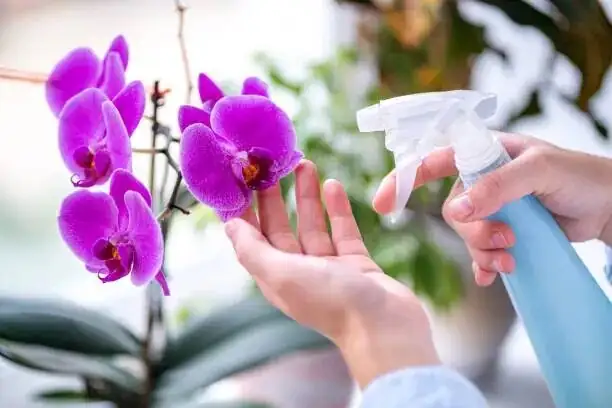
Think of a troupe of tiny ballerinas, each with a ruffled skirt, twirling in a sunbeam—that’s the magic of the Dancing Lady Orchid. Oncidium species and their many horticultural hybrids create airy, branching sprays so full of blossoms they seem to move as one. Some are lightly fragrant. Many are surprisingly easy to keep happy at home. And yes, a single well-grown plant can carry dozens—sometimes even hundreds—of flowers. Ready to meet the cast?
Meet the Dancing Lady Orchid (Oncidium spp. and hybrids)
- Family: Orchidaceae; Genus: Oncidium (plus many Oncidium-type hybrids in the trade)
- Native roots: Tropical to subtropical Americas—especially Mexico, Central America, and northern to central South America (commonly noted from Mexico to Peru)
- Habit: Mostly epiphytic, clump-forming orchids with water-storing pseudobulbs and strap-like, evergreen leaves
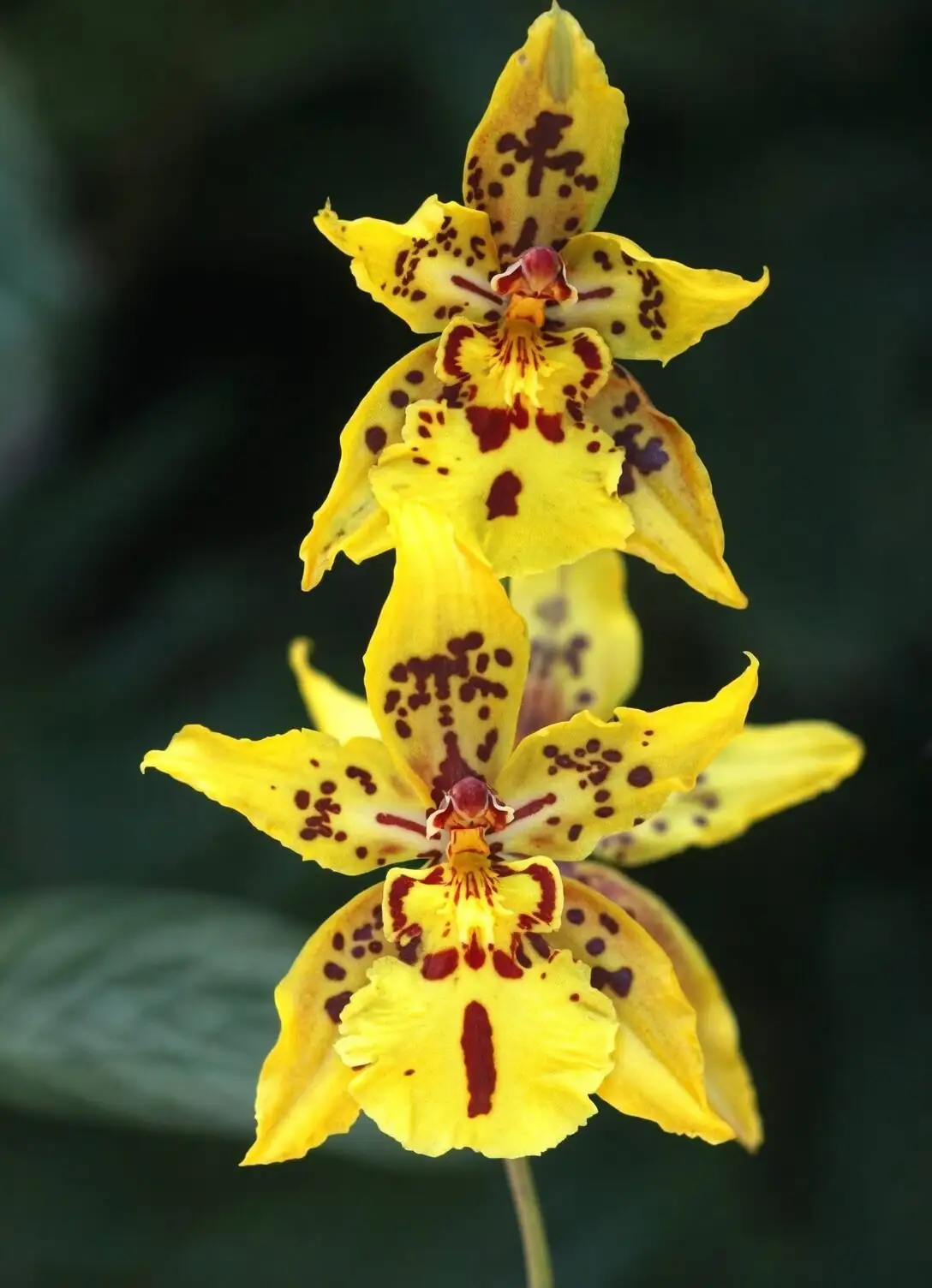
- The look: Tall, often branching flower spikes topped with fluttery, skirted blooms—classic yellows with brown markings, plus modern white, pink, red, bronze, and mixed tones
- At home: A “bright window” orchid—give strong filtered light, a bit of humidity, and an airy orchid mix
Tiny dancers, big stage: delightful Oncidium oddities
Why the “skirt” steals the show
That frilly “skirt” is the lip (labellum)—a specialized petal that acts like a landing platform for pollinators. In many Oncidiums it’s broad, ruffled, and vividly marked, so each blossom reads like a tiny dancer mid-spin. The effect is even more theatrical when the whole spray catches a breeze.
How one plant carries a chorus line of blooms
- Branching spikes: Flower stems often fork and re-fork, creating many flowering sites.
- Energy banks: Those plump pseudobulbs store water and nutrients, helping power big displays.
- Mature clumps: As the clump grows, multiple new growths can spike at once—hence those dazzling “dozens to hundreds” moments on established plants.
Typical home-grown plants produce foliage about 20–60 cm (8–24 in) tall, with flower spikes around 30–90 cm (12–35 in)—plenty of room for a showy spray.
Fragrance—soft, sweet, and sometimes surprising
Not all Oncidium-types are scented, but those that are tend to be gently fragrant. Depending on the hybrid or species, you might catch hints of vanilla, citrus-lemon, or even a chocolatey sweetness—often most noticeable in warm, bright midday light.
Built-in water canteens (but don’t push your luck)
Pseudobulbs are marvelous reservoirs, helping the plant bounce back from short dry spells. Yet many Oncidium-types are sensitive to drought when budding and blooming. If you let them dry too hard at that stage, they often respond with yellowing buds and bud drop—the botanical version of canceling the performance.
A rainbow of “Oncidium”—and a secret behind the label
Many store-bought “Oncidium” are actually complex hybrids from closely related American species (often grouped as the Oncidium Group). The upside? They’re bred for branching sprays, long bloom life, and home-friendliness. Care is similar across the group: bright filtered light, a steady wet–dry rhythm, and an airy mix.
The dancer’s routine: bite-sized care that works
Light: bright and filtered (think: spotlight, not scorch)
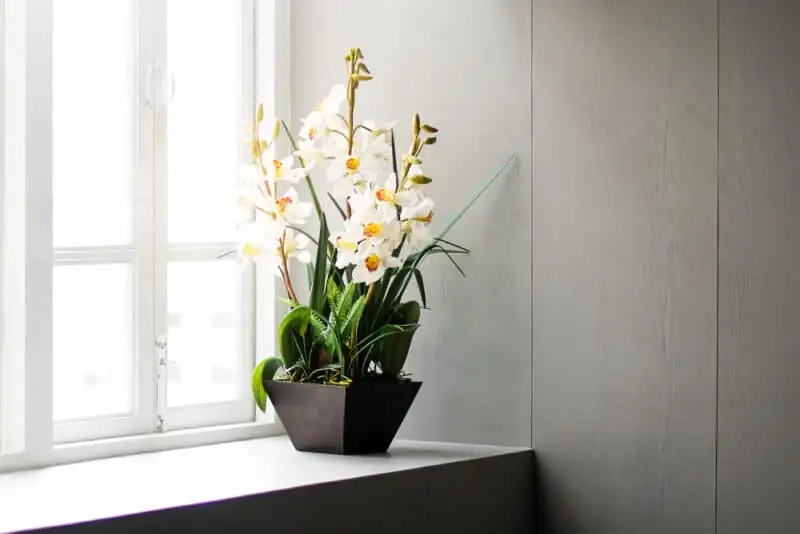
- Best indoors: East window; or a lightly shaded south/west window
- Outdoors (warm months): Provide seasonal shade—about 30% in late spring/early summer, ~50% in midsummer, 20–30% in autumn
- Leaf color cue: Medium-bright green is the sweet spot; very dark = too little light; scorched/reddish = too intense
Temperature
- Happy range: about 12–25°C (54–77°F) with cooler nights and warmer days
- Winter minimum: keep above ~8–10°C (46–50°F). If temps dip near 10°C (50°F), keep the plant much drier to avoid rot
- For winter display: many growers aim around 13–15°C (55–59°F)
Humidity and airflow
- Target: roughly 40–60% humidity
- How: pebble tray (pot above the waterline), small humidifier, or light morning misting—always with gentle airflow so foliage dries within a few hours
Watering rhythm
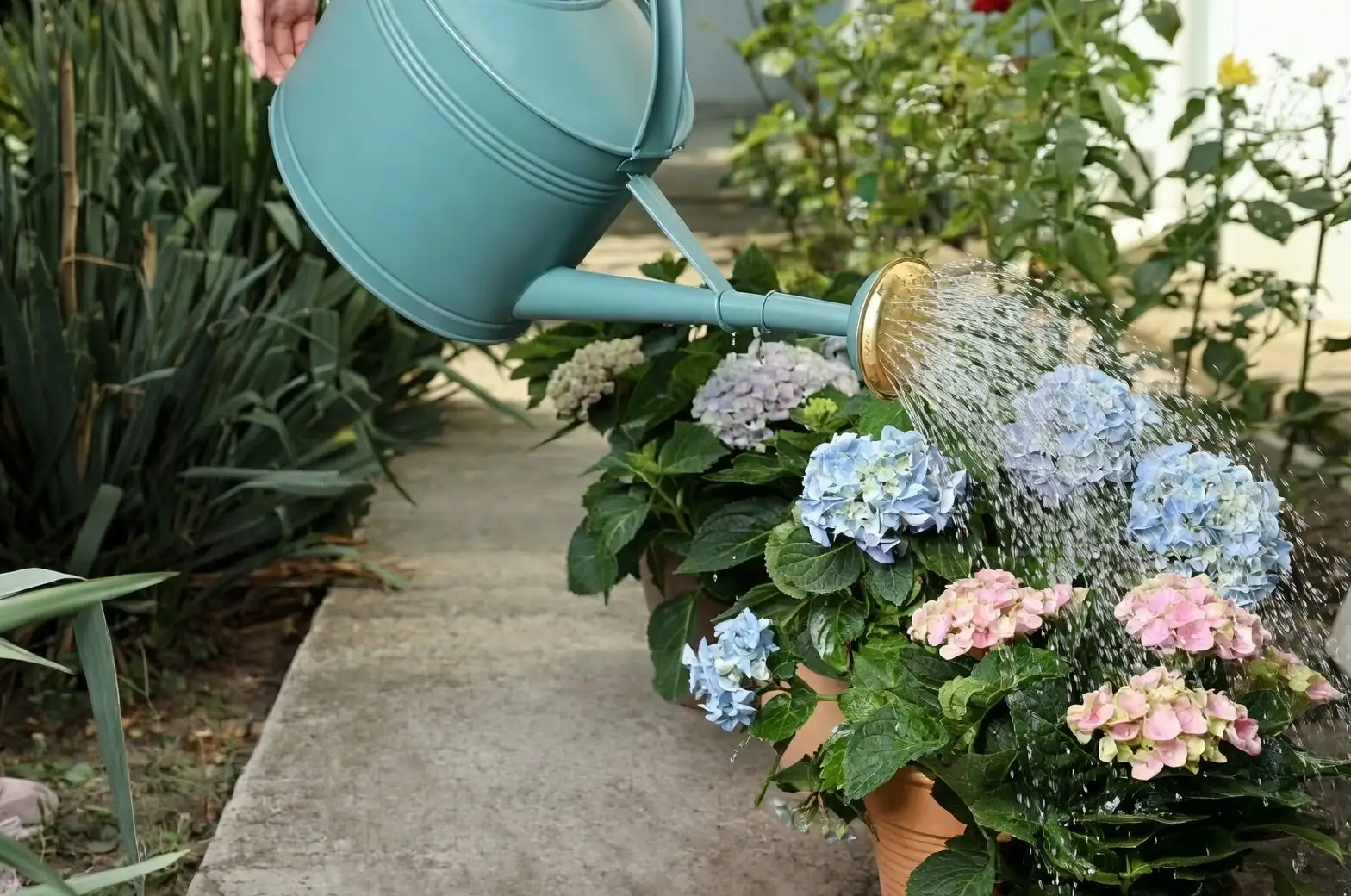
- Method: Drench thoroughly, drain completely, then wait until the mix is just approaching dryness before watering again
- Active growth: often 2–3 times per week indoors; outdoors in summer can be about every 2 days
- Buds and blooms: don’t let it dry too hard, or you risk bud blast
- Winter rest: many types slow down—reduce strongly; in mild indoor winters this can be as little as roughly monthly. If kept near or below ~10°C (50°F), keep very dry to prevent rot
- Tip: Use rain/distilled water if your tap is very hard. Avoid soaking flowers/buds; mist only in the morning
Potting mix
- Not regular soil. Use a fast-draining orchid medium: fine-to-medium bark with perlite/charcoal; a touch of sphagnum can help balance moisture. Mounting on bark/cork also works (but dries faster)
Feeding
- During active growth and bud development (roughly March–October): light feed every 2 weeks, or about 1/4 strength every 2–3 waterings
- Flush with plain water occasionally to prevent salt buildup
- Reduce or pause feeding during peak bloom and in winter rest
Grooming, staking, and aftercare
- After flowering: cut the spike near the base once it browns
- Stake long, heavy sprays (30–40 cm/12–16 in and beyond) so they don’t snap
- Remove only dead/damaged leaves or dried, leafless pseudobulbs
When do they bloom?
It depends on the hybrid and conditions. Many commonly sold types bloom in autumn, but there are winter, spring, and summer bloomers, too. Collect a few different cultivars and you can enjoy flowers in most months of the year.
Repotting and propagation (keeping the troupe in top form)
Repotting
- When: every 1–2 years, or when the mix breaks down, roots decline, or the pot is crowded
- Pot size: snug is best; common home plants often live happily in 12.5–15 cm (5–6 in) pots
- Timing: just before or as new growth begins (often spring). After repotting, keep slightly shaded and go easy on water for 1–2 weeks
Division
- Best when the clump is big; aim for divisions with at least 3–4 healthy pseudobulbs for fastest recovery
- Steps: remove old mix, trim dead roots, divide, and pot in fresh airy medium with room for new growth
- Aftercare: bright shade and only light misting for 1–2 weeks while cuts callus
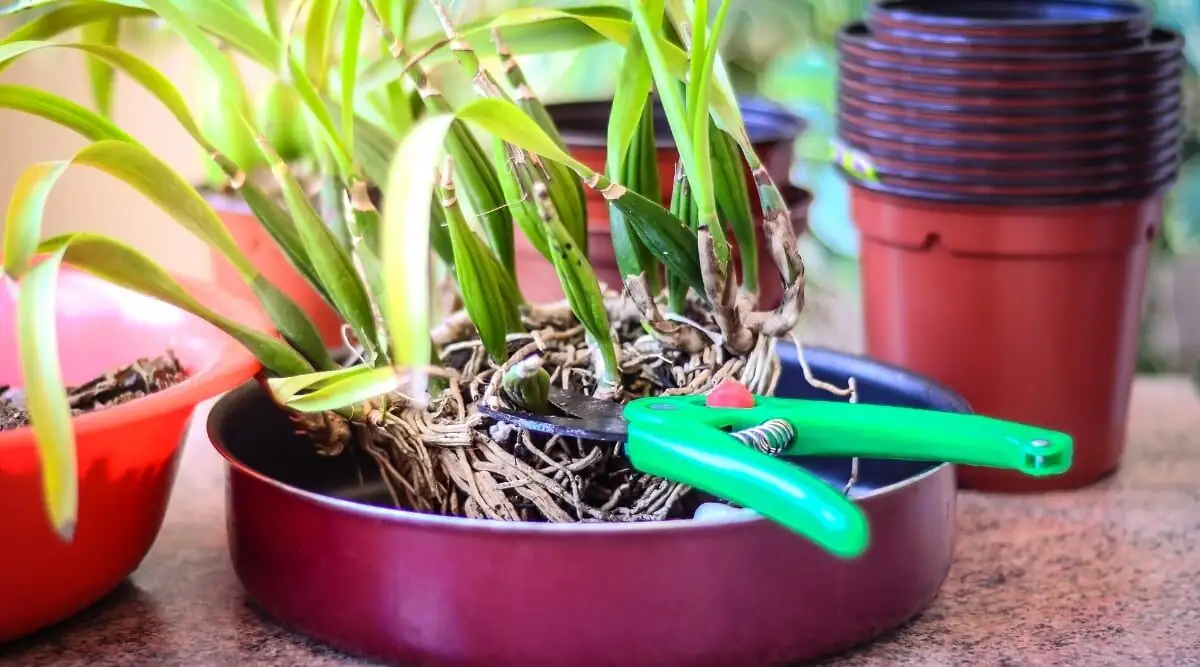
Pests, health, and safety
- Usual suspects: scale, mealybugs, spider mites, aphids (often on tender growth and spikes)
- Diseases: leaf spots/rust, soft rot, root rot—typically from stale, soggy conditions or poor airflow
- Prevention: fast-draining mix, excellent drainage, spacing, and morning-only misting so leaves dry quickly
- Treatments: insecticidal soap or horticultural oil (orchid-safe) as labeled; improve airflow and refresh the medium if rot appears
- Pet-friendly note: Generally considered non-toxic to people, cats, and dogs (though chewing any plant can upset sensitive tummies)
Buying and displaying like a pro
- Choose plants with:
- Firm, plump pseudobulbs
- Clean, medium-green leaves
- Multiple growths for better blooming potential
- A spike with both buds and freshly opening flowers for a longer show
- Clear vs. opaque pots: Either works. Many growers prefer opaque pots to keep roots cooler and reduce algae; what matters most is drainage and a fresh, airy mix
- Placement: Bright window with gentle airflow; keep away from hot, dry vents or harsh midday sun
Symbolism and “flower language”
Dancing Lady Orchids are widely linked with joy, celebration, and buoyant elegance—associations inspired by their lively, skirted blooms and festival-ready sprays. While not rooted in an ancient, codified “flower language,” the modern meaning reflects how we experience them: exuberant, show-stopping, and perfect for happy milestones. That’s why they’re frequent stars in weddings, festive bouquets, and congratulatory gifts.
Quick FAQs
Why are my buds turning yellow and dropping?
Usually drought stress during bud development, sudden light/temperature changes, or very dry air. Keep a steady moist-but-not-soggy rhythm, aim for 40–60% humidity with airflow, and avoid blasting buds with heater air or frequent spraying.
Why are my pseudobulbs wrinkling?
The plant is short on water—or roots are compromised. Check root health and your mix. If roots are good, water more consistently during active growth and raise humidity.
Can I grow it mounted?
Yes. Mounted plants get terrific airflow but dry faster—so expect more frequent watering/misting.
Do I need a special “orchid” pot?
You don’t need a clear pot specifically. Any pot with excellent drainage works. Focus on a fresh, airy orchid mix and don’t oversize the pot.
—
With a bright stage, gentle humidity, and a rhythmic watering routine, Oncidium and Oncidium-type hybrids will give you performance after performance: a troupe of tiny dancers, all dressed in gold and ready to twirl.