
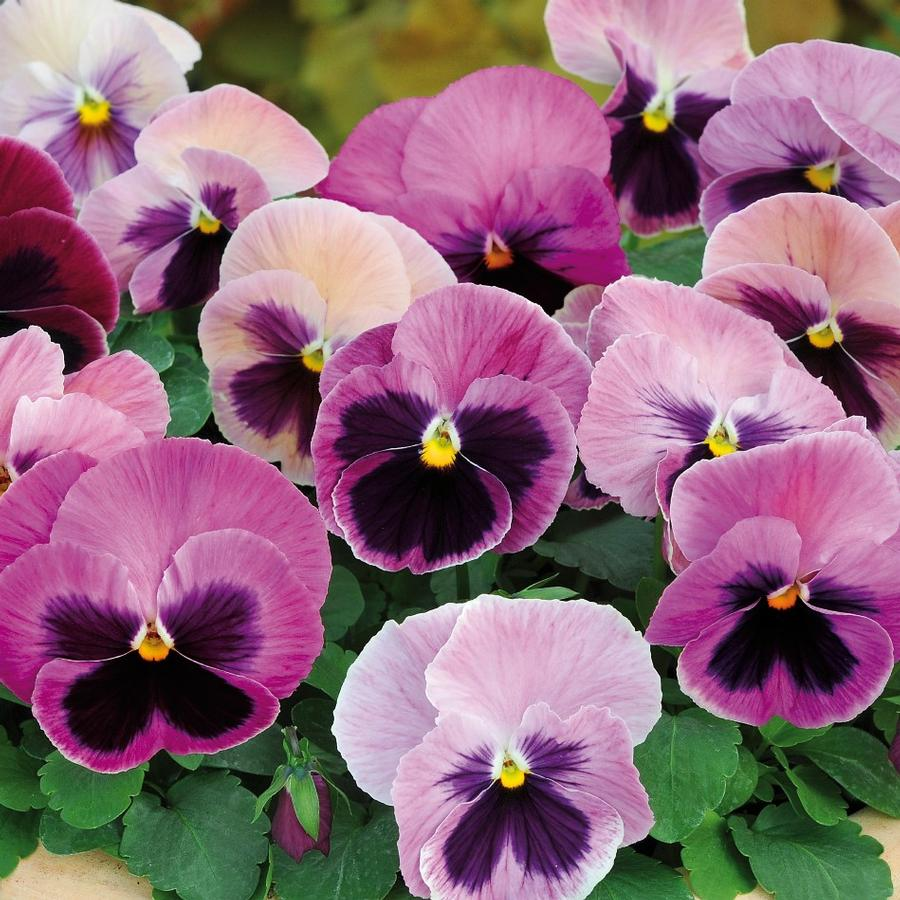
If your pansies have suddenly stopped smiling, don’t panic. Viola × wittrockiana is a cool-season charmer that blooms its heart out in spring and fall—provided you keep roots evenly moist (never soggy), give them bright light with a little afternoon shade in warm climates, and keep the air moving. Most problems come down to three things: heat stress, wet foliage/poor airflow, or waterlogged soil. This guide helps you spot the difference, stop outbreaks fast, and prevent repeats with simple airflow fixes, base-watering, organic controls, and—only if you must—carefully chosen fungicides or insecticides.
Pansy basics that prevent 80% of problems
- Light: Full sun to partial shade; aim for ~6+ hours. In warm regions, afternoon shade keeps blooms coming.
- Temperature sweet spot: Cool is king—roughly 7–15°C (45–59°F) for steady growth; best flowering around 10–20°C (50–68°F). Above ~25°C (77°F), buds slow; around 29°C (85°F) many plants struggle.
- Soil: Fertile, humus-rich, and well-drained. Keep it consistently moist, not waterlogged.
- Humidity and airflow: Moderate humidity with good air movement. Don’t let leaves or flowers sit wet.
- Spacing: About 15–20 cm (6–8 in) apart for compact types; give trailing forms more elbow room.
Tip: In beds, mulch lightly to reduce splash; in containers, use pots with drainage holes and avoid crowding.
No‑panic triage: a 10‑minute check
- Feel the soil: Soggy? Let it drain and reassess watering. Dust‑dry? Water at the base until it trickles out the bottom.
- Check the weather: Heat wave? Provide afternoon shade and extra airflow; don’t “cure” heat with more water.
- Look under leaves and inside blooms: That’s where mites, thrips, whiteflies, and aphids hide.
- Sniff and scan: Gray fuzz on spent blooms points to Botrytis (gray mold). White floury patches = powdery mildew.
- Sanitize: Immediately remove and bin (don’t compost) mushy flowers/leaves and any slimy, rotting bits.
Symptom decoder: what it looks like and what to do
Fungal and water-related issues
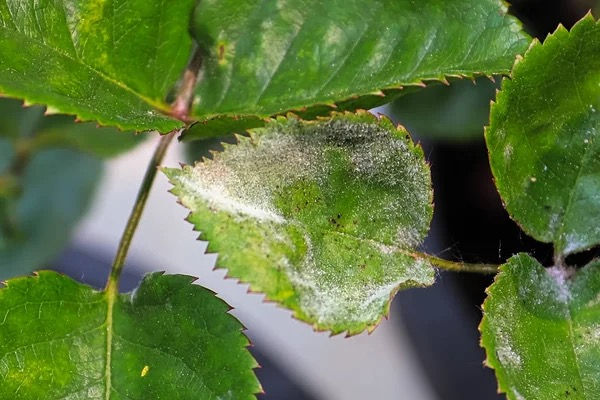
- White, floury coating on leaves: Powdery mildew
- Fast fix: Improve spacing and airflow; water soil only. Remove worst leaves. Use potassium bicarbonate, sulfur (not in heat), or a biofungicide (e.g., Bacillus subtilis) as an organic first line.
- Yellow blotches on top of leaves with gray‑purple fuzz below: Downy mildew
- Fast fix: Morning base-watering only; thin for airflow; remove infected tissue. Consider copper-based fungicide as an organic option if needed.
- Gray fuzzy mold on petals/stems, especially after rain or overhead watering: Botrytis (gray mold)
- Fast fix: Deadhead diligently, space plants, water early at the base, and prune to open the canopy. Biofungicides or copper can help; avoid wet nights.
- Plants wilt despite wet soil; stems/roots smell sour or turn brown/black: Root rot
- Fast fix: Improve drainage immediately; unpot and trim rotted roots; repot in fresh, well‑draining mix. Prevent with careful watering and never letting pots sit in saucers.
Chewers, sippers, and stealth pests
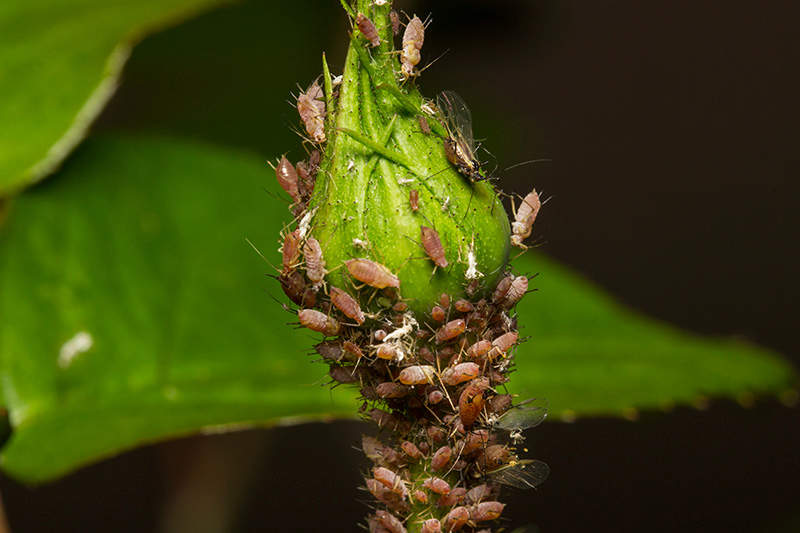
- Sticky leaves, distorted new growth, ants farming “honeydew”: Aphids
- Fast fix: Blast with water, pinch infested tips, then apply insecticidal soap or horticultural oil. Control ants (they protect aphids).
- Fine stippling, bronzing, and delicate webbing on undersides: Spider mites
- Fast fix: Rinse undersides thoroughly; repeat with insecticidal soap or oil. Increase airflow; avoid hot, stagnant conditions.
- Deformed, streaked, or scarred petals; black specks; quick bloom damage: Thrips
- Fast fix: Remove affected flowers (thrips love blooms), use blue/yellow sticky cards, then apply insecticidal soap or, where permitted, spinosad. Keep weeds and debris away.
- White moths fluttering; tiny scale-like nymphs under leaves; honeydew: Whiteflies
- Fast fix: Vacuum gently in the cool morning, use yellow sticky cards, then soap or oil under leaves.
- Chewed leaves and slimy trails: Slugs/snails
- Fast fix: Handpick at dusk, set beer/yeast traps, use iron phosphate baits, and tidy damp hiding spots.
- Tiny black flies hovering at soil; larvae in topsoil: Fungus gnats (often overwatering sign)
- Fast fix: Let the top 1–2 cm (0.4–0.8 in) dry between waterings, bottom‑water seedlings, use yellow cards, and consider a BTI drench.
Weather and nutrition
- Buds stop forming in late spring or summer: Heat pause
- Move to afternoon shade, boost airflow, keep soil evenly moist with great drainage. Buds usually resume as temps drop.
- Lush leaves but few flowers: Excess nitrogen
- Switch to a bloom‑leaning feed with moderate P/K; deadhead and give brighter light.
Airflow fixes that change everything
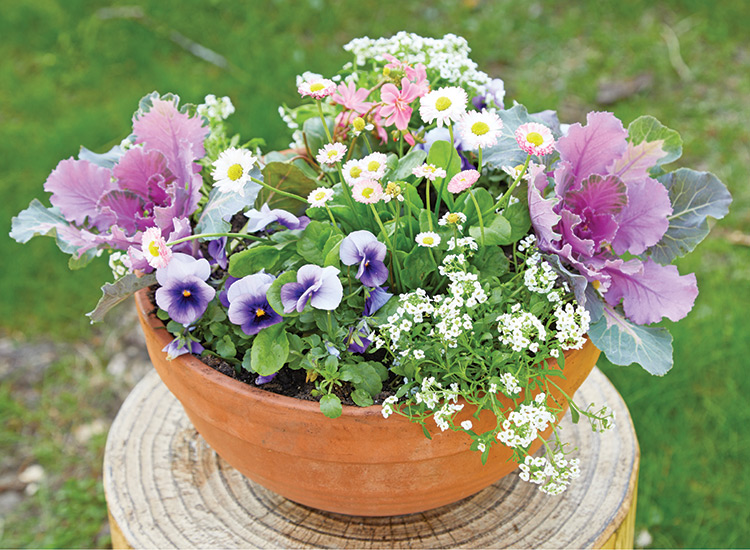
- Space properly: 15–20 cm (6–8 in) minimum between plants; thin crowded containers.
- Prune for “open faces”: Remove dense interior leaves and keep plants at ~7.5–10 cm (3–4 in) if they get leggy.
- Elevate and separate: Lift pots off the ground with pot feet; don’t jam containers against walls.
- Time your watering: Mornings only, at soil level—so foliage dries fast.
- Add a breeze: On porches or sheltered spots, a small fan on low can break up stagnant air pockets.
Master the water: base‑watering that prevents disease
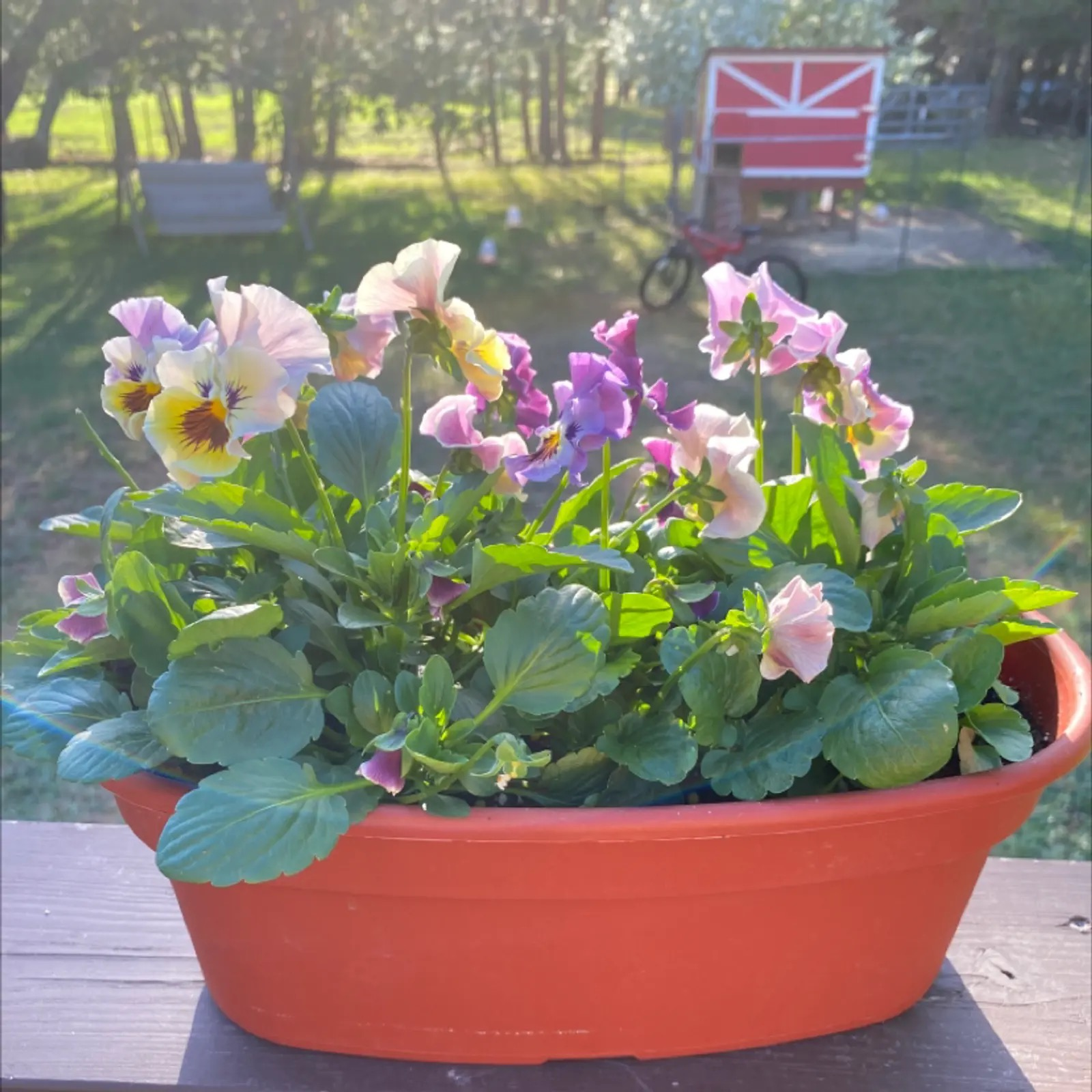
- Check frequently in bright, breezy weather; water when the top 1–2 cm (0.4–0.8 in) is dry.
- Water at soil level; keep flowers and foliage dry.
- Seedlings love bottom‑watering: wick moisture up from a tray to avoid damping‑off and fungus gnats.
- Never let containers sit in saucers of water.
- Heat wave? Shade and airflow matter more than extra water.
Your organic controls toolbox (use in rotation)
- Physical/sanitation
- Weekly inspections, especially leaf undersides
- Deadhead and remove debris promptly
- Rinse pests off with a firm spray of water
- Soaps and oils
- Insecticidal soap for aphids, whiteflies, thrips nymphs
- Horticultural oil for mites and soft‑bodied pests (spray in cool hours; test first)
- Biologicals
- BTI for fungus gnat larvae in potting mix
- Biofungicides (e.g., Bacillus subtilis products) for powdery mildew and Botrytis suppression
- Mineral/other organics
- Potassium bicarbonate for powdery mildew knockdown
- Copper-based fungicides for downy mildew/leaf spots (use sparingly; follow labels)
- Sulfur for powdery mildew (avoid use in high heat or near oils)
Rotate modes of action and repeat as labels direct; one-and-done rarely works.
When to reach for fungicides or insecticides (last resort)
- Confirm the problem first, try cultural and organic controls, and set a clear threshold (e.g., “if 30% of plants show active disease after two organic treatments”).
- Choose products labeled for ornamentals and specifically for your target pest/disease.
- Spot-treat first; avoid blanket sprays that disrupt beneficials.
- Rotate active ingredients to reduce resistance.
- If you plan to garnish food with pansy flowers, do not use conventional pesticides. Only consume blooms grown without such treatments.
Season‑by‑season strategy to prevent repeats
Spring
- Prime bloom season: bright light, steady moisture, and frequent deadheading.
- Feed lightly—monthly with a balanced fertilizer or every 2 weeks at half strength for containers.
- Scout weekly for aphids, mites, and early mildew.
Summer
- Expect a lull in heat above ~25°C (77°F). Prioritize afternoon shade, airflow, and careful watering.
- Trim back to ~7.5–10 cm (3–4 in) to refresh growth. Don’t drown heat‑stressed plants.
Fall
- Ideal planting time in many regions: cool temps drive strong roots and flowers.
- Space plants well (15–20 cm / 6–8 in), and avoid crowding baskets/boxes.
Winter (mild climates)
- Many cultivars handle light frosts; protect from prolonged deep freezes (around -5°C / 23°F and below can cause damage).
- Keep containers insulated and in bright, cool conditions. Avoid repeated freeze–thaw.
Quick reference: common issues and quick wins
- Powdery mildew: Open the canopy, base‑water mornings, potassium bicarbonate or biofungicide.
- Downy mildew: Remove infected leaves, increase airflow, copper if needed.
- Gray mold: Deadhead ruthlessly; keep blooms dry; biofungicide; avoid humid nights.
- Aphids/whiteflies: Wash off, sticky cards, insecticidal soap, manage ants.
- Spider mites: Rinse undersides, oil/soap, boost airflow.
- Thrips: Remove damaged blooms, sticky cards, soap; spinosad where permitted.
- Slugs/snails: Handpick, iron phosphate baits, tidy damp hideouts.
- Root rot: Repot into draining mix, correct watering, never waterlog.
Edible flower safety
Pansy flowers are commonly used as edible garnishes—but only from plants grown without pesticides intended for ornamentals. If you’ve sprayed anything not explicitly approved for edible use, admire the blooms with your eyes, not your fork.
A thoughtful note on “flower language”
The very word “pansy” comes from the French pensée—“thought.” In Victorian floriography, pansies signaled remembrance and tender, often unspoken affection. The legends grew from the wild parentage (notably Viola tricolor) and literature’s love of that expressive “face” on the bloom. While color charts for meanings vary with the source, the constant is sentiment: gifting pansies says “you’re on my mind.”
Grower’s cheat sheet
- Plant profile: 15–25 cm tall, 15–30 cm wide; compact and mounding with face‑like flowers 4–6.5 cm across.
- Best placement: Beds, borders, window boxes, baskets, and cool bright patios or balconies.
- Spacing: 15–20 cm for compact types; more for trailing forms.
- Water: Evenly moist, never soggy; base‑water only.
- Feed: Light, regular feeding during active growth; avoid pushing excess leaf with high nitrogen.
- Deadhead: Often. Remove the entire spent flower stem to keep buds coming.
With sharp eyes, steady airflow, and smart base‑watering, pansies will repay you in weeks—often months—of color. Keep your IPM routine simple: prevent, monitor weekly, act early with organics, and save the heavy artillery for genuine emergencies. Your Viola × wittrockiana will wear its happiest face.