

Step into a world where the air is cool and damp, the floor is a quilt of moss and peat, and green fronds vault like cathedral arches. This is both now and 300 million years ago—because ferns, class Polypodiopsida, are the rare houseplants that genuinely feel like time travel. They were carpeting the Earth when coal forests hummed with giant millipedes, and they were captivating Victorians who stuffed parlors and glass cases with every frilly frond they could find. Today, they’re the quiet stars of biophilic design—softening lines, cooling rooms, and teaching us, with deep-time patience, how to grow them well.
From Coal Forests to Conservatories: A Short, Lush History
Carboniferous beginnings: world-makers in green
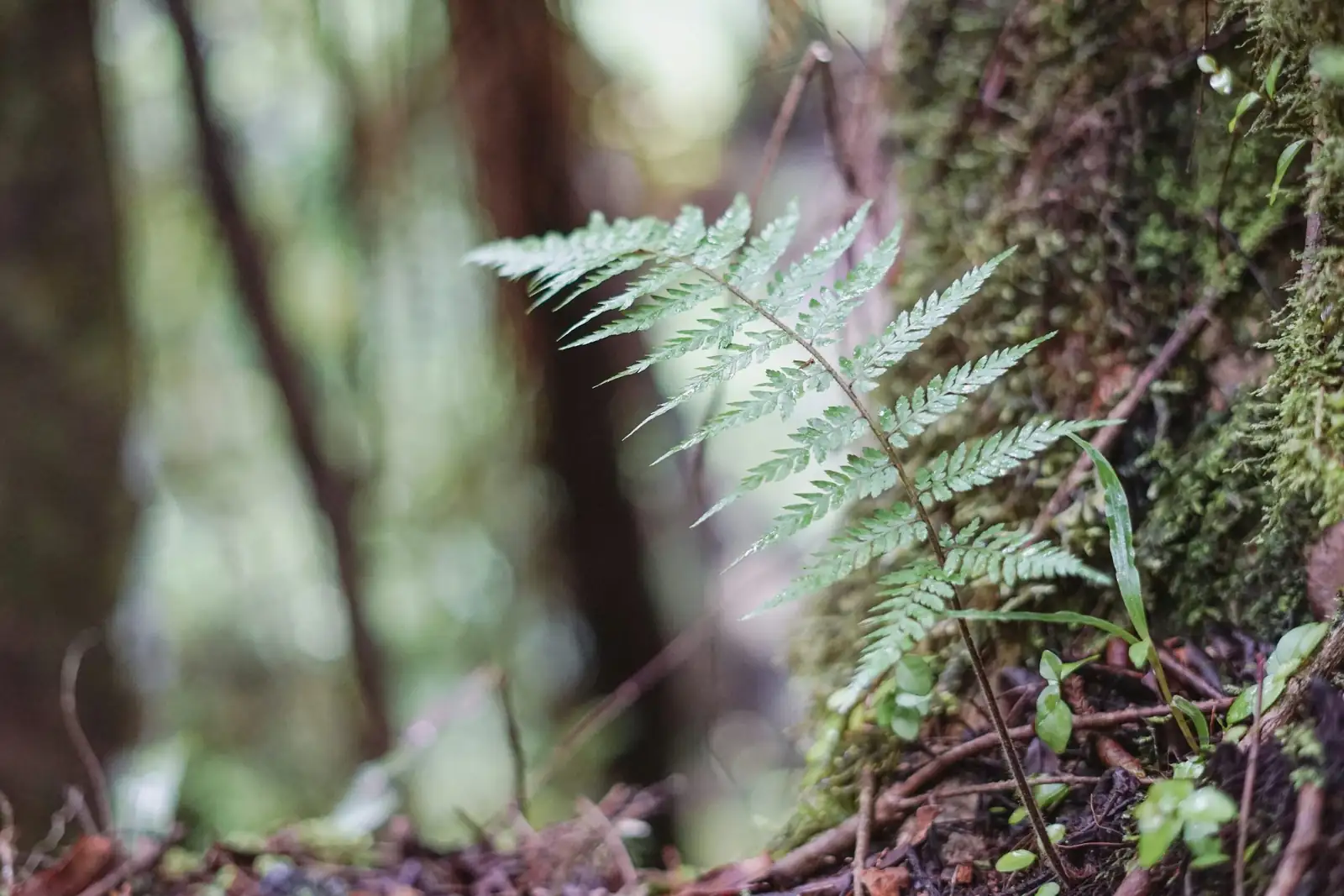
- Picture vast, swampy coal forests in the Carboniferous period: fern-filled wetlands and tree fern canopies capturing light in humid, tropical air. As layer upon layer of plant matter settled and transformed, those ecosystems helped lay down the coal seams that later powered the Industrial Revolution.
- Early ferns and fern-like plants thrived as colonizers after disturbance—quick to re-green soggy openings, equally at home as groundcovers, climbers, and even tree-sized forms. That flexibility is why the group still prospers today.
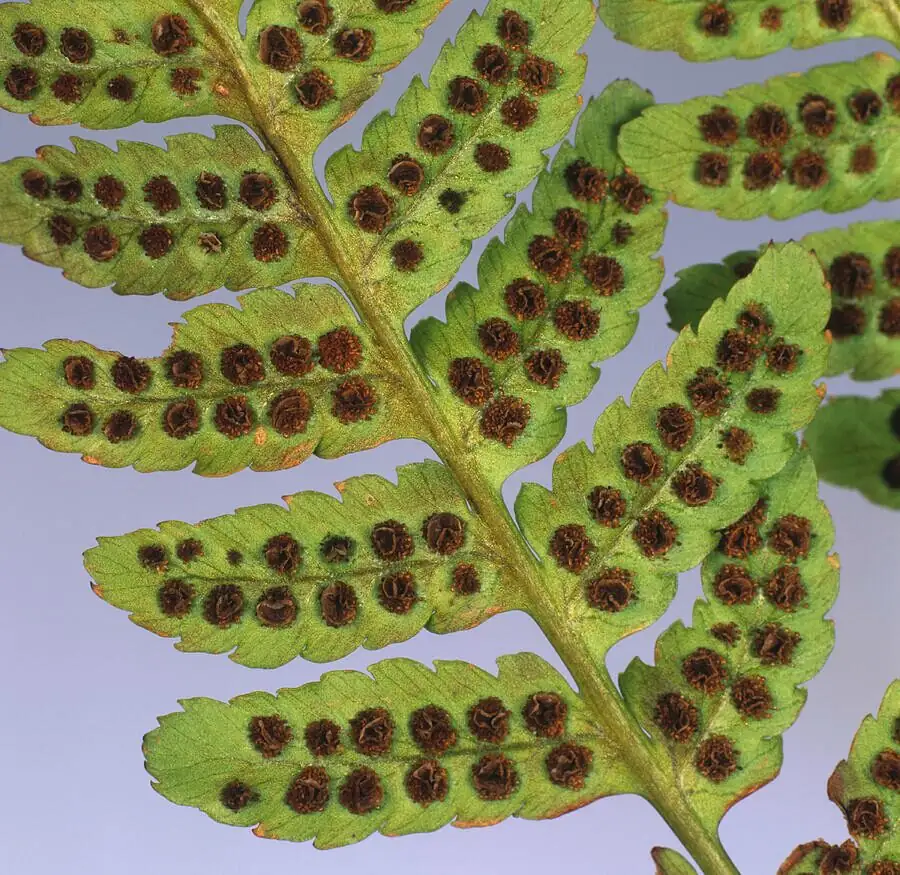
- They don’t flower. Instead, they write their legacy in powders of spores tucked into tiny sporangia beneath mature fronds—millions of future ferns, riding breezes.
Victorian fern fever: design meets obsession
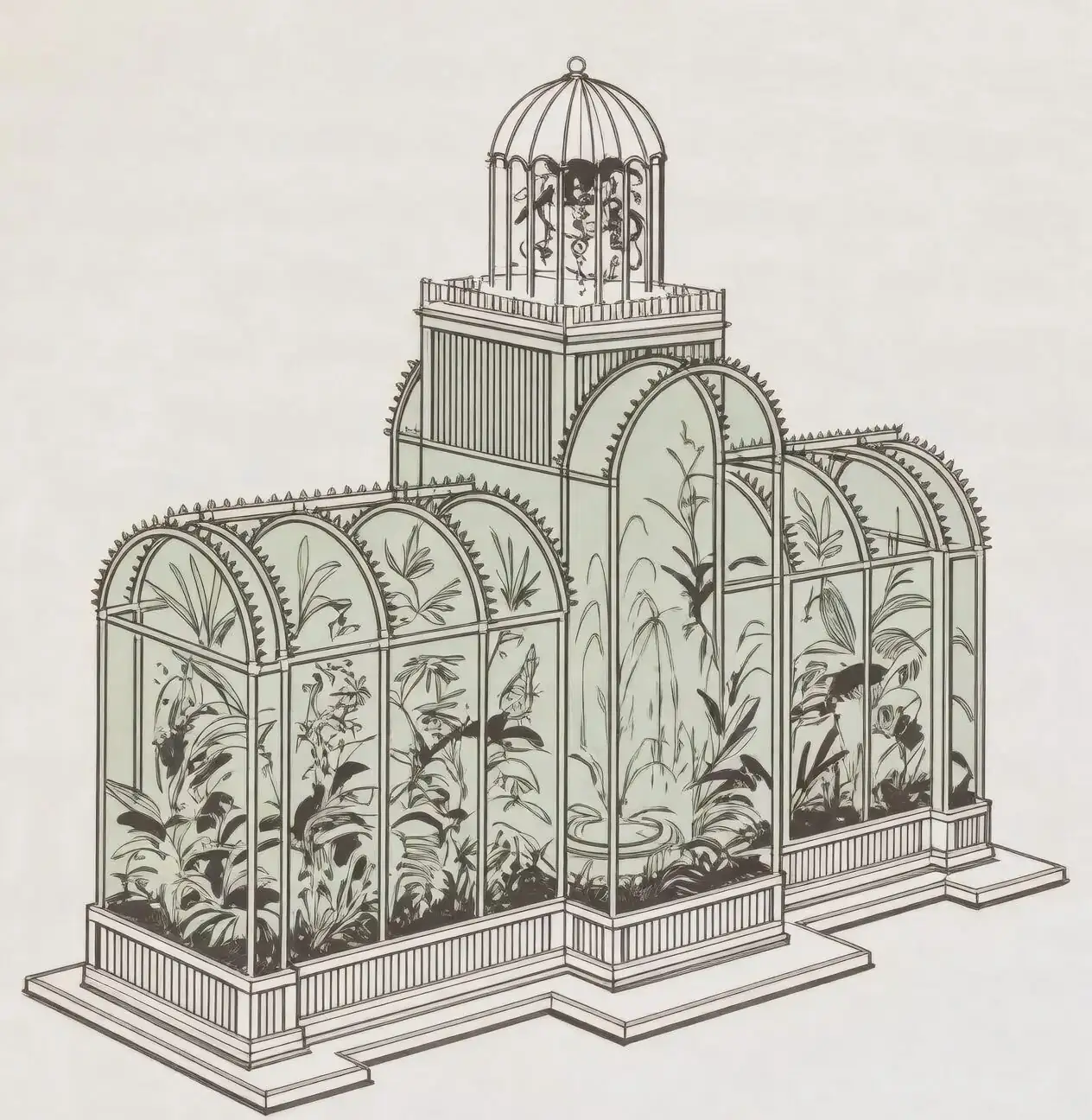
- Fast-forward to 19th-century Britain: Pteridomania—“fern madness”—bursts from gardens into galleries, textiles, jewelry, and wallpapers. Wardian cases (early terrariums) let collectors humidify their treasures in smoky cities, turning ferns into icons of freshness and refinement.
- The craze democratized botany and design, but it also over-collected wild populations—a cautionary tale modern growers can learn from: love ferns, protect habitats, and propagate ethically.
Today’s renaissance: biophilic darlings
- In a world craving softness and shade, ferns deliver: feathery textures, graceful arches, and an instant sense of coolness. Indoors they raise perceived freshness by adding humidity; in shade gardens they knit space together with soothing green.
- Designers reach for them in bathrooms, kitchens, and north/east windows; stylists pair them with clay, stone, and wood to echo the forest floor.
Meet Polypodiopsida (Fern), Ancient Survivors with Modern Style
- Scientific name: Polypodiopsida; also called “fern,” “polypod,” or “pteridophyte.”
- Lineage and diversity: Over 300 million years old, with approximately 381 genera and multiple families within Polypodiophyta, including Polypodiaceae (the largest fern family), Dryopteridaceae, and Aspleniaceae.
- Global story: Native to tropical rainforests originally; now distributed worldwide, richest in tropical and subtropical regions.
- Signature look: Fronds (not leaves) are often feather-like; new fronds emerge as coiled fiddleheads that unfurl in slow-motion elegance.
- Reproduction: No flowers or fruit—only spores, usually maturing in spring and summer.
- Size: From a few centimeters to tree ferns approaching 20 m (66 ft). Indoors, many popular types (like Boston ferns) top out around 30–60 cm (12–24 in).
Why Ferns Feel So Good Indoors
- Fractal fronds and arching lines calm the eye the way waves calm the ear—soft geometry that reads as restful.
- Their humidity-loving nature brings a perceptible freshness to rooms, especially near showers, sinks, and grouped plant vignettes.
- They are quintessential shade partners—perfect where direct sun is fleeting but light is bright and filtered.
Care Lessons from 300 Million Years
Think habitat first: filtered forest light, constantly moist soil, moving, humid air, and gentle temperatures. Translate that to your home like this:
Light
- Best: partial shade to bright, indirect light.
- Avoid: harsh midday sun that crisps fronds. Indoors, east- or north-facing windows with filtered light are ideal.
Water
- Keep the mix evenly moist, never waterlogged.
- Rule of thumb: in spring/summer, water when the top 2–3 cm (about 1 in) feels slightly dry—often 2–3 times per week depending on room conditions. In fall/winter, reduce but don’t let the root ball go bone-dry.
- Use room-temperature water; rainwater is a treat. Aim at the soil, not repeatedly soaking fronds if it causes spotting.
Humidity
- Target 50%+ relative humidity.
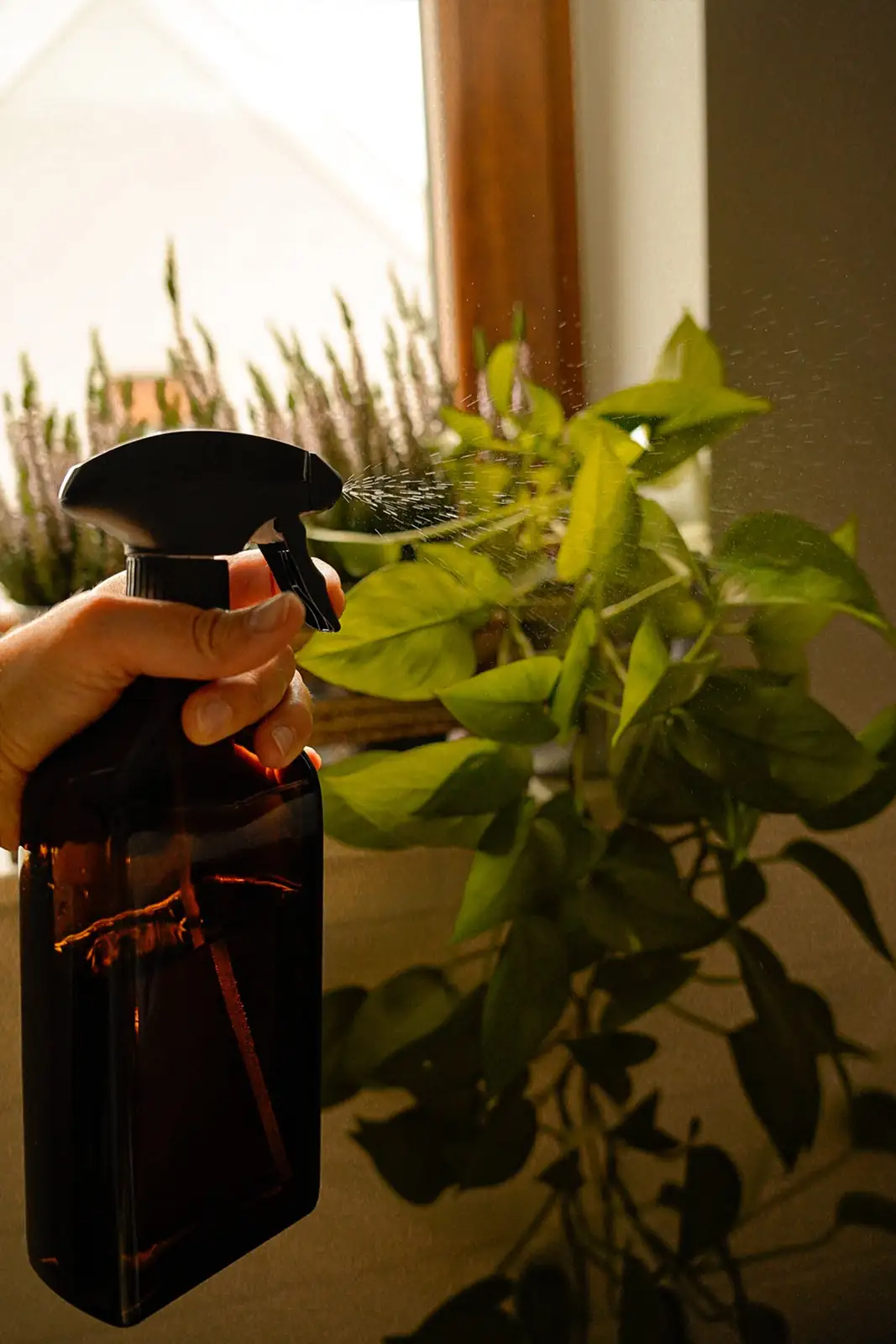
- Helpers: a nearby humidifier, pebble trays, clustering plants, and gentle misting in dry rooms.
Temperature
- Comfortable range: 15–27°C (60–80°F).
- Tropical sorts prefer to stay above 10°C (50°F) in winter; some temperate ferns tolerate down to ~5°C (40°F). Keep them away from drafts and sudden swings.
Soil and potting
- A loose, airy, organic-rich, slightly acidic mix: peat or leaf mold + perlite/coarse sand; add bark or fern fiber for extra lift.
- Many ferns like shallower pots. Repot every 1–2 years in spring; keep some old soil clinging to roots to reduce shock.
Feeding
- Light and regular in the growing season: about once a month in spring/summer with diluted liquid fertilizer at half strength.
- Skip feeding in fall and winter—fern roots dislike heavy salts.
Pruning and propagation
- Trim yellowed or damaged fronds at the base with clean scissors.
- Divide clumps in spring for easy, reliable propagation. Spore sowing is magical but slow and fiddly for most home growers.
Year-round rhythm
- Spring (Mar–May): growth surges—repot/divide if needed, water more, begin feeding.
- Summer (Jun–Aug): protect from hot sun, maintain humidity, watch for heat stress.
- Fall (Sep–Nov): taper watering, stop feeding.
- Winter (Dec–Feb): keep evenly moist (not wet), warm, and draft-free.
Troubleshooting: What Ancient Survivors Whisper When Stressed
- Brown, crispy tips? Usually low humidity or too much direct light. Raise humidity, shift to bright indirect light, and check watering.
- Wilting or drooping? Either drought or waterlogged roots. Inspect the pot: rehydrate thoroughly if dry; if soggy or smelly, improve drainage and consider repotting.
- Pests: Scale, aphids, and spider mites are the usual suspects. Treat early with insecticidal soap or horticultural oil; mites dislike high humidity.
- Diseases: Leaf spot and anthracnose cause dark speckles—improve airflow, avoid persistently wet foliage, and use appropriate fungicides if needed. Root rot follows chronic overwatering—fix drainage and watering habits.
Safety and Sensitivity
- Most commonly grown house ferns are considered non-toxic to people and pets.
- Exception to know: bracken fern (Pteridium aquilinum) can be harmful if eaten in quantity—don’t nibble unknown ferns.
- Spores may mildly irritate very sensitive individuals—good ventilation helps.
Folklore, “Flower Language,” and What It Really Means
- Ferns don’t bloom, yet European folklore speaks of a secret “fern flower” appearing on Midsummer’s Eve—bestowing luck or hidden treasure. It’s poetic, not botanical, but the myth spotlights what ferns symbolize: discovery, resilience, and protection amid shadow.
- In Victorian floriography, fern motifs signaled sincerity, fascination, and the allure of the unseen—echoes of shady glens and hidden springs.
- Deeper meaning for today:
- New life and growth: unfurling fiddleheads are living metaphors for beginnings.
- Resilience: a lineage that has weathered planetary shifts.
- Fertility and protection: lush, sheltering fronds and prolific spores.
- In Aotearoa New Zealand, the silver underside of certain fronds once guided nighttime travelers; the silver fern endures as a national emblem of guidance and renewal.
Design Pairings and Plant Picks
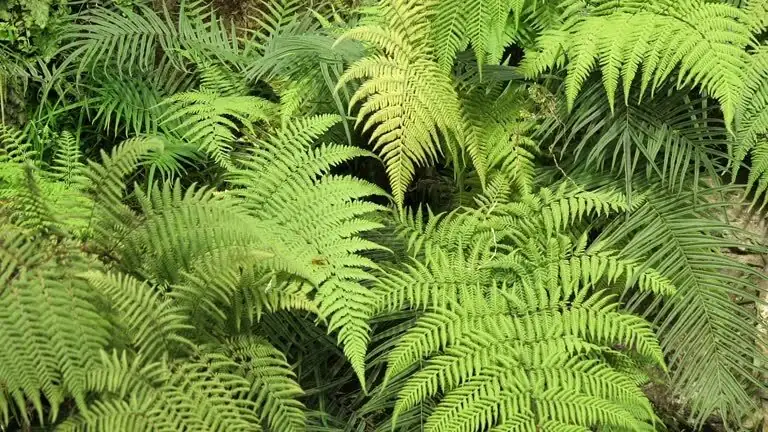
- Where they shine:
- Bathrooms and kitchens with ambient humidity.
- Bright, indirect living room corners; on stands where fronds can arch freely.
- Hanging baskets that let textures cascade.
- Style tips:
- Pair with matte ceramics, river stone, and wood for a “forest floor” palette.
- Group several ferns (and a humidifier) for a microclimate that’s as beautiful as it is functional.
- Ferns to know:
- Boston fern types (Nephrolepis): classic, full, 30–60 cm tall—great in hanging baskets.
- Maidenhair (Adiantum): lacy and ethereal—loves steady moisture and stable humidity.
- Bird’s nest (Asplenium): bold, wavy fronds for sculptural contrast.
- Staghorn (Platycerium): mount on boards for a living art piece in bright, indirect light.
Uses Beyond the Mantel
- Ornamental anchors in shade gardens, containers, and interiors.
- Environmental helpers indoors: boost perceived freshness by raising humidity; some species are noted for reducing certain indoor pollutants.
- Ecological and agricultural: the tiny water fern Azolla partners with nitrogen-fixing cyanobacteria and serves as a natural biofertilizer in some rice systems.
- Edible (limited): some species’ young fiddleheads are eaten after proper preparation; always identify correctly and follow regional guidance.
- Traditional medicine: various ferns appear in folk remedies around the world.
Time‑Capsule Tidbits
- Ferns are among the oldest vascular plants on Earth, far predating flowers.
- One plant can release millions of spores from sori (spore clusters) beneath fronds.
- Roughly 10,560 fern species are known worldwide, richest in tropical rainforests.
- Tree ferns can rise to about 20 m (66 ft)—giants among spore-bearers.
- Ancient fern-rich ecosystems helped form many Carboniferous coal deposits.
- The Victorian fern craze imprinted fern patterns across art, textiles, pottery, and jewelry.
- Azolla, a tiny floating fern, grows explosively and is used as a green fertilizer.
Grower Takeaways from Deep Time
- Think canopy edge, not desert window: bright, filtered light beats direct sun.
- Keep the “swamp” without the sog: evenly moist substrate with abundant air pockets.
- Make your own rainforest: humidity above 50%, steady temperatures, and gentle airflow.
- Go light and frequent: monthly half-strength feed in the growing season; never heavy salts.
- Propagate with care: divide, don’t pillage—honor the lessons of Pteridomania by choosing nursery-propagated plants.
From Carboniferous shadows to Victorian parlors and modern shelves, Polypodiopsida shows that great design is also great ecology: fractal forms that cool, calm, and quietly endure. Treat a fern like a tiny coal forest—shaded, humid, and steadily moist—and it will pay you back in green abundance, one unfurling fiddlehead at a time.