

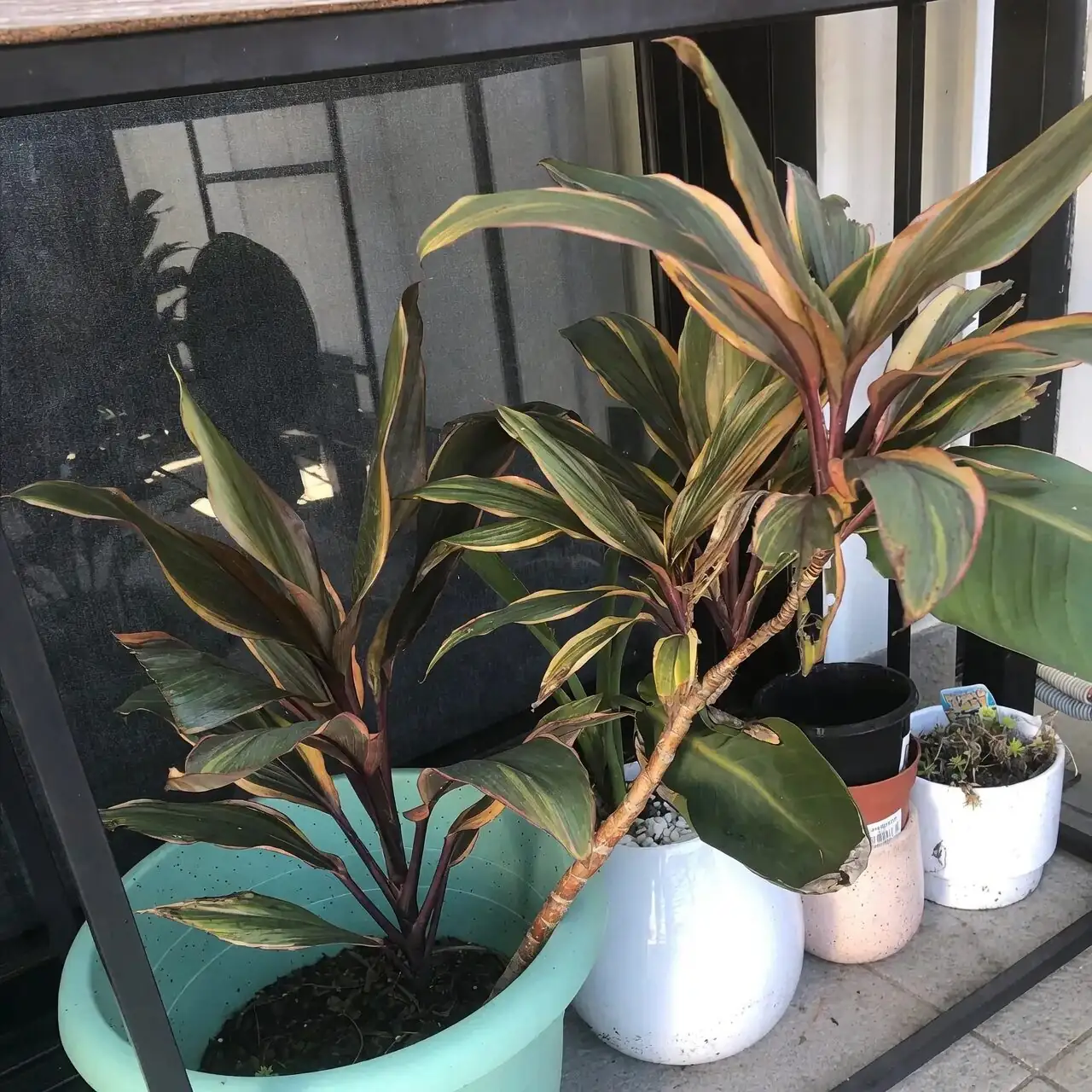
Imagine a palm-on-a-stick that swaps outfits with the seasons—emeralds, burgundies, hot pinks, and candy-striped variegation. That’s Cordyline fruticosa, the Ti Plant: a warm-weather show-off from Southeast Asia through the western Pacific that turns any room into “instant island.” Grown mostly for its dramatic foliage, it’s an upright, cane-like houseplant that’s happiest in bright, filtered light and steady warmth.
Here are the fun, bite-sized truths that keep Ti looking fabulous.
Bite-Sized Truths You’ll Actually Use
- Lower leaves drop on purpose
- As stems lengthen, the plant naturally sacrifices its oldest leaves. Expect slow yellowing and a tidy “skirt” of dropped foliage near the base—it’s normal aging, not failure.
- Want a fuller crown? Cut a tall cane back. New side shoots usually sprout below the cut, creating a bushier plant.
- Cold under 5°C (41°F) trashes the leaf edges
- Ti is warmth-loving. Dip below 5°C and you’ll often see scorched or even mushy margins by morning.
- Keep indoor nights above 7–10°C (45–50°F) if possible; a few cultivars endure a brief brush with 0°C, but don’t gamble the foliage you love.
- Bright shade keeps color bold
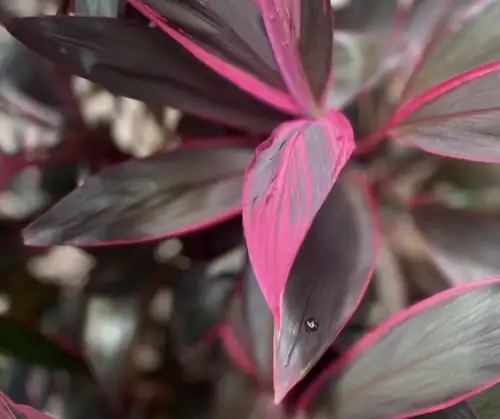
- Think “beach umbrella light”: bright, filtered, not harsh midday sun. That’s what maintains those reds and pinks without bleaching or burn.
- Long-term deep shade dulls color, speeds leaf aging, and can invite brown spotting. Move closer to a bright east or a filtered south window.
- Fading color can also mean it’s root-bound or sitting in tired potting mix—repot into fresh, airy soil to revive variegation.
- Flowering indoors is rare (and that’s okay)
- Ti can make small, starry summer flowers in branched clusters (sometimes with berries) under warm, bright, stable conditions—usually outdoors or in conservatory-like rooms.
- Inside typical homes, it often prioritizes foliage, not blooms. Enjoy the leaves; the flowers are a bonus, not the goal.
Meet the Plant
- Botanical: Cordyline fruticosa (formerly C. terminalis)
- Family: Asparagaceae
- Common names: Ti Plant, Good Luck Plant, Hawaiian Ti
- Look: Upright, woody canes topped with fountains of strap-like leaves; indoor size generally 40 cm–1.5 m (16 in–5 ft)
- Roots and culture: Native to Southeast Asia through the western Pacific, and celebrated across the Pacific—especially in Hawai‘i—where the leaves have long been used decoratively and symbolically.
Light, Temperature, Humidity: The Sweet Spots
- Light
- Best: bright, filtered light; an east window or a south window with a sheer curtain.
- Avoid: harsh midday sun (scorch) and long-term dim corners (faded color, older leaves aging fast).
- Temperature
- Ideal: 20–25°C (68–77°F); summer days up to 25–30°C (77–86°F).
- Critical: keep above 5°C (41°F) to prevent edge damage; not frost-hardy (generally USDA Zone 10–12 outdoors).
- Humidity
- Prefers moderate to high humidity around 50–60%.
- Help it out: occasional misting, pebble trays, or a humidifier. Keep leaves from staying wet for hours—good airflow prevents leaf spots.
Watering and Soil (The “Just-Right” Zone)
- Watering rhythm
- During active growth, water when the top 2–3 cm (about 1 in) of mix feels dry. Then soak thoroughly and let excess drain—don’t leave water in the saucer.
- Too wet → yellowing tips and potential root issues. Too dry → leaf drop (often the older, lower leaves first).
- Soil and pots
- Use a free-draining, airy blend: quality potting soil + compost/leaf mold + coarse sand or perlite.
- Always choose pots with drainage holes. Repot every 2–3 years in spring with fresh mix to restore vigor and color.
Feeding, Pruning, and Placement
- Feeding
- May–September: a balanced liquid fertilizer every 2 weeks at label strength. Don’t overdo nitrogen; it can push greener growth and mute variegation.
- Pause feeding in winter when growth naturally slows, especially in cooler rooms.
- Pruning
- Snip off naturally yellowing lower leaves to keep things neat.
- If your plant gets leggy, cut canes back to encourage branching. New shoots form below the cut, filling out the crown.
- Placement
- Indoors: bright spot near an east or filtered south window; keep away from cold drafts.
- Outdoors (warm climates): dappled to bright shade; provide midday protection in summer.
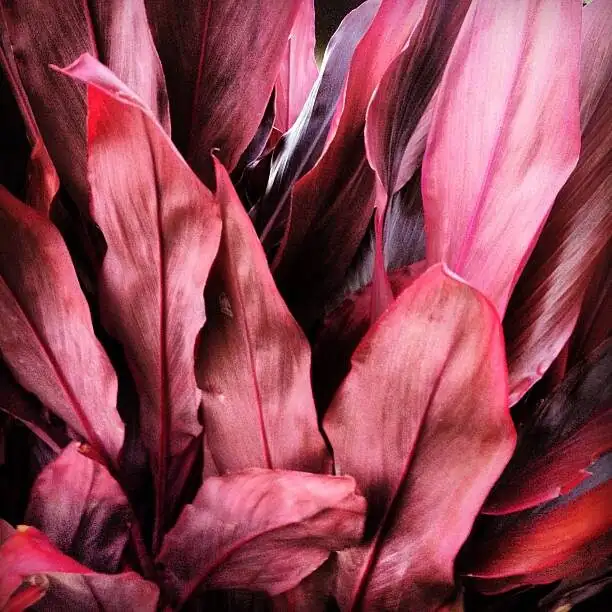
Color Coach: Keep Those Hot Pinks Blazing
- Turn up the brightness (gently): Bright indirect light is your best friend; too little light = duller color, too much midday sun = scorched or washed-out leaves.
- Refresh the root zone: If colors fade or growth stalls, repot into fresh, well-draining mix—tired soil and cramped roots mute variegation.
- Feed on schedule: Balanced nutrients during the growing season improve leaf quality; adequate potassium supports strong, colorful foliage.
Cold Crisis 101: What Damage Looks Like (and What to Do)
- Signs you’ve dipped below 5°C (41°F)
- Crispy or blackened edges, or soft, water-soaked margins that collapse.
- Rescue plan
- Move to steady warmth with bright, filtered light. Let damaged areas declare themselves over a few days, then prune to healthy tissue.
- Resume normal watering only once the root zone is warm and actively drying between waterings.
Propagation and Styling (The Fun Part)
- Stem cuttings (June–October)
- Take 10–15 cm (4–6 in) tip cuttings; keep 5–6 leaves and halve their length to reduce wilt. Root in moist sand/perlite; expect roots in ~4 weeks.
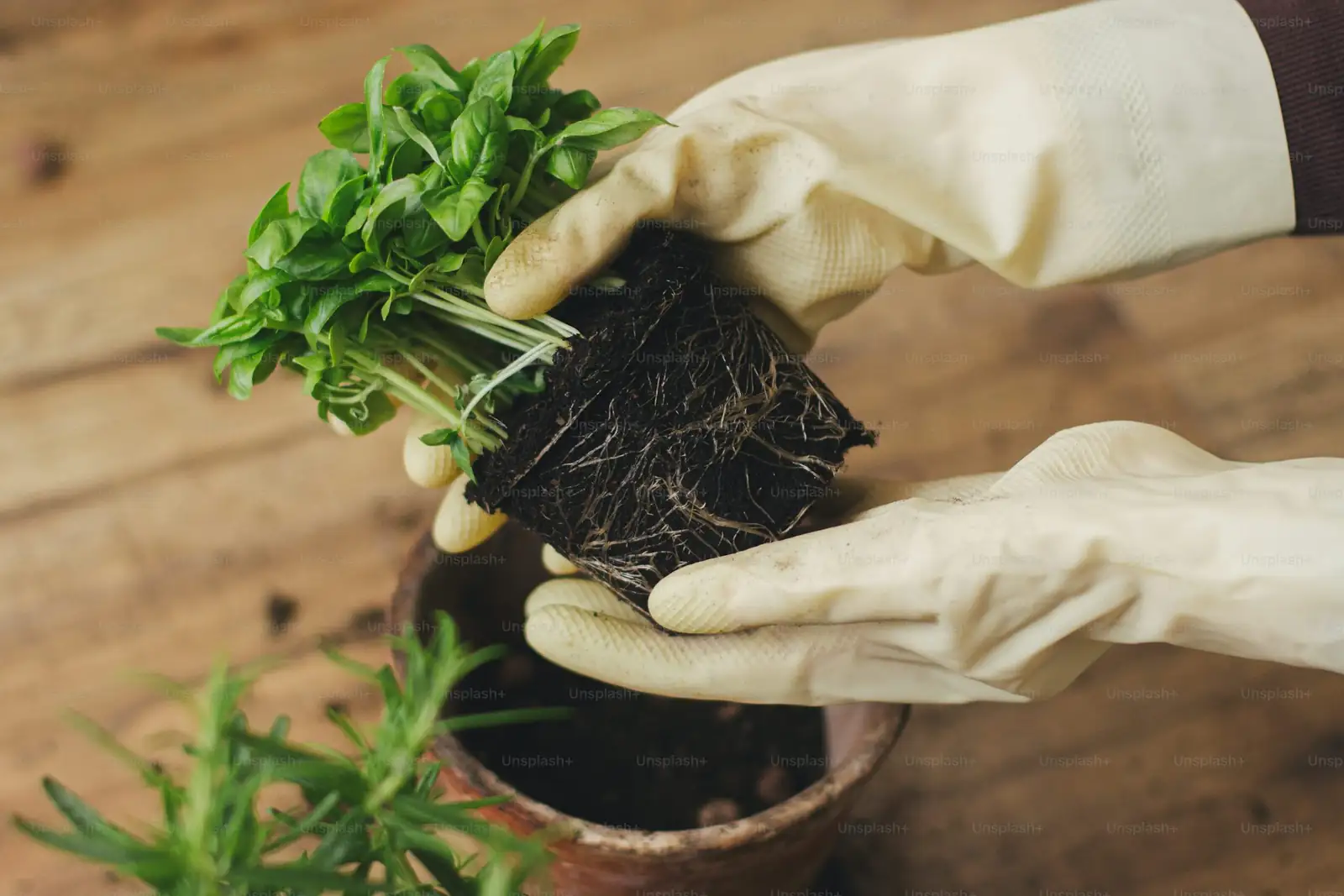
- Air-layering (May–June)
- Ring-bark a 1.5 cm (0.6 in) band about 20 cm (8 in) below the tip; wrap with moist sphagnum and plastic. Roots often form in ~5–6 weeks, then pot up.
- Seed
- When available, sow indoors warm; germination is quickest at 24–27°C (75–81°F), with sprouts in about 2 weeks.
Pests, Spots, and Quick Fixes
- Scale insects: Look for bumps on stems and sticky residue. Treat early with horticultural oil or insecticidal soap; repeat as needed. Quarantine new plants.
- Leaf spots/anthracnose: Encouraged by wet leaves and poor airflow. Water the soil (not the foliage), improve ventilation, and remove affected leaves.
- Brown spotting and premature aging: Often from long-term deep shade or inconsistent care—improve light and steady the watering.
Safety, Symbolism, and Fun Facts
- Pet note: Potentially toxic to cats and dogs if chewed (drooling, GI upset). Keep out of reach.
- Symbolism: Widely regarded as a “good luck” and protective plant in Pacific cultures—hence the nickname Good Luck Plant.
- Cultural use: Ti leaves feature in Pacific Island decoration and festive wear, especially in Hawai‘i.
- Speed facts
- Cold is the fastest way to ruin foliage: below 5°C (41°F), edges can scorch or rot.
- Seedlings sprint: at 24–27°C (75–81°F), seeds can sprout in roughly 2 weeks.
Tiny Seasonal Checklist
- Spring
- Repot every 2–3 years; start feeding; begin air-layering (May–June).
- Summer
- Bright, filtered light with midday protection; consistent moisture; watch humidity; flowers may appear in warm, bright conditions.
- June–October
- Prime time for stem cuttings.
- September
- Sow ripe seed indoors warm.
- Winter
- Bring plants indoors in cool climates; reduce watering; stop fertilizing in cooler rooms; keep well above 5°C (41°F).
Bottom line: Give your Ti Plant bright shade, steady warmth, and lightly moist, well-drained soil. Expect those bottom leaves to bow out gracefully as new growth crowns the top. Keep it cozy above 5°C, and your “good luck” foliage will keep the island vibes going all year. Flowers indoors? Rare, but when they happen, consider it a tiny constellation—your Ti saying thanks.