

Discover the Timeless Charm of Thymus vulgaris in Your Home and Garden
Imagine a plant that not only fills your culinary dishes with flavor but also transforms your living spaces with its rustic elegance. Enter Thymus vulgaris, commonly known as thyme—a quintessential herb that effortlessly bridges the gap between garden charm and home decor. Native to the sun-soaked Mediterranean, thyme is more than just a kitchen staple; it’s a versatile design element that infuses your surroundings with warmth and texture.
The Grounded Beauty of Thyme in Your Garden
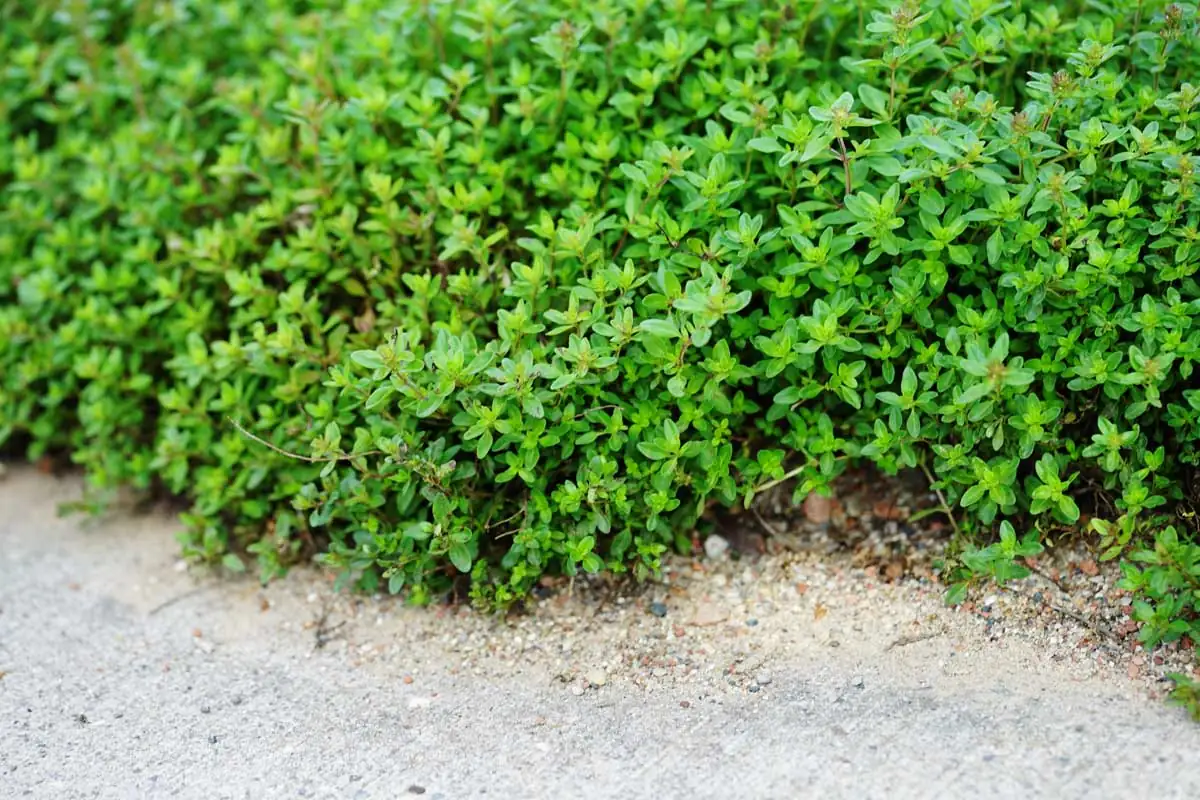
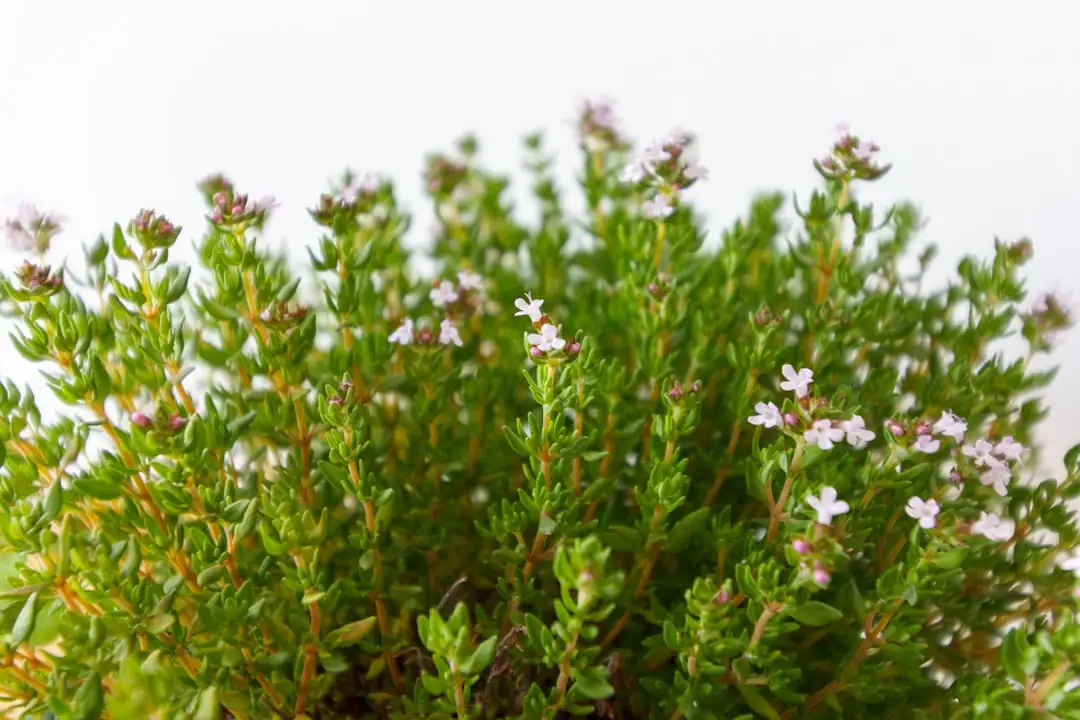
Picture this: a lush, low-growing carpet of thyme, its tiny leaves releasing a heady aroma every time you brush past. With its compact, bushy habit, thyme is an ideal candidate for edging paths or filling gaps between stepping stones. Its creeping stems and dense, mat-forming growth make it a perfect groundcover for sunny spots, where its pink to lilac flowers will attract bees and other pollinators throughout the spring and summer.
Creative Uses for Thyme in the Garden:
- Pathway Edging: Line garden paths with thyme for a fragrant walk. As you pass by, the gentle pressure of footsteps will crush the leaves slightly, releasing their aromatic oils into the air.
- Rock Gardens: Add thyme to a rock garden for a splash of greenery that thrives in the lean, well-drained soil it loves.
- Container Gardens: Plant thyme in containers for a mobile burst of greenery. It pairs beautifully with other Mediterranean herbs like rosemary and lavender.
Bringing Thyme Indoors for Year-Round Delight
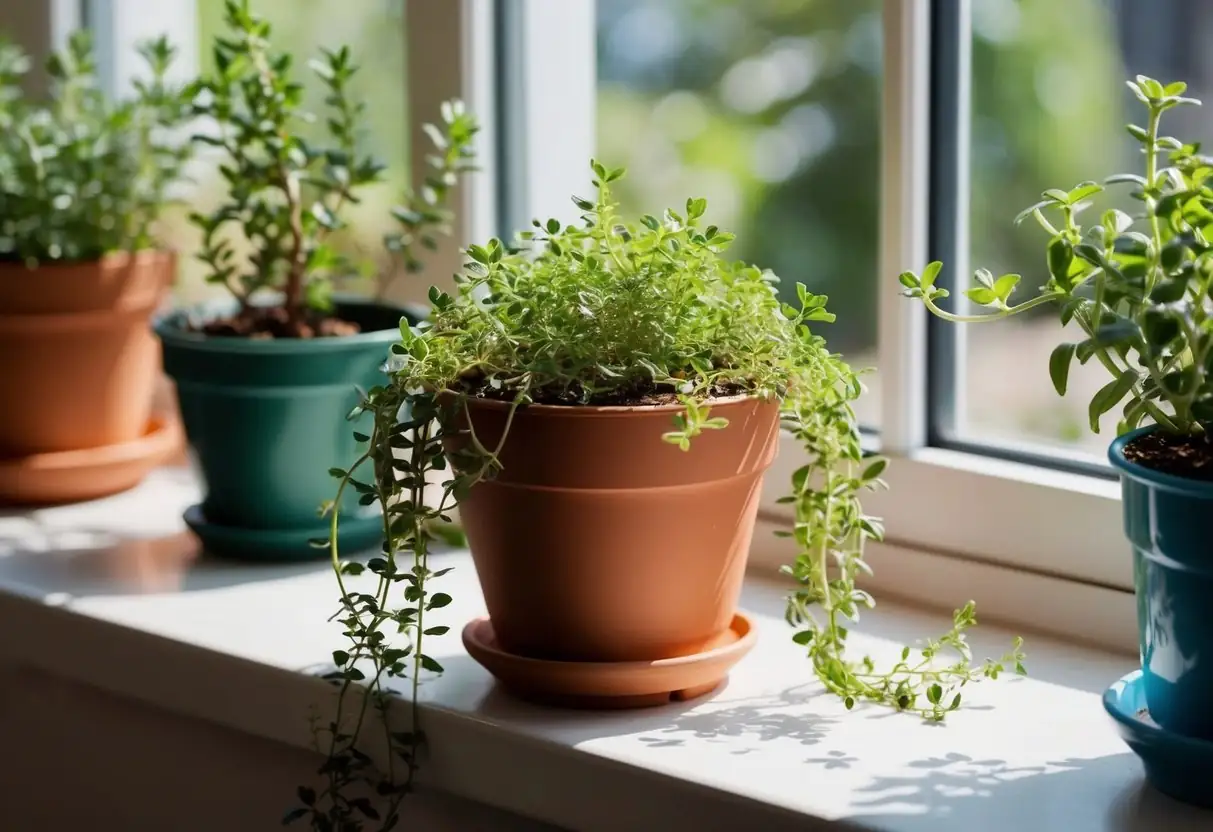
Thyme is not just an outdoor delight; it’s also a wonderful addition to indoor spaces. Its evergreen leaves and pleasing scent make it a delightful companion on a sunny windowsill. Plus, its hardy nature means it’s low-maintenance, perfect for those who love houseplants but don’t have a lot of time to care for them.
Indoor Thyme Decor Ideas:
- Windowsill Gardens: Create a mini herb garden on your kitchen windowsill. Thyme, with its rich green foliage, adds a pop of color and a fresh scent to your cooking space.
- Living Centerpieces: Use thyme as a living centerpiece for your dining table. Its compact size and lovely aroma create a welcoming atmosphere for guests.
- Fragrant Wreaths: Craft thyme into small wreaths to hang in your kitchen or bathroom. The natural oils in the leaves will freshen the air, and the wreaths add a touch of rustic charm.
Care Tips for Thriving Thyme
To keep your thyme thriving, remember its Mediterranean roots. It prefers full sun and well-drained soil, whether it’s in a pot or the ground. Water deeply but infrequently, letting the soil dry out between waterings. This drought-tolerant herb doesn’t like wet feet, so drainage is key.
- Sunlight: Aim for at least 6–8 hours of direct sunlight daily.
- Soil: Use a sandy or gritty mix to ensure excellent drainage.
- Watering: Water only when the top inch of soil feels dry.
A Symbol of Courage and History
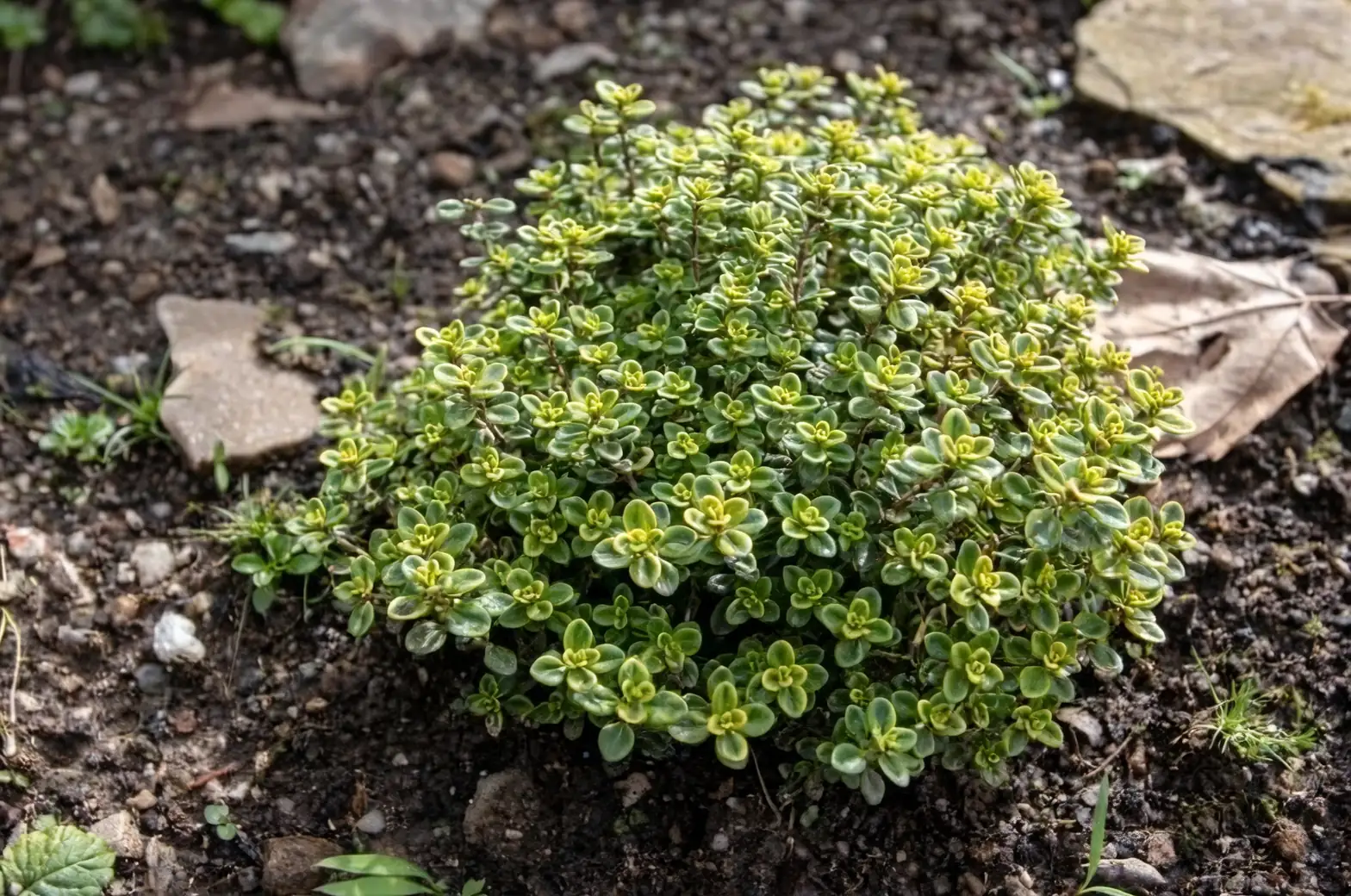
Thyme has been cherished since ancient times for more than just its culinary uses. In folklore, it symbolizes courage and strength. Knights in medieval Europe were often given thyme by their ladies for bravery in battle. This historical symbolism makes thyme not only a delightful addition to your decor but also a plant imbued with rich cultural significance.
Conclusion
Whether you’re looking to enhance your garden’s allure or bring some natural charm indoors, Thymus vulgaris is your go-to plant. With its aromatic leaves and hardy nature, thyme seamlessly blends utility with beauty, making it a timeless choice for any home or garden enthusiast. So go ahead, let thyme weave its way into your life—you’ll find it’s as indispensable as it is enchanting.


