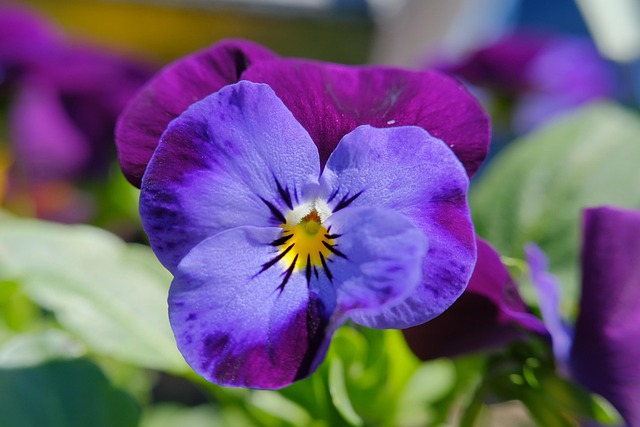
If ever a flower looked like it had something on its mind, it’s the pansy. Those velvety “faces” tilt forward as if pondering, and their very name is a love note to thinking: pansy comes from the French pensée—thought. From Shakespeare’s moonlit romances to Victorian tussie-mussies and today’s color-coded bouquets, Viola × wittrockiana has long been the blossom you send when you want someone to know they’re on your mind.
A name born of thought: from pensée to pansy
French speakers called the wild violet pensée because it suggested contemplation; English gardeners softened that to “pansy.” Its native European relative, Viola tricolor, gathered nicknames like souvenirs—Heartsease, Johnny Jump-Up, Love-in-Idleness—each hinting at small flowers with outsized feeling. That lineage matters: the modern garden pansy (Viola × wittrockiana) is a 19th‑century European hybrid born from V. tricolor and other Viola species, selected for bigger, bolder, more expressive blooms.
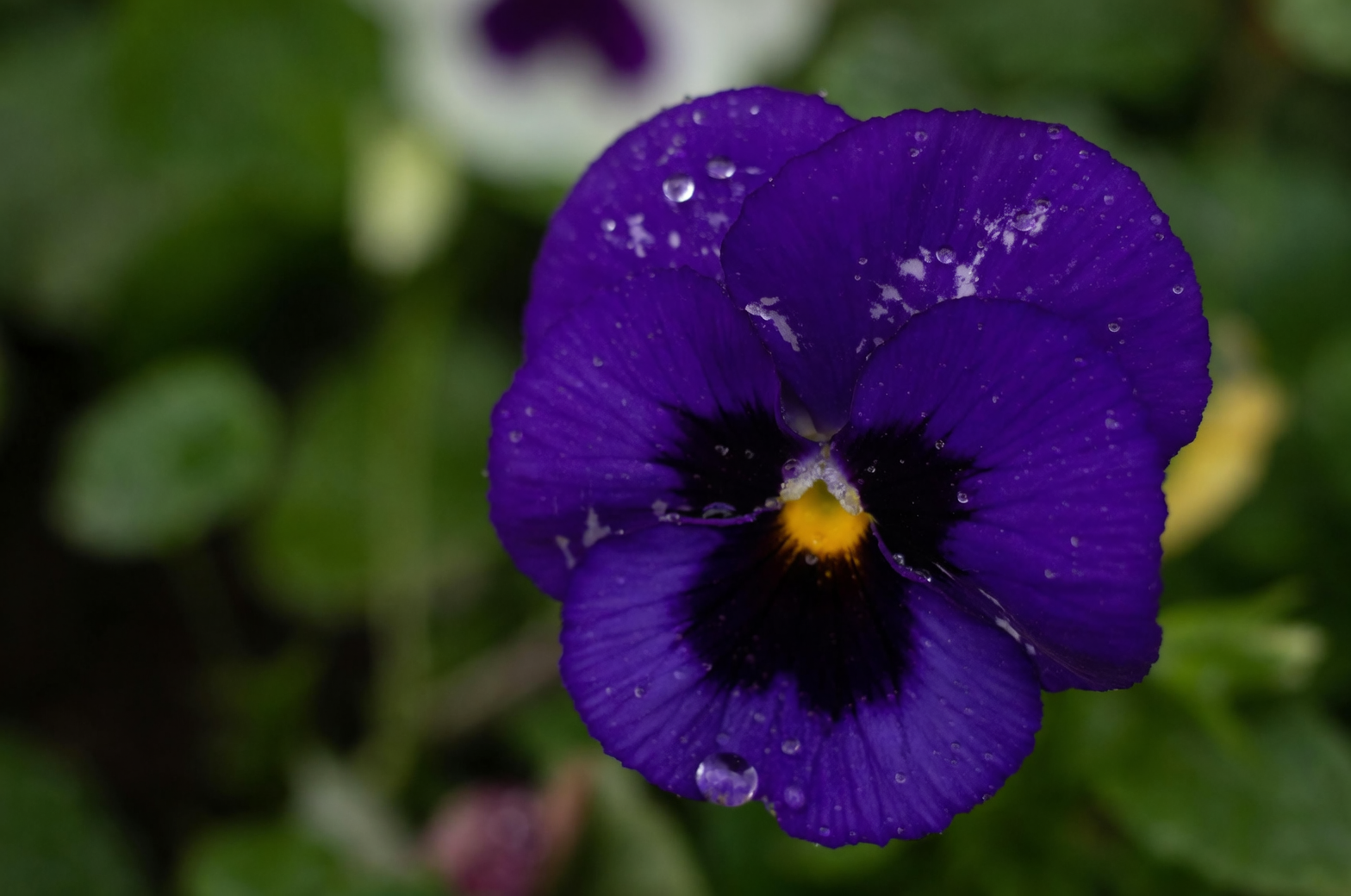
By the early 1800s, breeders coaxed those famous “faces” into prominence. In 1839, a landmark cross produced the now-classic three dark blotches—instantly legible expressions in the language of flowers. Within decades, pansy shows, specialty houses, and hundreds of named varieties swept through Europe.
Shakespeare’s romance with the pansy
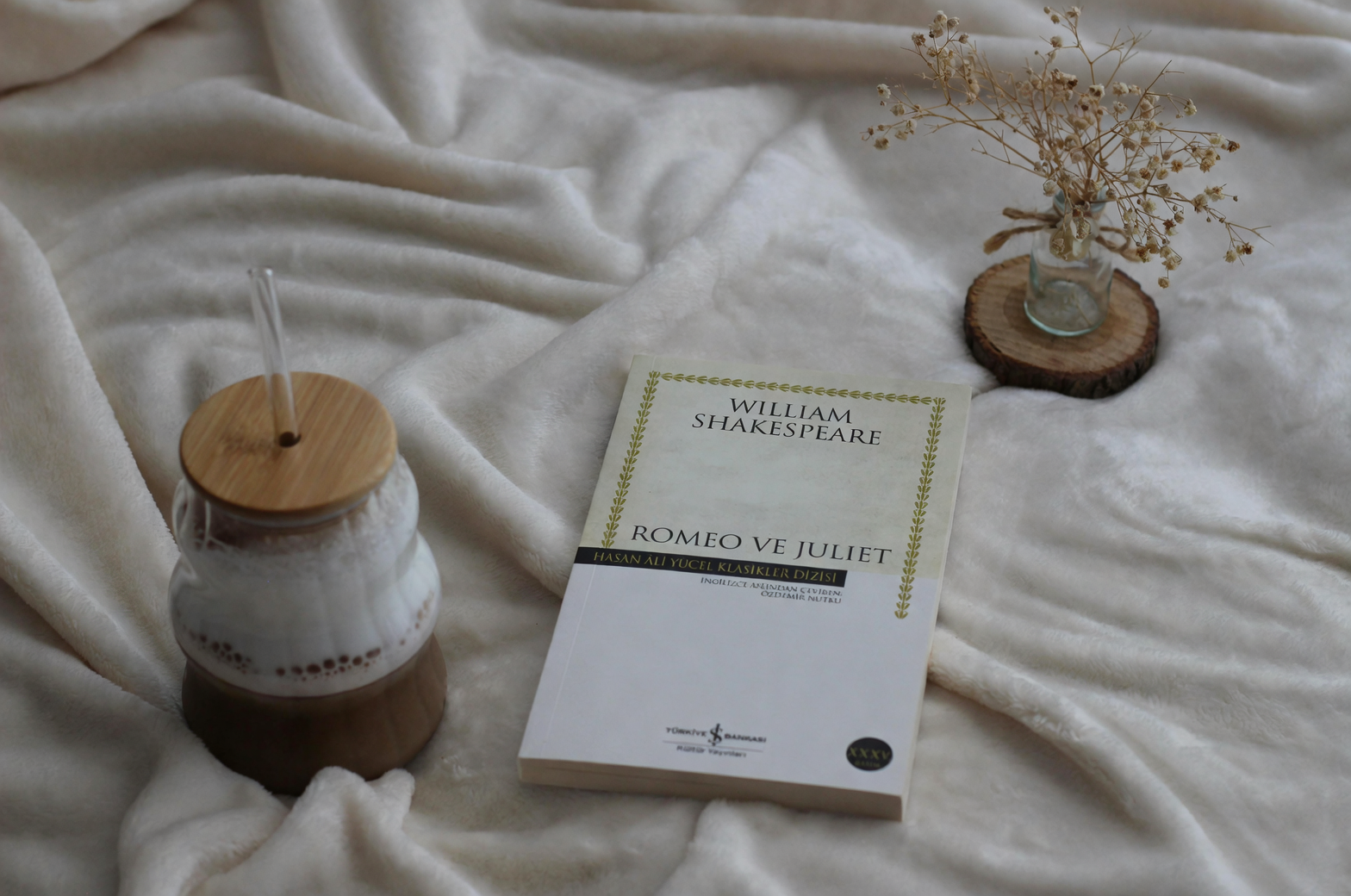
Long before the breeding craze, Shakespeare made the wild pansy a stage property of the heart.
- A Midsummer Night’s Dream: Oberon commands Puck to fetch “love-in-idleness”—the wild pansy—whose juice, dropped on sleeping eyes, makes the victim fall for the first soul they see. Desire, mischief, and a violet’s spell: the perfect midsummer cocktail.
- Hamlet: In her grief, Ophelia hands out flowers with meanings. “And there is pansies; that’s for thoughts.” The line doesn’t need a glossary—pensée echoes right through it.
Physicians of the era praised the little violet; poets and lovers used it. Once horticulture delivered showier pansy faces, Shakespeare’s association with love and thought only deepened.
Second only to the rose: pansies in Victorian floriography
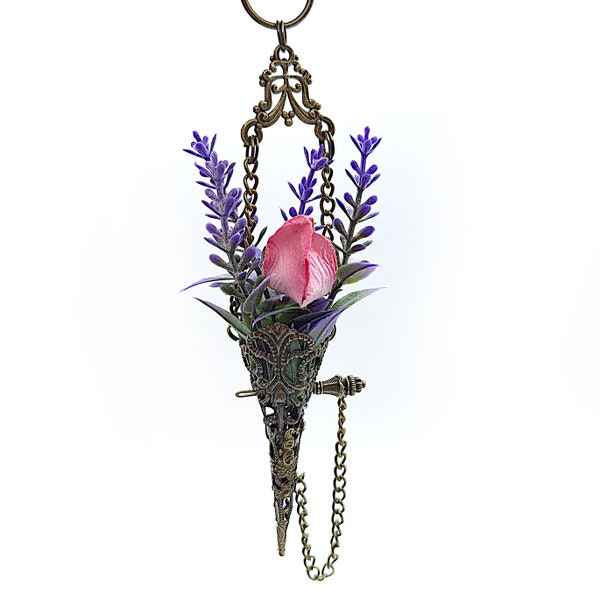
Victorians adored floriography—the secret code of blooms—and the pansy was a headliner. Tucked into doily-wrapped tussie-mussies, pansies telegraphed “I am thinking of you,” “You occupy my thoughts,” or, more daringly, “I think of you though I mustn’t.” Jewelers even set enamel pansies alongside the motto “pensez à moi” (think of me). The blossom became a badge of thoughtful affection, remembrance, and, in some circles, freethought—the right to think independently.
What pansies say: decoding the flower language
At its heart, every pansy carries two ideas:
- Thinking of you: remembrance, attentiveness, tender regard.
- Thoughtful love: often private, sometimes secret—feelings expressed softly rather than shouted.
Color-by-color gifting guide
Floral meanings have always wavered by culture and era, but these readings feel true to pansy tradition. When in doubt, pair your bouquet with a note so the message lands just right.
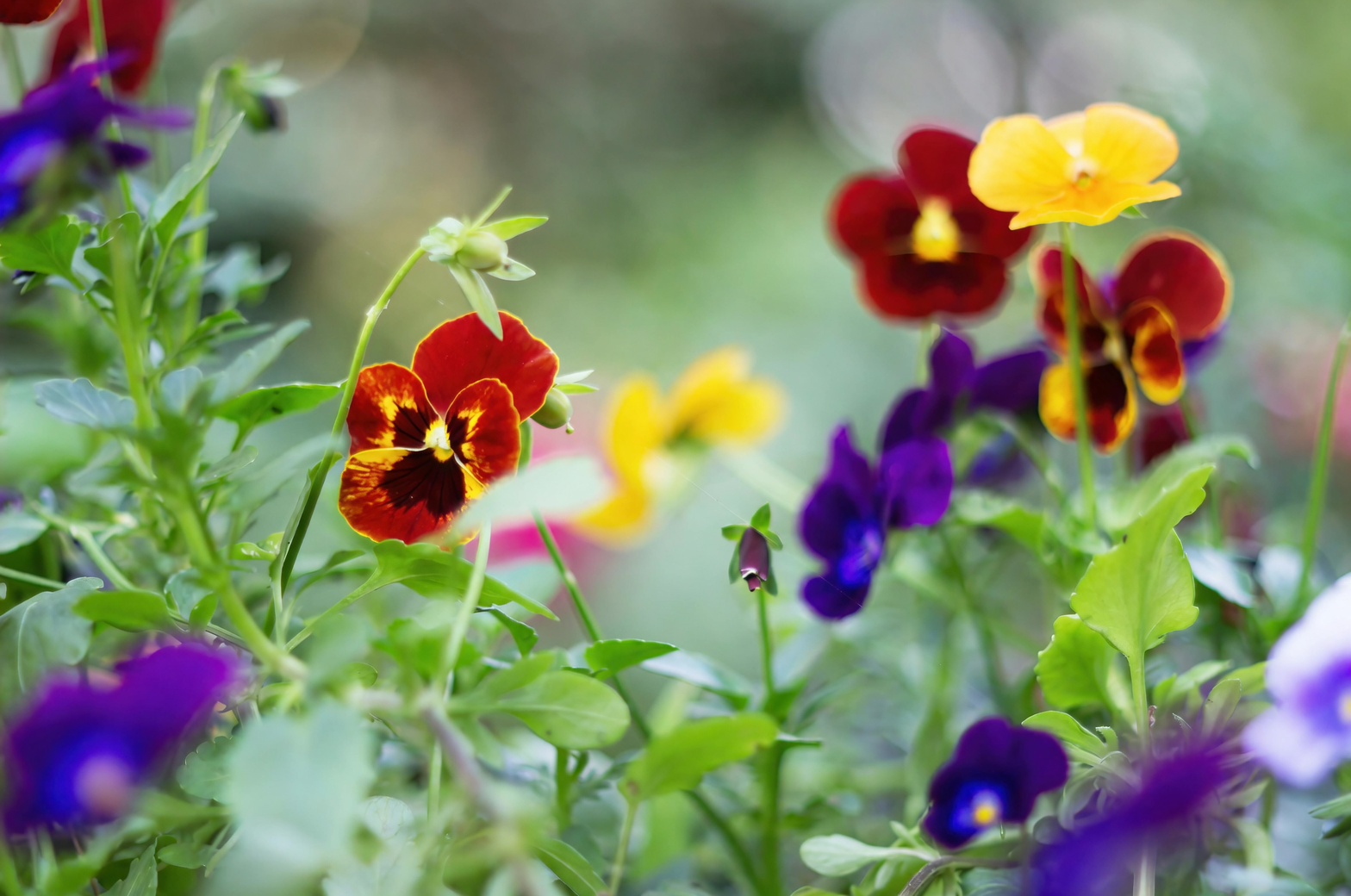
- Purple/deep violet: deep or silent love; faithful devotion; soulful remembrance.
- Blue: calm thoughts, loyalty, long-distance devotion; “you are my steady thought.”
- Yellow/gold: cheerful thoughts, encouragement, friendship. Note: some Victorian lists shaded yellow toward jealousy—today it’s more often sunshine and support.
- White/cream: pure thoughts, apologies, new beginnings; sympathy offered gently.
- Red/burgundy: ardent admiration; a romantic nudge that’s more velvet whisper than trumpet blast.
- Near-black/mahogany: mystery, protection, profound remembrance; a modern gothic-romantic flourish.
- Tricolor and bold “faces”: playful love, nostalgia, quickened attention—the classic “thinking of you.”
- Orange/apricot: enthusiasm, congratulations, creative spark.
How to give pansies now
- Small potted surprise: a mounding pot by a doorstep says “you matter to me” for weeks, not days.
- Tussie-mussie revival: gather pansies with rosemary (remembrance) or mint (warm regard), and add a card translating your floriography.
- Keepsake pairing: slip a pressed pansy in a note or gift a tiny enamel pansy charm with the inscription “think of me.”
- Edible sweetness: pesticide-free pansy petals make charming cake toppers and candied garnishes—an edible pensée for birthdays and anniversaries.
Occasions that suit pansies perfectly:
- Thinking-of-you moments: exams, recoveries, first days on new paths.
- Quiet romance: anniversaries, “just because,” long-distance milestones.
- Gentle remembrance: meaningful dates and memorials.
A quick botanical aside (for the plant‑curious)
- Who it is: Viola × wittrockiana, in the violet family (Violaceae); the modern garden pansy, bred in 19th‑century Europe from species including Viola tricolor. Its wild relatives are widespread in Europe, including England.
- The look: compact clumps about 15–25 cm tall with oval, often scalloped leaves and large, velvety flowers roughly 4–6.5 cm across—many sporting that unmistakable “face.”
- Season: a cool‑season champion—flowers in spring to early summer and again in fall, even through mild winters.
- Care in a sentence: bright light with afternoon shade in warm climates; fertile, well‑drained, consistently moist soil; steady cool temperatures (roughly 7–15°C for growth; many bloom best around 10–20°C); deadhead to keep the show rolling. Prolonged heat above ~25°C slows buds; many struggle around 29°C and up. Light frosts are usually fine, but around −5°C and below can cause damage, especially if cold lingers.
- Good to know: often grown as a cool‑season annual; flowers are widely used as edible garnishes when grown without pesticides. “Johnny Jump‑Up” often refers to the smaller‑flowered V. tricolor, a key parent and charming cousin.
A final pensée
The pansy’s genius is subtlety. It doesn’t shout like a rose or preen like an orchid. It simply meets your eye, leans in, and thinks with you—about love, about memory, about all the quiet attention that makes affection real. If you have something heartfelt to say and only a flower to say it with, a pansy will find the words.