

If a plant could taste like summer, Watermelon Peperomia would be it—those glossy, striped leaves look like chilled melon slices arranged in a tidy, living sculpture. Small enough for a windowsill yet bold enough to steal a “shelfie,” Peperomia argyreia has become a symbol of a new, digital-era flower language: freshness, playfulness, and abundance.
Meet the Watermelon Peperomia
- Scientific name: Peperomia argyreia (family Piperaceae; genus Peperomia)
- Origin: Native to northern South America, especially Brazil
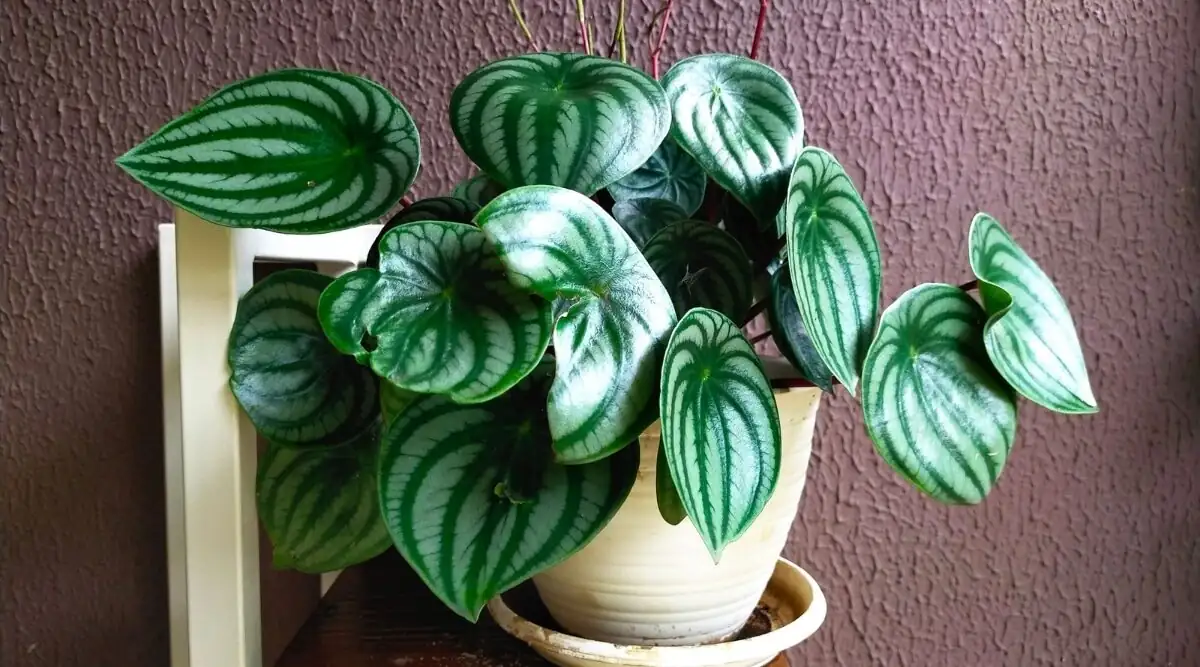
- Look and feel: Round to oval leaves with silvery bands over deep green—like mini watermelon rinds—held aloft on slim, often reddish petioles
- Size: Naturally compact—around 15–30 cm tall and wide; a neat, desk-friendly clump
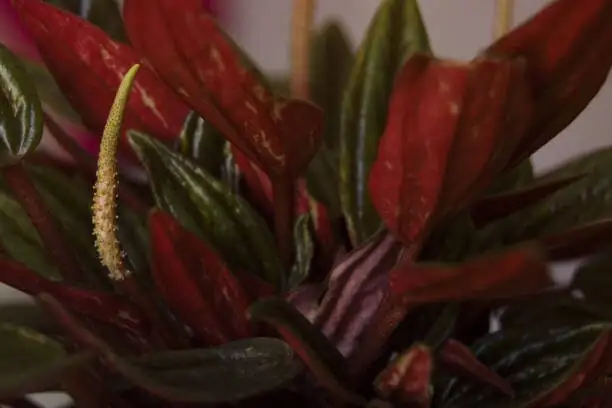
- Flowers: Slim, pale green to cream “rat-tail” spikes—interesting up close, but this plant is all about foliage
- Safety: Generally considered non-toxic to cats, dogs, and people
This is a plant designed for today’s spaces: crisp, sculptural, and small enough for shelves, bright north or east windowsills, or set back from hot south/west exposures.
A new “flower language” born online
Classical floriography (the Victorian “language of flowers”) didn’t write entries for Peperomia argyreia. Its meanings emerged much later—from houseplant culture, plant swaps, and social media. As images of those photogenic, watermelon-striped leaves flooded Instagram and TikTok, a contemporary symbolism took root:
- Freshness: The cool-toned, silvery striping reads as clean, bright, and revitalizing—visual shorthand for a reset.
- Playfulness: A compact, friendly silhouette with zippy patterns; it’s the desk mascot that invites double-takes and DMs.
- Abundance: Round leaves nod to “coins,” while easy leaf propagation makes it a natural for sharing—cuttings passed to friends, coworkers, and neighbors.
In other words, this plant’s “flower language” isn’t inherited tradition—it’s community-made meaning, shaped by visuals, sharability, and the way we live with plants now.
What the leaves say: Freshness, Playfulness, Abundance
Freshness
- Visual cues: High-contrast silver and green, glossy texture, evergreen demeanor.
- Emotional read: A clutter-clearing pop of cool—perfect near a laptop or morning coffee spot.
- Gifting message: “May each day feel new—crisp, clear, and bright.”
Playfulness
- Visual cues: Watermelon-like striping, oversized leaves on slender petioles, tidy mounded form.
- Emotional read: Cheerful, approachable, slightly whimsical—plants as conversation starters.
- Gifting message: “Keep your curiosity—and joy—alive.”
Abundance
- Visual cues: Coin-like leaves and lush clustering habit.
- Cultural cue: Leaf cuttings root readily; one plant becomes many, and sharing becomes a ritual.
- Gifting message: “May good things multiply—opportunities, ideas, and generosity.”
Feng Shui placement for modern homes
While Watermelon Peperomia’s symbolism is contemporary, it aligns naturally with Feng Shui principles associated with living green things.
- Element: Wood (growth, vitality)
- Best area: The Xun (Wealth & Abundance) sector—commonly the Southeast of a home or room
- Secondary support: East (Family/Health), where Wood energy is also nourished
Practical placement (blend good chi with good horticulture):
- Light first, then Bagua: Choose a bright, indirect spot—near an east window, a bright north window, or set back from south/west glass with a sheer curtain. After light needs are met, fine-tune to the Southeast of the room or desktop (upper left corner as you sit).
- Pot harmonics: Green or earthy brown tones and softly rounded or oval shapes pair well with Wood energy.
- Keep energy moving: Avoid soggy soil and stagnant corners; ensure gentle airflow, empty saucers after watering, and rotate the plant for even growth.
- A note on bathrooms: Many practitioners avoid placing “wealth” plants there, symbolically guarding abundance from being “washed away.” If the bathroom is your best-light spot, keep the plant elevated, healthy, and vibrant to counter that symbolism.
Feng Shui results vary by space and practice. Let the plant thrive first—vitality is the strongest chi enhancer.
Gift-giving significance
- For housewarmings: A compact, stylish welcome that fits small apartments and brightens shelves.
- For new jobs and promotions: Freshness for a clean slate; abundance for momentum; playfulness to keep stress soft.
- For creative teams: A photogenic mascot of curiosity and flow.
- For pet parents: A beautiful, generally pet-safe choice.
Elevate the gift
- Size sweet-spot: A 10–12.5 cm pot keeps it elegant and office-friendly.
- Add a propagation note: Include one healthy leaf cutting and a tiny bag of airy mix—sharing abundance in action.
- Message to tuck in: “Wishing you days that feel fresh, work that stays playful, and opportunities that keep multiplying.”
Care notes that keep the message crisp
A thriving Watermelon Peperomia amplifies its symbolism. Think “bright and breezy,” not “full sun and soggy.”
- Light: Bright, indirect light to part shade. Avoid harsh midday sun that can scorch or fade leaves; in winter, give brighter light while still avoiding strong direct rays.
- Water: Water thoroughly, then let the top of the mix dry before watering again. Rough guide—about weekly in spring–summer, every two weeks in winter (adjust to your light and temperature). Never leave it sitting in water.
- Soil and pot: A loose, fast-draining mix (houseplant blend with perlite or coarse sand) in a pot with drainage. The plant prefers being slightly pot-bound.
- Temperature and humidity: 15–24°C is ideal; protect from cold drafts and temperatures below about 10°C. Adapts to average indoor humidity; in very dry air, use a pebble tray and maintain gentle airflow.
- Feeding: During active growth, feed monthly at half strength—or more lightly every two weeks in peak season. Go easy on nitrogen to keep the striping sharp.
- Pruning and shaping: Minimal. Remove yellowing leaves at the base and pinch leggy bits to maintain the plant’s neat mound. Healthy leaves make great propagation material.
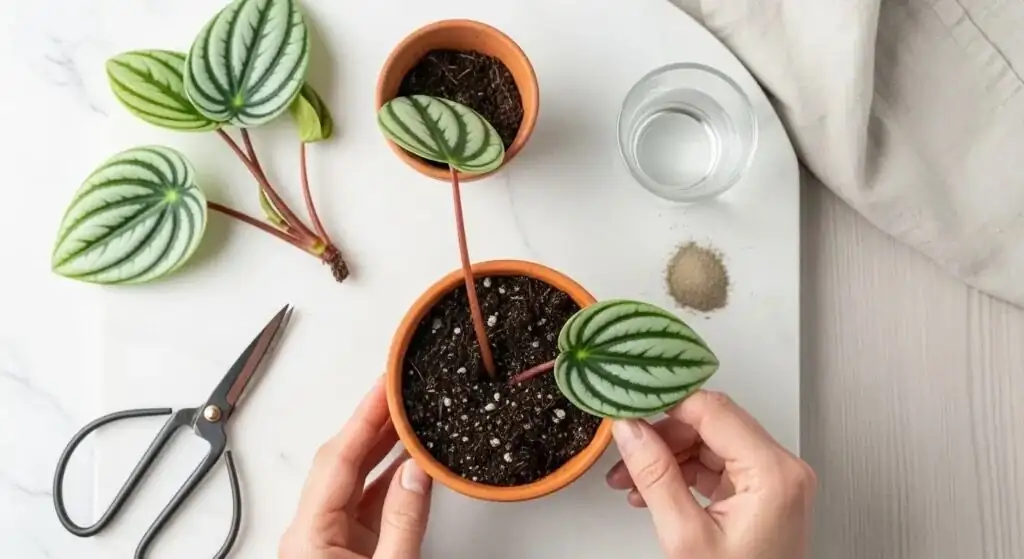
- Propagation: In spring or summer, take a mature leaf with a 1–2 cm petiole. Insert the petiole and about one-third of the leaf into a lightly moist, airy medium. Roots typically form in 3–4 weeks; plantlets follow in 4–6.
- Pests and problems: Watch for mealybugs, scale, spider mites, and whitefly—most often in warm, dry air. Treat early with insecticidal soap or horticultural oil. Overwatering is the fastest way to root rot; keep the mix airy and let the surface dry between drinks.
Cultural context: how a desk plant became a modern icon
Peperomia argyreia doesn’t arrive trailing centuries of myth; its story is now. As a native of northern South America (especially Brazil) adopted into global interiors, it found fame not in gardens but on windowsills, work-from-home desks, and social feeds. The “watermelon” look photographs beautifully, the plant stays compact, and its leaves are easy to share—perfect conditions for a digital-age language of plants to form.
If Victorian floriography gave us roses for love and lilies for purity, modern houseplant culture offers Watermelon Peperomia for freshness, playfulness, and abundance—a message not pressed in old books, but grown through everyday living, gifting, and the quiet joy of new leaves unfolding.