


If you work long hours, travel often, or simply want greenery that never nags, meet the foliage equivalent of a reliable coworker: the cast-iron plant. Aspidistra elatior asks for little, looks tailored in every season, and shrugs off dim offices, dry radiators, and busy rental life—all while being non-toxic to pets and people.
Meet Aspidistra elatior (Cast-Iron Plant)
- Botanical basics: Aspidistra elatior, family Asparagaceae; also called “cast-iron plant,” “bar-room plant,” or simply “Aspidistra.”
- Origin: Native to Japan (especially the Ryukyu Islands) and Taiwan; now a beloved houseplant worldwide.
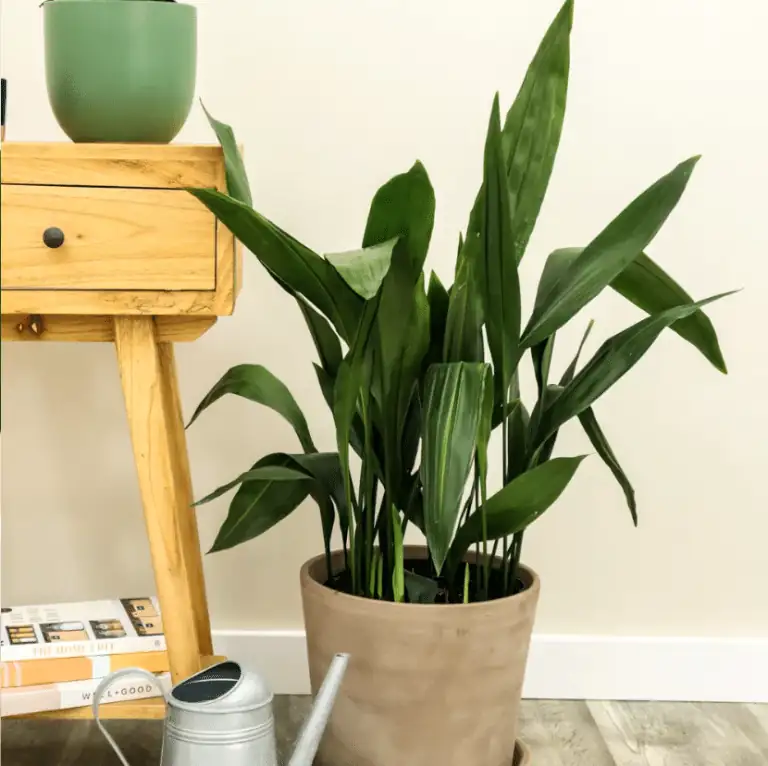
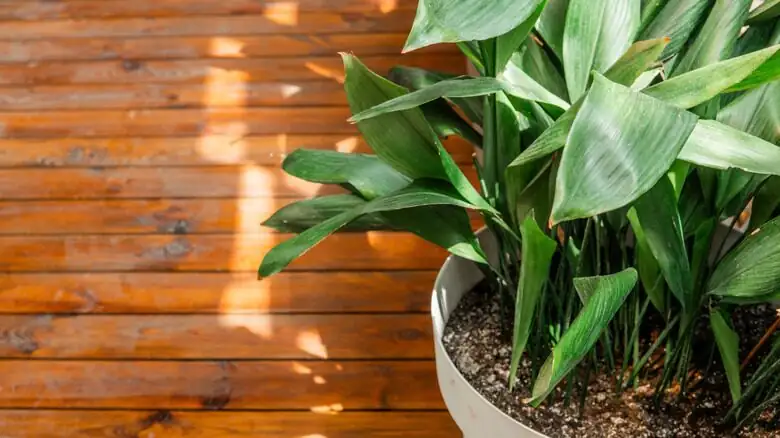
- Look and size: Slow-forming clumps of long, leathery, arching leaves—classic deep green or variegated with creamy stripes/speckles. Typical indoor size about 60 × 60 cm (24 × 24 in).
- Stealth flowers: In late winter to spring, small bell-shaped blooms appear at soil level in brownish-purple hues—so discreet you might miss them indoors.
Why it’s perfect for offices and rentals
- Shade savvy: Thrives from partial shade to full shade; bright, indirect light is fine, but harsh direct sun bleaches leaves. Great for dim corners and hallways.
- Forgiving with water: Likes a drink when the surface of the mix has dried, and less in winter. It really dislikes waterlogged soil—keep it draining freely.
- Low-humidity champ: No misting needed. It stays handsome in average (even dry) indoor air.
- Cool-headed and adaptable: Prefers cooler rooms on the 5–20°C (41–68°F) side, tolerates cooler spells, and does just fine in typical conditioned interiors when kept away from hot blasts.
- Pet- and people-safe: Commonly regarded as non-toxic to cats, dogs, and humans.
- Calm, tidy growth: Slow-growing, clump-forming, and well-behaved—perfect for rentals and offices where you want stability, not a jungle.
Placement playbook for tricky spaces
Dim corners and low-light nooks
- Choose spots with little to no direct sun—internal offices, hallways, north-facing rooms, or away from bright windows.
- Overhead LED/fluorescent office lighting is generally enough. In very dull corners, place it where ambient light bounces (beside a light-colored wall or near a floor lamp).
- Rotate the pot a quarter turn monthly to keep clumps even.
- Variegated cultivars appreciate brighter indirect light than solid green types, but still avoid harsh sun.
Near radiators and vents
- Keep at least a forearm’s length from radiators, heaters, or hot-air vents to prevent leaf scorch and rapid soil desiccation.
- Expect soil to dry faster in heating season—check the surface more often, but only water once it’s dry on top.
- No need to boost humidity; just focus on proper watering and good drainage.
Windows with strong sun
- East windows are usually fine a few feet back. South/west exposures need shielding (sheer curtain) or deeper placement in the room to avoid leaf bleaching.
Travel-proof, set-and-forget routine
Potting mix and container
- Use a loose, well-draining mix. A practical, rental-friendly recipe:
- 1:1 blend of standard potting soil and a multi-purpose mix
- Add perlite if needed to keep it airy
- Pot size: 12.5–20 cm (5–8 in) suits most plants; upsize slowly.
- Always choose a pot with a drainage hole. If using a decorative cachepot, empty the saucer/cache of excess water after each watering.
Watering rhythm you can trust
- Water when the surface of the mix has dried to the touch. In winter, water less often.
- Give a thorough soak, then let excess drain completely. Never let the pot sit in water—this plant dislikes soggy feet.
- Before a trip: Water deeply, move the plant a little farther from bright windows, and group it with other plants to slow evaporation.
- Self-watering option: A wick-based self-watering pot or capillary mat can help during longer absences. Keep the reservoir modest and allow the mix to approach surface dryness between refills to avoid waterlogging.
Feeding and repotting
- Feed monthly at half strength from spring through late summer with a balanced liquid fertilizer. Skip in autumn/winter.
- Repot every 2–3 years, moving up just one pot size to keep roots comfy but not swamped.
Easy upkeep for an always-polished look
- Pruning: Snip yellowing or damaged leaves cleanly at the base. That’s it.
- Cleaning: Wipe dust from leaves with a soft damp cloth to restore that quiet shine.
- Pests and health: Generally trouble-free. In very dry, still air, watch for scale, mealybugs, and spider mites. Treat early and ensure the soil never stays wet to avoid root rot.
Office and rental life: workflows that work
A 5-minute monthly checklist
- Week 1–3: Check the soil surface; water only when it’s dry on top.
- Month’s end (spring–late summer): Feed at half strength.
- Quarterly: Wipe leaves, rotate the pot, and peek under leaves for pests.
- Every 2–3 years: Repot one size up.
Moving day or desk shuffle
- Water lightly a few days before moving so the pot isn’t heavy or drippy.
- Transport upright; the sturdy leaves and rhizomes tolerate a normal jostle.
- In a new space, keep it out of intense sun and resume the same low-fuss routine.
Styling notes
- Solid green forms bring a classic, executive calm to reception areas and conference rooms.
- Cream-striped or speckled cultivars add subtle pattern without visual clutter.
- Pairs beautifully with matte ceramic planters in neutrals; place in threes for modern rhythm in large lobbies or living rooms.
Buying guide (what to look for)
- Choose plants with firm, upright leaves and healthy-looking crowns (the base where leaves emerge).
- Avoid pots that smell sour, feel constantly wet, or show multiple yellowing leaves—possible signs of overwatering or early root rot.
Outdoors, if you have the option
- In mild climates (USDA Zones 8–11), Aspidistra can be grown outside in shade as a tough, evergreen groundcover. Protect from severe freezes.
Flower language and lore
- Endurance and resilience are Aspidistra’s calling cards—associations born from centuries of thriving in low light and bouncing back from neglect.
- Its Victorian-era nickname, “bar-room plant,” comes from a time when it endured smoky, dim interiors that felled fussier species. Even its flowers are humble—earth-toned bells at soil level—emphasizing substance over show. In a world of flashy blooms, Aspidistra’s “language” says: stay steady, keep going, and look good doing it.
FAQ
Is the cast-iron plant good for beginners?
Yes—one of the most forgiving houseplants, especially where light is low.
How much light does it need?
Partial shade to full shade is ideal. Bright, indirect light is fine; avoid strong direct sun.
How should I water it?
Water when the surface of the mix feels dry; water less in winter. Never let the pot sit in water and avoid waterlogging.
When should I fertilize?
From spring through late summer, feed monthly with a balanced liquid fertilizer at half strength.
When should I repot, and what pot size should I use?
Repot every 2–3 years, moving up just one pot size. A 12.5–20 cm (5–8 in) pot is usually sufficient.
—
Cast-iron by name, cast-iron by nature: Aspidistra elatior is the office ally and rental-room roommate that makes you look like a green-thumbed pro—without needing you to be one.