

If your office plants tend to live on missed meetings and long weekends, meet the cast-iron plant, Aspidistra elatior. It’s the quiet professional of the plant world—unfussy, shade-loving, and content to look good between waterings. Place it once, set a minimalist routine, and let it anchor your space with an easy, enduring calm.
Meet Aspidistra elatior (aka Cast-Iron Plant)
- What it is: A clump-forming evergreen perennial in the Asparagaceae family, native to Japan (especially the Ryukyu Islands) and Taiwan.
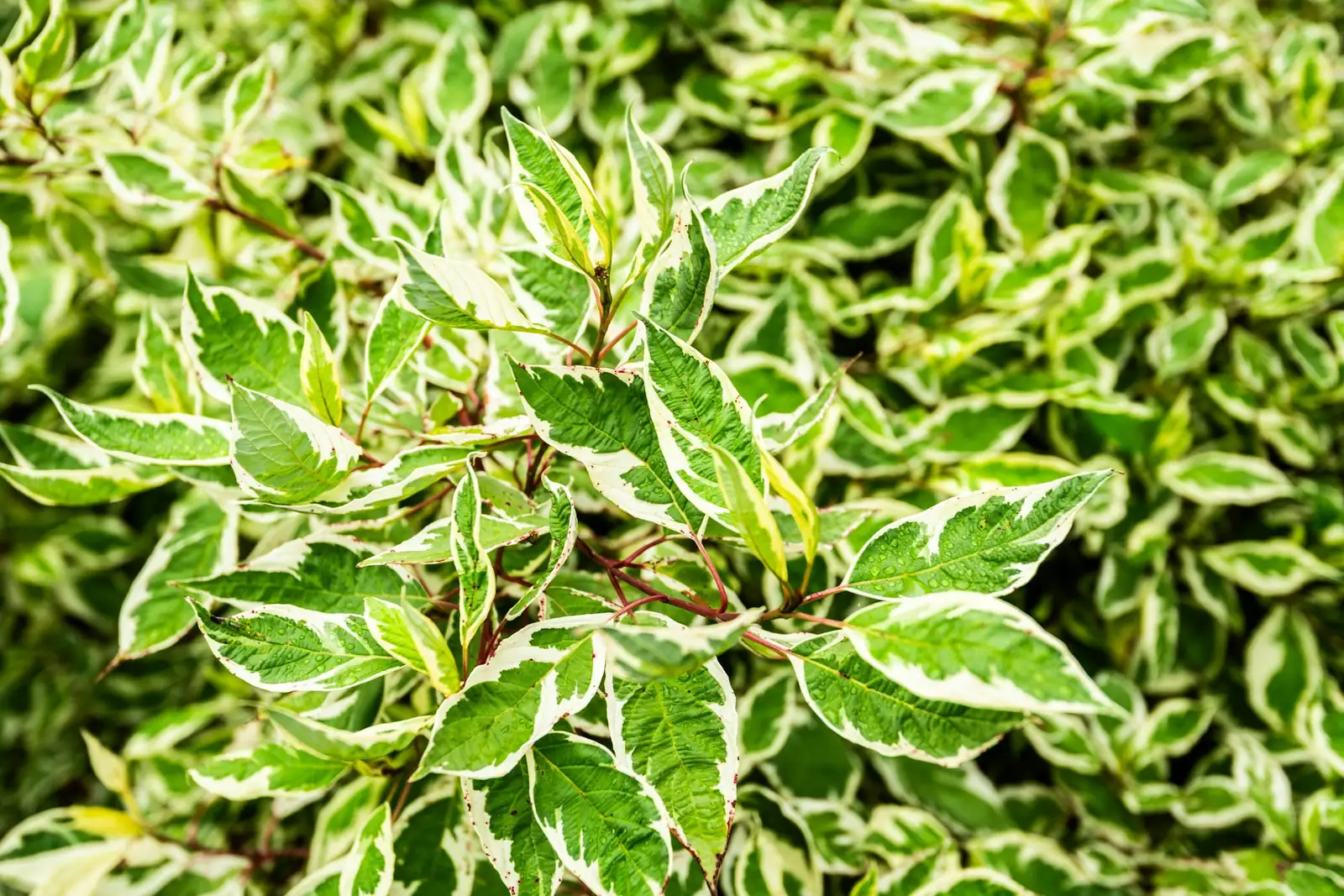
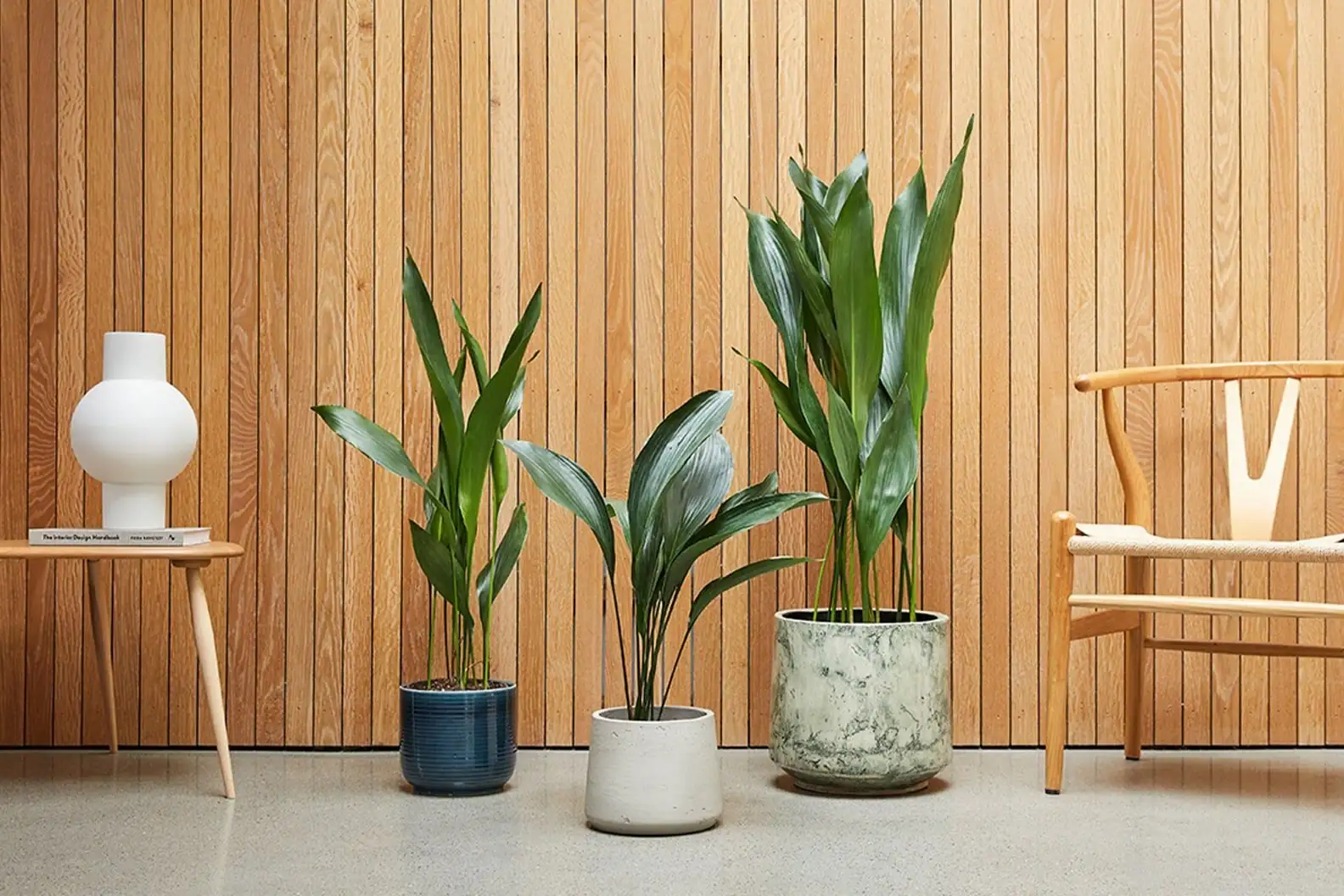
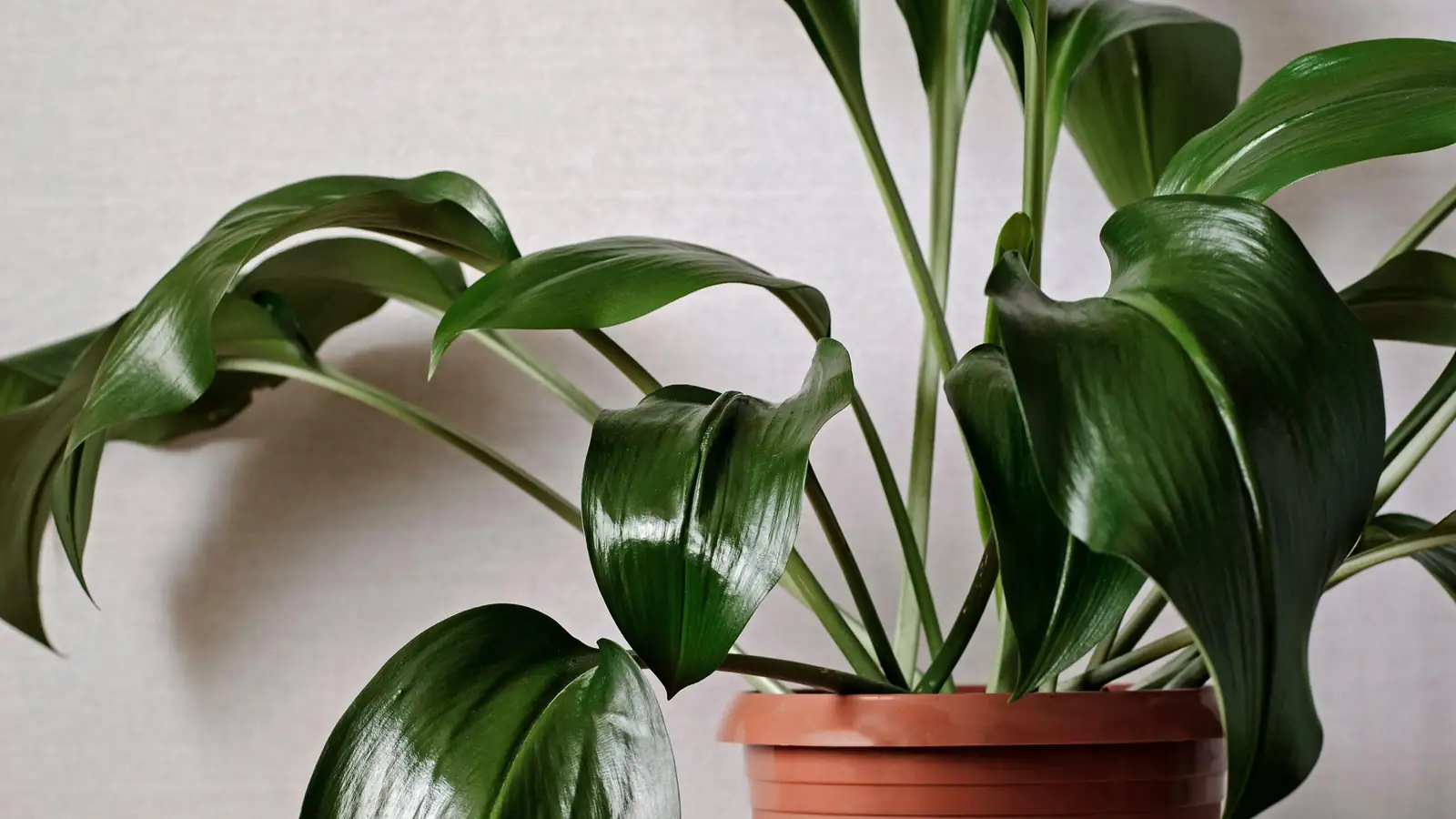
- Look and size: Long, leathery, arching leaves in deep green; some cultivars wear creamy stripes or speckles. Grows to about 60 × 60 cm (24 × 24 in) indoors.
- Personality: Exceptionally shade-tolerant, low-humidity tolerant, and beginner friendly. Its little brownish‑purple flowers sit at soil level and are easy to miss.
- Safety: Commonly regarded as non-toxic to people, cats, and dogs.
Where to put it: Office placements that just work
Light rules of thumb
- Sweet spot: Partial shade to full shade.
- Bright, indirect light is fine; avoid strong, direct sun that can scorch leaves.
- Ideal for dim rooms, hallways, meeting rooms without windows, or shaded corners that defeat fussier plants.
Easy distance cheat-sheet
- North- or east-facing windows: 0.5–3 m (1.5–10 ft) back from the glass.
- South- or west-facing windows: 2–5 m (6–16 ft) back, or behind a sheer curtain, wall, or column.
- Fluorescent/LED-only spaces: Totally acceptable—Aspidistra thrives under consistent ambient light.
Temperature and drafts
- Prefers cool-to-moderate conditions around 5–20°C (41–68°F) and tolerates cooler spells. Protect from hard frost and avoid blasts from heaters or hot air vents.
Scale it to the spot
- A 12.5–20 cm (5–8 in) pot is typical; use floor planters for lobbies, or place on credenzas and shelves to soften hard lines without blocking sightlines.
Ultra-simple maintenance for long gaps between waterings
Watering that fits a busy calendar
- Core rule: Water when the surface of the potting mix has dried. Reduce in winter.
- In real offices, this often means every 2–3 weeks (sometimes longer in low light and cool rooms).
- How to water:
- Carry to a sink, soak thoroughly until excess drains, then return to an empty cachepot or saucer. Never let the pot sit in water.
- If traveling, use a capillary mat or a self-watering insert that keeps the root zone above the reservoir—still never waterlog the mix.
- Signs to watch:
- Yellowing leaves: typically from overwatering or persistently wet soil.
- Crispy tips: often prolonged dryness or mineral buildup; flush the soil and return to the “dry surface, then water” rhythm.
The right soil and pot setup
- Mix: Loose, well-draining potting media. A practical option is a 1:1 blend of standard potting soil and a general multi-purpose mix, kept airy (add perlite if needed).
- Pot: Ensure a drainage hole. Decorative outer pots are fine—just keep them dry between waterings.
Feeding, prunes, and polish
- Fertilizer: Monthly at half strength from spring through late summer. Skip fall and winter.
- Pruning: Minimal. Snip yellowed or damaged leaves cleanly at the base.
- Leaf care: Dust with a soft, damp cloth to restore that understated sheen.
Repotting and rhythm
- Every 2–3 years is plenty. Move up a single pot size—crowded roots help prevent overwatering.
- Size guide: Most plants are happy long term in that 12.5–20 cm (5–8 in) range.
Biophilic design moves for the modern workspace
- Corner anchors: Use cast-iron plants to green “dead zones” where light is low—between printer alcoves, hallways, or behind glass partitions.
- Calm textures: Pair the deep green leaves with natural woods, charcoal textiles, and matte ceramics for visual rest in high‑stimulus spaces.
- Layered greenery: Combine with upright forms (e.g., a palm or dracaena in brighter spots) to create soft height gradients from dark corners to windows.
- Wayfinding and privacy: Line several Aspidistras along traffic edges or meeting room exteriors to define paths and gently buffer sound.
- Brand-friendly pots: Variegated cultivars pop in clean white or stone planters; classic green reads refined in bronze, black, or forest tones.
Troubleshooting at a glance
- Fading or pale leaves: Usually too little light or aging foliage; move slightly closer to bright, indirect light (still no harsh sun) and remove tired leaves.
- Mushy crowns or sour smell: Waterlogging—improve drainage, space waterings, and empty saucers.
- Pests (uncommon but possible): Scale, mealybugs, or spider mites in dry offices. Wipe with a damp cloth, spot-treat with cotton swabs dipped in isopropyl alcohol, and keep air gently moving.
Propagation for the office plant library
- Best by division during repotting: Separate rhizome sections with roots attached and pot individually. Instant “new plants” for colleagues’ desks.
Safety and well-being notes
- Non-toxic reputation makes it a stress-free choice around pets and people.
- Low maintenance and a calm, durable form support a restorative, biophilic feel in spaces that can’t host fussy plants.
Quick office FAQ
- How much light does it need?
- Partial shade to full shade is ideal; bright, indirect is fine. Avoid strong direct sun.
- How should I water it?
- Water when the surface of the potting mix feels dry. Water less in winter and never leave the pot standing in water.
- When do I fertilize?
- Monthly at half strength from spring through late summer.
- When do I repot?
- Every 2–3 years, up one pot size only. Most plants are happy in 12.5–20 cm (5–8 in) pots.
- Will it flower indoors?
- It can, but the small brownish‑purple, bell-shaped blooms appear right at soil level and are often hidden by leaves.
Symbolism and a tiny legend
- Endurance and resilience: The plant earned its “cast‑iron” nickname by thriving in low light and bouncing back from occasional neglect—qualities celebrated since Victorian times, when it also survived smoky, dim interiors as the “bar‑room plant.”
- Flower language, thoughtfully: While modern “flower language” attributions are loosely applied, Aspidistra’s cultural meaning is less about showy blooms and more about steady presence—quiet strength, reliability, and composure under pressure. In the office, that translates perfectly: a plant that looks composed no matter what your calendar throws at it.
Set it in a shaded corner, water when the surface dries, feed lightly in the growing season—and enjoy a timeless, low-effort green anchor that makes every workday feel a little more human.