

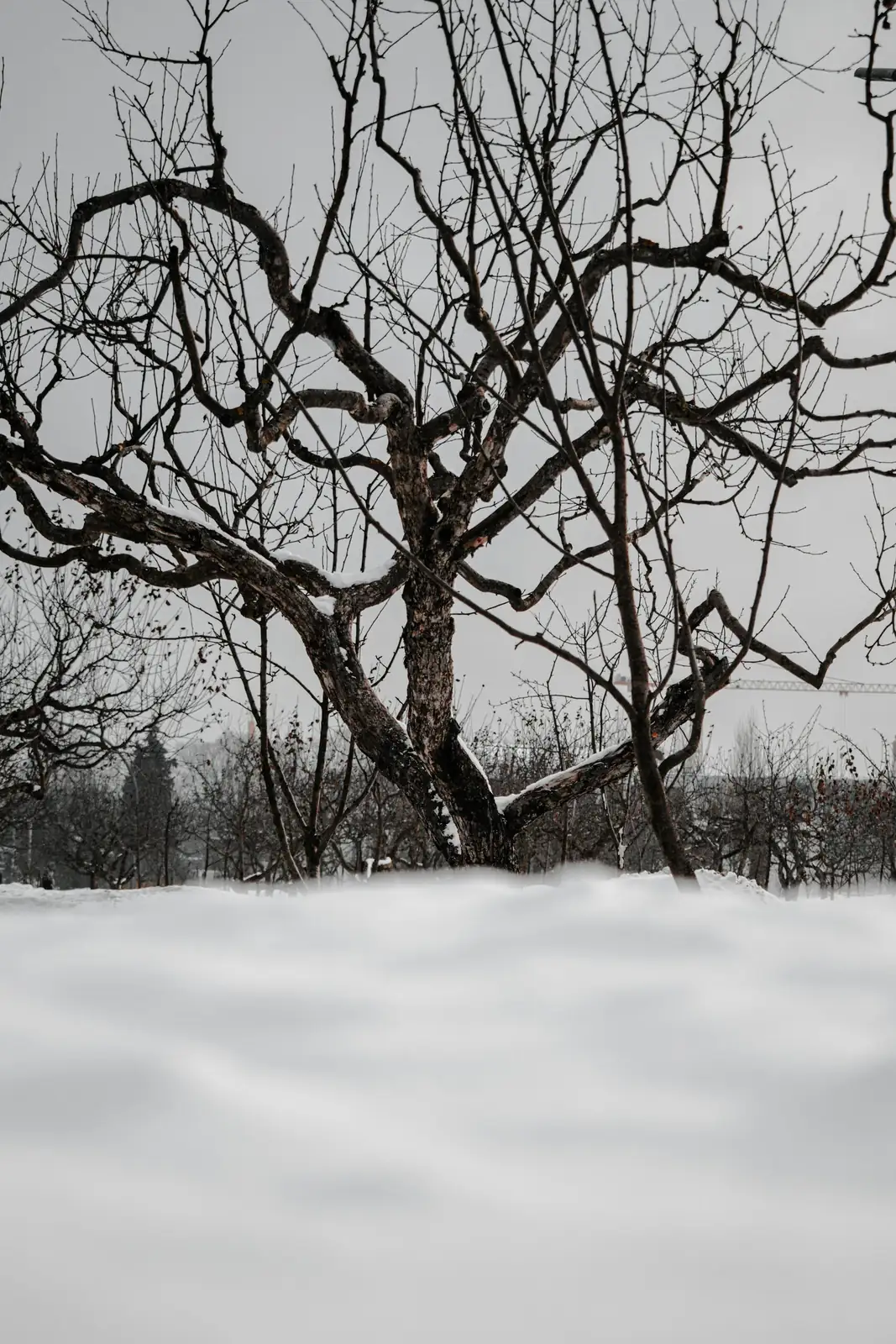
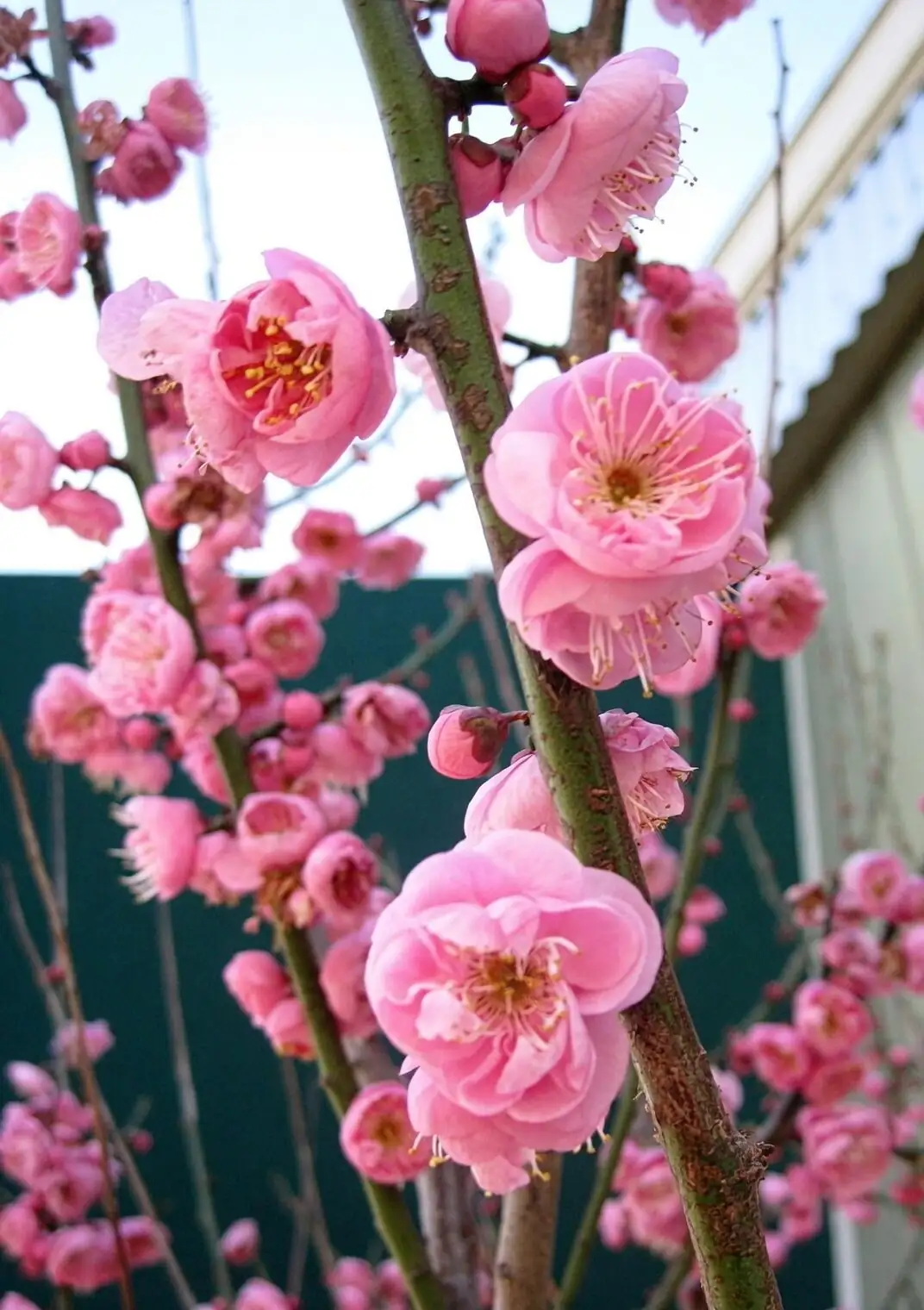
Breathe in: that rich, spicy perfume in the still-cold air is Prunus mume—Japanese apricot, Chinese plum, ume—throwing open its flowers on bare wood while most plants still dream. Want that dense, even fireworks show every winter? The secret is a quick, decisive pruning session right after bloom. Think of it as a fast, visual clinic: three moves, a few minutes, and next year’s buds are already in the bank.
Meet Prunus mume, the winter showstopper
- What it is: A woody shrub to small tree in the rose family (Rosaceae) with elegant branch structure, intensely fragrant blooms from winter into early spring, and a strong response to training—fantastic in gardens, pots, or as bonsai.
- Best conditions: Full sun (aim for 6+ hours), cool air during flowering, and excellent drainage. Consistent—not soggy—moisture during growth and bud-setting seasons. Many cultivars handle winter lows near -10°C (14°F).
- Why timing matters: Next year’s flower buds are “decided” soon after bloom. Pruning immediately afterward tells the plant where to stack those plump buds.
The fast pruning clinic: three core moves
Do this right after the last petals fall.
1) Cut back the spent one-year shoots hard
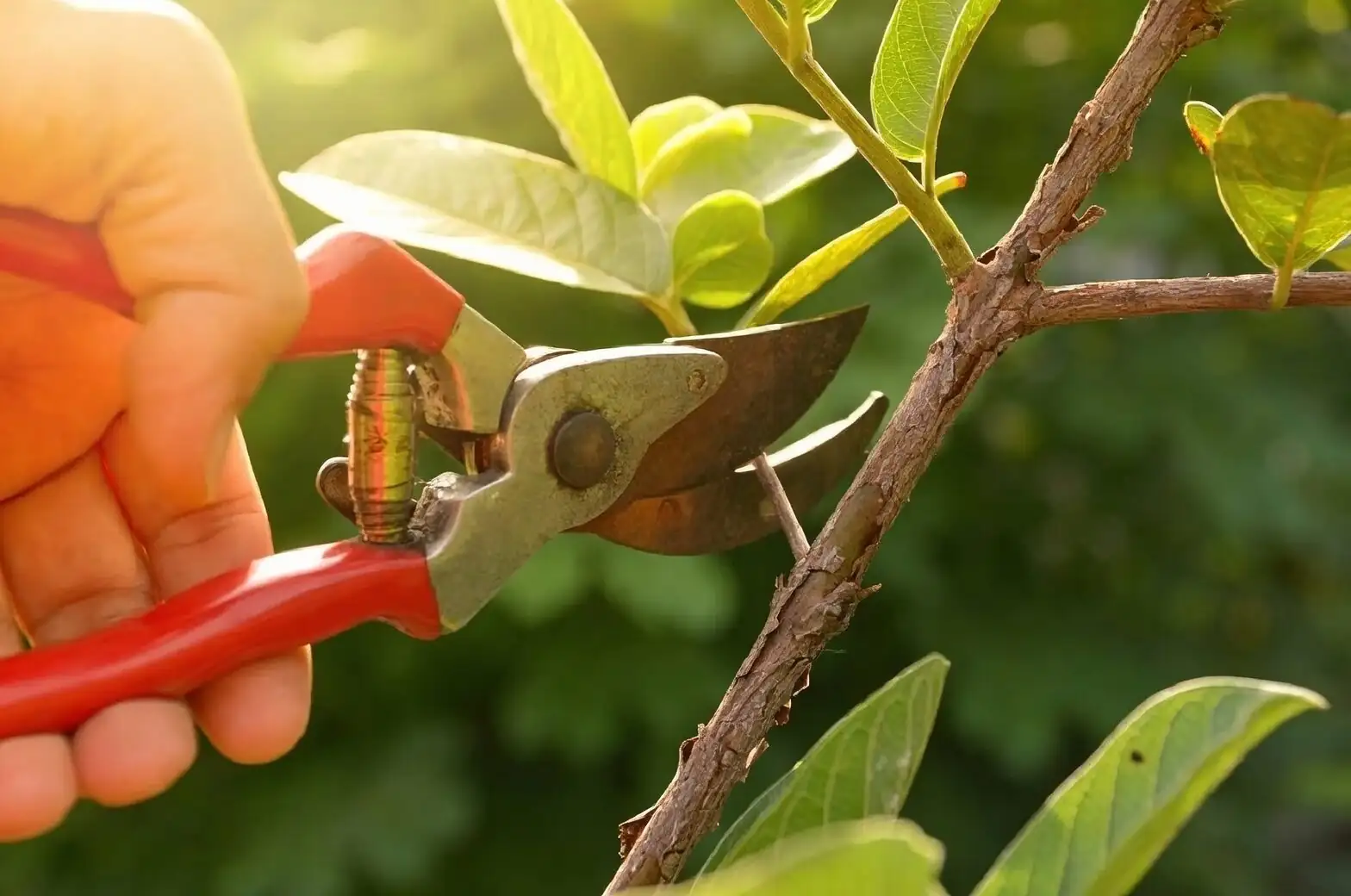
- What to find: One-year shoots are last season’s growth—often slimmer, smoother, and dotted with spent flower stalks. They arise from older framework wood.
- What to do: Shorten each flowered one-year shoot to about 1–2 cm (0.4–0.8 in), leaving roughly 2–3 buds at the base.
- Why it works: Those remaining buds will form compact, flower-rich spurs instead of lanky, leafy growth.
- How to cut:
- Angle the cut slightly away from the topmost bud to shed water.
- Favor outward-facing buds to widen and evenly pad the canopy.
- Space your cuts for light and airflow; avoid creating a thicket.
Pro tip: Ume produces new shoots readily, but don’t rely on it to bud back from bare old wood far from living buds. Always leave those 2–3 buds.
2) Thin the troublemakers
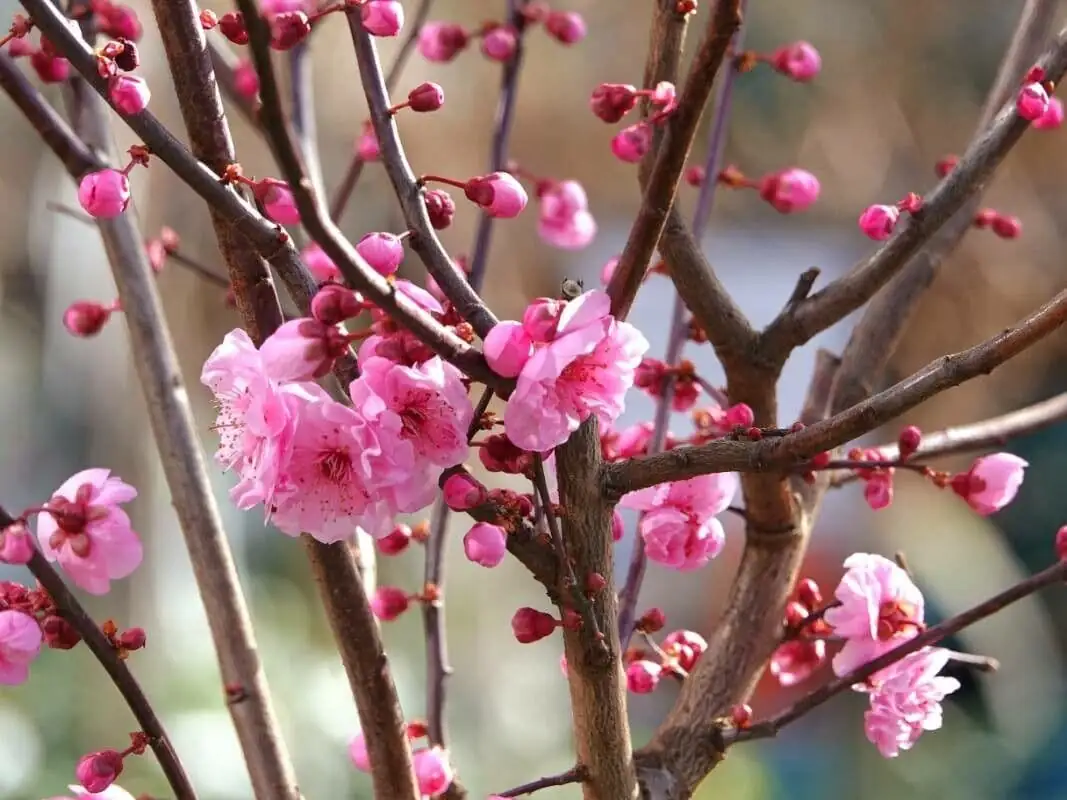
- Remove entirely (cut flush to the origin):
- Crossing and rubbing twigs (choose the better-placed one to keep).
- Weak, crowded, or inward-growing clutter that blocks light.
- Obvious water-sprouts you don’t need for structure.
- Goal: An open framework that light can pour through. Airy scaffolding equals fewer mildew issues and buds that ripen evenly.
3) Balance the uprights before winter
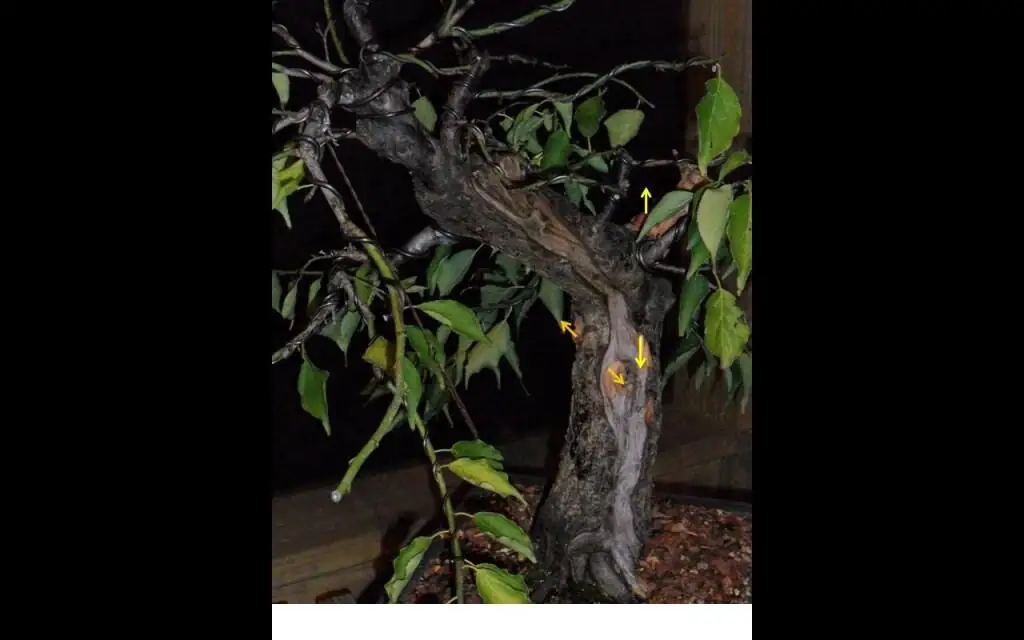
- As the season progresses, vigorous upright shoots can dominate. Before winter and ahead of flowering, shorten overly long uprights to rebalance the silhouette.
- You’re not shearing; you’re evening the energy so top growth doesn’t shade or starve lower spurs. Keep the outline poised and calm.
See it in your mind’s eye: three quick “sketches”
- The overlong whip: A 30–40 cm one-year shoot bristling with spent blooms. Post-bloom, snip it back to a neat 1–2 cm, leaving 2–3 buds near its base. Result: a future flower spur, not a fishing rod.
- The crosser: Two twigs rub in the canopy’s middle. Keep the one with better direction and spacing; remove the other cleanly at its base. Result: fewer wounds, better airflow.
- The top-heavy tuft: A vase of skyward shoots shading the plant’s heart. Before winter, shorten these uprights and adjust to outward-facing buds. Result: a balanced crown that blooms evenly from top to bottom.
Bonsai and container tweaks
- Pinch timing: In active growth, pinch or trim vigorous shoots after about 5–6 leaves to keep internodes short and energy on spurs.
- Summer discipline: Remove excess water-sprouts and unwanted shoots; keep what supports your design and future bud sites.
- Wiring: Wire when shoots are young and flexible; ume sets quickly. Don’t let wires bite.
- Repot window: Right after flowering and before vigorous spring growth kickstarts. Refresh the free-draining, loam-based mix, trim long or dead roots, and repeat the post-bloom shoot cuts (leave 2–3 buds).
The rhythm that powers next winter’s bloom
- Bloom period (late winter–early spring): Keep it bright and cool. Indoors, a chilly 8–10°C (46–50°F) stretches the show.
- Immediately after flowering: Do the hard cutback on one-year shoots (leave 2–3 buds). Thin crossers. Repot if needed.
- Spring: Full sun and deep, thorough waterings as growth starts. Light feeding 1–2 times during shoot extension.
- Late spring to early summer: Gradually ease watering a notch (without wilting) to encourage flower-bud formation. From late June, reduce fertilizer—don’t push lush, leafy growth.
- Summer: Keep slightly on the drier side but never bone-dry; thin and pinch vigorous shoots. Avoid overwatering and heavy feeding.
- Mid-summer through autumn: Maintain steady moisture so buds don’t abort; drought here can cause leaf drop and poor bud set.
- Autumn–winter after leaf fall: Water less but don’t let the rootball dry out. Bright light, good airflow. Before winter, shorten overly long uprights to balance the canopy.
Avoid these five pruning pitfalls
- Missing the window: Waiting months after bloom? You’re likely cutting off sites that would have set next year’s flowers.
- Cutting too long or too short: Long stubs waste energy; cutting back into old, budless wood can leave you with a dead tip. Aim for 1–2 cm with 2–3 visible buds.
- Shearing like a hedge: Ume wants selective cuts, not a haircut. Shearing multiplies twiggy congestion and invites mildew.
- Overcrowding the crown: Skip “more branches = more flowers.” Light and breath make better buds than shade and clutter.
- Favoring only the top: Letting uprights hog energy leads to weak lower spurs. Balance before winter.
Tool craft and cut quality
- Use sharp, clean bypass pruners; disinfect between plants or after suspect cuts.
- Cut just above a bud or branch collar without leaving ragged tissue.
- When thinning, remove whole twigs to their origin rather than “nibbling.”
Troubleshooting thin bloom
- Few buds this year? The usual culprits:
- Skipped or mistimed post-bloom pruning.
- Overfeeding or heavy watering through summer.
- Waterlogged roots at any time; poor drainage is bloom’s arch-nemesis.
- Heat stress above ~30°C (86°F), especially indoors, can trigger leaf drop and sap energy.
- Reset the rhythm: Post-bloom hard cutback to 1–2 cm (leave 2–3 buds), summer thinning and pinching, reduced feeding after late June, and steady—not soggy—moisture from mid-summer into autumn.
Pests, diseases, and airflow
- Powdery mildew: Keep the canopy open, avoid late-day overhead watering, remove badly affected growth early, and treat promptly if needed.
- Aphids: Rinse off or use insecticidal soap on tender shoots.
- Wood-borers: Keep plants vigorous, prune out infested wood, and use locally permitted controls where necessary.
Quick care anchors (beyond pruning)
- Sunlight: Full sun is best; it’s not shade-tolerant. Prioritize 6+ hours of direct light.
- Temperature: Thrives in cool-to-mild conditions (~8–20°C / 46–68°F). Many cultivars tolerate lows near -10°C (14°F). Keep potted bloomers cool to prolong flowers.
- Soil: Fertile yet very free-draining. For pots, a loam-based mix with compost/leaf mold plus coarse sand/grit. Never let containers sit in saucers of water.
- Water: Thorough soaks, then allow the surface to begin drying. Mid-summer through autumn, keep moisture steady to secure bud set.
- Feeding: Light in pots. Feed 1–2 times in spring, then reduce from late June. A single light, bloom-supporting feeding in early autumn is ample.
Safety note
Like many Prunus species, the pits (kernels) can contain cyanogenic compounds. Keep pits and prunings away from children and pets, and avoid chewing or ingesting kernels.
Flower language, deeply rooted
In East Asian art and poetry, Prunus mume stands for resilience, hope, and an unwavering spirit. Why? Because it blooms on bare wood through cold and wind, often while frost still clings to the garden. This isn’t a sentimental label slapped on a pretty flower; it’s botany becoming metaphor: buds that harden through autumn, hold steady in winter, and open when logic says “not yet.” Every well-placed post-bloom cut you make is a quiet vote for that spirit—setting the stage for a canopy of flowers that meet the year head-on.
Ready for next winter’s show? Give your tree ten crisp minutes right after bloom: shorten those one-year shoots to 1–2 cm (leave 2–3 buds), thin the crossers, and plan a quick pre-winter balance of the uprights. The result is not just more flowers—it’s flowers exactly where you want them, all the way around the tree.