If your living room sometimes feels like a desert, let Guzmania insignis be the torch that lights up a tropical oasis. This sleek bromeliad, with its tidy rosette of glossy leaves and vivid red bracts, is tailor-made for indoor “companion-planting” clusters—arrangements of humidity-loving plants that share bright, filtered light, avoid harsh sun, and stay happy without drowning their roots. Think of it as creating a miniature cloud forest on your shelf.
Meet Guzmania insignis: the torch at the heart of your cluster

- Botanical identity: Guzmania insignis (family Bromeliaceae), native to the Andes region of South America.
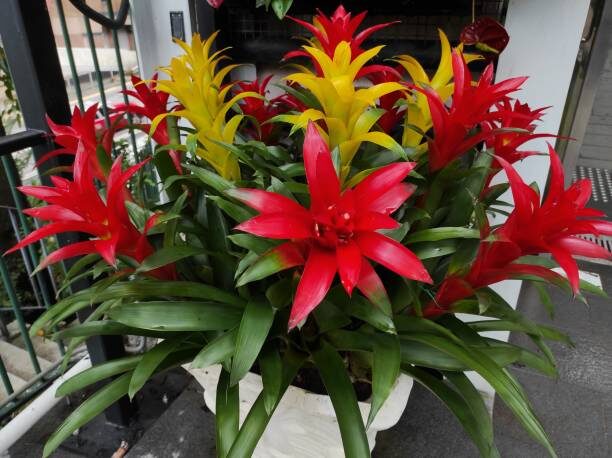
- Look and feel: A neat rosette of upright, glossy green leaves forms a natural “cup” (tank) at the center. From this rosette rises an upright spike topped with long-lasting, vivid red bracts—the showy “flower” that can stay bold for weeks.
- Growth habit: One rosette blooms once, then slowly declines while producing offsets (pups) at the base that become the next generation.
- Indoor sweet spot:
- Light: Bright, filtered/indirect light. Shield from strong summer midday/afternoon sun.
- Temperature: Warmth-loving, ideally 16–28°C (61–82°F). Keep above 10°C (50°F); avoid cold drafts and chilly window glass.
- Humidity: Moderate to high humidity keeps leaves lush and reduces browning.
The micro-forest method: companion-planting indoors
Creating a humidity-friendly cluster is about smart pairings, shared light, and airflow—without overdoing the water.
Who plays well with Guzmania?
Mix plants that prefer bright, indirect light, steady warmth, and a touch of extra humidity. Excellent companions include:
- Other bromeliads (e.g., Vriesea, Neoregelia) for a cohesive, architectural look
- Phalaenopsis (moth orchids), which appreciate similar light and humidity
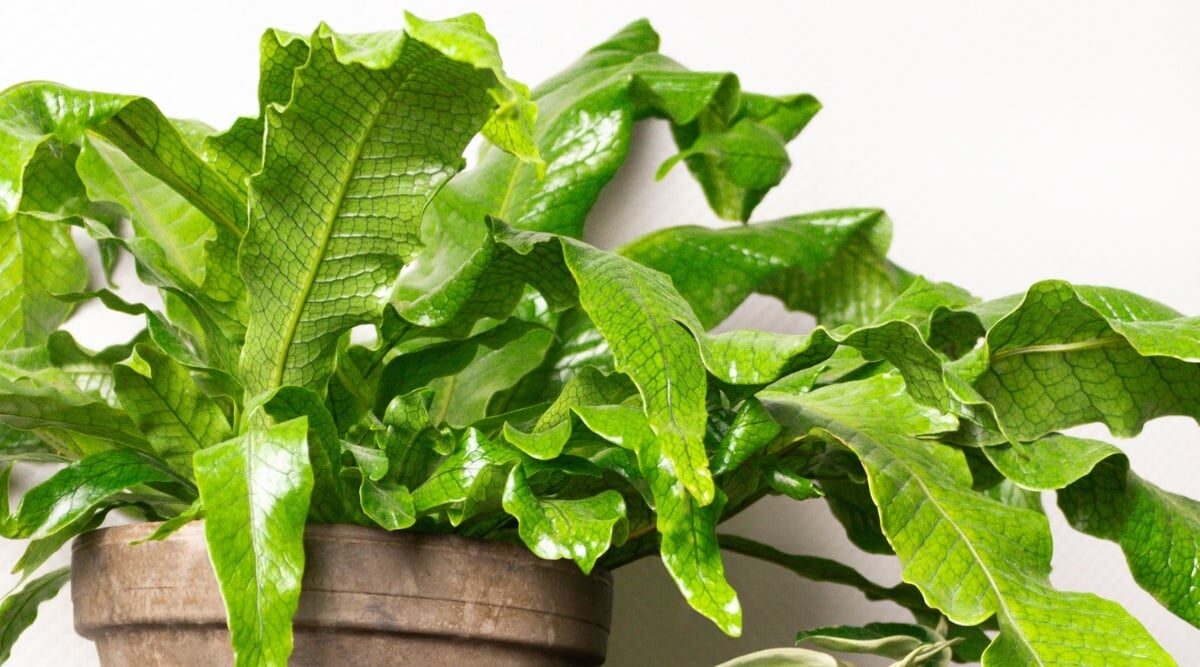
- Ferns (e.g., Asplenium nidus, Nephrolepis) for soft, humidity-thriving foliage
- Calathea/Maranta (prayer plants) to amplify the humid microclimate
- Fittonia (nerve plant) as a colorful, lower-layer accent
Tip: Skip sun-worshipers and desert plants here—the cluster’s moisture and filtered light won’t suit them.
Layout for shared light (and no scorch)
- Best window: East-facing is often ideal—gentle morning light, minimal noon scorch.
- Summer strategy: Use a sheer curtain or situate the cluster a step back from south/west windows to achieve about 50% shade during the hottest hours.
- Layer like a forest:
- Canopy: Taller ferns/orchids at the back to break light.
- Mid-story: Guzmania front-and-center for a bold focal point.
- Understory: Low growers (Fittonia, small Calathea) at the base to trap humidity.
- Rotate weekly for even growth, and keep leaves off cold window glass in winter.
Humidity without soggy soil
- Cluster effect: Grouping plants naturally raises local humidity. Enhance with:
- Pebble trays with water (pots sit above the waterline)
- A small, gentle humidifier aimed to mist the air, not drench leaves
- Occasional light misting in hot or dry spells (avoid late-evening wet foliage)
- Airflow matters: A quiet fan on low helps prevent leaf spot and discourages stagnant cup water, especially in summer.
Smart watering for the whole cluster
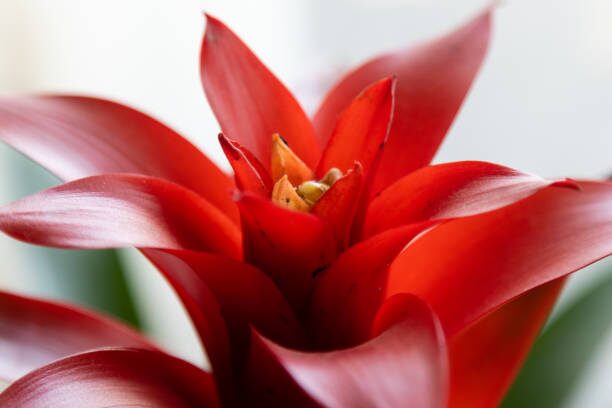
Guzmania is a “tank bromeliad,” meaning the central leaf cup can hold water—but the potting mix should never be soggy.
- For Guzmania:
- Keep the potting mix lightly moist in spring; in winter, let it dry slightly between waterings.
- Maintain a little clean water in the central cup; refresh it regularly so it never goes stale.
- If the cup dries completely, leaves may dull and yellow—top it up, then drain/refresh to keep things fresh.
- For the cluster:
- Water each plant for its mix and pot size—don’t let the thirstiest neighbor set the schedule.
- Use the “weight test”: lift pots to learn the difference between just-watered and nearly dry.
- Bottom-water or use a capillary mat for companions prone to leaf spotting.
- Ensure every pot has drainage holes, and keep cachepots dry (use risers or spacers).
Potting media that keep roots breathing
- Guzmania mix: Loose, airy, fast-draining—think peat/leaf-mold blended with coarse sand, or an orchid/bromeliad-style medium.
- Companions: Match each to its preferred mix, but aim for well-draining substrates across the cluster to avoid lingering water.
- Repotting cadence: Guzmania is commonly grown in a 12–15 cm pot; repot about every 2 years in spring, or sooner when pups are ready for their own pots.
Temperature and airflow
- Keep the cluster warm (16–28°C). Bring plants in before cool autumn nights, and avoid placing them right against cold glass in winter.
- Summer: Combine ~50% shade with good ventilation to prevent scorch and fungal trouble.
Seasonal playbook for your indoor cluster
- Spring: Bright, filtered light; keep Guzmania’s mix lightly moist. Best season for sowing and dividing pups.
- Summer: Shield from midday/afternoon sun; ~50% shade plus airflow; light misting during heat.
- Autumn: If indoor air turns dry, boost humidity; move the cluster fully indoors before nights cool.
- Winter: Keep above 10°C (50°F). Give the brightest light by day and pull pots away from cold windows at night. Water sparingly so roots never sit cold and wet.
Flowering, offsets, and keeping the show going
- Bloom timing: Often early spring, with a second window from late summer to early fall indoors.
- After the show: The mother rosette slowly declines—normal for bromeliads—but will produce pups at the base.
- Propagating pups:
- Timing: When pups reach about 10–12 cm tall.
- Method: Cut away with a clean blade; let the cut dry briefly.
- Potting: Insert into a sandy, airy medium; keep warm (20–25°C) with higher humidity (a clear cover with venting works well). Rooting may take about a month before potting up.
Troubleshooting in a shared setup
- Yellowing leaves?
- Too much direct summer sun—shift to filtered light.
- Central cup dried out—keep some fresh water in the cup.
- Normal aging after flowering—as pups develop, the mother declines.
- Low light—increase brightness gradually.
- Leaf spot: Improve airflow, avoid wetting foliage late in the day, remove affected leaves. If needed, use an appropriate ornamental fungicide per label directions.
- Stagnant cup water: Refresh regularly; decant and refill with clean water to prevent odors and decline.
- Overwatering signs: Soggy media, soft base tissues, or fungus gnats. Increase drainage, lengthen intervals, and boost airflow.
Styling ideas: humidity-friendly cluster recipes
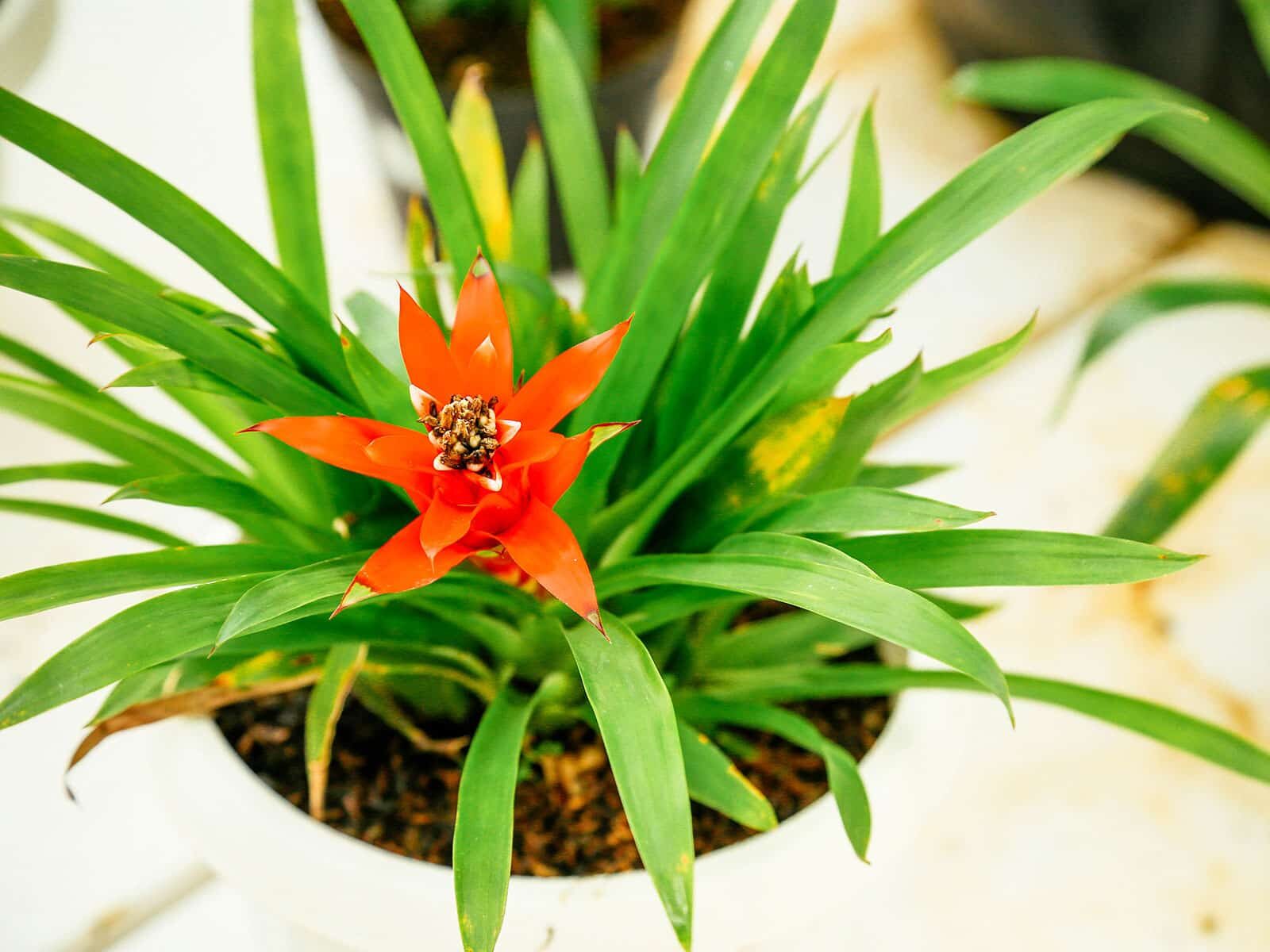
- Cloud-Forest Focal
- Center: Guzmania insignis (12–15 cm pot)
- Flankers: 2 Phalaenopsis orchids
- Understory: Fittonia and a compact Calathea
- Backdrop: Asplenium nidus (bird’s nest fern)
- Setup: East window, sheer curtain in summer; pebble trays spanning the whole group
- Red-and-Green Contrast
- Center: Guzmania with vivid red bracts
- Companions: Neoregelia (variegated), Vriesea with patterned blades
- Ground layer: Mossy top-dress on each pot (kept just damp), plus a trailing fern for softness
- Setup: Bright, indirect light; a small fan on low to keep air moving
Choosing and placing your star plant
- What to look for when buying:
- Symmetrical rosette with firm, glossy green leaves—no tears, spots, pests, or blemishes
- An upright, sturdy spike with bright, unmarred red bracts
- Best placement:
- A bright windowsill or balcony with filtered light; east-facing is often ideal
- In winter, the brightest spot by day, away from cold glass and nighttime drafts
A note on symbolism and gifting
Guzmania is often gifted as a “good luck” plant—its Chinese name, 鸿运当头 (roughly “great fortune up front”), nods to the blazing red bracts that rise from the plant’s center. This “flower language” isn’t botanical fact but a cultural tradition linking red with prosperity and auspicious beginnings. It’s one reason Guzmania makes a popular celebration or business-opening gift: long-lasting color that suggests energy, luck, and thriving endeavors.
Quick-reference care for Guzmania in a cluster
- Light: Bright, filtered/indirect; avoid harsh summer sun (aim for ~50% shade at midday).
- Temperature: 16–28°C ideal; keep above 10°C; avoid cold drafts and cold window glass.
- Humidity: Moderate to high; cluster plants, use pebble trays or a small humidifier.
- Water:
- Mix: Lightly moist in spring; allow slight dry-down in winter.
- Cup: Keep a little clean water in the central cup; refresh regularly.
- Feeding: During active growth, apply very dilute balanced fertilizer about every 2 weeks to the mix and/or lightly into the cup—never strong concentrations.
- Soil: Loose, airy, fast-draining bromeliad/orchid-style medium.
- Grooming: Remove yellowing outer leaves; wipe foliage with a slightly damp, soft cloth.
- Repotting: About every 2 years in spring, or when pups are ready for their own pots.
- Health: Watch for leaf spot; improve airflow and avoid lingering wet foliage.
- Safety: No confirmed toxicity details—keep out of reach of pets and children and avoid ingestion.
- Hardiness: Not frost hardy—treat as a houseplant.
Build your cluster like a tiny, convivial forest: shared light, shared humidity, individual watering. Center a radiant Guzmania, and let the rest of your collection lean into its tropical rhythm.