

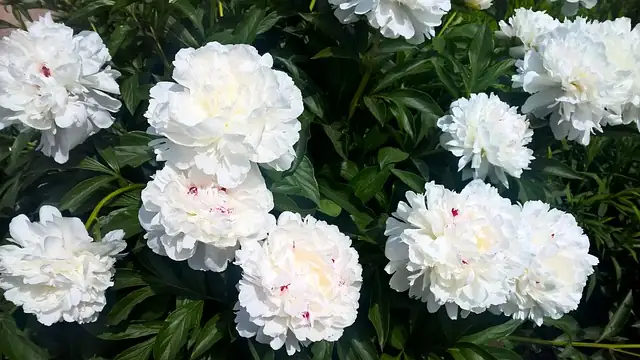
The Majestic Tree Peony: King of Flowers
Imagine stepping into an ancient Chinese garden, where every breeze carries the delicate fragrance of blooming flowers, and every corner reveals a masterpiece of horticultural art. Among these treasures stands the tree peony, or Paeonia × suffruticosa, revered as the “king of flowers” in Chinese culture. More than just a plant, the tree peony is a living symbol of prosperity, honor, and elegance, woven deeply into the fabric of history and tradition.
A Blossoming Legacy: Historical Roots and Symbolism
The tree peony’s story begins over two millennia ago in the imperial courts of China. Known as 牡丹 (Mǔdān) in Chinese, this flower’s journey from wild origins to cultivated splendor is a testament to its enduring allure. Initially valued for its medicinal properties during the Han Dynasty, the tree peony’s roots were utilized in traditional Chinese medicine, embodying the philosophical harmony between beauty and utility.
However, it was during the Tang Dynasty that the tree peony’s status skyrocketed. Empress Wu Zetian, China’s only female emperor, famously adored these flowers. According to legend, when she commanded all flowers to bloom in winter, the tree peony alone refused, a bold act of defiance that resulted in its exile to Luoyang. Yet, far from diminishing its stature, this tale of resilience and integrity only cemented the flower’s regal reputation, enhancing its symbolism of steadfastness and natural law.
Cultural Significance: The Peony in Art and Literature
The tree peony’s influence extends beyond the garden and into the realms of art and poetry. Renowned Tang poets like Li Bai immortalized the flower in their works, likening its beauty to the legendary Yang Guifei, a celebrated beauty of the time. The phrase “国色天香” (national beauty and heavenly fragrance) became synonymous with the peony, encapsulating its embodiment of refinement and sophistication.
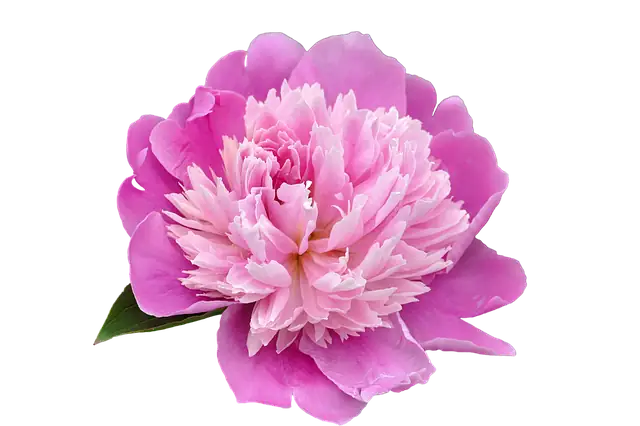
In traditional Chinese culture, tree peonies symbolize wealth, honor, and romance. Their lush, ruffled blooms in hues of pink, red, and white carry specific meanings: pink for romance, red for love and respect, and white for purity and reverence. They are often featured in wedding bouquets, bestowing wishes of a prosperous and harmonious marriage.
The Peony’s Global Journey
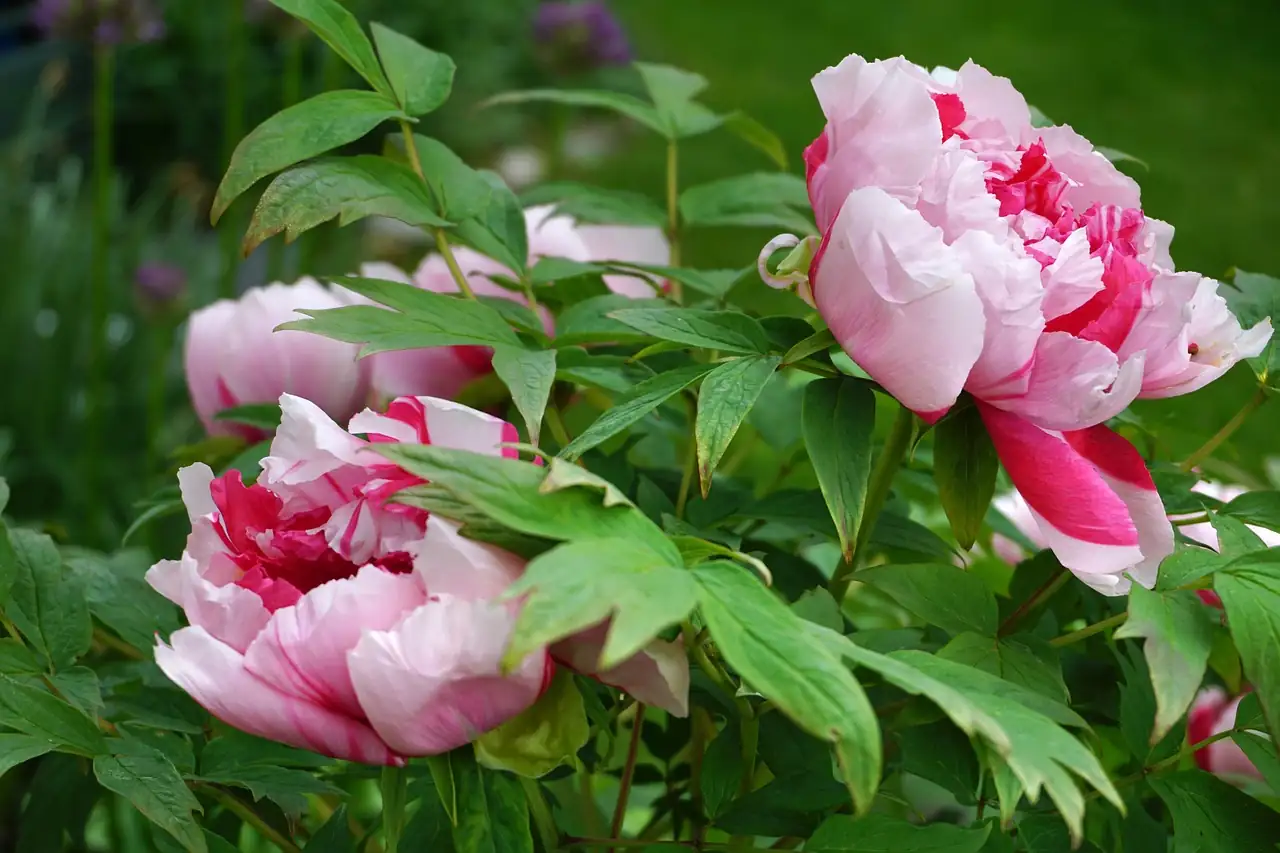
While deeply rooted in Chinese tradition, the allure of the tree peony has transcended borders. By the 18th century, it had captivated European gardeners, and its popularity spread to Japan and later to the United States. In Japan, peonies became prominent in art by the 11th century, while in America, they were embraced during the late 19th century, eventually becoming Indiana’s state flower.
Growing the King of Flowers: Cultivation and Care
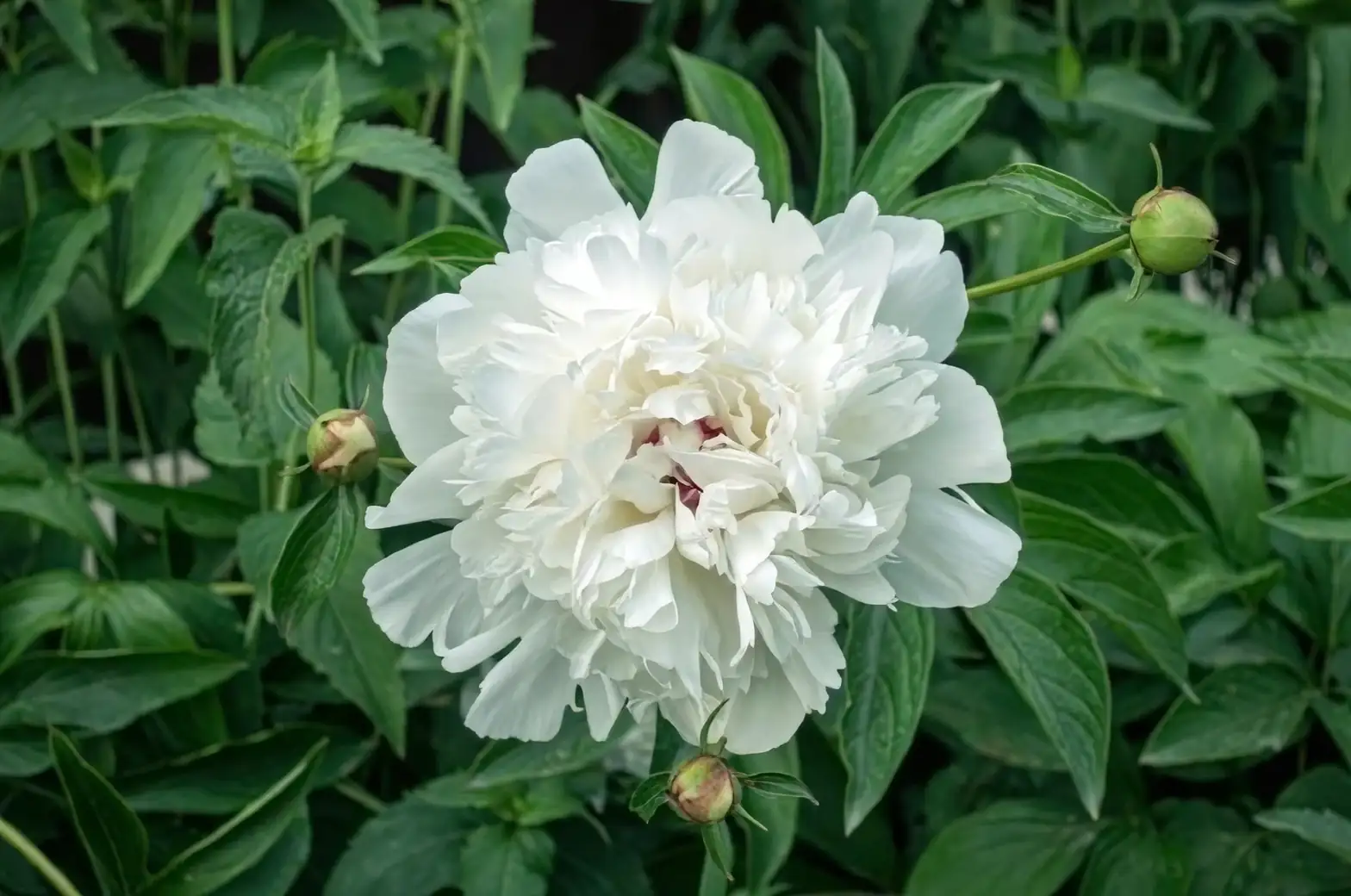
Tree peonies are not just ornamental jewels but are also revered for their resilience and longevity. They thrive in temperate climates, preferring full sun to light shade and well-drained, fertile soil. These woody shrubs can live for decades, slowly forming architectural clumps that grace gardens with their grand spring blooms.
Cultivation Tips:
- Sunlight: Full sun to partial shade. In hot climates, provide light afternoon shade.
- Soil: Deep, fertile, humus-rich loam with excellent drainage.
- Watering: Keep evenly moist during growth; avoid waterlogging.
- Temperature: Prefers cool temperatures (13–18°C for growth, 15–20°C for flowering).
- Pruning: Remove dead or weak stems in winter to improve structure and airflow.
The Peony’s Enduring Appeal
The tree peony’s charm lies not only in its visual and fragrant appeal but also in its rich tapestry of cultural significance. It serves as a living bridge between past and present, a floral ambassador that carries the weight of centuries of human admiration and artistic expression. Whether adorning a garden or gracing a wedding bouquet, the tree peony continues to symbolize prosperity, elegance, and the timeless beauty of nature.
As you consider adding this illustrious flower to your own garden, remember the stories it carries and the legacy it upholds. The tree peony is not just a flower; it is a celebration of nature’s grace and humanity’s enduring fascination with beauty.


