

Unveiling the Mystique: The Cultural Significance of Alocasia macrorrhizos
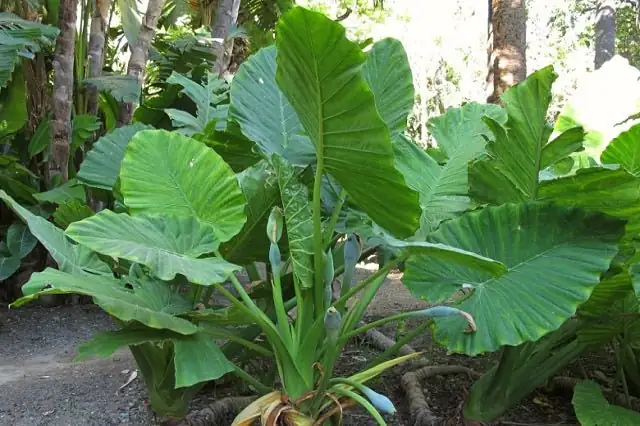
Alocasia macrorrhizos, known to many as the Giant Taro or Elephant Ear, is much more than a striking spectacle in tropical landscapes and indoor jungles. This plant, with its massive, glossy leaves that sway like green sails, holds a rich tapestry of cultural meanings and medicinal virtues. Let’s embark on a journey to uncover the layers of symbolism and history behind this botanical marvel.
A Glimpse into Its Origins
Native to the rainforests of Maritime Southeast Asia, New Guinea, and the lush landscapes of the Murray Islands, Alocasia macrorrhizos has been a silent witness to human history. Its reach extends far beyond its native lands, having been domesticated in the Philippines and spreading across the tropics with ancient Austronesian voyagers. As one of the staple crops in Oceania, it was a source of sustenance and survival, providing both nutritional and spiritual nourishment.
The Giant Taro in Cultural Narratives
In various cultures, the Giant Taro stands as a symbol of resilience and adaptability, much like its ability to thrive in both the wild and cultivated gardens. Its majestic leaves, resembling elephant ears, have inspired awe and reverence, often being associated with protection and abundance. In the language of flowers, while not explicitly recorded, one might interpret its grand presence as a message of prosperity and strength.
Medicinal Marvel and Symbolism
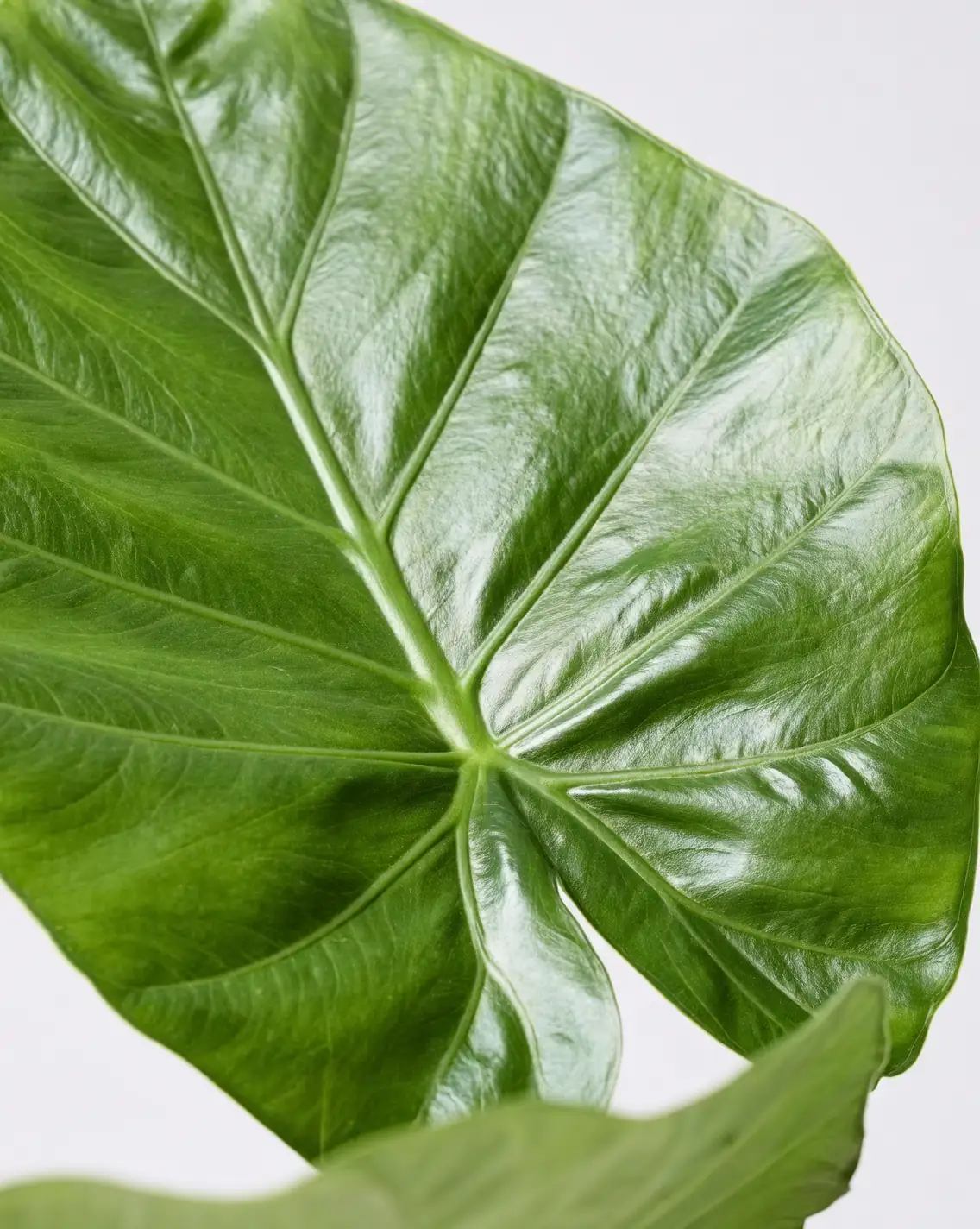
Beyond its ornamental appeal, Alocasia macrorrhizos is revered in traditional medicine. This plant possesses a range of biological properties, offering antioxidant, antimicrobial, and even cytotoxic benefits. It’s a testament to nature’s pharmacy, where ancient wisdom meets modern science. In this light, the plant symbolizes healing and transformation, underscoring its role in both physical and spiritual wellness.
Culinary and Practical Uses
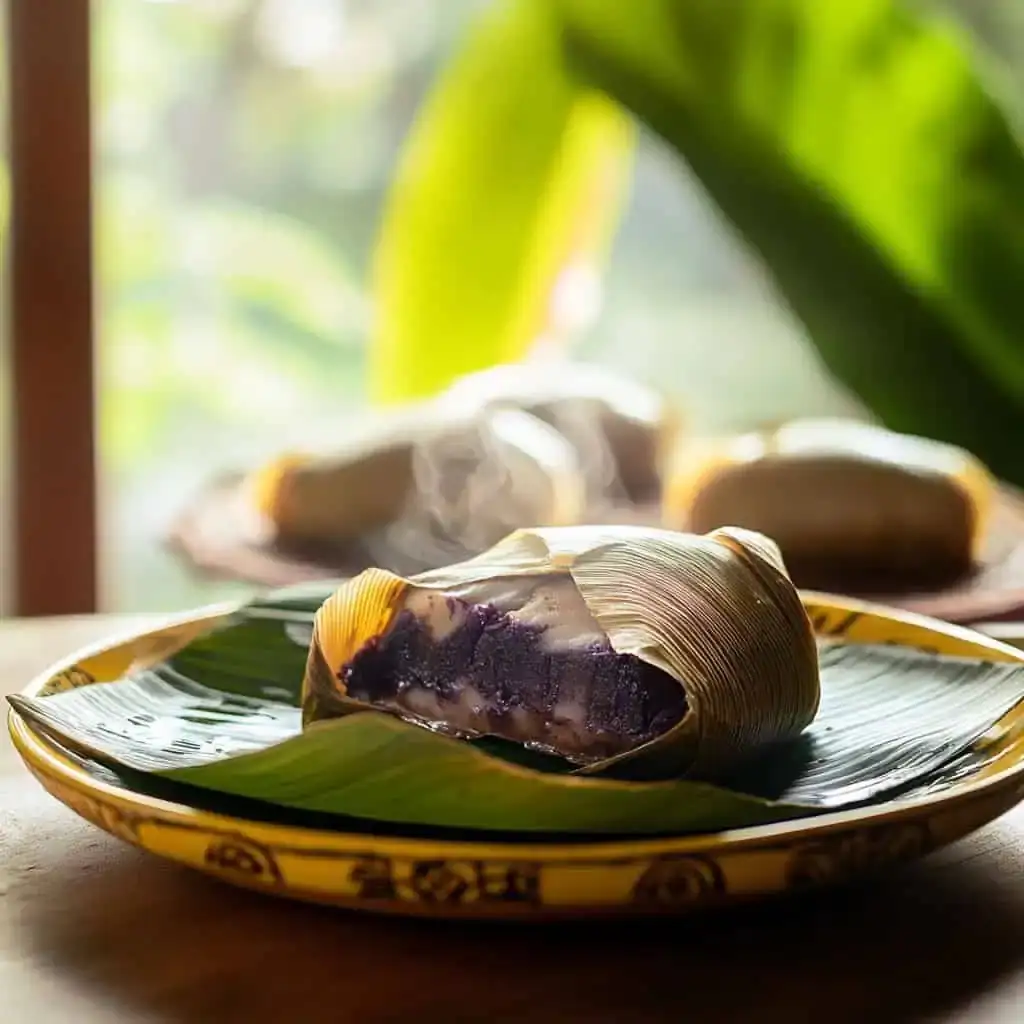
Though its sap contains irritating calcium oxalate crystals, rendering it toxic if improperly handled, it holds culinary potential when cooked thoroughly. In some Pacific cultures, the corms are transformed into delicacies like the Filipino binagol—a sweet treat made with coconut milk. These culinary traditions highlight the plant’s duality: dangerous yet delightful, much like life’s complex flavors.
Caring for Your Giant Taro
If you’re thinking of bringing this plant into your home, here are a few tips to keep it thriving:
- Light and Placement: Opt for bright, indirect light to keep those leaves lush and green. A sheer curtain over a south-facing window works wonders.
- Humidity and Temperature: This tropical giant loves warmth and humidity. Aim for temperatures between 20–30°C (68–86°F) and consider a humidifier if your air is dry.
- Watering and Soil: Keep the soil evenly moist but never waterlogged. A rich, airy mix with good drainage will support its robust growth.
- Safety Precautions: Remember, its sap can irritate, so keep it away from curious pets and children. Handle with care, like an esteemed guest with a prickly personality.
A Plant of Many Names
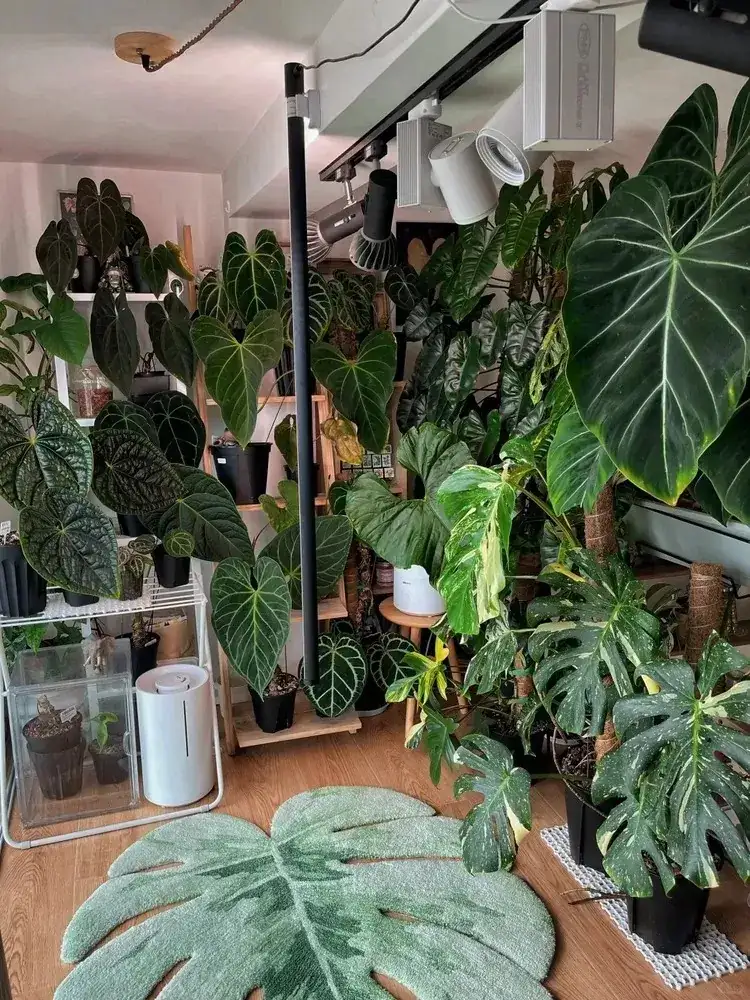
Known across the globe by various names—Giant Alocasia, ʻape, biga, pia—this plant adapts to each culture it touches, much like the travelers who spread it across continents. Whether standing proudly in a tropical garden or gracing the corner of a living room, Alocasia macrorrhizos continues to inspire with its grandeur and mystery.
In embracing the Giant Taro, you invite a touch of the exotic into your life—a reminder of our planet’s biodiversity and the stories plants tell. This is not just a plant; it’s a piece of history, a symbol of hope, and a testament to nature’s enduring elegance.


