

Embrace the Fragrance: A Comprehensive Guide to Caring for Osmanthus fragrans
Imagine stepping into your garden, and as the crisp autumn air brushes against your skin, you’re enveloped by a rich, sugary fragrance that transports you to a serene, enchanting world. This is the magic of Osmanthus fragrans, commonly known as Sweet Osmanthus or Fragrant Olive. It’s not just a plant; it’s an experience, a luxurious addition to your garden or home that offers a sensory delight with its intensely perfumed blooms.
The Sweet Osmanthus Experience
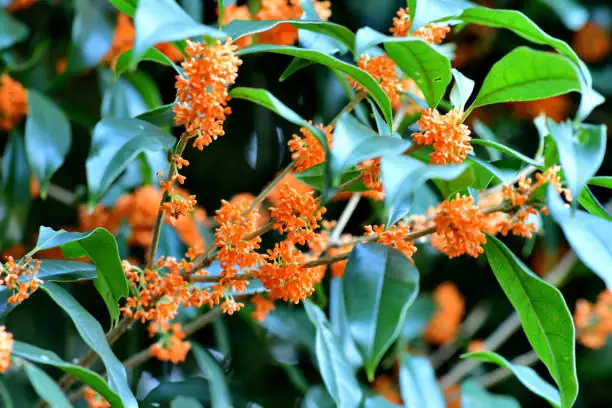
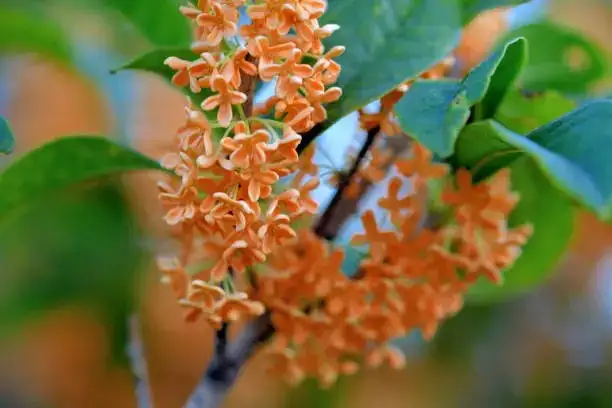
Originating from the Himalayas and southern China, Osmanthus fragrans is more than just a pretty face. Its dense, evergreen foliage provides a lush backdrop to its tiny, yet powerfully fragrant flowers that bloom predominantly in autumn. These blossoms, often in warm orange-yellow hues, are not just ornamental but also edible, traditionally used to scent teas and flavor delectable desserts and syrups.
Lighting the Way: Optimal Sunlight and Placement
Sweet Osmanthus thrives in a dance of light and shade. The plant prefers full sun to partial shade, making it a versatile addition to various garden settings. However, young plants appreciate a light shield from the intense summer sun to prevent leaf scorch. For indoor cultivation, an east- or south-facing window is ideal. Outdoors, ensure it’s in a sunny, airy spot to maximize flowering. As the saying goes, “Where there’s light, there’s bloom,” and Sweet Osmanthus is no exception.

Temperature and Humidity: Creating a Cozy Microclimate
This plant enjoys warm, humid conditions, flourishing best between 18–28°C (64–82°F). While it can brave occasional cold snaps near -8°C (18°F), prolonged exposure to harsh freezes can damage the plant. Imagine it as a tropical vacationer who enjoys the occasional brisk morning, but longs for the sun’s warmth by midday. Moderate to high humidity is its comfort zone, but keep stagnant air and waterlogged soil at bay. A gentle misting can work wonders, especially for newly acquired or stressed plants, as long as there’s good airflow.
Watering with Precision
Sweet Osmanthus is not a fan of erratic watering. During its active growth phase, keep the soil evenly moist, akin to a well-wrung sponge, typically requiring water every 2–3 days. During hot summers or early autumn, daily watering might be necessary, especially for potted plants. As the flowering period nears, dial back on the watering to encourage robust blooms, ensuring the soil remains on the drier side. In winter, adopt a minimalist approach—water sparingly to keep the mix just slightly moist.

Nourishing with Care
Feeding your Osmanthus fragrans is crucial for maintaining its vigor. Container plants benefit from monthly feeding during growth and flowering stages, using a well-balanced fertilizer like 20-20-20. For those planted directly in the ground, a biannual feeding routine—once in winter and again in July—should suffice. Think of it as giving your plant a gourmet meal twice a year, with a little more frequent dining for those in pots.
Pruning and Propagation: Shaping the Future
Prune your Sweet Osmanthus in winter, removing weak or diseased branches to encourage new growth and a fuller bloom display. Propagation can be an adventure in itself. Whether you’re sowing seeds, taking semi-ripe cuttings, or layering, each method offers its own journey and rewards. For instance, sowing seeds requires patience, while taking cuttings in early summer can yield new plants in about 8–12 weeks.
Seasonal Adjustments: A Calendar of Care
- Growing Season: Keep the soil evenly moist and ensure good airflow.
- Pre-Bloom & Bloom: Reduce watering and avoid keeping the soil wet.
- Winter: Water lightly, maintaining slight moisture in the soil.
- Feeding: Monthly for containers; twice a year for in-ground plants.
- Repotting: Annually for young plants, every 2–3 years for mature ones.
- Pruning: Conduct winter clean-up and shorten overly vigorous shoots.
Pests and Health: Keeping Osmanthus Happy
While Osmanthus fragrans is relatively hardy, it can fall prey to pests like spider mites, whiteflies, and aphids. Early intervention with horticultural oil or insecticidal soap can prevent bigger issues. Diseases such as leaf blight can be tackled with broad-spectrum fungicides. Remember, a healthy plant is a happy plant, and preventive care is the best medicine.
The Language of Flowers: Sweet Osmanthus in Culture
In East Asian culture, Sweet Osmanthus is a symbol of elegance and good fortune, often associated with the saying “fragrance that lingers.” Its role in traditional gardens is not just for its beauty but for the timeless aroma that invites both nostalgia and serenity.
In Conclusion
Caring for Osmanthus fragrans is akin to tending to a living piece of art that rewards you with its intoxicating fragrance and evergreen beauty. Whether you’re an experienced gardener or a novice, the journey with Sweet Osmanthus promises to be a fragrant one, filling your garden—and life—with sweet memories.


