The Symbolic Journey of Nelumbo nucifera: A Dive into the Lotus Flower’s Cultural Legacy
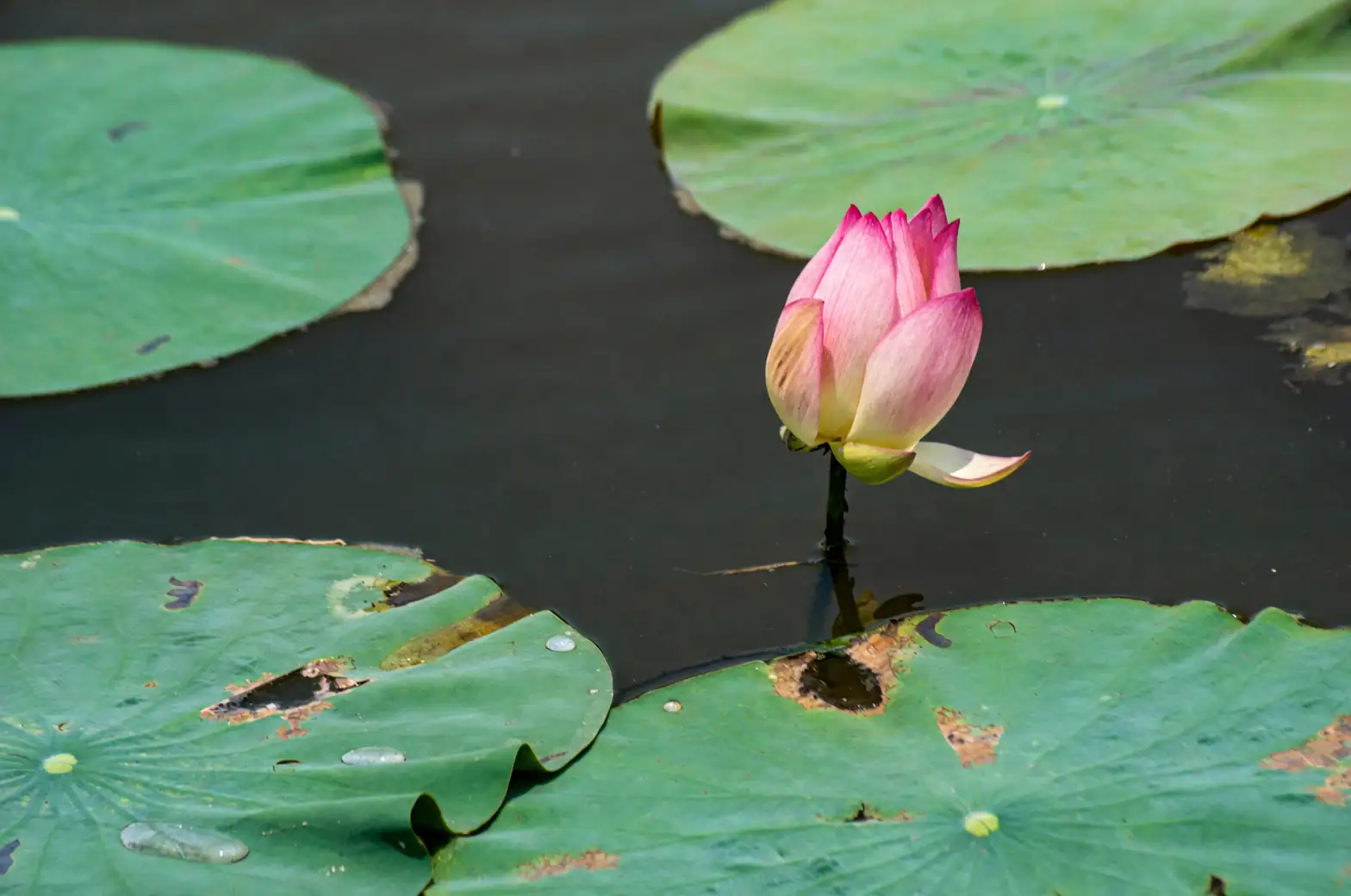
Emerging gracefully from the depths of murky waters, the lotus flower, scientifically known as Nelumbo nucifera, stands as a beacon of beauty and resilience. This aquatic marvel, often referred to as the “Sacred Lotus” or “Indian Lotus,” is not just a visual delight but a profound symbol of purity, enlightenment, and strength across various cultures. Let’s embark on a journey to understand how this enchanting flower weaves its way through history, spirituality, and art.
The Lotus in the Mud: A Symbol of Purity and Resilience
Imagine a flower that defies the odds, blossoming pristine and radiant from the depths of muddy waters. This imagery is not just poetic but encapsulates the essence of the lotus. Its growth from muck to magnificence is a metaphor for rising above the challenges and imperfections of life, achieving a state of untarnished purity. This symbolism resonates deeply, making the lotus a powerful emblem in several spiritual and cultural traditions.
The Lotus in Asian Spirituality
Buddhism: Awakening and Enlightenment
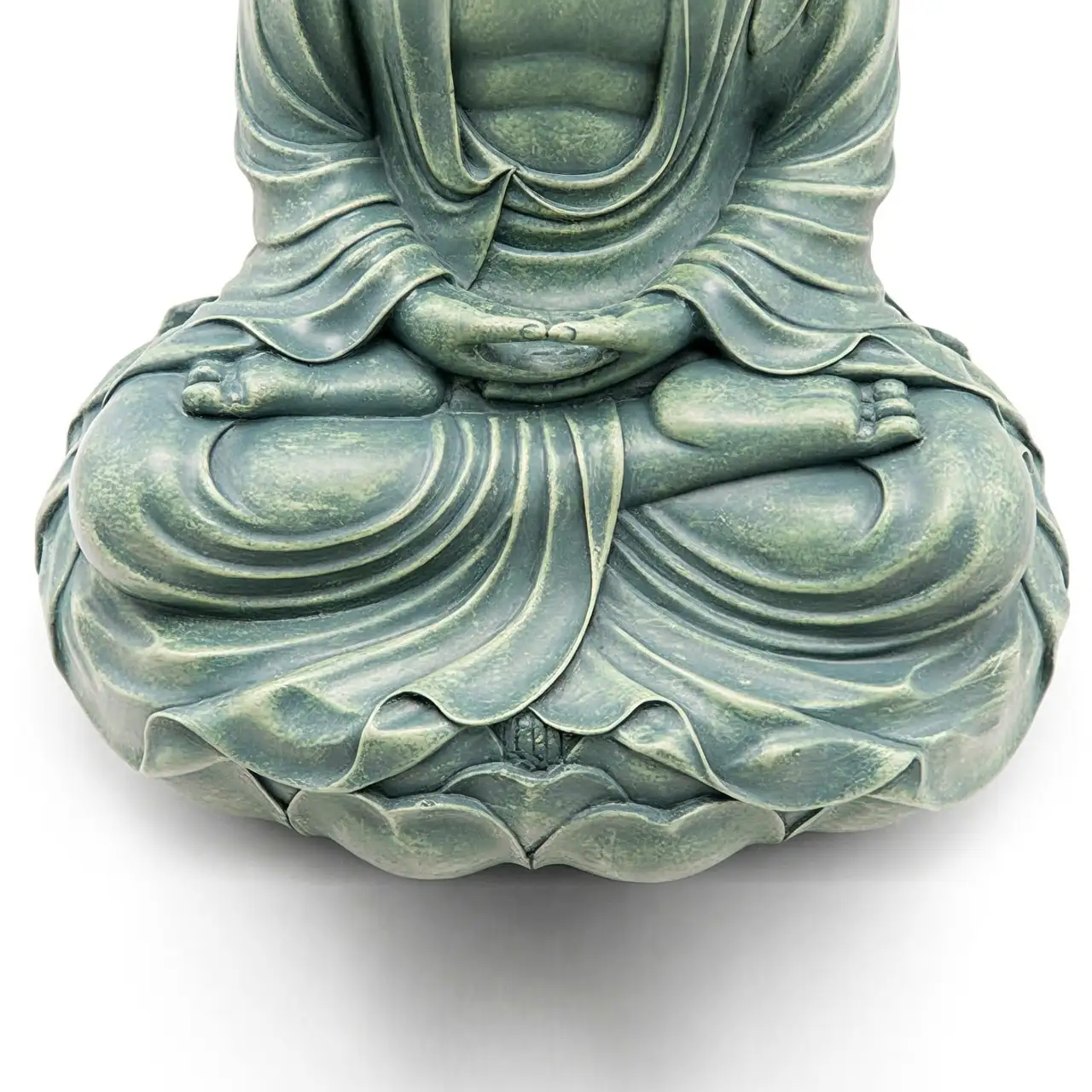
In Buddhism, the lotus is a revered symbol of spiritual awakening and purity. Just as the flower rises from the mud, so too can a spirit emerge from the murkiness of material life into the light of spiritual enlightenment. The Buddha is often depicted seated upon a lotus throne, symbolizing his transcendence from earthly concerns. The flower’s ability to remain unstained by the dirt it grows in is likened to the purity of speech, thought, and action that Buddhists strive for.
- Colors and Their Meanings:
- White Lotus: Represents spiritual perfection and Bodhi, the state of being awakened.
- Blue Lotus: Associated with wisdom and victory over the senses.
Hinduism: Divine Beauty and Creation
In Hindu culture, the lotus is a symbol of divine beauty and purity. It’s intricately tied to deities such as Vishnu and Lakshmi, who are often portrayed seated on lotus flowers. This association underscores the flower’s connection to creation and cosmic renewal, as seen in the depiction of the god Brahma emerging from a lotus that sprouts from Vishnu’s navel.
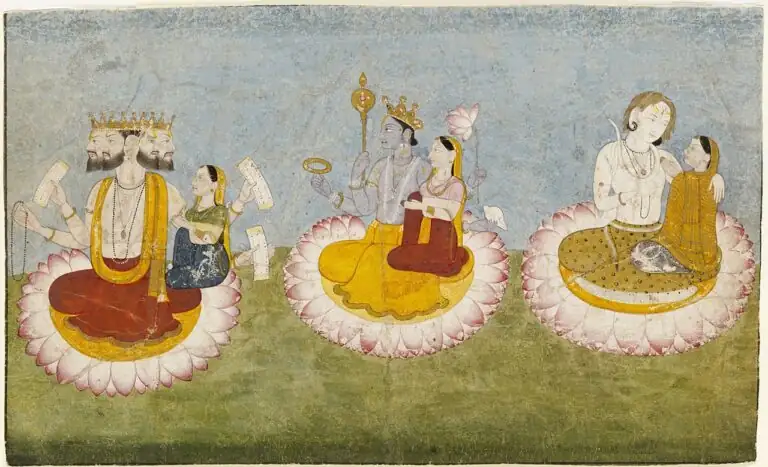
- The Lotus Throne: A common motif in Hindu art, where gods and goddesses are depicted on a stylized lotus, emphasizing their divine nature and detachment from worldly concerns.
The Lotus in Art and Culture
The allure of the lotus extends beyond spirituality into art and culture, particularly in regions where the flower is native. In Asian art, the lotus is a recurring motif, often used as a backdrop for religious figures, symbolizing their elevated status and purity.
Chinese Culture: Integrity and Self-Discipline
In Chinese culture, the lotus is admired for its aesthetic beauty and its embodiment of integrity and self-discipline. The flower’s ability to bloom untouched by the mud signifies the importance of maintaining one’s moral and ethical purity amidst life’s challenges.
A Universal Legacy
The lotus flower’s journey doesn’t stop at the borders of Asia. Its symbolism has traveled far, influencing numerous cultures and traditions around the world. From ancient Egyptian mythology, where it symbolized rebirth and the sun, to modern interpretations in yoga philosophy, the lotus continues to inspire with its timeless message of purity and resilience.
Fun Facts and Modern Insights
- The Lotus Effect: The leaves of the lotus have a unique self-cleaning property, known as the “lotus effect,” due to their microscopically rough surface, which repels water and dirt.
- Seed Longevity: Lotus seeds are renowned for their longevity, with some seeds germinating after several centuries.
- A Culinary Delight: Beyond its symbolic importance, the lotus is also celebrated for its culinary uses, with its rhizomes, seeds, and leaves featuring in various traditional dishes.
Conclusion
The lotus flower, Nelumbo nucifera, is much more than a plant; it is a symbol of life’s potential to rise above adversity and achieve purity and enlightenment. Its journey from the murky depths to the sunlit surface mirrors our own paths toward self-realization and spiritual growth. As you ponder the lotus, perhaps it will inspire you to rise above your own challenges, blooming beautifully in your unique way.