


Cypress trees are the silent sentinels of the botanical world, standing tall and proud with an air of timeless elegance. These conifers—belonging primarily to the genus Cupressus—are known for their striking silhouettes and the quiet strength they lend to any landscape. While often confused with their cousin, the Bald Cypress (Taxodium distichum), true cypress trees boast evergreen foliage and a resilience that makes them a favorite in parks, gardens, and even cemeteries where they symbolize longevity and remembrance.
Sunlight: The Fountain of Life
Much like us, cypress trees thrive under the sun’s warm embrace. Ideally, these trees bask in full sun for over six hours a day, which encourages dense foliage and robust growth. While young saplings can tolerate a bit of shade, mature cypresses unfurl their best form when they are sun-kissed all day long. When planning your garden, ensure your cypress has a sunny spot, as its growth and health will thank you for it.
Soil: A Foundation for Growth
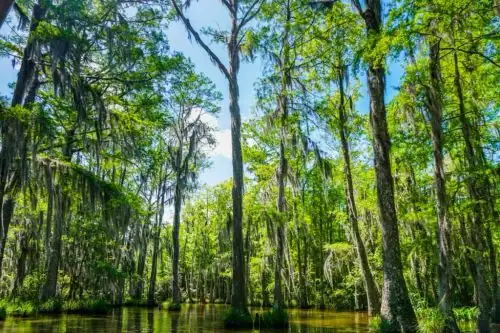
Cypress trees are not particularly picky about their soil, which is a blessing for gardeners who might not have the perfect plot. They prefer well-drained, loose soil, thriving in a range of types including rocky or limestone-based terrains. Aim for a soil pH between 5.5 and 7.5 to provide an optimal environment. One thing to avoid, however, is waterlogged conditions. While their distant relatives, the Bald Cypresses, can handle swampy areas, true cypresses prefer their feet dry to prevent root rot.
Seasonal Care: Nurturing Through the Year
Spring Awakening
As the earth stirs from winter’s slumber, so do your cypress trees. Spring is the time for gentle feeding—consider a top-dressing of compost or a balanced slow-release fertilizer to kickstart their growth. If you’re planning to propagate, now’s the time to take semi-hardwood cuttings for rooting.
Summer’s Embrace
With summer’s heat, ensure your cypress remains hydrated. Deep watering once a week is usually sufficient unless a prolonged drought sets in. Keep an eye out for pests like spider mites or aphids, which can take advantage of the warm, dry conditions.
Fall Preparation
As growth slows, reduce watering to prepare your trees for dormancy. It’s also the season to collect and cold-stratify seeds if you’re propagating by seed. Ensure your tree is ready for winter by giving it a thorough watering before the first frost if the autumn has been dry.
Winter’s Rest
During winter, especially in colder zones, protect young cypress trees from severe cold and wind. Minimal watering is necessary for container-grown cypresses during these months.
Pruning and Maintenance: Less is More
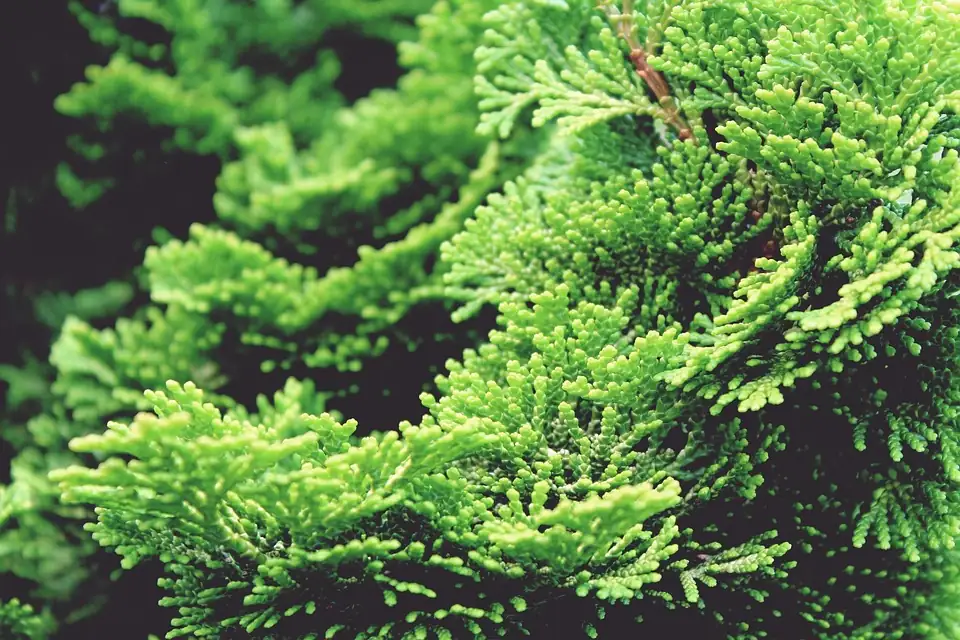
Cypress trees naturally maintain their shape, so pruning is minimal. Late winter to early spring is the best time to prune, focusing on removing any dead or crossing branches. Be careful not to cut into old wood, as cypresses do not resprout from these areas, which could leave unsightly gaps.
Common Challenges: Pests and Diseases
Despite their hardiness, cypress trees are not immune to challenges. Cypress canker and root rot are common fungal issues, often exacerbated by poor drainage or injury to the bark. Maintaining good airflow and avoiding soggy conditions are key preventive measures. For pests like bagworms and scale insects, regular monitoring and maintenance, such as hand removal and appropriate treatments, can keep infestations at bay.
The Symbolism and Legacy of Cypress
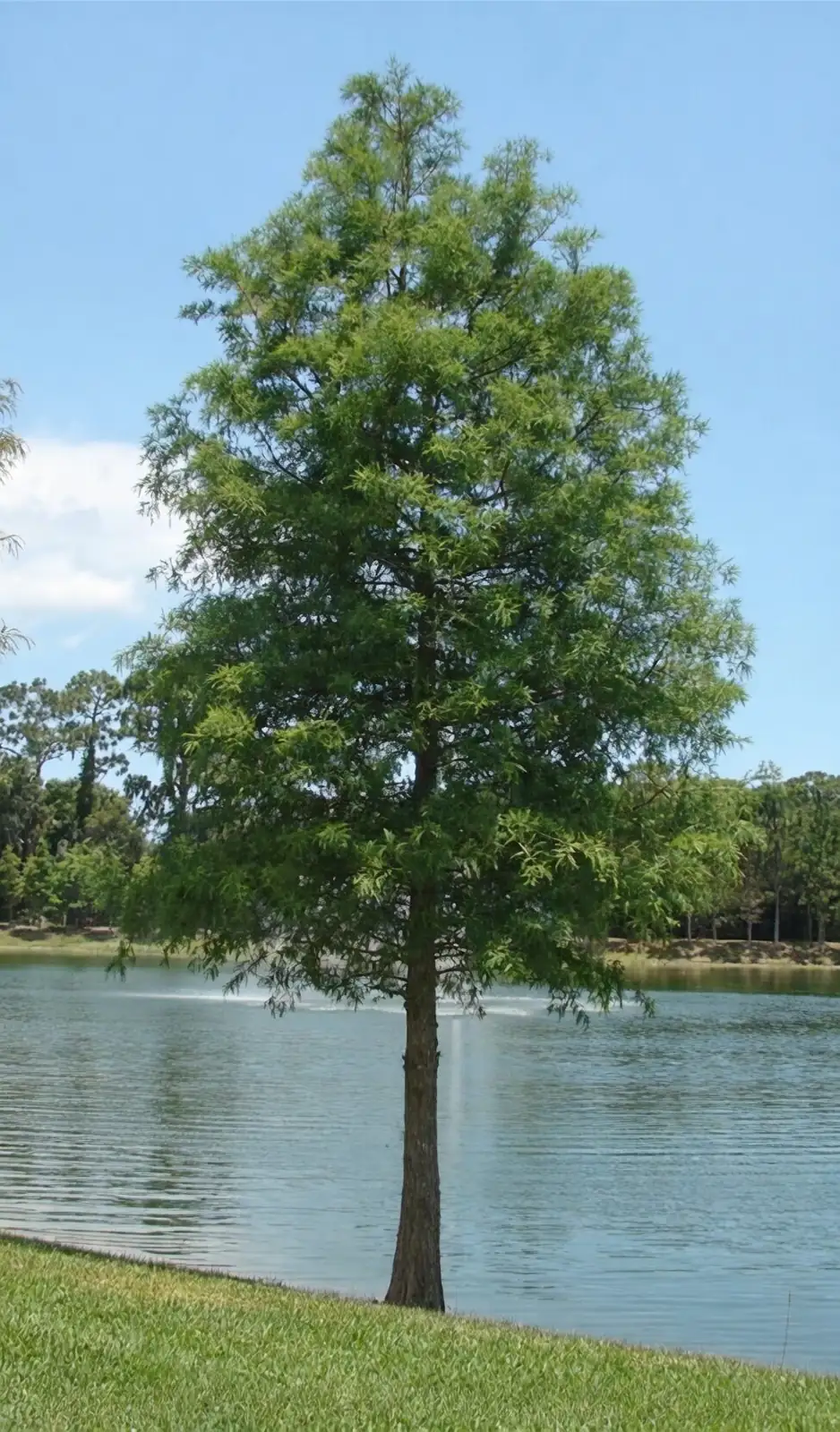
In many cultures, cypress trees are symbols of endurance and eternal life. In Chinese culture, they represent steadfast vitality, often planted in places of remembrance. Their connection to the passage of time and resilience is reflected in their use throughout history in gardens, cemeteries, and even in artworks by famous artists like Van Gogh.
Final Thoughts
Whether you’re adding a single specimen to your garden or lining an avenue with these majestic trees, the key to thriving cypress trees is understanding their needs for sunlight, well-drained soil, and seasonal care. With their striking appearance and symbolic significance, cypress trees are more than just plants—they’re timeless guardians of our landscapes, silently witnessing the world change around them. So, plant a cypress, and let it stand as a testament to nature’s enduring beauty.


