If you’ve ever wondered why a Nerve Plant looks like someone drew a subway map on each leaf, welcome to the rabbit hole. Fittonia verschaffeltii—aka Nerve Plant or Mosaic Plant—is a rainforest understory specialist from Peru whose show-stealing veins are more than just pretty lines. They’re hydraulic highways, optical tricks, and survival gear rolled into one. Let’s geek out on the vein architecture, how water and light drive that electric color, and how to tweak care for maximum pop and vigor.
Meet Fittonia verschaffeltii in 30 seconds
- Family: Acanthaceae; Genus: Fittonia
- Origin: Tropical rainforest regions of Peru
- Habit and size: Low, creeping stems that root at nodes; typically 10–20 cm tall and 20–30 cm wide
- Foliage: Soft, thin leaves with bold white, pink, or red veins (variety-dependent)
- Light: Bright, filtered light or partial shade; no harsh direct sun
- Climate comfort zone: 18–25°C (64–77°F), humidity ideally 50–70%+
- Personality: Tender drama queen—hates drying out, hates being waterlogged; loves warmth, humidity, and gentle handling
Vein architecture 101: What those “nerves” actually do
Think of each leaf as a living circuit board:
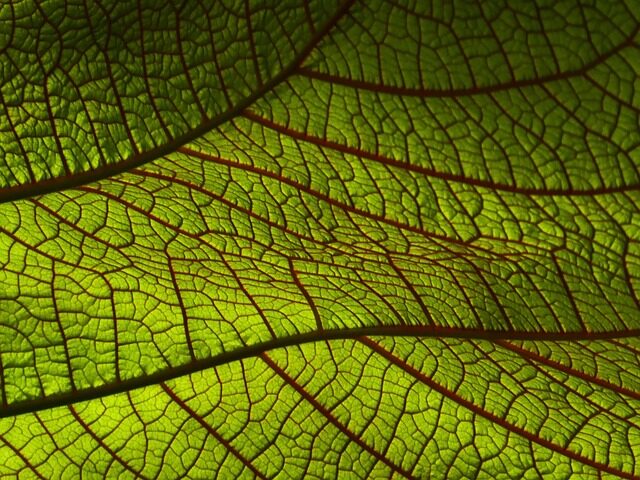
- Structure and transport: Veins carry xylem (water/minerals up) and phloem (sugars down and around). In Fittonia, the venation is strikingly reticulate (netted), creating dense, efficient distribution across a thin, delicate lamina.
- Optics and pigments:
- White veins: Largely chlorophyll-free tissues that reflect broad-spectrum light, reading as bright white.
- Pink/red veins: Pigmented chiefly with anthocyanins that absorb a chunk of blue/green and reflect red—hence the neon tracer effect.
- Why the pattern helps: A dense vein grid stabilizes thin leaves, speeds recovery from brief wilts (classic Fittonia “faint”), and lets the plant keep photosynthesizing efficiently in dim, dappled rainforest light.
Actionable takeaway: The greener tissue between veins does the heavy lifting for photosynthesis; the more intense the contrast (within reason), the more you need to support the plant with steady humidity, bright filtered light, and even moisture so it can keep those delicate leaves turgid.
Light and spectrum: Why the veins “pop” (and how to set it up)
- Blue-enriched light (cooler white, 5000–6500K):
- Enhances crisp contrast between green lamina and red/pink veins
- Encourages compact, bushier growth
- Warm-heavy light (2700–3500K):
- Can make reds look richer but risks softer, stretchier growth and muddy greens if intensity is low
- High-CRI lighting (90+):
- Renders whites truly bright and reds clean rather than brownish
Window recipe:
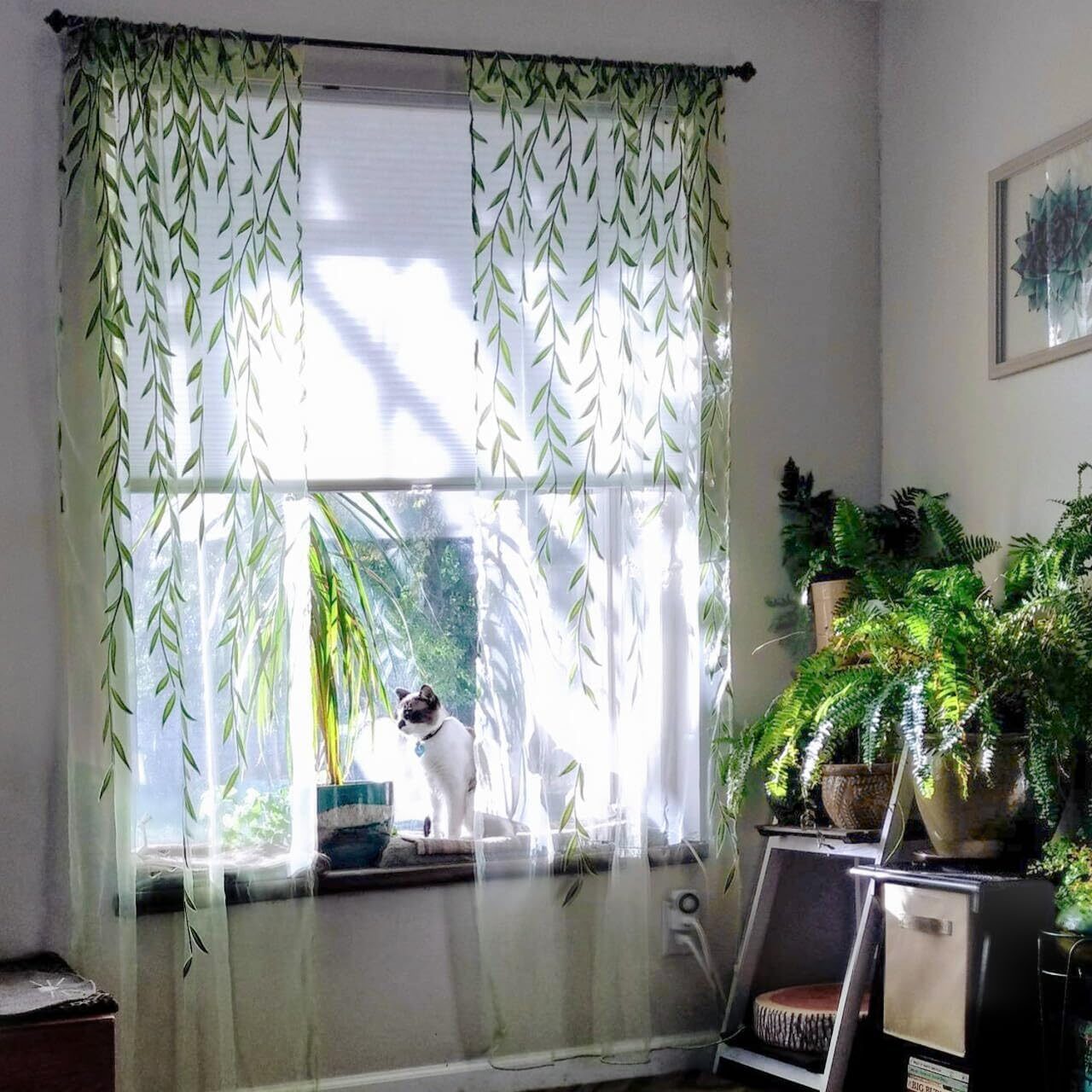
- Best: East window or a bright room with a sheer curtain; bright, indirect light is your friend.
- Avoid: Unfiltered midday sun that can scorch those thin leaves.
LED supplement:
- Use a full-spectrum white LED 4000–6500K, 8–12 inches (20–30 cm) above the plant for 12–14 hours daily.
- Keep intensity “bright-indirect,” not spotlight harsh; aim for a gentle, even wash of light.
Care tweak for color: If your reds look dull or stems stretch, increase quality/intensity of indirect light (cool-white, high-CRI) before you increase hours. If edges scorch or leaves feel papery, back off intensity or diffuse the light more.
Transpiration, VPD, and Fittonia’s “fainting spell”
Fittonia’s famously thin leaves dump water fast in dry air. In rainforest terms, it expects a low vapor pressure deficit (VPD)—basically, it wants the air to be humid so water doesn’t rocket out of the stomata.
- Sweet spot: At 21–24°C (70–75°F), 50–70%+ humidity keeps VPD modest and leaves plump.
- What you’ll see:
- Too dry air or dry soil: Curling, wilting, or a full-on dramatic flop. It often rebounds within hours of watering.
- Too wet for too long: Yellowing, soft leaves; risk of root/stem rot.
Humidity hacks:
- Pebble tray or humidifier near the plant
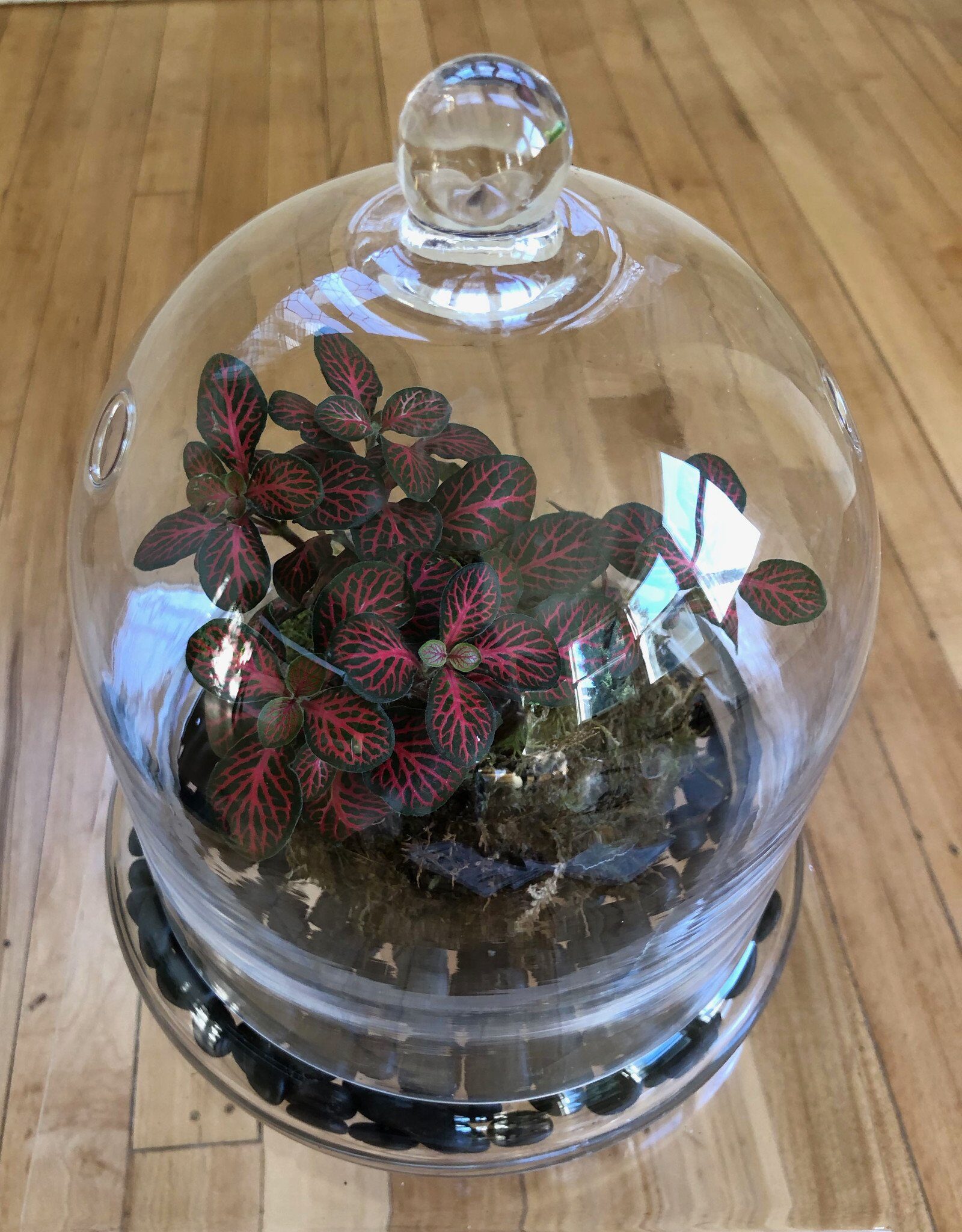
- Terrarium life? Ideal—but allow some airflow and avoid water sitting on leaves overnight.
- Keep away from heaters/AC vents and cold drafts.
Watering and soil: Keep it even, never swampy
- Mix: A rich, humus-heavy, well-draining blend. Try 2 parts peat- or leaf-mold–based potting mix + 1 part perlite (or coarse sand) for structure and airflow.
- Routine:
- Spring–summer: Keep evenly moist; never let the pot run bone-dry.
- Winter: Water a bit less but never allow a full dry-out; water at midday; keep room above 16°C (61°F).
- Practical method:
- Check the top 1–2 cm (about 0.5–1 in): if it’s just starting to dry, water thoroughly until a bit drains. Empty the saucer.
- Lift-the-pot test: learn the “just-watered” weight versus the “needs-water” weight to avoid guesswork.

Signals to watch:
- Underwatered: Curling, wilting, crispy edges; potting mix feels light and dry.
- Overwatered: Yellowing, soft leaves; lingering wet, heavy mix; sour smell; risk of root rot.
Feeding and growth shaping
- Fertilizer: Feed in spring and summer every 2 weeks with a diluted balanced fertilizer (e.g., 20-20-20). Avoid splashing onto leaves.
- Pinching: Regularly pinch or trim tips to keep the plant compact and bushy.
- Refresh cycle: Many growers “restart” older plants (around the 2-year mark) by taking fresh cuttings for a lush reset.
Temperature and placement
- Best growth: 18–25°C (64–77°F)
- Absolute minimum (especially in winter): Above 16°C (61°F)
- Placement: A bright spot with filtered light—a sheer-curtained window, a desk near bright light, or a terrarium. Keep far from drafts, vents, and space heaters.
Propagation and repotting
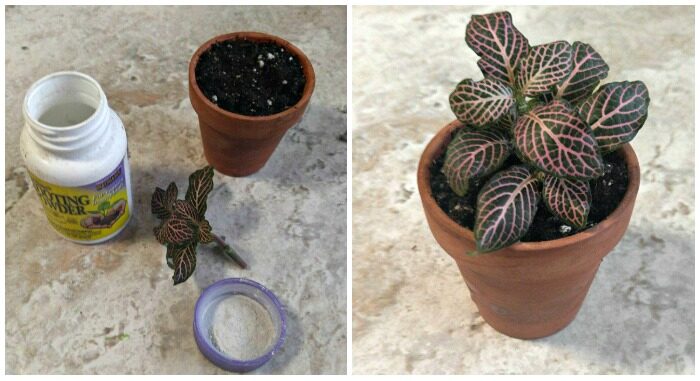
- Stem cuttings:
- In spring, take 10 cm (4 in) tip cuttings with 3–4 nodes.
- Remove lower leaves; let the cut end dry briefly.
- Insert into moist sand or a peat-based mix; keep around 20°C (68°F).
- Roots in 2–3 weeks. Plant several together for instant fullness.
- Division:
- Separate rooted, creeping sections and pot them up.
- Repotting:
- Typically grown in 12–15 cm (4.7–5.9 in) pots, often with 3–5 starts per pot for a carpet effect.
- Repot annually in spring into fresh mix; trim leggy growth; divide if desired.
Flowers (yes, but don’t blink)
- Season: Late spring to early autumn
- Reality check: Small and modest compared with the foliage; most folks grow Fittonia for the leaves.
Pests and diseases
- Pests: Scale, spider mites, and aphids. Mites surge in dry air.
- Management: Rinse foliage gently, improve humidity/airflow, use insecticidal soap or horticultural oil if needed.
- Diseases: Root/stem/leaf rot in soggy conditions; leaf spots if moisture lingers on foliage.
- Prevention: Well-drained mix, careful watering, and avoid water sitting on leaves overnight.
Pet safety
- Generally considered non-toxic to cats and dogs, though any nibbling can cause mild tummy upset in sensitive pets.
Troubleshooting by physiology
- Leaves curling or wilting: Usually low humidity or mix too dry; less often root stress from chronic sogginess. Restore even moisture and raise humidity.
- Dull color, stretched stems: Light is too weak or poorly rendered. Upgrade to bright, filtered natural light or a high-CRI 5000–6500K LED at the right distance.
- Yellowing, soft leaves: Overwatering and poor drainage. Improve aeration, let the top layer dry slightly between waterings, and check for root rot.
Styling the veins: Quick spectrum and placement cheat sheet
- To sharpen white veins: Bright, indirect light; high-CRI white LEDs help keep whites clean.
- To amplify pink/red veins: Use a cool-white (5000–6500K) source with some blue content for crisp contrast without stretch; keep intensity moderate and diffuse.
- For terrariums: Provide bright, filtered light and periodic fresh air; maintain high humidity but avoid stagnation.
A note on symbolism
Fittonia is sometimes linked with Virgo and described as symbolizing rationality and wisdom—apt for a plant whose map-like network of veins looks methodical and deliberate. The “living map” reads as thoughtfulness and design in nature, making it a fitting emblem for people who love pattern, precision, and quiet complexity.
Bottom line: Treat the Nerve Plant like a miniature rainforest creature—steady warmth, high-ish humidity, bright but softened light, and a consistently moist, airy substrate. Do that, and those neon veins won’t just show; they’ll glow.