

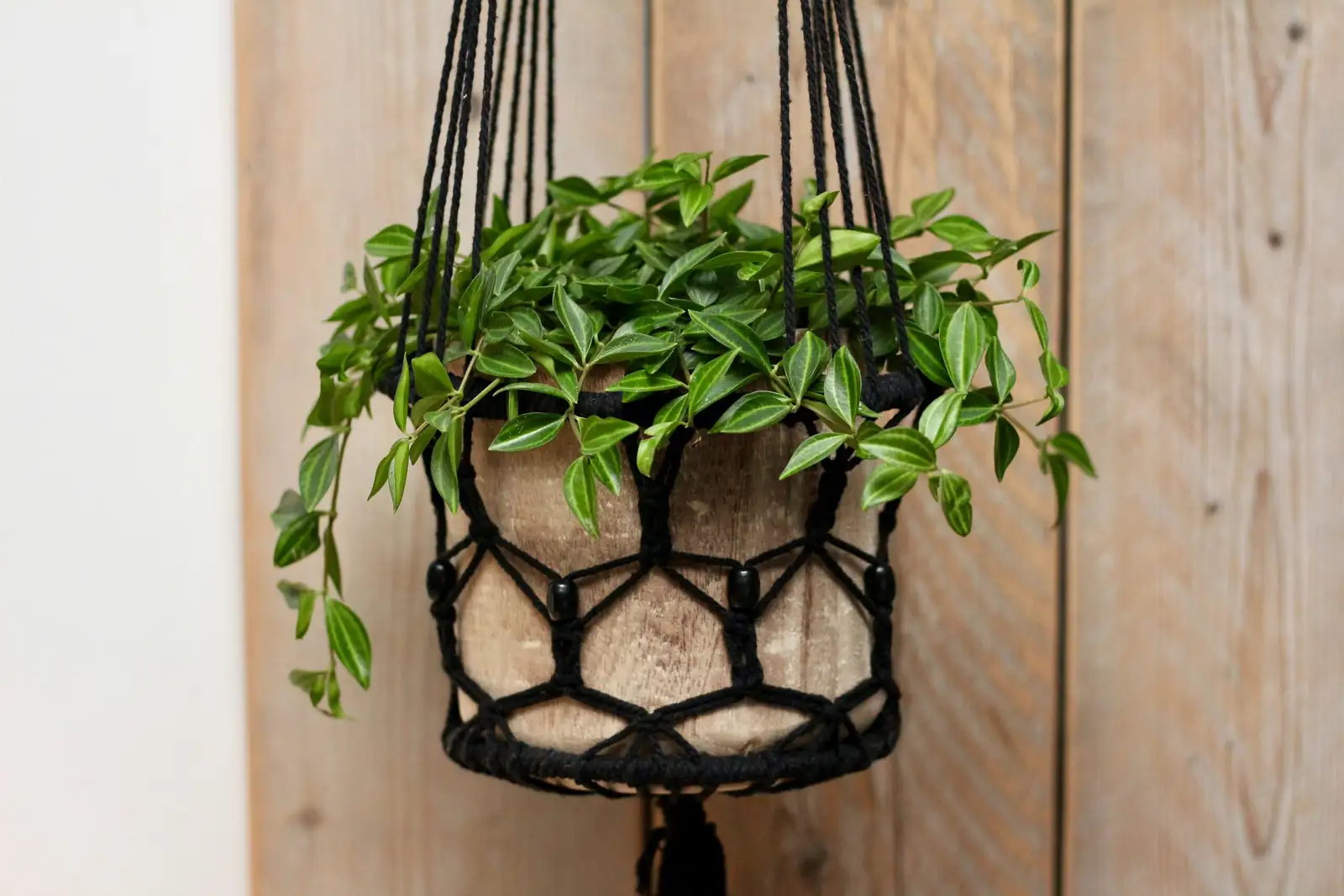
If you’ve ever tilted a pot of Tradescantia zebrina toward a window and watched the leaves flash silver, green, and royal purple, you know this plant doesn’t just grow—it performs. The Inch Plant is a fast, friendly trailer for shelves and hanging baskets, but its real magic is botanical optics: purple anthocyanins, reflective silver variegation, and colors that deepen or fade depending on how you light and feed it. Let’s pull back the curtain on that sheen, then translate the science into simple, repeatable care.
Meet the plant behind the silver-and-purple stripes
- Botanical name: Tradescantia zebrina (family Commelinaceae)
- Origin: Native to Mexico (often also cited across parts of Central America); widely naturalized in warm regions
- Habit: Trailing to creeping stems that root at nodes; perfect for hanging baskets and high shelves
- Foliage: Bold silver-and-green striping on top with lush purple undersides; new growth often shows stronger purple for a tricolor effect
- Flowers: Tiny, three-petaled pink-to-lavender blooms in good light, intermittently through the year indoors
Give it bright, filtered light, keep the potting mix lightly and evenly moist (never soggy), and don’t be shy with the scissors—pinching and trimming make it fuller and better-looking.
The science of purple: anthocyanins at work
Anthocyanins are the pigments that paint those plum tones. In Tradescantia zebrina, they’re most obvious on the leaf undersides and along young growth.
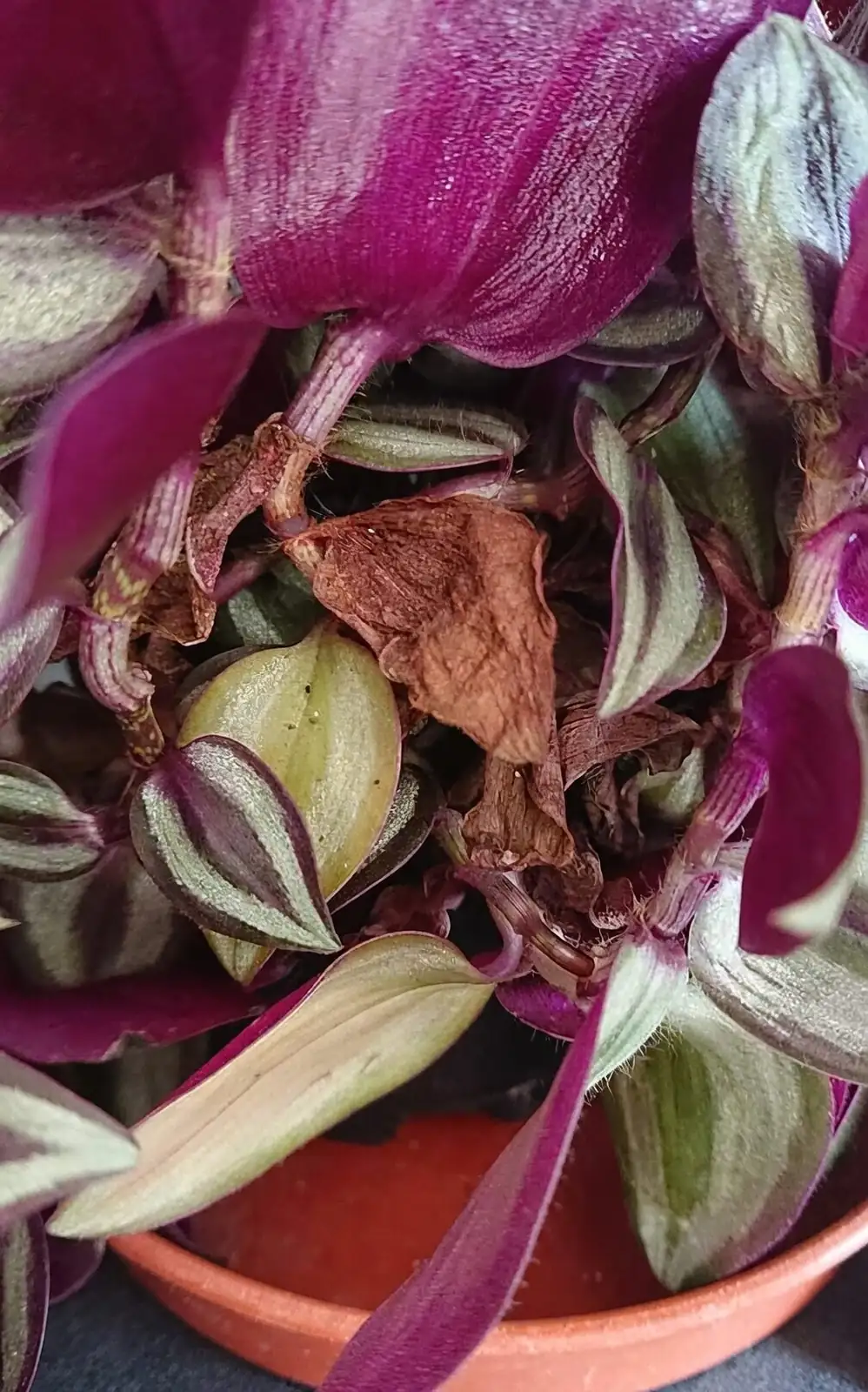
What anthocyanins do for the plant:
- Sun filter and stress buffer: They help shield photosynthetic tissues from excess light and oxidative stress—think of them as a botanical pair of sunglasses.
- Low-light assist: By tinting tissues, anthocyanins can modulate how light moves through the leaf, helping the plant balance light capture under bright or fluctuating conditions.
- Color cues: Stronger purple often correlates with bright (filtered) light, modest nutrient levels, and firm, compact growth. When conditions skew too soft—dim light or heavy nitrogen—purple can recede and green takes over.
Practical takeaway: Aim for bright, indirect light and moderate, not heavy, feeding to keep those purples punchy.
What makes the silver stripes shine?
The silvery bands aren’t “painted on.” They’re an optical effect produced by tissue structure.
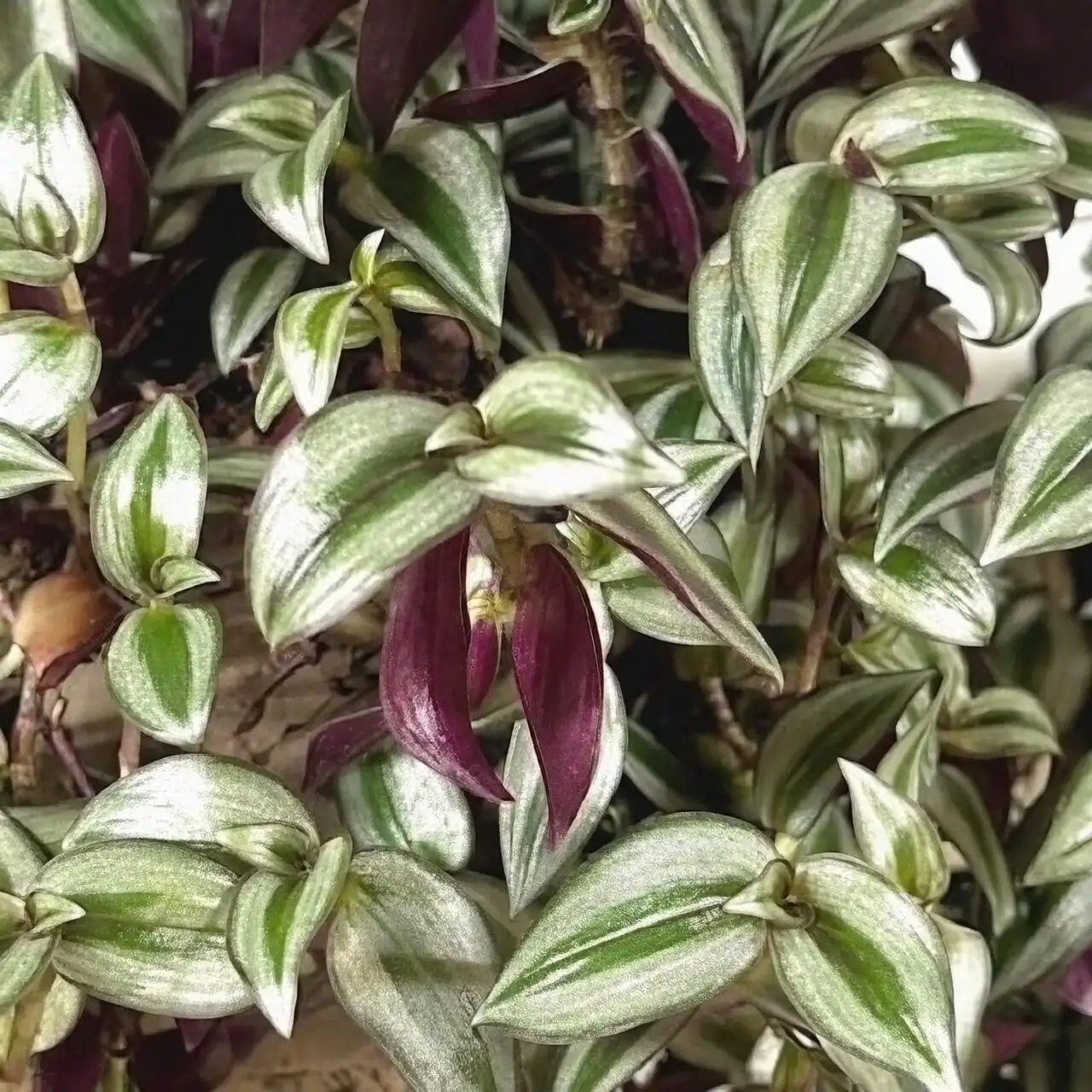
- Reflective variegation: In zebra-patterned leaves like T. zebrina, the silver stripes typically occur where upper leaf layers have little or no chlorophyll. Light hits those colorless, highly reflective cells (and tiny air–cell wall interfaces) and scatters back to your eye—much like frosted glass or fresh snow scattering sunlight.
- Depth and sparkle: Under bright, filtered light, the contrast between reflective stripes, green bands, and purple undersides looks crisper. In deep shade, stripes look duller; in harsh, direct midday sun, tissues can bleach or scorch and the pattern loses finesse.
Practical takeaway: Put the “mirror” to work—give the plant strong ambient light without the leaf-cooking intensity of midday summer sun.
Light intensity: the color dial you can control
Here’s how light shapes Tradescantia zebrina’s palette and posture:
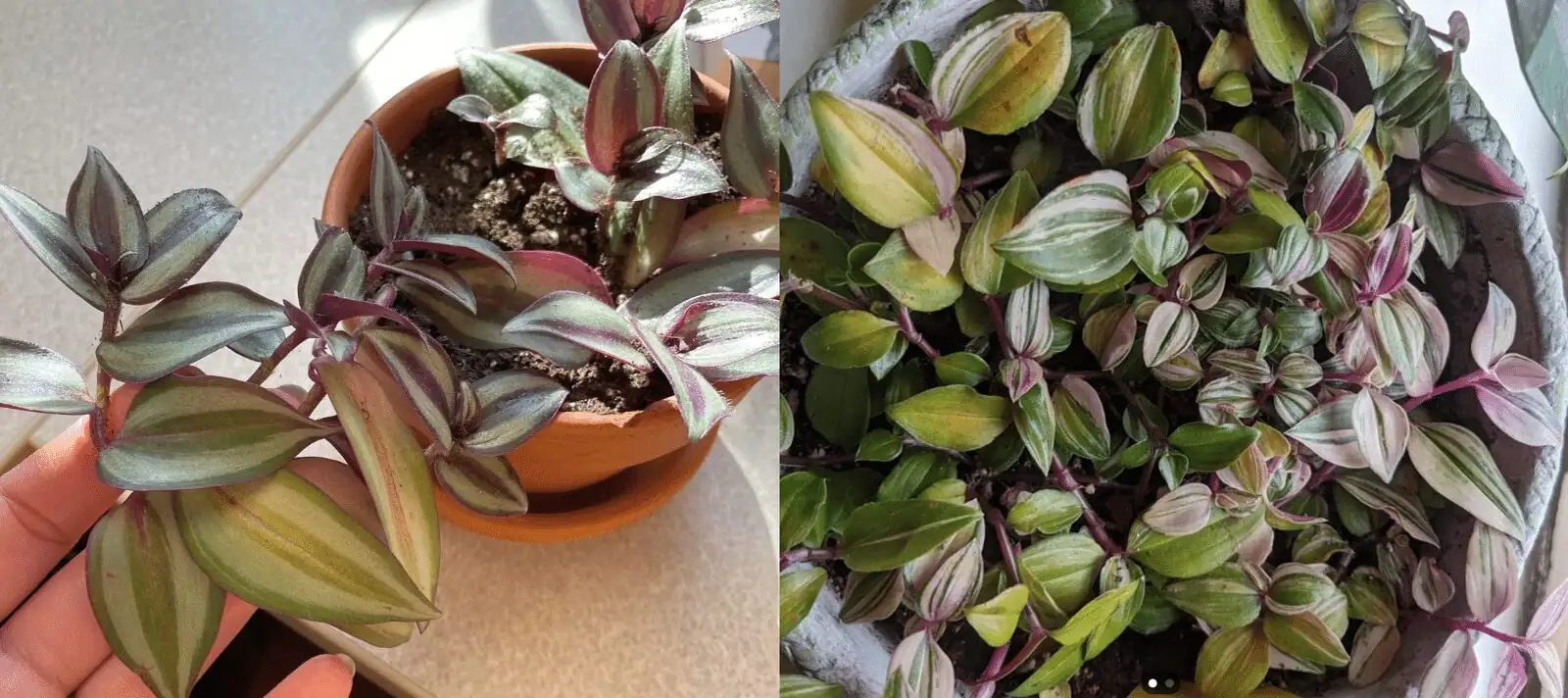
- Bright, indirect light (the sweet spot)
- Result: Richest silver striping and saturated purples; compact, bushy growth; more frequent flowering.
- Where: Near bright east or north windows; a bit back from a south/west window with a sheer curtain.
- Gentle morning sun
- Result: Extra pop without the burn. An hour or two is typically fine.
- Harsh midday/afternoon summer sun
- Risk: Scorch, yellowing, and a washed-out look.
- Low light
- Result: Stems stretch, internodes lengthen, older leaves drop, and foliage turns greener with muted stripes.
Simple light tests:
- Hand-shadow test: A soft-edged, clearly visible shadow = ideal bright indirect. No shadow = too dim. Razor-sharp shadow = too direct.
- Placement tip: Start 1–3 feet from a bright window and adjust weekly. Color not popping after two weeks? Nudge it a little closer.
Seasonal note: As days shorten, move it closer to the window or add a bright, diffuse grow light. Keep the lamp 12–18 inches above the foliage for balanced color without heat stress.
Nitrogen and color saturation: feeding for stripes, not salad
Nitrogen drives lush, green leaf production. Great for lettuce; risky for zebra stripes.
- What heavy nitrogen does:
- Softens and stretches growth, dilutes purple pigments, and makes the variegation look “washed out.”
- Feed smart during active growth (spring to early autumn):
- Use a balanced liquid fertilizer either every 2 weeks at a diluted rate, or about once a month at label strength.
- Watch the plant’s response. If growth is sturdy and colors stay strong, your schedule is right.
- Want more flowers? A bloom-leaning feed a few times in the season can help—but keep nitrogen moderate.
- Visual cues:
- Too much N or too little light: Greener, floppier stems; faded silver/purple.
- Well-balanced feeding in good light: Taut stems, saturated color, tidy internodes.
Practical takeaway: Pair bright, filtered light with modest, consistent feeding. Color follows.
Quick care that supports great color
- Watering
- Water thoroughly, let excess drain, and water again when the top 2–3 cm (about 1 inch) feels dry.
- Keep lightly and evenly moist spring–autumn; slightly drier in winter.
- Underwatering + dry air = crispy tips; waterlogging = root/stem rot. Drainage is essential.
- Soil
- A loose, fertile, fast-draining mix: roughly 3 parts quality potting mix to 1 part perlite or coarse sand.
- Temperature and humidity
- Best around 18–22°C (64–72°F); generally fine between 12–24°C (54–75°F). Keep above 10°C (50°F) and protect from cold drafts.
- Average home humidity is okay; brown tips in very dry air can be improved with a humidity tray and good airflow.
- Pruning and shaping
- Pinch tips often to trigger branching and keep a thick cascade.
- If it gets leggy, cut back hard and re-root the healthiest tips—this “refresh” every 1–2 years keeps color and fullness high.
- Propagation
- Exceptionally easy. Take 7–12 cm (3–5 in) stem cuttings, strip lower leaves, and root in water or moist mix with at least a couple of nodes buried. Roots often appear in about a week to 10 days. Plant several cuttings together for a lush pot.
Troubleshooting the palette
- Colors look dull, stems are stretchy
- Likely cause: Low light and/or excess nitrogen.
- Fix: Increase bright, indirect light; trim to encourage branching; reduce nitrogen-heavy feeding.
- Leaves scorching or yellowing at edges
- Likely cause: Harsh midday sun or heat build-up.
- Fix: Move to filtered light; add a sheer curtain; increase airflow.
- Tips browning
- Likely cause: Underwatering or very dry air.
- Fix: Water as soon as the top inch dries; consider a humidity tray and steady airflow.
- Green takeover of variegation
- Likely cause: Deep shade or overfeeding.
- Fix: Brighten the light; feed modestly; refresh with colorful tip cuttings if needed.
Where to place it for jaw-dropping color
- Indoors: Bright east or north windows; one step back from bright south/west glass with a sheer.
- Porches/balconies: Bright shade or dappled light; shield from strong summer sun.
- Outdoors in frost-free climates (Zones 10–12): It can creep and root at nodes—manage clippings responsibly so it doesn’t escape cultivation.
Safety, spread, and stewardship
- Sap can irritate sensitive skin; gloves help when pruning.
- If chewed, it may cause mild mouth or stomach upset in pets or children—keep it out of reach.
- In warm, frost-free regions it can spread aggressively. Compost or discard trimmings responsibly rather than tossing them outdoors.
A note on symbolism and names
Many plant lovers associate Tradescantia zebrina with resilience and adaptability—qualities you see every time it rebounds from a haircut or bounces back after being re-rooted. Historically, one older common name is now widely considered offensive; friendlier names like Inch Plant, Silver Inch Plant, or Wandering Dude are preferred in modern usage.
Your color game plan, in one glance
- Light: Bright, indirect light with gentle morning sun = maximum silver sheen and purple depth.
- Fertilizer: Balanced, modest feeding; avoid heavy nitrogen to keep stripes vivid.
- Prune: Pinch often for denser growth and richer color per leaf.
- Refresh: Re-root tips every 1–2 years for a pot that looks perpetually new.
Do these four things and your Tradescantia zebrina will keep throwing that irresistible silver-purple spotlight—no stage crew required.