

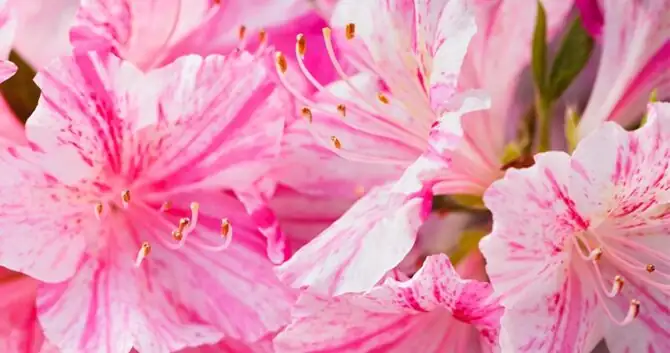
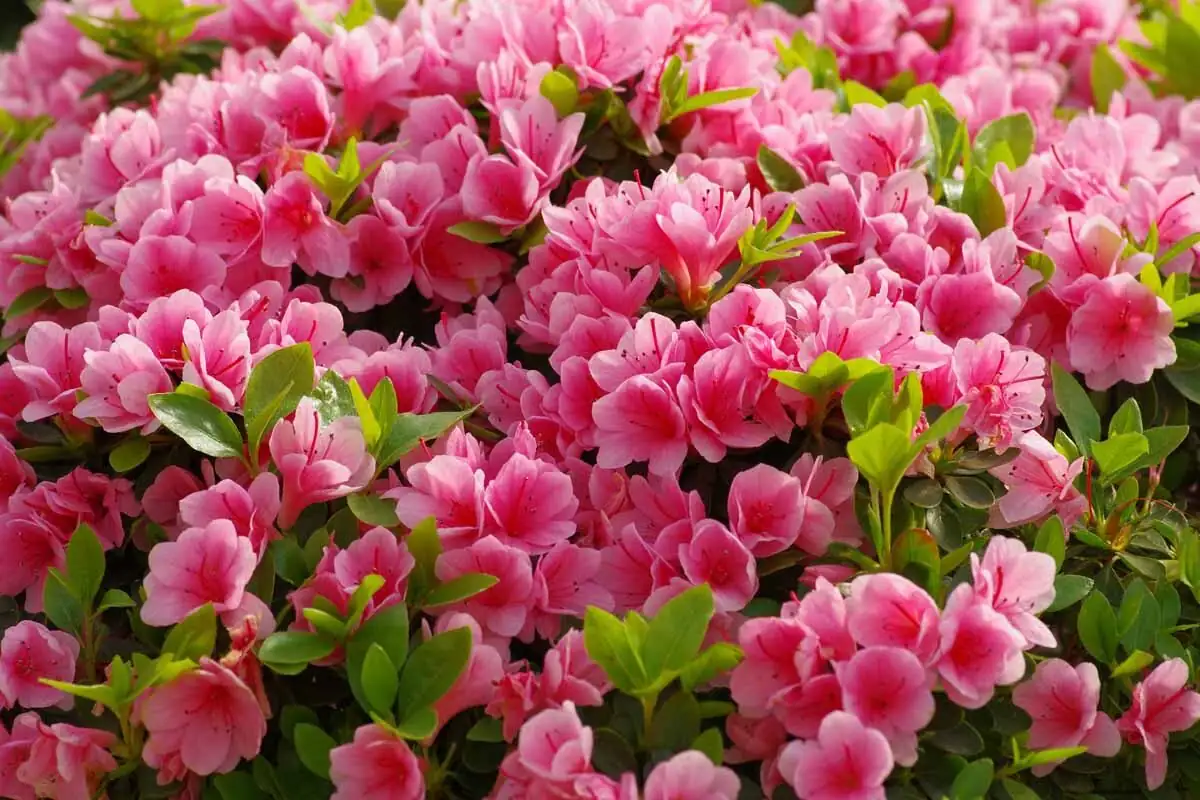
Belgian azaleas are the living bouquets that light up late winter and early spring. Keep them just a little cool, a little humid, and gently bright—and they’ll repay you with weeks of color. Here’s your evidence-based playbook to make the display last, and even coax repeat flushes later in the year.
Meet the plant
- What it is: Rhododendron Simsii Group—compact, evergreen florist azalea hybrids refined in European greenhouses for pot culture and heavy winter-to-spring bloom. In shops you’ll often see them sold under the catch-all name “Rhododendron indica.”
- Look and size: A dense, mounded mini-shrub with glossy green leaves and clusters of funnel-shaped flowers in pinks, reds, whites, and bicolors. Typical pot size 15–20 cm (6–8 in); plant height and spread 30–60 cm (12–24 in).
- Why they can be finicky: Their roots are fine and shallow. That means fast stress if you let them dry out—or sit wet.
The longevity formula: microclimate matters
The same science that keeps cut flowers fresh applies here. Cool air slows aging; steady humidity and moisture prevent stress; airflow discourages fungal blights; and avoiding ethylene gas prevents bud drop. Put these levers to work:
Light: bright and gentle
- Aim for bright light with soft sun. An east window is ideal; a bright south window works if you block harsh midday rays.
- Outdoors in mild spells: morning sun or bright shade; always shield from hot afternoon sun.
Why it works: Strong light without scorch fuels buds without overheating or exhausting the plant.
Temperature: cool extends bloom
- Sweet spot: 12–25°C (54–77°F), with best performance in the mid-teens to low 20s °C (upper 50s to low 70s °F).
- Keep above 10°C (50°F) indoors; protect from frost.
- Avoid heat above 30°C (86°F)—it shortens flowering and stresses roots.
Why it works: Cool temps slow metabolic and ethylene-driven petal aging, keeping blooms in prime longer.
Humidity: 50%+
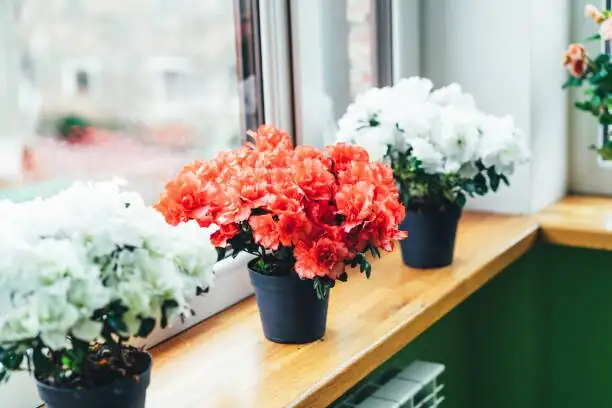
- Target 50% or higher. Use a pebble tray (pot on pebbles above water line) or a room humidifier.
- If you mist, do it lightly during hot, dry periods and only when foliage will dry promptly; avoid leaving leaves wet in cool rooms.
Why it works: Adequate humidity reduces wilting and bud blast without inviting leaf spot.
Airflow: fresh, not gusty
- Space plants so leaves don’t touch, crack a window for gentle exchange, or run a small fan on low across the room.
- Avoid heater or AC blasts that parch buds.
Why it works: Air movement deters fungal spotting and sooty mold while keeping the microclimate even.
Water: steady, never soggy
- During bloom, steady moisture is key. Water when the top 1–2 cm (0.4–0.8 in) of mix begins to dry.
- Always drain fully; never let the pot sit in a saucer of water. Never allow the rootball to go bone-dry.
- Use an acidic, free-draining mix and, if your tap water is hard, consider rainwater to avoid raising pH.
Why it works: Fine azalea roots crash from extremes—both drought and waterlogging.
Ethylene: keep flowers away from ripening fruit
- Do not display your azalea near a fruit bowl or inside a busy kitchen where ethylene accumulates (bananas, apples, avocados).
- Keep the plant in a cool, airy, fruit-free zone.
Why it works: Azalea buds and flowers are ethylene-sensitive; exposure accelerates bud drop and petal shatter.
Deadhead decisively
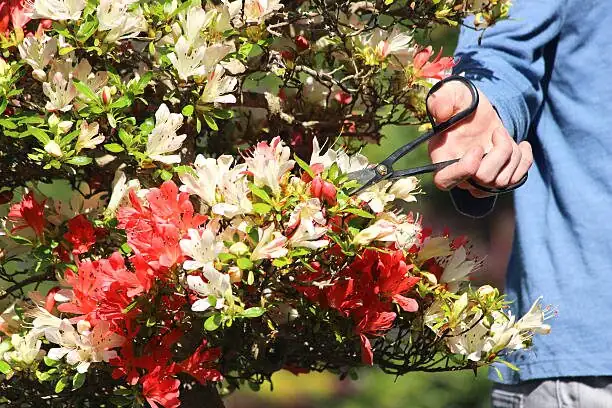
- Remove spent blooms as soon as petals fade, pinching off the entire flower head so it doesn’t set seed.
- Be gentle with the buds beneath and wear gloves—the plant is toxic if ingested.
Why it works: Timely deadheading keeps the display tidy, reduces disease, and directs energy to new growth or the next flush.
The “first week” setup
- Choose well: Select a compact, well-branched plant with glossy leaves, no webbing or sticky residue, and lots of plump buds with roughly 20% just opening.
- Unwrap and drain: Remove any decorative foil so water can exit freely.
- Place smartly: Bright, cool, humid, and airy—away from heaters, cold blasts, and fruit bowls.
Watering rhythm through the seasons
- Spring (post-bloom/growth): roughly twice weekly, adapting to your room’s drying rate.
- Summer: water thoroughly when the top 1–2 cm dries; keep it cool and raise humidity; strictly avoid prolonged heat >30°C (86°F).
- Autumn: reduce gradually; often 2–3 times per week, depending on indoor climate.
- Winter (common flowering time): keep above 10°C (50°F); water about weekly, or in smaller, more frequent sips to maintain even moisture.
Always drain excess; both drought and sogginess cause rapid decline.
Soil, pots, and repotting
- Soil: Use a fertile, airy, well-drained acidic (ericaceous) mix—peat or leaf mold with perlite/coarse sand.
- Pots: Ensure excellent drainage. Azaleas often thrive long-term in 15–20 cm pots; only step up if roots are genuinely crowded.
- Repotting: Annually in spring or right after flowering. Handle gently—roots are brittle.
Feeding and pH finesse
- Feed lightly during active growth every two weeks with an azalea/rhododendron fertilizer.
- If leaves yellow while veins stay somewhat green (common in alkaline conditions), apply a labeled chelated iron product to correct iron chlorosis.
- Avoid heavy feeding—salt buildup burns roots and can trigger sudden decline.
Shaping, pruning, and the promise of rebloom
- After flowering, pinch or prune to refine a dense, rounded canopy. Remove leggy shoots, excess interior twigs, and any dead or diseased wood to improve airflow.
- With excellent care indoors, some plants can bloom 2–3 times a year. Cool nights, bright gentle light, and tip-pinching after each flush help set the next round of buds.
Outdoors or in? Hardiness and placement
- Treat florist azaleas as container plants. Many are not reliably hardy outdoors.
- In mild climates, some cultivars cope outside roughly in USDA Zones 8–11 (often cited 8–10), but freezing weather can damage or kill them.
- Spring to autumn in mild spells: give morning sun or bright shade, shelter from heavy rain, hot afternoons, and heat spikes. Bring indoors before frost.
Common problems and quick fixes
- Leaf drop, especially fast: Hot, dry air and spider mites are prime suspects. Move to a cooler, brighter, more humid spot with airflow, and inspect undersides for speckling or fine webbing. Treat early with insecticidal soap or horticultural oil.
- Buds falling before opening: Usually stress—low light, warmth, dry air, stale air, or watering swings. Shift to a bright, cool, airy location and keep moisture consistent.
- Yellowing leaves (not old-age shed): Often alkaline water/soil locking up iron. Use rainwater if possible and correct with chelated iron; ensure your mix is acidic.
- Leaf spot or sooty mold: Improve ventilation, avoid wet leaves late in the day, and remove affected foliage. Use a labeled fungicide if needed.
Safety note
All parts are toxic if ingested (grayanotoxins). Keep away from children and pets, and wash hands after pruning or deadheading.
A brief history and what the “flower language” really says
- Heritage: Today’s Belgian/European florist azaleas were bred for compact habit and heavy greenhouse flowering—perfect for winter gift seasons when the garden is quiet.
- Symbolism with a pinch of salt: Modern “flower language” traces to Victorian floriography and older East Asian associations. While attributions vary, Belgian azaleas are widely gifted as emblems of tender affection, elegance, the joy of love, and a gentle “take care of yourself.” Enjoy the sentiment—but let the plant’s presence in your space be the meaning that matters most.
Month-by-month care snapshot
- Spring: Keep evenly moist; repot now or right after bloom; pinch for shape and airflow; begin light feeding.
- Summer: Shield from heat and harsh sun; water deeply as the surface dries; maintain 50%+ humidity; monitor and manage spider mites/scale.
- Autumn: Transition to a bright, cool, well-ventilated spot; taper watering slightly without letting the rootball dry.
- Winter: Bright and cool (above 10°C/50°F), steady moisture, higher humidity, and no heater blasts—this is the recipe for the longest bloom show.
Propagation (for the keen grower)
- Semi-ripe cuttings (late spring to early summer): Take 12–15 cm (4.7–5.9 in) cuttings, strip lower leaves, and root in a warm, humid, free-draining medium. Expect roots in about 8–10 weeks.
- Air-layering (spring): On mature wood, layering typically roots in 4–5 months.
- Grafting is also used commercially.
Quick shopping checklist
- Canopy: Symmetrical, densely branched, and sturdy.
- Foliage: Glossy deep green; no spots, tears, stickiness, or webbing.
- Buds and blooms: Many plump buds with about 20% just opening; avoid plants with browning flowers or buds already dropping.
- After purchase: Bright light, airflow, and cool conditions right away. Keep above 10°C (50°F), and don’t hide it in a dim, stuffy corner.
The 5-minute longevity plan
- Place in bright, indirect light with gentle morning sun.
- Keep room cool—ideally mid-teens to low 20s °C—with 50%+ humidity.
- Water when the top 1–2 cm dries; drain completely, never soggy, never bone-dry.
- Run gentle airflow; deadhead promptly.
- Keep far from ripening fruit and heat vents.
Do these five, and your Belgian azalea becomes what it was bred to be: a compact, evergreen fountain of color that carries you through winter—and with a bit of finesse, into another bloom cycle or two.