

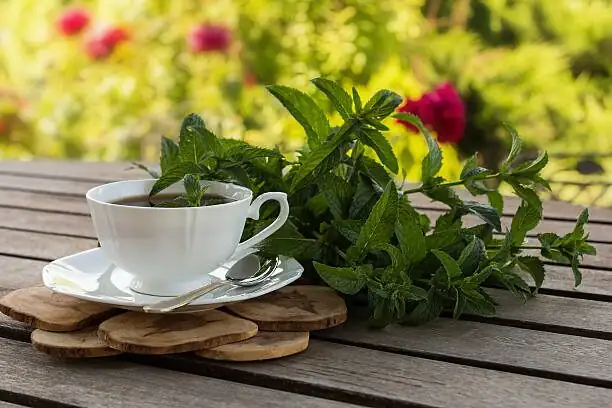
Peppermint is the friend who always shows up with fresh ideas—and then decides to redecorate the whole room. Mentha × piperita grows fast, smells glorious, feeds pollinators, and flavors everything from iced tea to desserts. It also loves to roam. The good news? With smart containment—root barriers, in-ground pots, and tidy troughs—plus a simple annual lift-and-divide, you can keep a lush, productive mint patch perfectly in bounds.
Meet Peppermint at a Glance
- Scientific name: Mentha × piperita (family Lamiaceae)
- Origin: Native to Europe and Asia; now widely grown in temperate regions
- Habit: Herbaceous perennial; clump-forming above ground, spreading by vigorous underground rhizomes
- Size: Typically 30–90 cm tall outdoors; in containers, often kept 15–30 cm with regular harvesting
- Light: Full sun to partial shade (brighter light = better flavor)
- Hardiness: Foliage is frost-tender; rhizomes can survive to about −15°C (5°F). Often suited to USDA Zone 5–9
- Perks: Fragrant, moisture-tolerant, container-friendly, pollinator-magnet flowers in summer
Why Peppermint Runs (and How to Turn That into an Advantage)
Peppermint spreads via underground rhizomes that knit into a dense, aromatic carpet. In a damp corner or near a pond edge, that vigor can be fabulous as a flowering groundcover—if you set limits. Think of containment as a garden seatbelt: you still enjoy the ride, you just don’t end up in the hedges.
Get the Site and Soil Right
- Sun: Full sun to partial shade; balconies and bright windowsills work well
- Soil: Rich, fertile, well-drained yet moisture-retentive (loam-based mix with compost plus sand/perlite)
- Water: Keep evenly moist in active growth; never bone-dry for long
- Temperature: Best at 20–30°C (68–86°F)
- Humidity: Likes steady moisture; light misting can help in hot, dry air
Three Landscape-Smart Ways to Contain Peppermint
1) Root Barriers: Invisible Fences for Rhizomes
Use root barriers when you want mint in the ground but not everywhere.
- Materials: Sturdy plastic or metal barrier; even repurposed sheet metal can work
- Depth and height: Bury 30–45 cm (12–18 in) deep; leave 2–5 cm (about 1–2 in) above the soil surface to block rhizomes at the top edge
- Layout: Install in a circle or arc around the planting area with enough internal space for a good clump
- Install steps:
1) Dig a slit trench to the target depth
2) Set the barrier with the top lip above grade and join seams snugly
3) Backfill and firm
4) Plant your peppermint inside, then mulch
- Maintenance: Once or twice a year, do an “edge patrol” and clip any rhizomes trying to bridge over the lip
Pro tip: Pair barriers with mulch to make scouting and snipping any escape attempts easy.
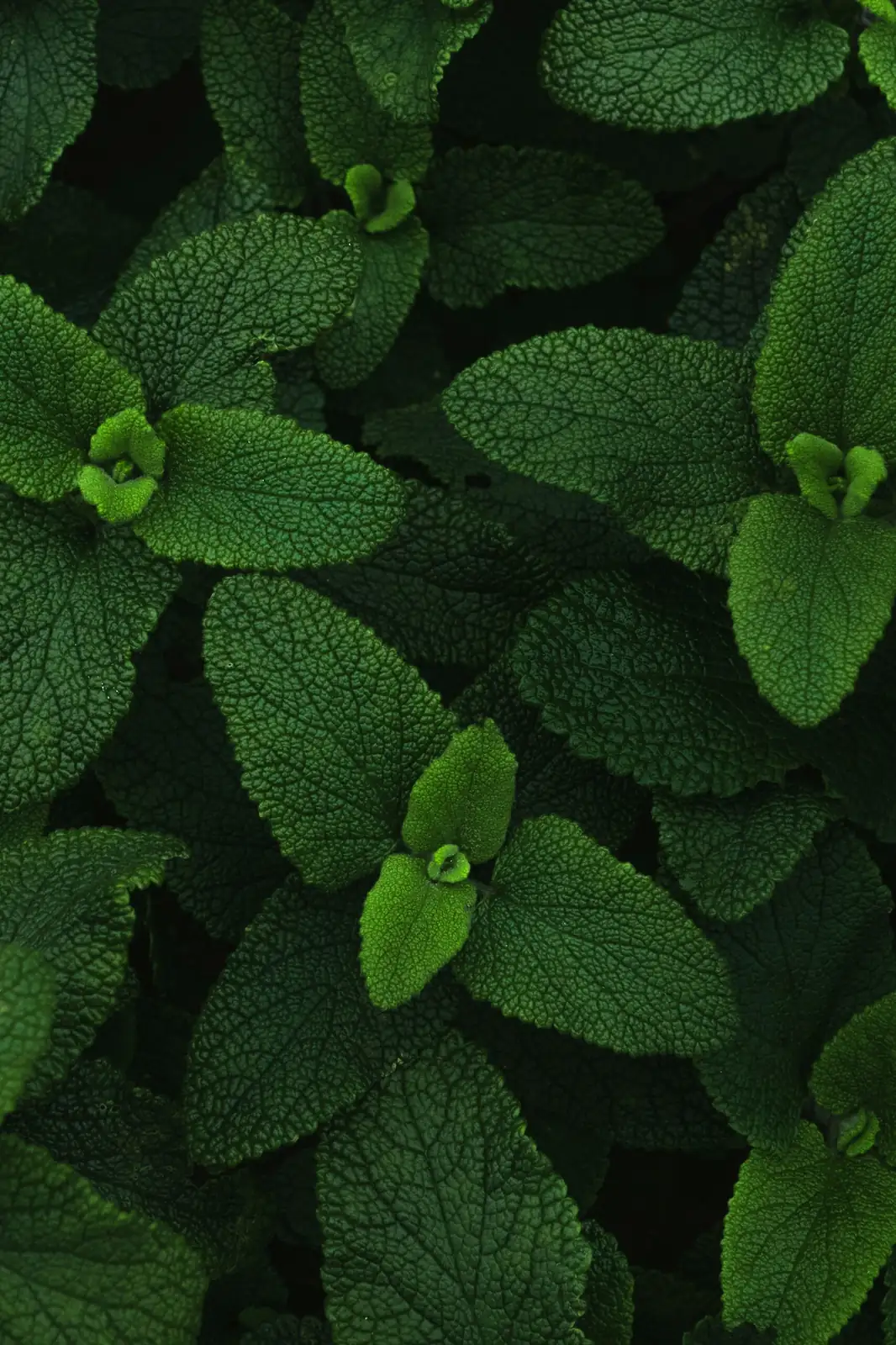
2) In-Ground Pots: Sink the Container, Save the Border
This method keeps your beds neat and your mint corralled.
- Choose a pot with drainage holes; terracotta or sturdy plastic both work
- For a lasting patch, use a generous container at least 30 cm (12 in) deep
- Sink the pot so 2–5 cm (about 1–2 in) of rim sits above soil level
- Fill with a fertile, moisture-retentive mix and plant
- Water as you would a potted herb; feed during the growing season
Starter tip: Young plants often come in 8–15 cm (3–6 in) nursery pots; you can slip three small plants into a 12–15 cm (4.7–5.9 in) pot to start, then upsize to a deeper, wider container for long-term, in-ground use.
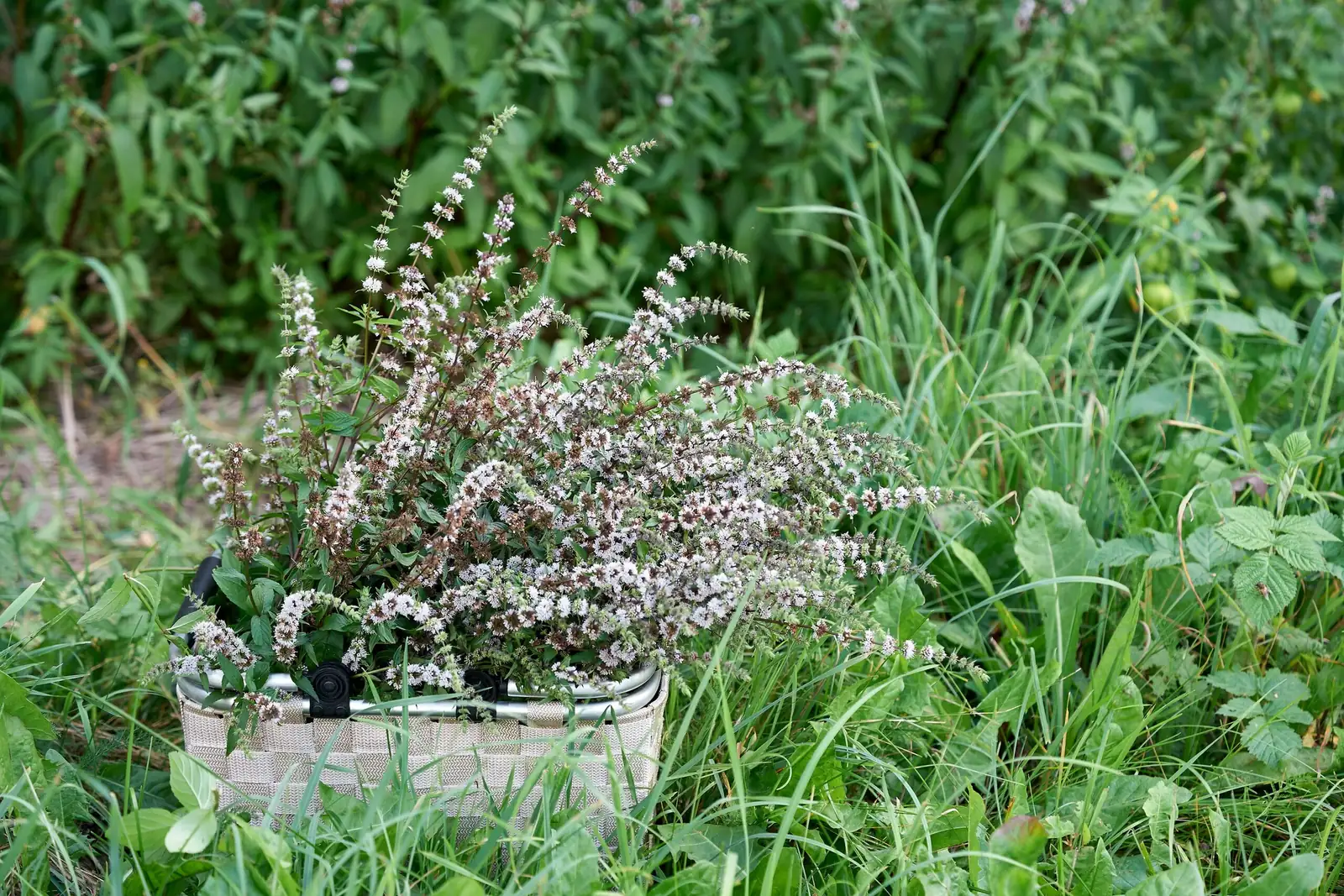
3) Troughs and Raised Planters: The Mint Lane
Long, narrow planters make handsome, disciplined mint runs along paths or patio edges.
- Keep the base solidly separated from garden soil to prevent rhizome escape
- Use a loam-based mix amended with compost; ensure excellent drainage
- Space plants to allow quick fill-in, then rely on frequent harvesting to keep a low, plush canopy
Design note: A slim trough of peppermint near outdoor seating turns every summer breeze into free aromatherapy—and its summer blooms bring bees and butterflies right to eye level.
The Annual Lift-and-Divide Routine
Peppermint loves a reset. A once-yearly lift-and-divide keeps it lush, flavorful, and contained.
When to do it:
- Prime time: March (repot/divide)
- Also good: April–May or early November (for in-ground divisions)
How to do it:
1) Lift the clump or slide the root ball from the pot
2) Shake off tired soil
3) Discard weak, stringy pieces; keep thick, pale, vigorous rhizomes
4) Replant into fresh, fertile mix (or freshened garden soil within your barrier)
5) Water in, keep in partial shade to recover
6) About one week later, give a light feeding once
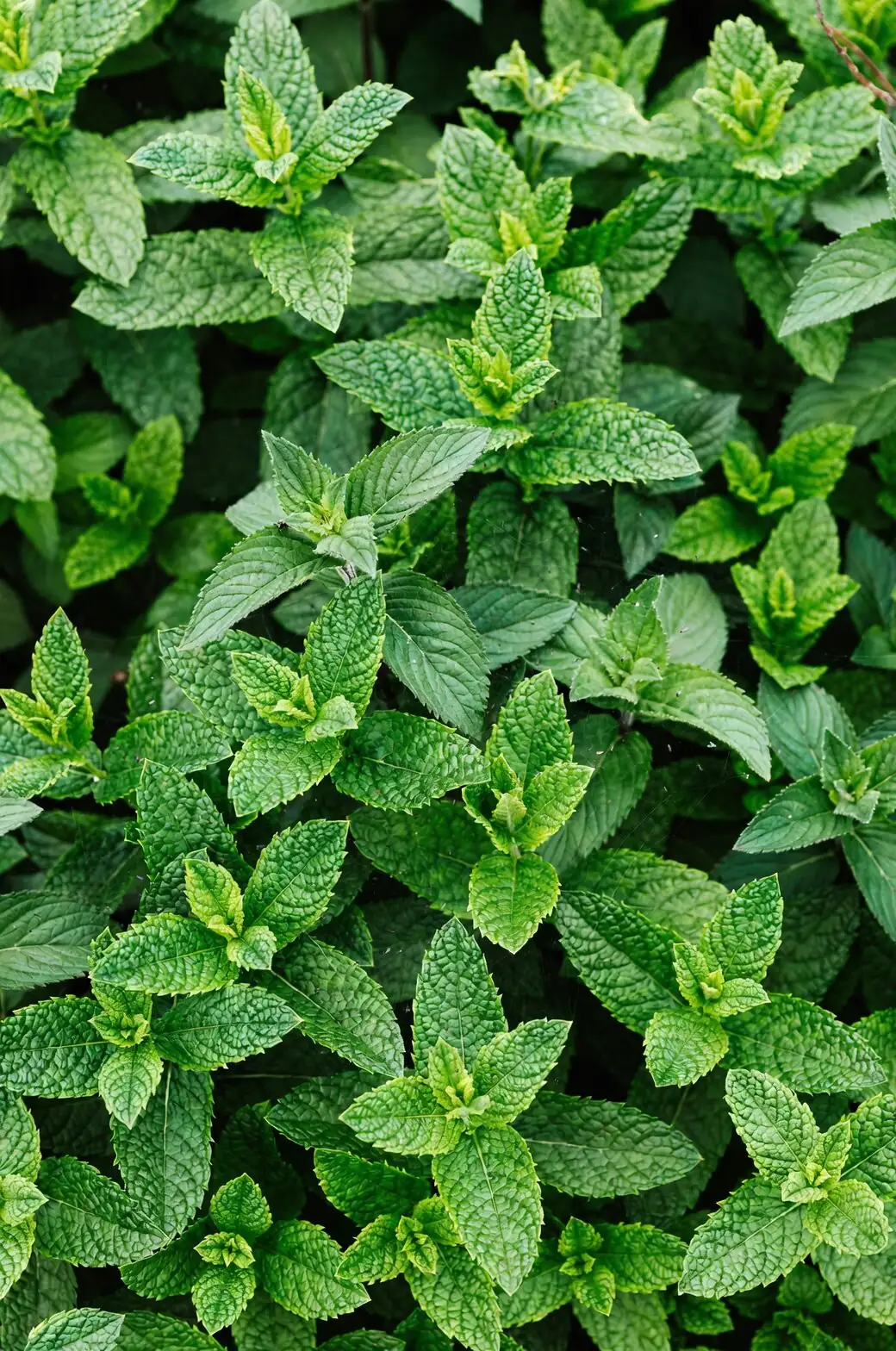
Rhythm: Most gardeners reset annually; if growth is moderate, every 18–24 months can suffice. The key is not letting rhizomes become a dense, exhausted mat.
Pinch, Harvest, Repeat: Keeping Mint Compact and Productive
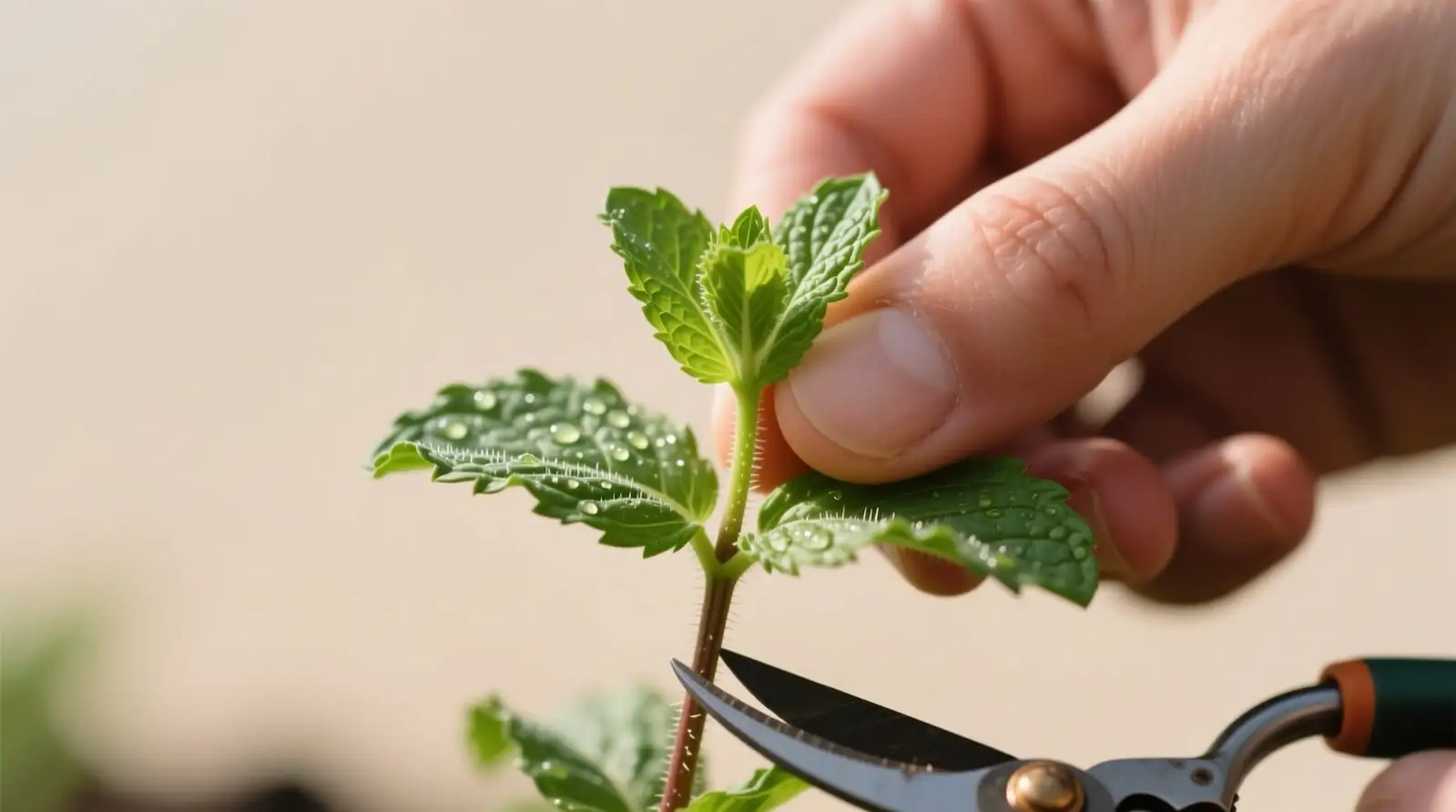
- Pinch when shoots reach 15–20 cm (6–8 in) to encourage branching
- For harvests, cut stems back, leaving about 10 cm (4 in); it resprouts readily
- Once established, you can often take 3–4 generous cuts a season
- Flavor tip: Brighter light gives punchier leaves—great for tea, cocktails, and sauces
Watering and Feeding Made Simple
- Water: Keep evenly moist; water when the surface just starts to dry
- Summer: In hot, dry spells, a light mist can reduce leaf stress
- Feeding: Work compost in at planting; then feed every 2 weeks in active growth (weekly with a diluted, well-rotted liquid feed in peak summer). Stop feeding when top growth naturally winds down
Overwintering and Cold Smarts
- Top growth may be damaged below 0°C (32°F), but rhizomes typically survive to about −15°C (5°F)
- In very cold regions, container growing makes overwintering and spread-control easier
- For indoor overwintering, aim for 10–12°C (50–54°F) and water sparingly
Pests and Diseases: Prevention First
- Common issues: Powdery mildew, gray mold, rust, leaf spots/blight; caterpillars (cutworms, armyworms) in warm months
- Prevention:
- Space plants and improve airflow
- Avoid wetting foliage late in the day
- Remove affected leaves promptly
- Use locally approved controls only if needed and follow label directions
Landscape Design Tips That Keep Mint in Its Lane
- Kitchen-door troughs: Instant snip-and-cook convenience
- Pond-side planters: Take advantage of mint’s moisture love—inside barriers or containers
- Patio herb bar: Group separate containers (mint in its own!) for chives, parsley, thyme, and basil
- Pollinator ribbon: A narrow, contained run for summer bee-and-butterfly traffic
Buying and Starting New Plants
- Choose plants with a bold peppermint scent and fresh green leaves
- Avoid blackened stems, visible mildew, or severely root-bound specimens
- Propagation options:
- Cuttings (May–July): 10 cm tips, strip lower leaves, stick into sand/vermiculite—roots in ~2 weeks
- Division (April–May or early November): Replant the thickest, healthiest rhizomes
- Seed: Surface-sow indoors; keep evenly moist and bright (tiny seeds need light)
Use Your Harvest
- Fresh or dried leaves for tea, desserts, sauces, and savory dishes
- Peppermint oil flavors sweets and liqueurs
- Home-style comfort: Simmer fresh leaves, strain, and stir the infusion into rice porridge for a gentle, cooling dish
Symbolism and “Flower Language”
Peppermint is commonly associated with freshness, clarity, and hospitality—intuitive meanings that arise from its cooling aroma, clean taste, and long tradition of welcoming guests with a fragrant sprig or a mint tea. Rather than a strict coded “flower language,” these associations reflect centuries of culinary and herbal use across Europe and Asia, where mint signaled refreshment and an open door.
Safety Notes
- Generally non-toxic as a culinary herb when used normally
- Concentrated peppermint essential oil can irritate skin and mucous membranes—keep essential oils away from children and pets
Quick FAQ
- Can I use peppermint as a groundcover? Yes, in moist spots it makes a fragrant, flowering carpet—just use root barriers or containers to prevent overrun.
- How deep should my root barrier be? Aim for 30–45 cm (12–18 in) deep, with 2–5 cm (about 1–2 in) above the soil.
- How often should I divide? Yearly is ideal for lush growth and control; every 18–24 months in slower patches.
- Can I grow it on a windowsill? Absolutely—give it bright light, keep the mix evenly moist, and pinch regularly to keep it compact.
With a boundary and a springtime reset, peppermint turns from garden renegade into your most reliable, good-mannered herb—lush, delicious, and always exactly where you want it.