

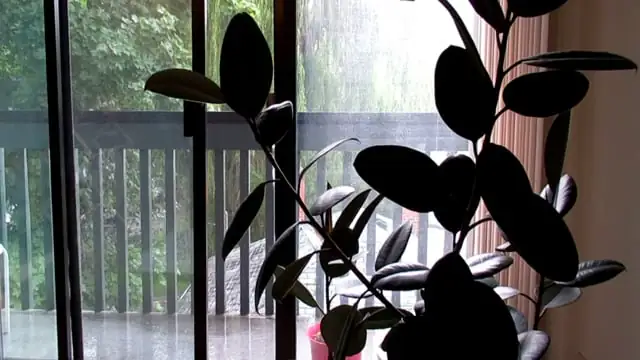
If you’re looking to add a touch of tropical elegance to your indoor space, the Rubber Plant—scientifically known as Ficus elastica—might just be your perfect match. With its glossy, robust leaves and easygoing nature, this plant is a favorite among indoor gardeners, whether you’re new to the plant world or a seasoned green thumb. Let’s dive into how you can keep your Rubber Plant thriving year-round with a focus on watering, light conditions, and seasonal adjustments.
The Right Light: Finding the Sweet Spot
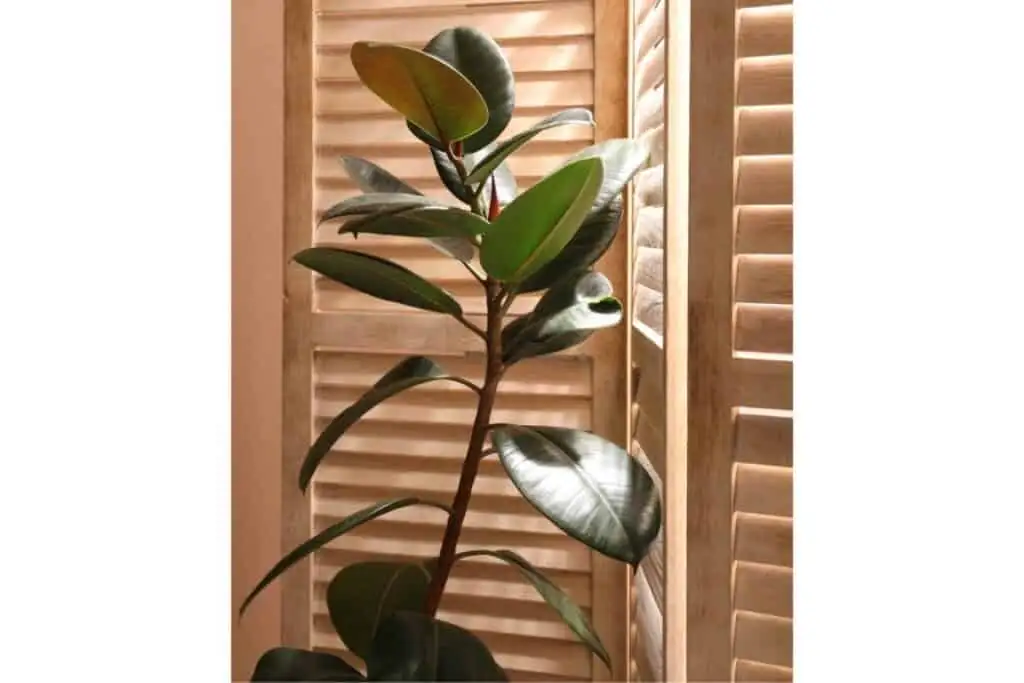
When it comes to light, Rubber Plants have a bit of a Goldilocks complex—they like it just right. Ideally, place your Rubber Plant in bright, indirect light. Think of a spot near an east or west-facing window where the light is filtered. While they can tolerate medium light, you’ll notice slower growth and leggier stems in dimmer spots. Variegated varieties have a particular fondness for a bit of gentle morning sun to highlight their unique leaf patterns. However, heed this warning: harsh midday sun can scorch those lustrous leaves, so keep the midday rays at bay!
Watering Wisdom: Avoiding the Dreaded Root Rot
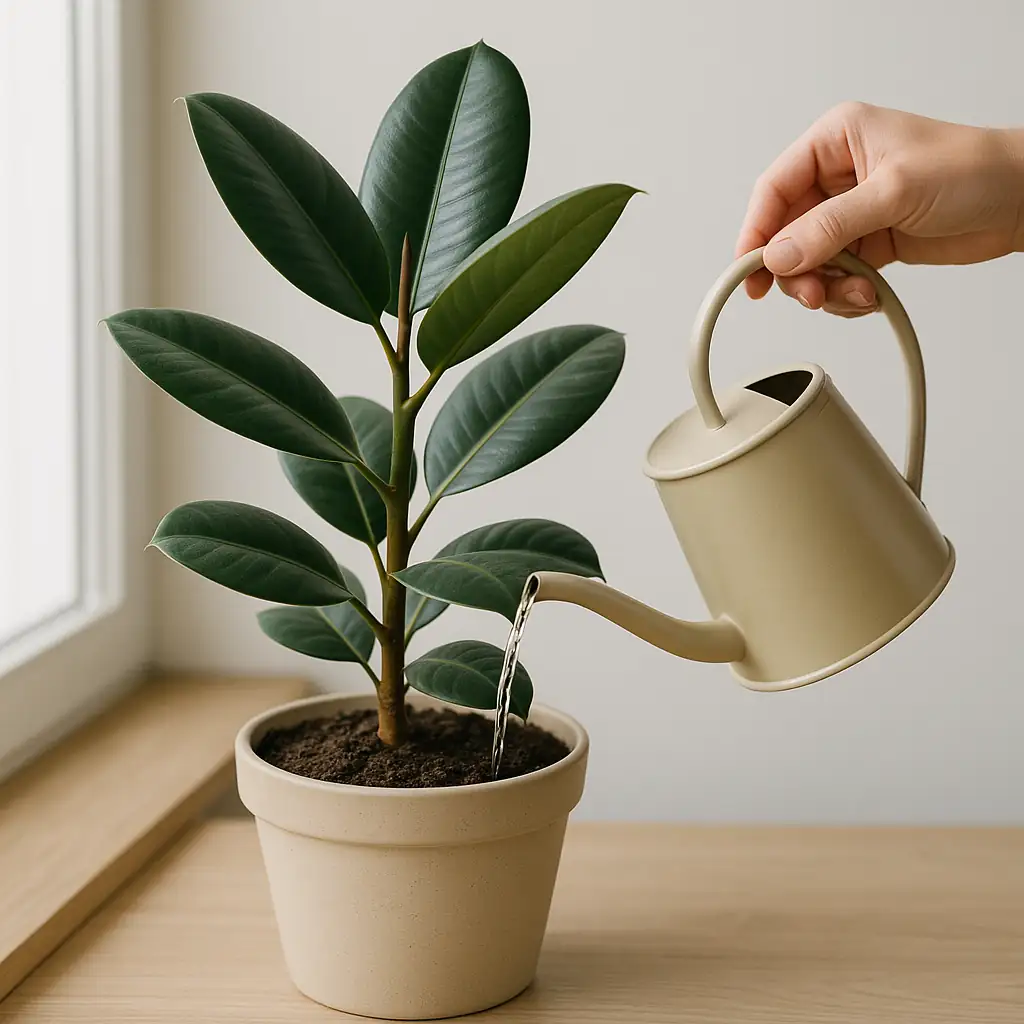
Rubber Plants are quite forgiving, but overwatering is their kryptonite. To keep your plant healthy, water it thoroughly and let the excess drain completely. Imagine giving it a good drink, but ensuring it’s not sitting in a puddle—standing water can lead straight to root rot.
A foolproof method? Allow the top 5–8 cm (2–3 inches) of the soil to dry out between waterings. In the bright, warm summer months, this might mean watering every 1–2 weeks. But come winter, you might find yourself extending that schedule to every 10 days or more. Remember, your plant’s environment will play a big role: more light and heat mean faster drying soil. So, think of your Rubber Plant as a living humidity sensor—it’ll need more frequent watering in a sunny, warm room than in a cooler, shaded one.
Temperature & Humidity: Keeping It Cozy
Rubber Plants hail from the warm, humid tropics, so try to mimic those conditions indoors. A comfortable temperature range is between 15–24°C (59–75°F), with tolerance up to 30°C (86°F) if you’re on top of your watering game. They don’t take kindly to cold drafts or temperatures dropping below 10°C (50°F)—sudden chills can cause dramatic leaf drop. If your home tends to be dry, especially in winter, a little misting or the use of a humidifier can make your Rubber Plant feel right at home.
Seasonal Adjustments: Rolling with the Changes
Spring and Summer
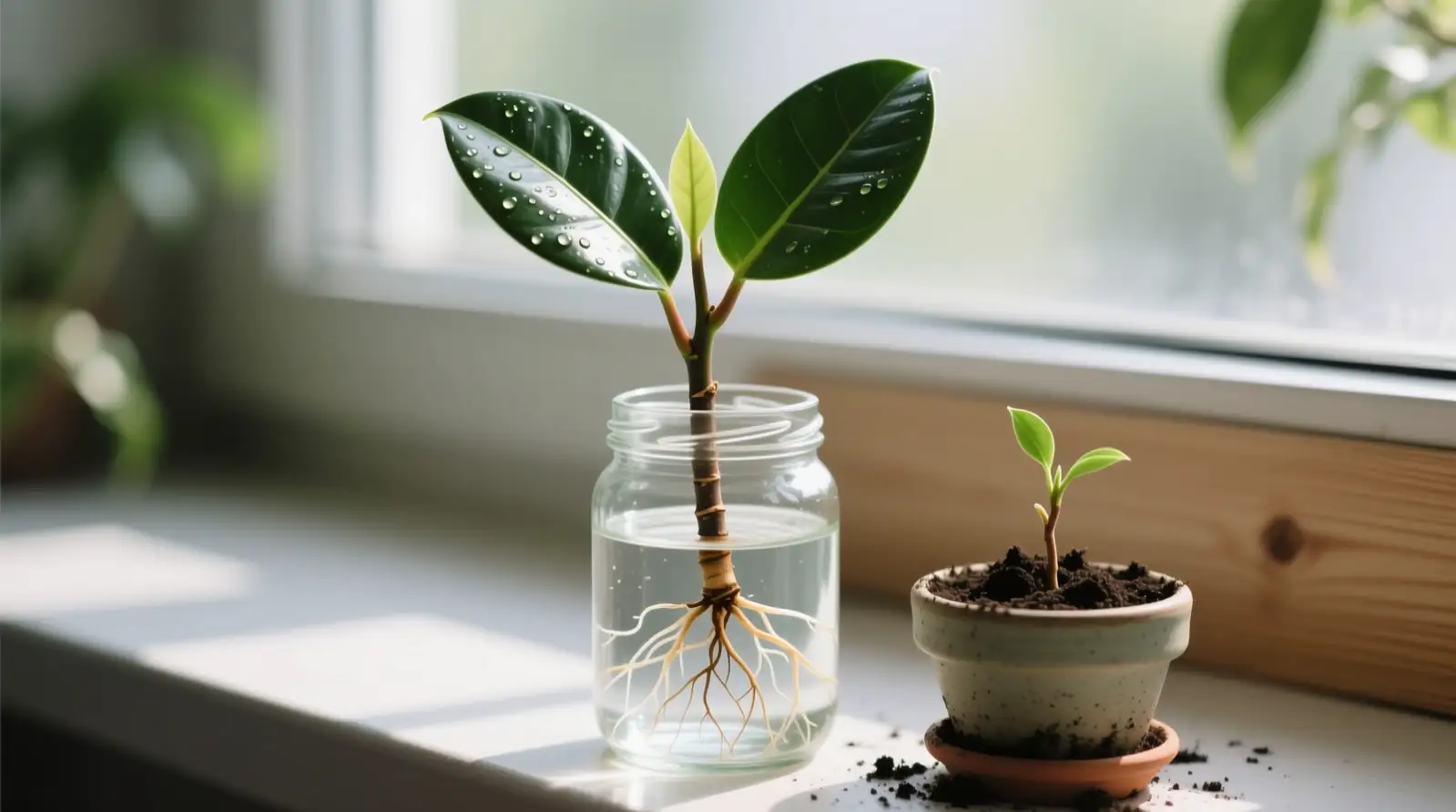
As your Rubber Plant enters its active growing phase, it appreciates some extra nutrients. Feed it with a balanced liquid houseplant fertilizer diluted to half strength every two weeks. This is also a great time for propagation if you’re looking to expand your indoor jungle. Whether through stem cuttings or air layering, spring and summer offer the best conditions for new growth.
Autumn and Winter
With the arrival of cooler months, your Rubber Plant’s growth will slow down. Gradually reduce both watering and fertilizing. Keep it snug and away from drafts, and remember to water more sparingly after the top layer dries out.
Troubleshooting Common Problems
Even the best plant parents encounter challenges. Sudden leaf drop? Check for cold drafts or recent changes in location. Yellowing leaves often signal overwatering, while curling might indicate dry air or inconsistent watering. Keep an eye on pests like scale or mealybugs, which can be managed with regular leaf cleaning and, when necessary, insecticidal soap.
Final Thoughts: A Plant with Personality
Your Rubber Plant doesn’t just sit pretty; it’s also believed to purify the air and bring a sense of prosperity and growth into your home. While it might not move mountains like the ant in Frank Sinatra’s “High Hopes,” with a bit of care, your Rubber Plant will stand tall and proud, adding a touch of lush vitality to your space. So, find that perfect spot, settle into a watering routine, and watch as your Rubber Plant flourishes, becoming a true staple of your indoor garden.


