
The Pink Princess Philodendron: A Symbol of Rare Beauty and Individuality
In the world of indoor gardening, where greenery often takes center stage, the Pink Princess Philodendron stands out as an emblem of rarity and individuality. Its deep green foliage, dramatically splashed with shades of pink, has captured the hearts and imaginations of plant enthusiasts worldwide. But what makes this plant more than just a pretty face? Let’s take a journey into the symbolism and cultural significance of this botanical gem.
A Royal Among Houseplants
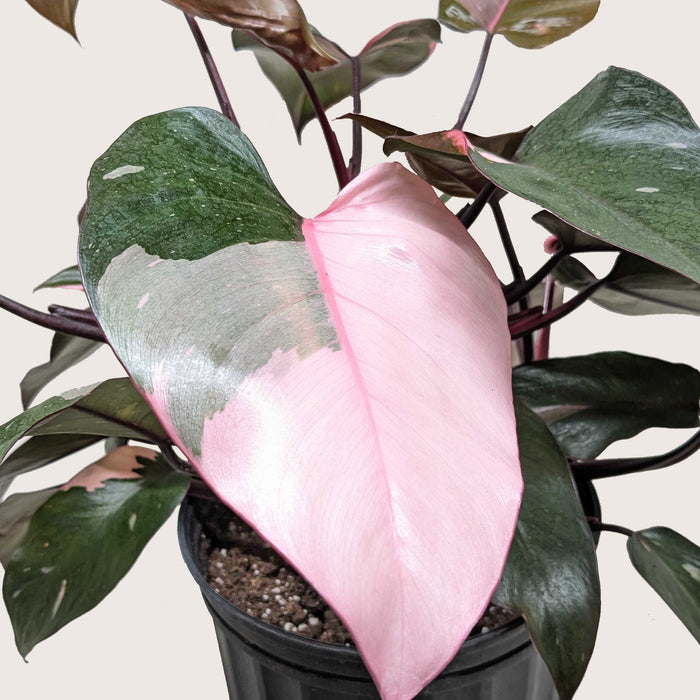
The Pink Princess Philodendron, scientifically known as Philodendron erubescens ‘Pink Princess’, first emerged in the 1970s. As a cultivated form of its parent species from the rainforests of Colombia, this philodendron quickly became a darling among collectors. What sets it apart is its unique variegation—a genetic mutation creating the stunning pink patterns that vary from leaf to leaf. Each foliage is like a bespoke piece of art, underscoring the plant’s association with rarity and individuality.
A Canvas of Pink
Why is the Pink Princess so closely associated with individuality? Each leaf on this plant is a unique masterpiece, a trait that resonates deeply with those who value self-expression and uniqueness. The pink variegation, a result of reduced chlorophyll, means no two leaves are precisely alike. This unpredictability is a part of its allure—will the next leaf be a dramatic pink explosion or a subtle blush?
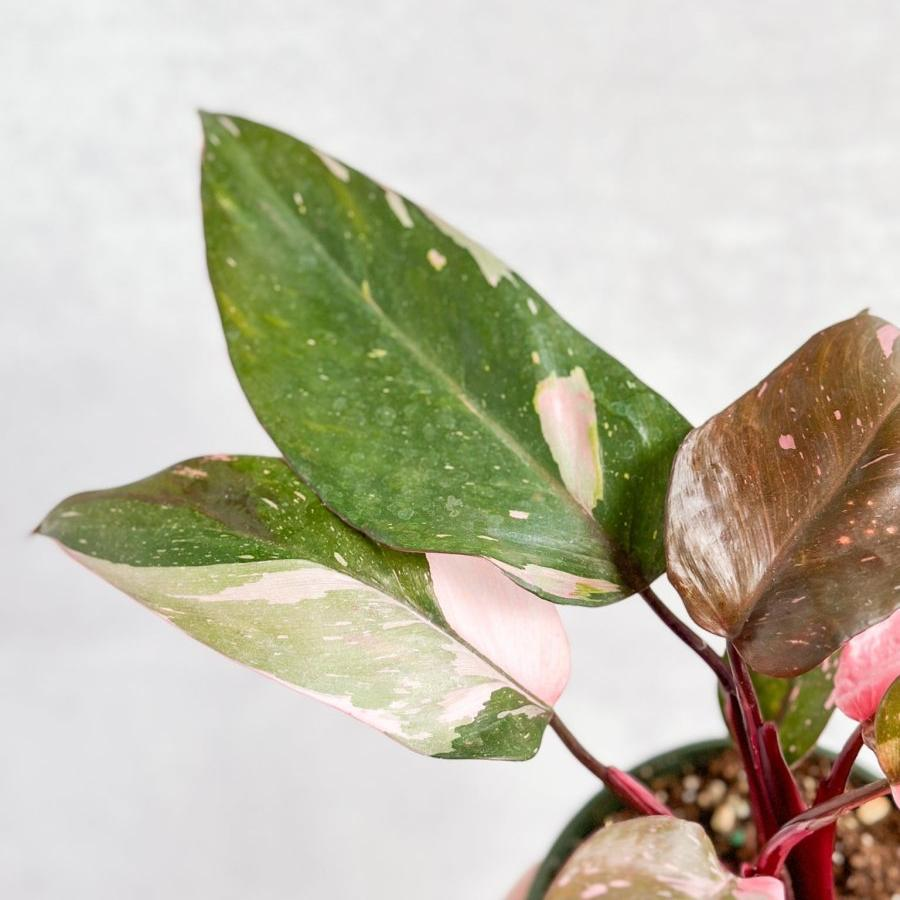
This variance in color mirrors a broader cultural appreciation for diversity and self-expression, making the Pink Princess more than just a decorative plant. It’s a living testament to the beauty of variability, reminding us of the importance of embracing our unique traits.
A Star in the Digital Age
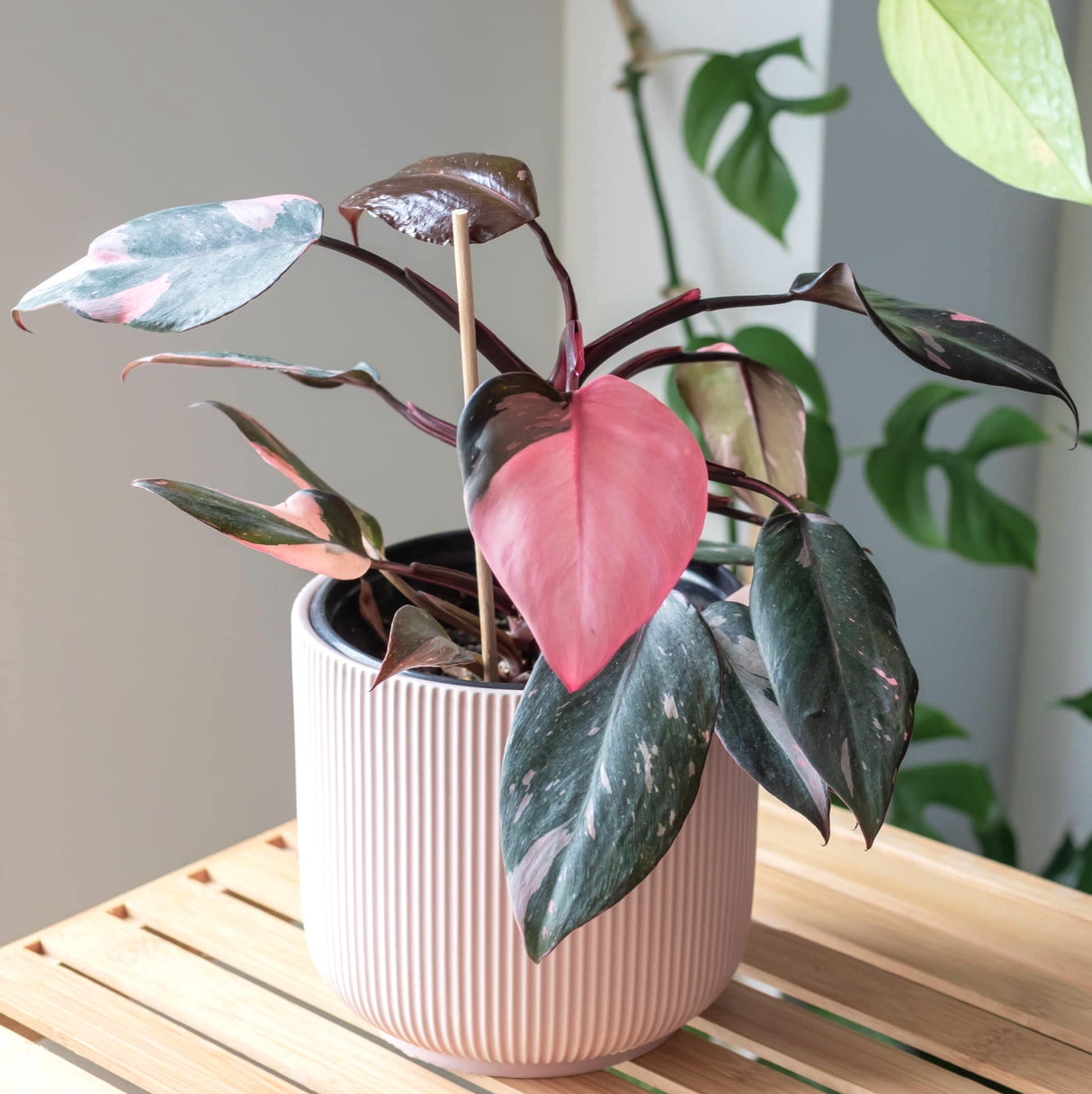
The Pink Princess Philodendron’s rise to fame wasn’t confined to plant nurseries. During the COVID-19 pandemic, when many sought solace in nature, the plant became an Instagram sensation. Its vibrant leaves, often photographed in carefully curated plant displays, became symbols of comfort and creativity. The plant’s rarity and distinctive appearance turned it into a status symbol in the indoor gardening community.
Cultivating the Icon
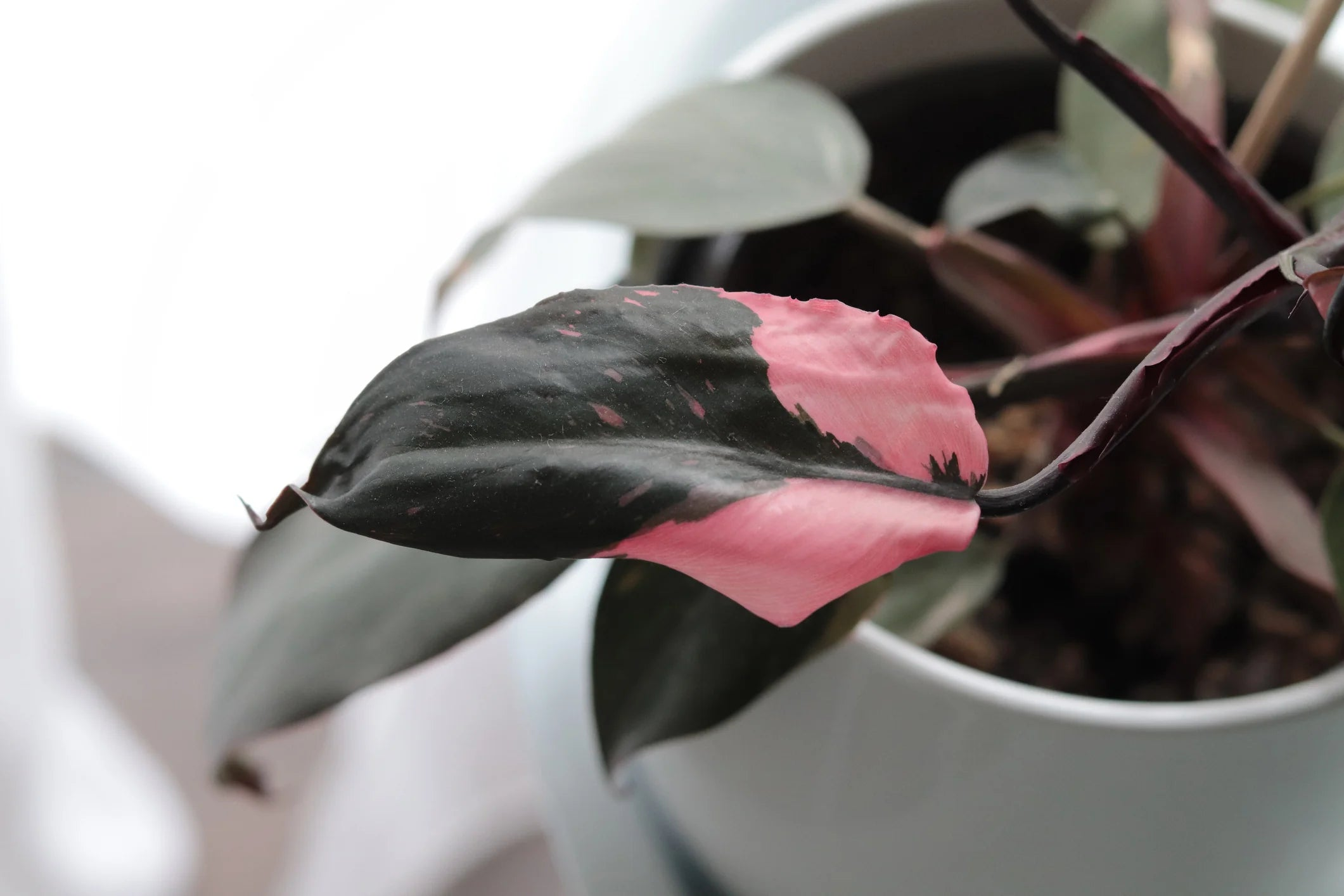
Growing a Pink Princess at home requires more than just a green thumb—it demands attention to detail and a bit of botanical savvy:
- Lighting: Bright, indirect light is crucial. Too little light can dull its pink hues, while direct sunlight risks scorching the delicate pink areas.
- Humidity and Temperature: Maintaining a warm, humid environment mimics its tropical origins and promotes vibrant growth.
- Soil and Watering: A well-draining soil mix, combined with careful watering practices, prevents root rot and supports healthy growth.
A Tale of Resilience
The Pink Princess Philodendron’s journey from the lush rainforests of South America to our living rooms is a testament to resilience and adaptability. It’s not just a plant—it’s a symbol of hope and beauty, a reminder that even in the most challenging conditions, something extraordinary can flourish.
Incorporating a Pink Princess into your home is more than an aesthetic decision; it’s an embrace of individuality and a nod to the intricate tapestry of nature. Whether you’re a seasoned plant collector or a newcomer to the world of houseplants, the Pink Princess offers a unique opportunity to cultivate a piece of living art, celebrated for its rarity and the delightful unpredictability of its pink patterns. As you care for it, you are not just nurturing a plant, but also a symbol of personal expression and the rich diversity of life itself.