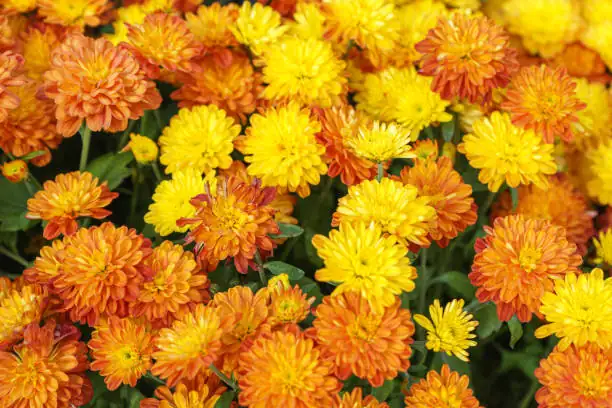
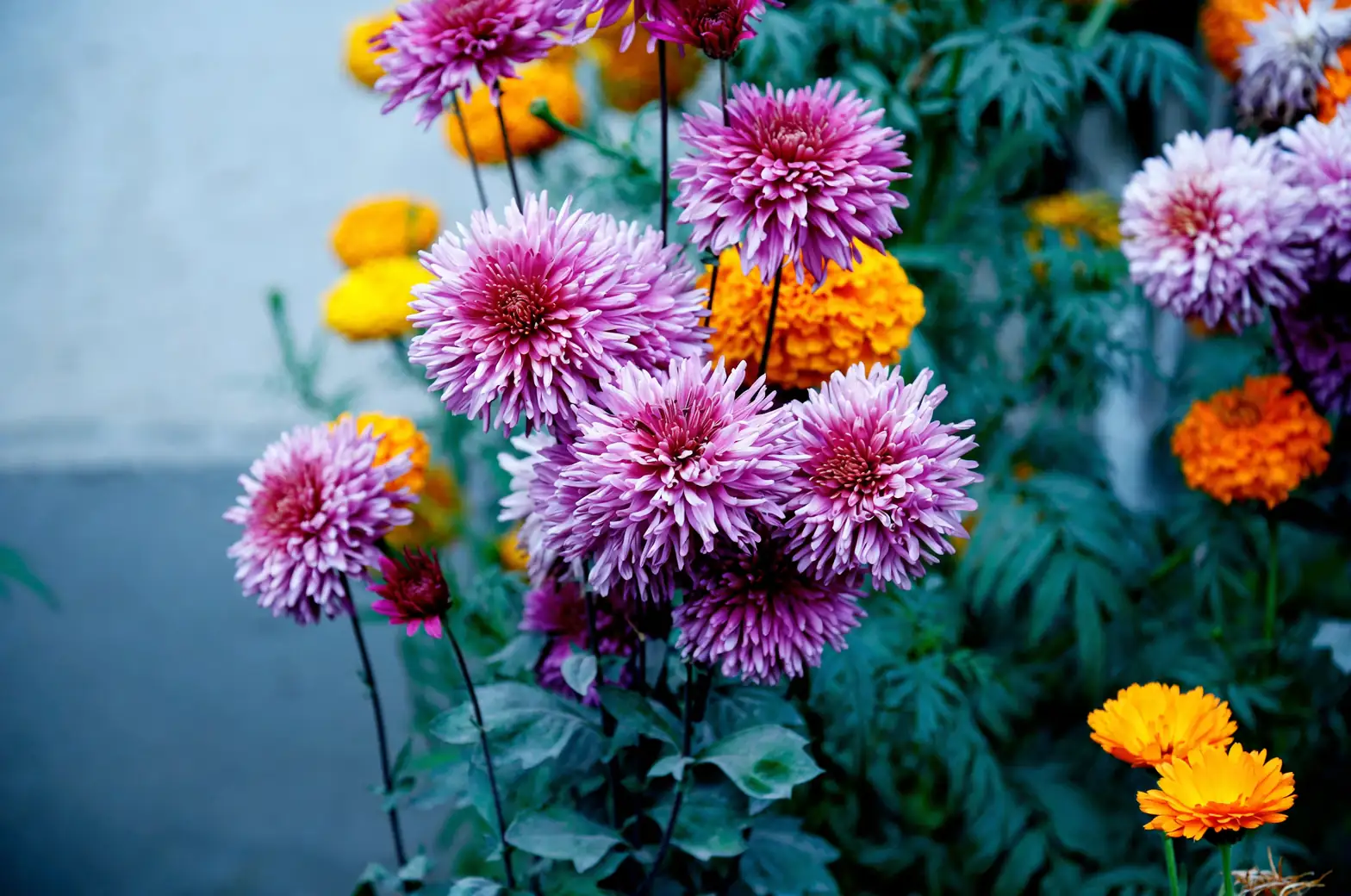
As the golden hues of autumn sweep across gardens, Chrysanthemum × morifolium, affectionately known as “mums,” take center stage, dazzling us with their vibrant tapestry of colors. These perennial stars, celebrated as the “Queen of Fall Flowers,” are not just ornamental showstoppers; they are also versatile companions in the garden. Dive into the world of companion planting with chrysanthemums and discover how these delightful blooms can enhance not only your garden’s aesthetics but also its health.
The Art of Companion Planting with Chrysanthemums
Companion planting is akin to matchmaking in the plant world—pairing plants that complement each other, enhancing growth, deterring pests, and even improving soil health. With their diverse colors and forms, from daisy-like to intricate spider forms, chrysanthemums are perfect partners for a host of garden allies.
Why Companion Plant?
Imagine your garden as a bustling community where each plant has a role to play. Chrysanthemums, with their aromatic foliage, naturally deter a variety of pests such as ticks, lice, and aphids, thanks to their pyrethrin content—a natural insecticide famously used in pest control products. By selecting the right companions, you can create a harmonious ecosystem that thrives with minimal intervention.
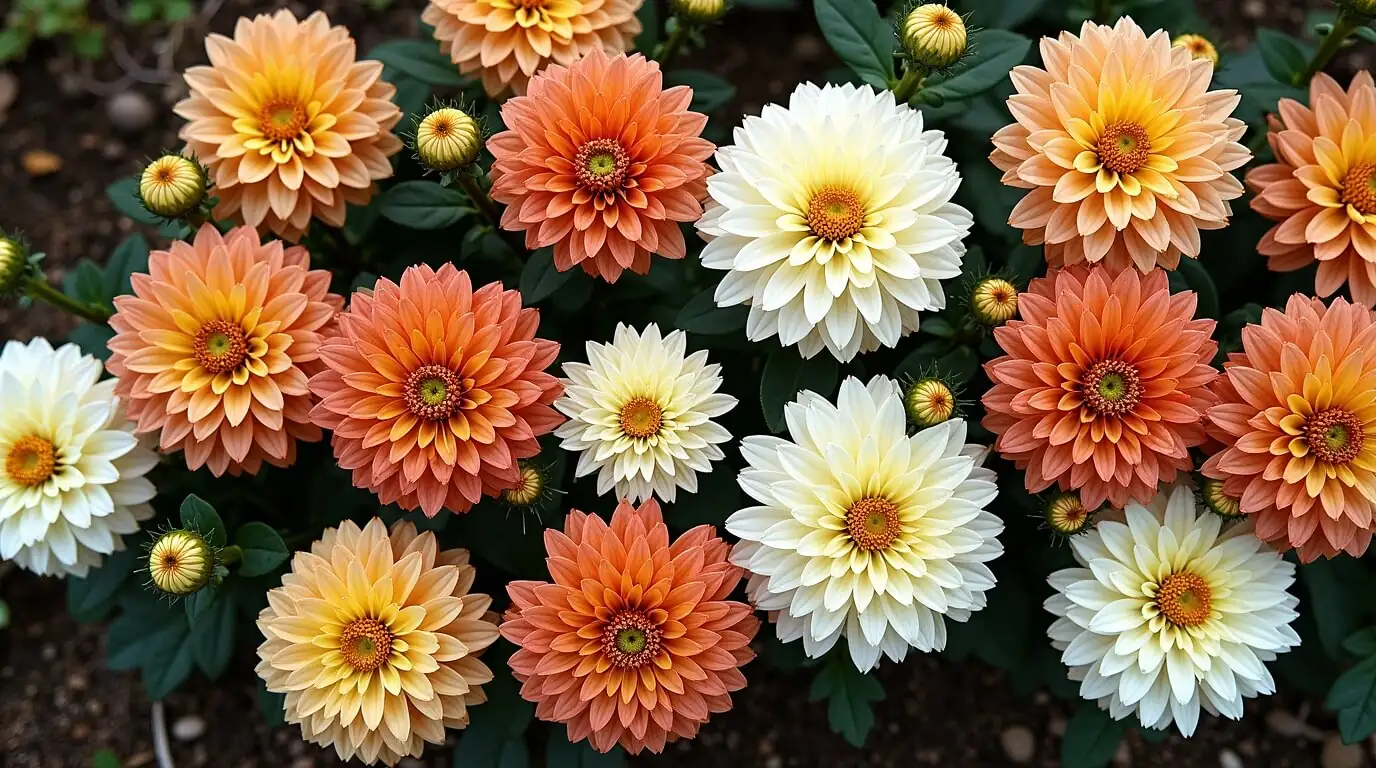
Perfect Pairings: Chrysanthemum Companions
1. Chives
Chives, with their onion-like aroma, are the unsung heroes of pest deterrence. When planted near chrysanthemums, they work wonders in keeping aphids at bay. Plus, their slender, green leaves add a delightful contrast to the mums’ rich blooms.
- Zone: 3 to 9
- Care: Full sun to partial shade; loamy, sandy soil

2. Coneflowers (Echinacea)
These hardy perennials not only share the mum’s preference for full sun and well-drained soil but also play a crucial role in breaking up compacted soil with their deep roots. This improves water drainage, a boon for chrysanthemums that dislike soggy conditions.
- Zone: 3 to 9
- Care: Full sun; average soil
3. Basil
While not a typical fall plant, basil’s aromatic oils repel mosquitoes and thrips, making it a valuable ally in the garden. Plant basil near your mums to create a fragrant, pest-free zone.
- Zone: 4 to 10
- Care: Full sun; well-drained soil
4. Dahlias
Dahlias bring a burst of color to the garden and are excellent at controlling nematodes, which can wreak havoc on plant roots. Their shared love for sunny spots and moist, well-drained soil makes them ideal roommates for mums.
- Zone: 8 to 11
- Care: Full sun; rich, well-drained soil
Creating a Vibrant Garden Symphony
When planning your garden, think of it as an orchestra where each plant plays its part in harmony with the others. Chrysanthemums, with their diverse forms and colors, can be the star soloists, while companion plants provide the supporting notes. This synergy not only enhances the visual appeal but also promotes a healthier, more resilient garden environment.
Tips for Successful Companion Planting with Mums
- Sunlight: Ensure your mums receive at least 5–6 hours of direct sunlight daily. This is crucial for promoting robust blooms.
- Soil: Rich, fertile, and well-draining soil is essential. Consider adding organic matter like compost to improve soil structure and fertility.
- Spacing: Maintain good airflow by spacing plants 45–90 cm (18–36 in) apart.
- Pest Management: Regularly inspect plants for signs of pests or disease, and use companion plants strategically to minimize infestations.
By integrating chrysanthemums into a thoughtfully curated companion planting scheme, you not only elevate the beauty of your garden but also foster a thriving ecosystem. So, as you plan your garden’s fall wardrobe, consider these vibrant mums and their trusty companions for a showstopping, healthy garden display.