

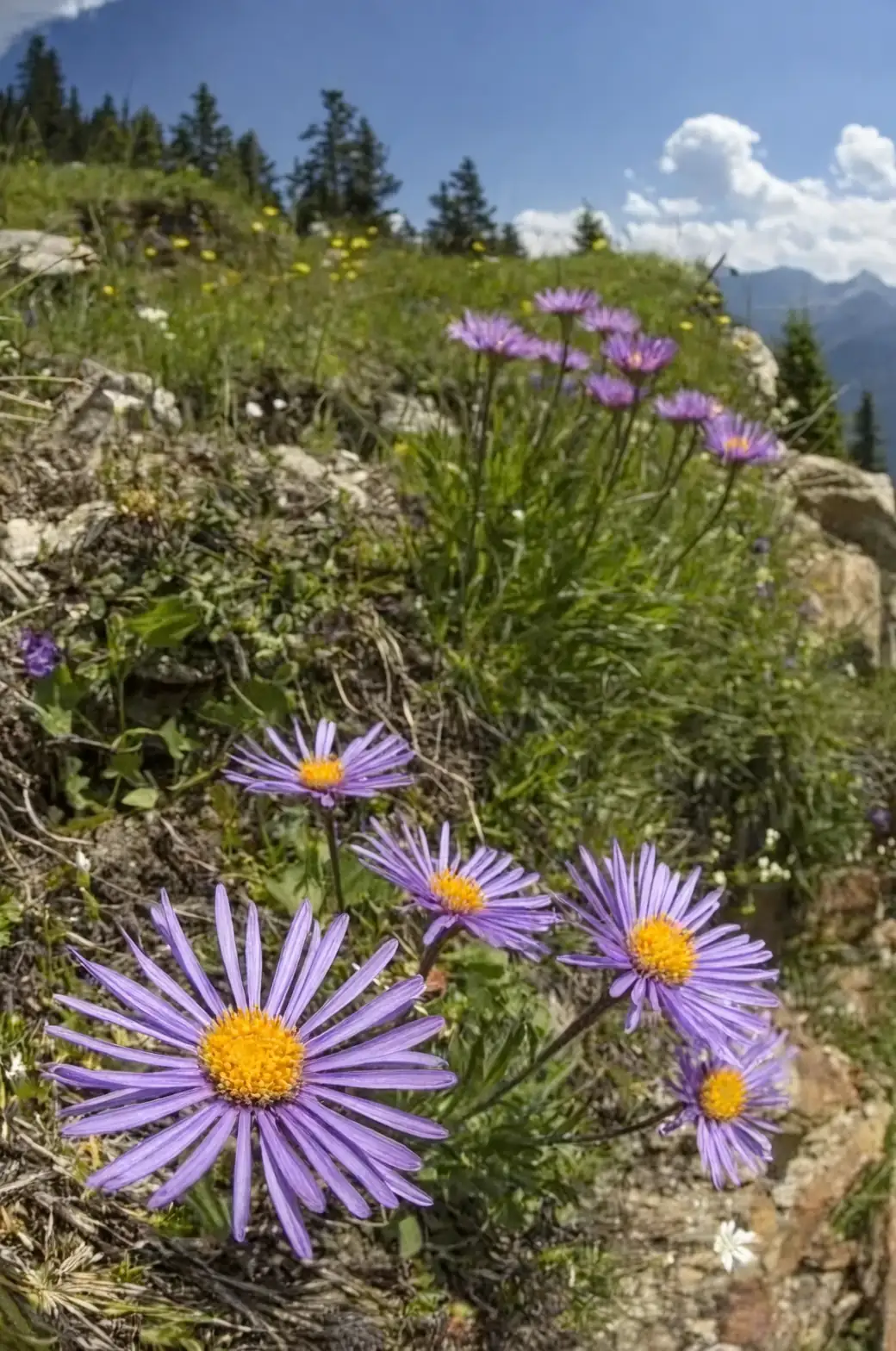
Discover the Perfect Companions for Your Alpine Asters
Imagine an alpine meadow, where the vibrant, starry blooms of Alpine Asters (Aster alpinus L.) stand proudly against the rugged backdrop of majestic mountains. These tough little beauties, also known as Blue Alpine Daisies or Dwarf Asters, are native to the mountainous regions of Europe, Asia, and North America, where they thrive in cool, well-draining conditions. But even the most charming of wildflowers can benefit from a little companionship. Let’s explore some ideal plant partners that can enhance the Alpine Aster’s appeal and create a symphony of colors and textures in your garden.
Understanding the Alpine Aster
Before we dive into the world of companion planting, let’s get to know our star player. Alpine Asters are compact, clump-forming perennials characterized by their beautiful blue-violet to purple flowers with golden-yellow centers. Blooming from late spring to mid-summer, they are perfect for sunny rock gardens, alpine troughs, and the front edges of borders.
The Art of Companion Planting
Companion planting is like hosting a garden party where each guest complements the others, creating a lively and harmonious atmosphere. With Alpine Asters, you’re looking to pair them with plants that enjoy similar growing conditions—full sun, well-draining soil, and moderate temperatures. Here’s a selection of stellar companions:
1. Yarrow (Achillea millefolium)
- Why It Works: Yarrow’s flat, clustered blooms in shades of pink, white, and yellow provide a delightful contrast to the starry blooms of Alpine Asters. Both plants thrive in similar conditions, preferring full sun and well-drained soil.
- Garden Tip: Allow yarrow to spread in natural areas, as its fern-like foliage adds texture even when not in bloom.
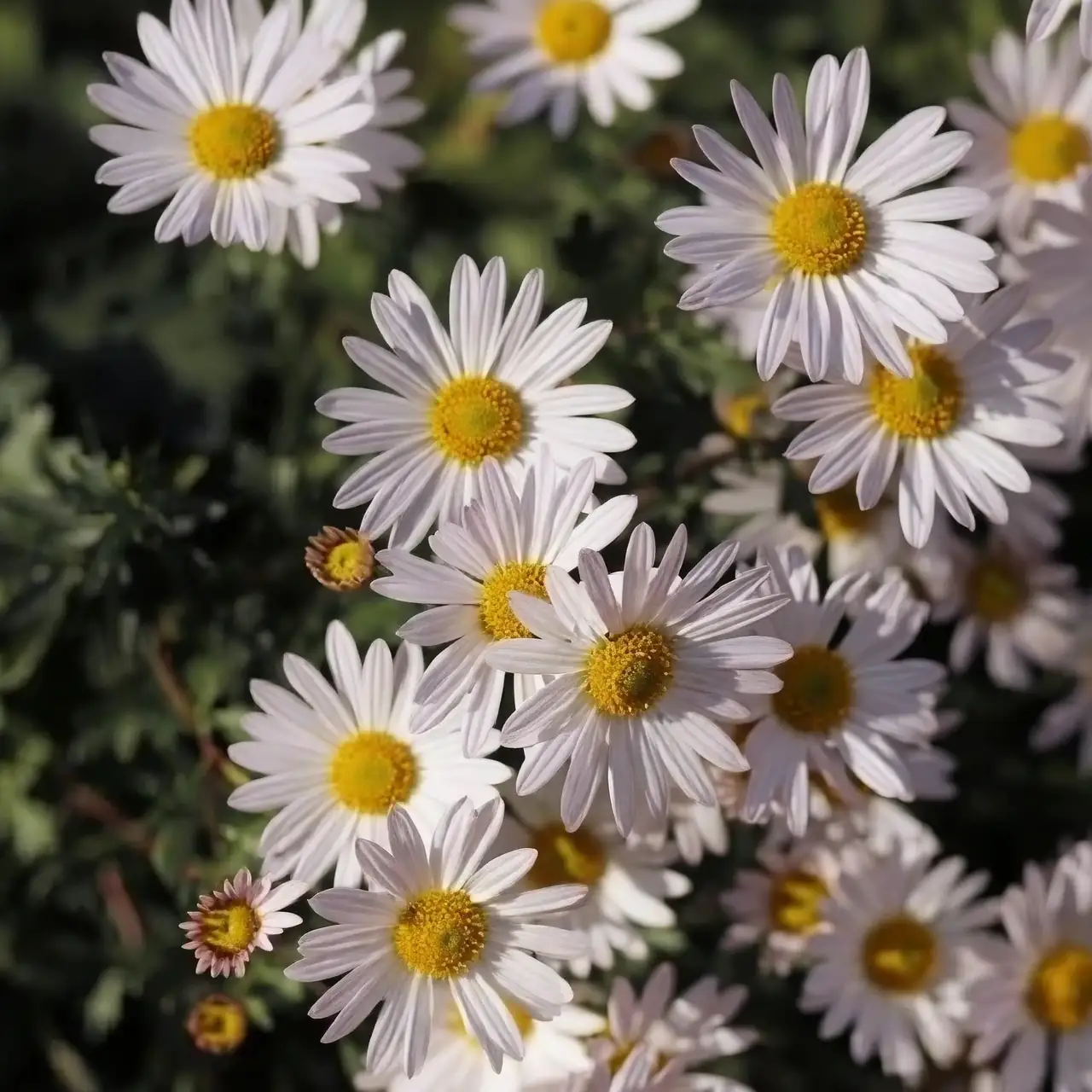
2. Lupines (Lupinus spp.)
- Why It Works: With their towering spires of colorful blooms, lupines offer a vertical element that contrasts beautifully with the low, mounded form of Alpine Asters.
- Garden Tip: Plant lupines in the background to allow their spring blooms to fade just as the Alpine Asters are coming into full glory.
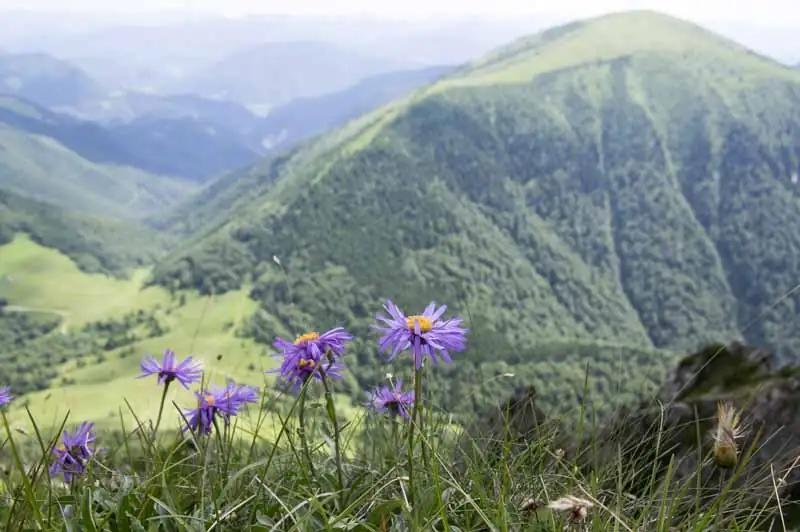
3. Ornamental Grasses
- Why It Works: Grasses like feather reed grass add movement and texture, creating a dynamic garden landscape. The gentle swaying of grasses complements the cheerful stillness of Alpine Asters.
- Garden Tip: Use grasses to create layers, placing taller varieties behind or beside clumps of Alpine Asters.
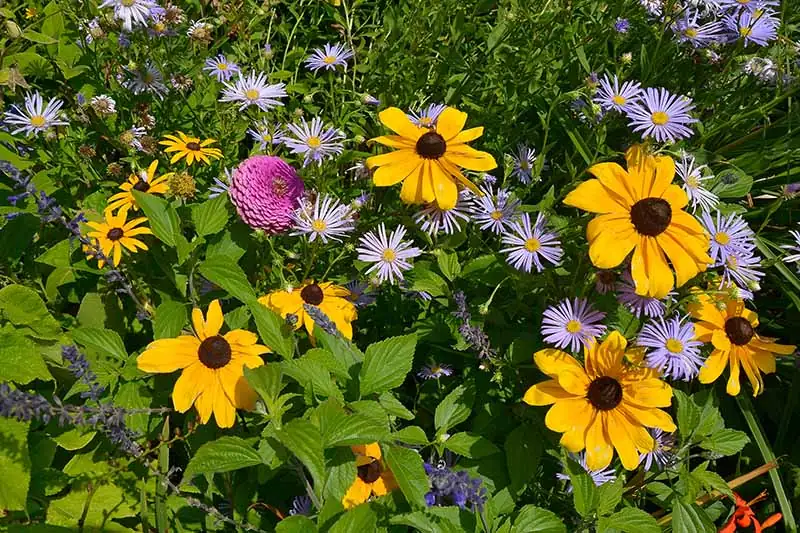
4. Black-Eyed Susan (Rudbeckia hirta)
- Why It Works: The sunny yellow petals and dark centers of Black-Eyed Susans play off the colors of Alpine Asters, creating a bright and cheerful garden palette.
- Garden Tip: Plant them together in a sunny border for a delightful summer display.
5. Fleabane (Erigeron spp.)
- Why It Works: As a fellow member of the Asteraceae family, fleabane shares similar care requirements and blooms over a long period, ensuring a season-long show.
- Garden Tip: Use fleabane to fill in gaps and provide continuity in color and form.
Creating a Garden Symphony
When designing your garden with Alpine Asters and their companions, consider the overall composition. Think of it as a living tapestry, where each plant plays a crucial role in the visual and ecological balance. Alpine Asters, while stunning on their own, can truly shine when paired with the right partners. They not only complement each other aesthetically but also create a welcoming habitat for pollinators like bees and butterflies.
The Language of Asters
Did you know that asters have long been associated with love, patience, and remembrance? Their name, derived from the ancient Greek word for “star,” reflects their celestial beauty. In folklore, asters were believed to ward off evil, making them not just a visual delight but also a symbol of protection and serenity.
Conclusion
By thoughtfully selecting companion plants for your Alpine Asters, you can create a garden that is as beautiful as it is resilient. Whether you’re aiming for a naturalistic alpine meadow or a more structured garden border, the possibilities are endless. So go ahead, embrace the art of companion planting, and watch your garden transform into a harmonious haven of colors and textures.


