

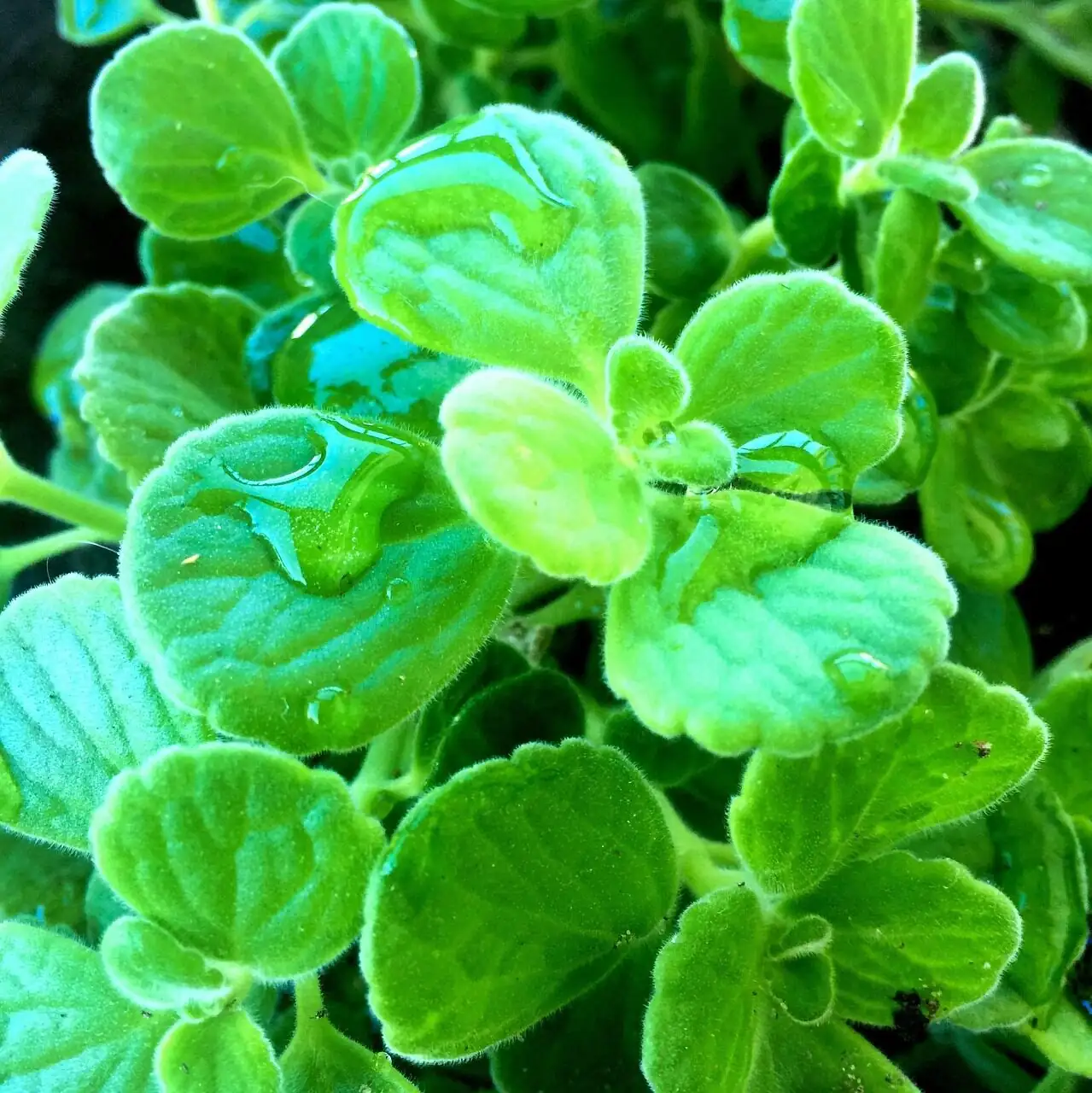
Brush the velvety leaves of Plectranthus hadiensis var. tomentosus and a familiar, clean “Vicks” waft rises—cool, camphor-minty, a little medicinal, and very, very mint-family. This compact, fuzzy-foliaged Lamiaceae native to southeastern Africa thrives on bright windowsills and patios, but its scent is the real show. Here’s a deep dive into what your nose is actually smelling, how the plant’s leaf hairs make the magic happen, and how to enjoy it safely—without the medical myths.
The minty mystery: why it smells “menthol”
Your nose is a superb pattern‑recognizer. When you rub the Vicks plant’s soft leaves, the burst you perceive as “menthol” usually comes from a cocktail of mint-family monoterpenes rather than pure menthol itself. In other words, the blend shouts “VapoRub!” even if menthol isn’t the star.
Common characters in that blend across the mint family include:
- Menthol: unmistakably minty and cooling; it activates the same cold‑sensing receptor in our nerves (TRPM8) that makes peppermint feel cool.
- 1,8‑Cineole (eucalyptol): crisp, camphoraceous, and “nasal‑opening,” a key cue our brains tag as medicinally fresh.
- Camphor: sharp and penetrating; even tiny amounts add that chest‑rub vibe.
- Pulegone and piperitone: spearmint‑leaning, green‑minty notes that can read as “chewing gum” or “menthol-adjacent.”
- Limonene and other citrusy terpenes: bright top notes that lift the first sniff.
Exact proportions vary by plant, clone, and conditions. In related mints, light, temperature, and plant age nudge these compounds up or down; Vicks plant followers often notice the scent smelling “extra clean” on bright, warm days and strongest right after a gentle leaf rub.
How the environment nudges the bouquet
Think of aroma as a living snapshot of plant metabolism:
- Light: Bright light tends to intensify minty/camphoraceous notes. In strong light, this plant also forms thicker, semi‑succulent leaves that hold their oils well.
- Warmth: Within its comfort zone (about 10–25°C / 50–77°F), warmth can boost volatilization when you touch or brush the foliage.
- Watering rhythm: Even moisture (never soggy) keeps foliage healthy and oil glands happy; prolonged waterlogging blunts vigor and scent.
- Leaf age and timing: Fresh, actively growing tips often smell brightest; a mid‑morning brush on a warm day releases a vivid plume.
Trichomes: the velour chemistry lab on every leaf
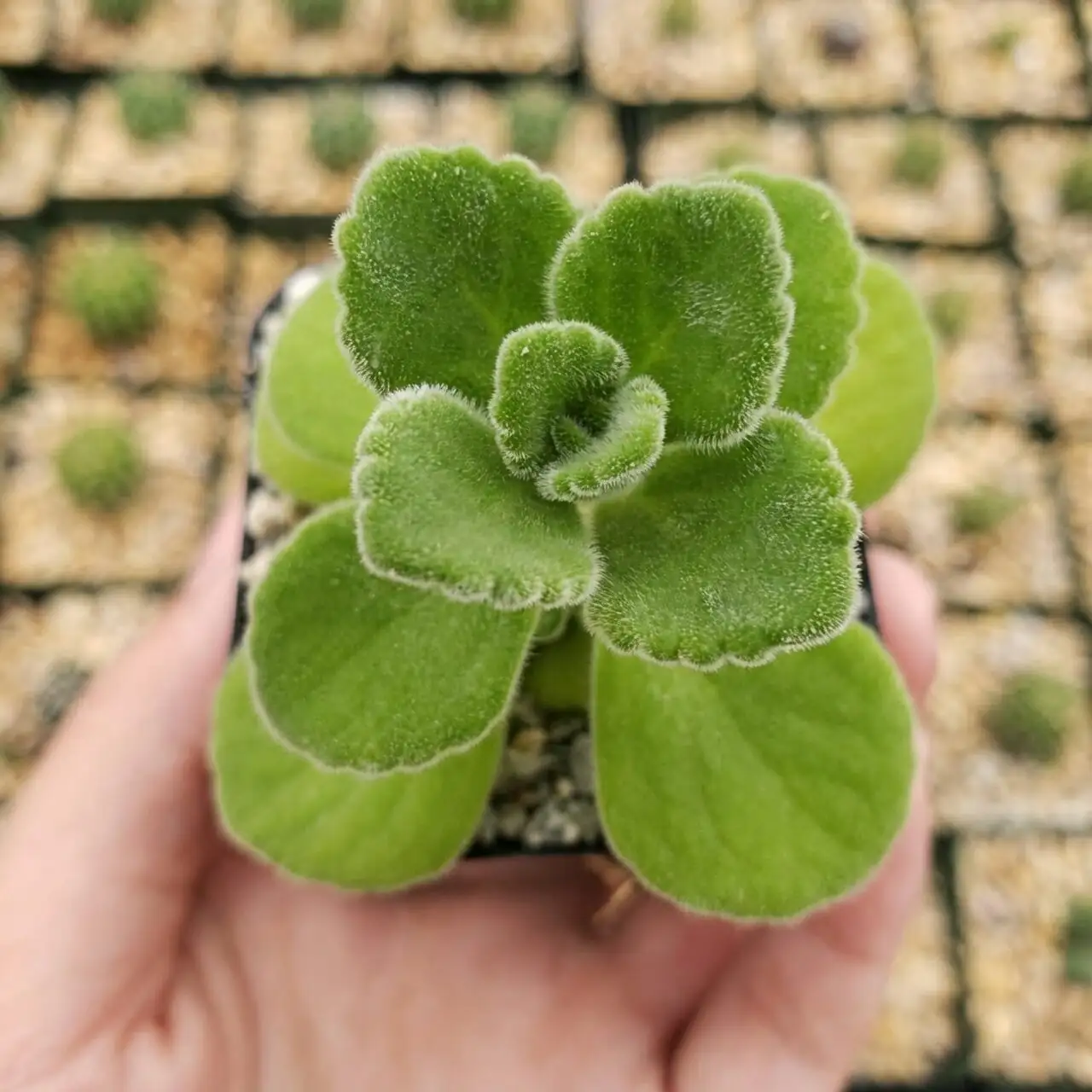
“Tomentosus” means woolly—and that plush, gray‑green fuzz is no mere decoration. The Vicks plant carries two main kinds of trichomes (leaf hairs) that shape its feel and fragrance.

- Non‑glandular trichomes: The long, silky hairs that make the leaf velvety. They:
- Diffuse strong light (a living shade cloth)
- Slow moisture loss and soften wind
- Discourage nibbling insects by making the surface harder to grip
- Glandular trichomes (the scent factories): Tiny, lollipop‑ or disc‑shaped glands that manufacture and store essential oils under a delicate cuticle. When you:
- Brush or pinch a leaf, you rupture that cuticle and release a micro‑mist of aromatics
- Warm the leaf (a sunny windowsill, a warm hand), diffusion increases and the scent blooms
- Crush the tissue, you squeeze out far more oil—and the aroma roars
Together, the woolly blanket protects the leaf while the hidden glands brew and bottle the minty-camphor bouquet, ready to burst at the slightest touch.
Coaxing the clean, camphor‑mint aroma at home
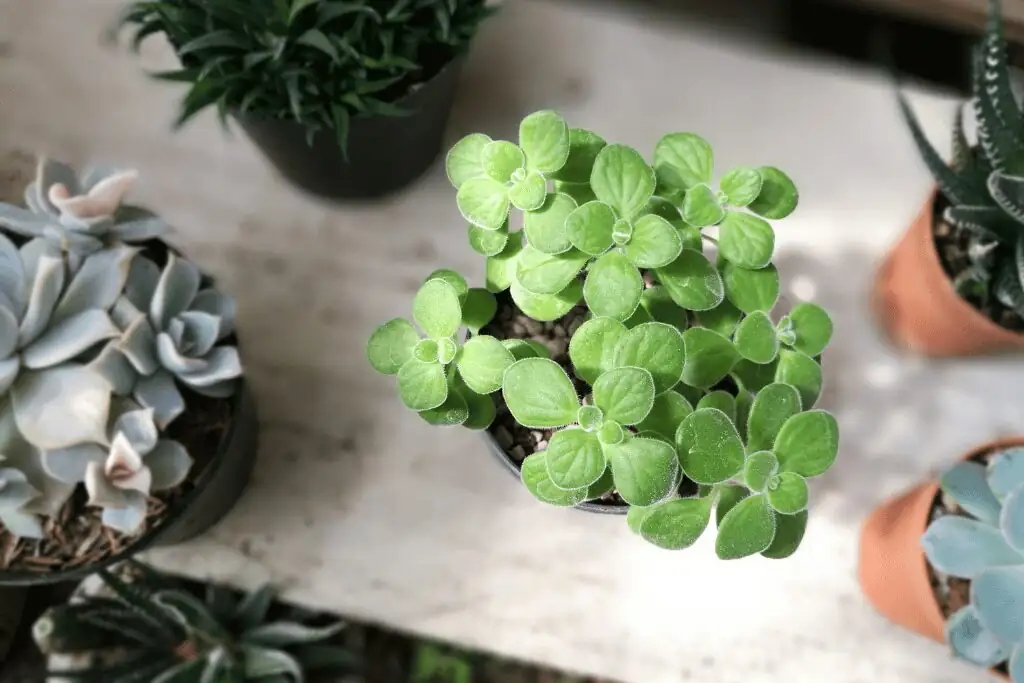
- Light: Give bright light with some gentle direct sun. A bright east window or a south/southwest window with light filtering is ideal. Avoid harsh midday sun through glass.
- Temperature and air: Warm, draft‑free rooms (10–25°C / 50–77°F) with good airflow keep trichomes happy and leaves dry.
- Watering: Aim for “even moisture, never soggy.” Let the mix surface dry, then water thoroughly and drain; avoid wet leaves.
- Potting mix: A fertile, fast‑draining indoor blend with extra perlite or pumice prevents the scent‑crushing enemy—root rot.
- Pinching: Lightly pinch tips to encourage branching. More tips = more fragrant leaf surface per pot.
- When to sniff: For the truest camphor‑mint, brush a few leaves gently and sniff the air column above the plant. Crushing gives a stronger but less nuanced hit.
Safety and handling—myth‑free
The Vicks plant is a fragrant ornamental, not food or medicine. Enjoy its aroma sensibly:
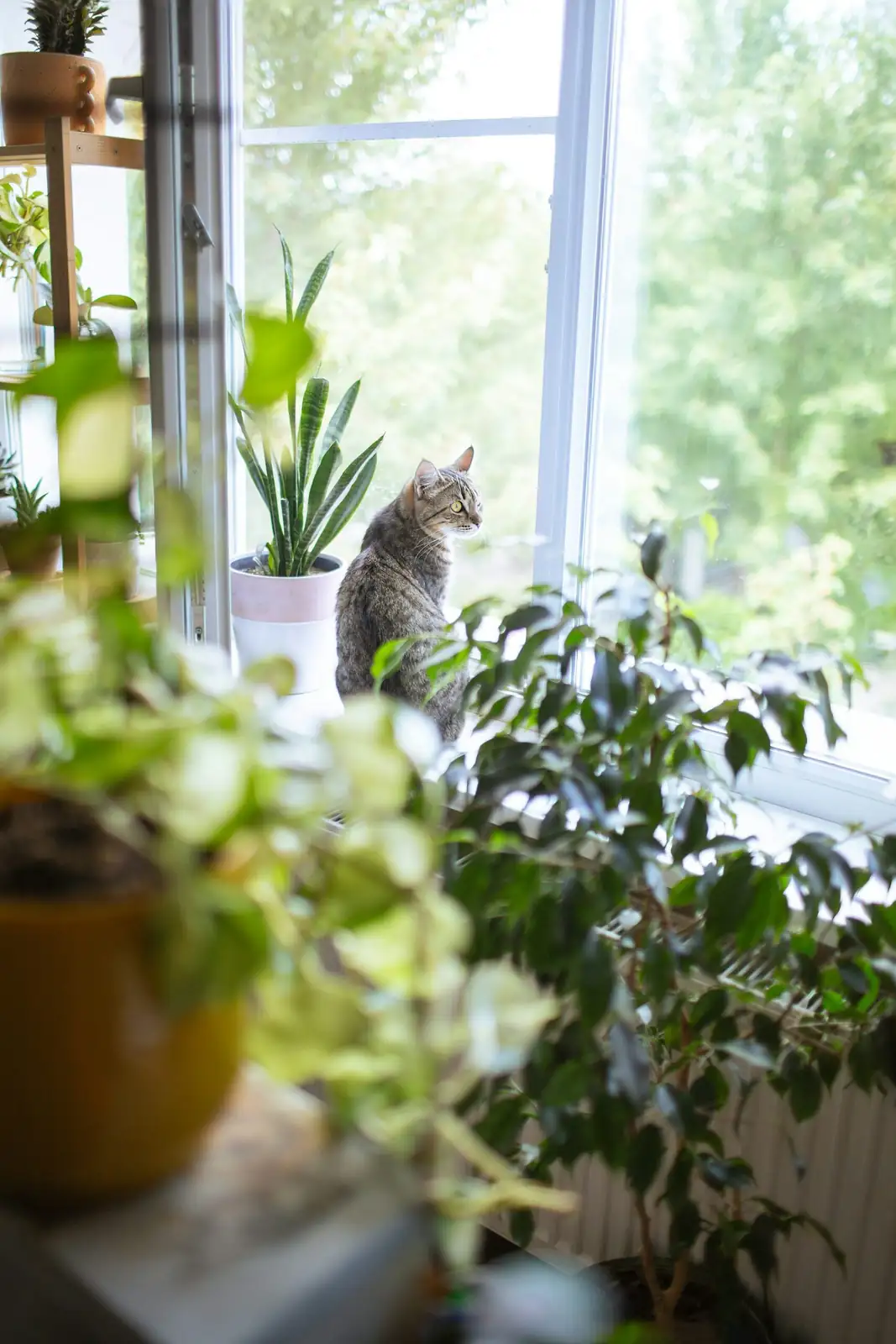
- Do not ingest: Toxicity isn’t well documented. Treat it as non‑food; discourage chewing and keep away from pets and children.
- Skin sensitivity: Essential oils can irritate sensitive skin. Handle gently; wash hands after pinching or pruning; avoid touching eyes.
- No DIY remedies: Skip home brews, steam inhalations, or topical rubs using leaves or extracted oils.
- Ventilation: If you’re sensitive to strong scents, release aroma outdoors or in a well‑ventilated space.
Bonus plant health note: The plant’s strong scent may help it stay relatively pest‑resistant, but soggy soil invites serious stem/root rot. Keep that mix airy and the saucer empty.
Names, origins, and a quick identity check
- Accepted name: Plectranthus hadiensis var. tomentosus (mint family: Lamiaceae; genus: Plectranthus)
- Often sold as: “Vicks plant,” “Vicks herb,” “Woolly Plectranthus,” or “Succulent Coleus”
- Also encountered as a horticultural label: Plectranthus tomentosa (same plant in trade)
- Not the same as: “Cuban oregano,” a misapplied name here that usually refers to a different species (Coleus amboinicus)
- Origin: Southeastern Africa, commonly cited from the South Africa/Eswatini region
- Habit: A compact, bushy windowsill star (often 15–30 cm tall) with summer flower spikes; the velvety, scented foliage is the headliner
A tiny note on “flower language” and symbolism
In everyday plant culture, the Vicks plant is linked with freshness, comfort, and a harmonious home—no surprise given its clean, menthol‑like aroma and shareable ease from cuttings. These associations aren’t ancient doctrine; they’re modern folk symbolism rooted in what our noses and homes experience: a breezy, tidy scent and a cheerful, pass‑along habit that suggests happiness and good fortune among friends.
Quick FAQ for aroma lovers
- How do I make it smell stronger without damaging leaves?
- Keep it bright and warm with good airflow, maintain even moisture (not soggy), and brush—not crush—the leaves. Pinch tips to grow more fragrant foliage.
- My leaves are getting thin and flat. What gives?
- It likely needs more light. Move it to a brighter spot with gentle sun so it can form thicker, semi‑succulent leaves rich in oils.
- Is it safe for pets?
- Treat it as a non‑food ornamental. Keep out of reach; aromatic oils may cause mild stomach upset if eaten and can irritate sensitive skin.
The takeaway: this fuzzy, friendly mint-cousin is a tiny chemistry lab on your windowsill. Give it light, warmth, and a gentle brush, and it will perfume your space with that unmistakable, comforting camphor‑mint signature—no myths required.