

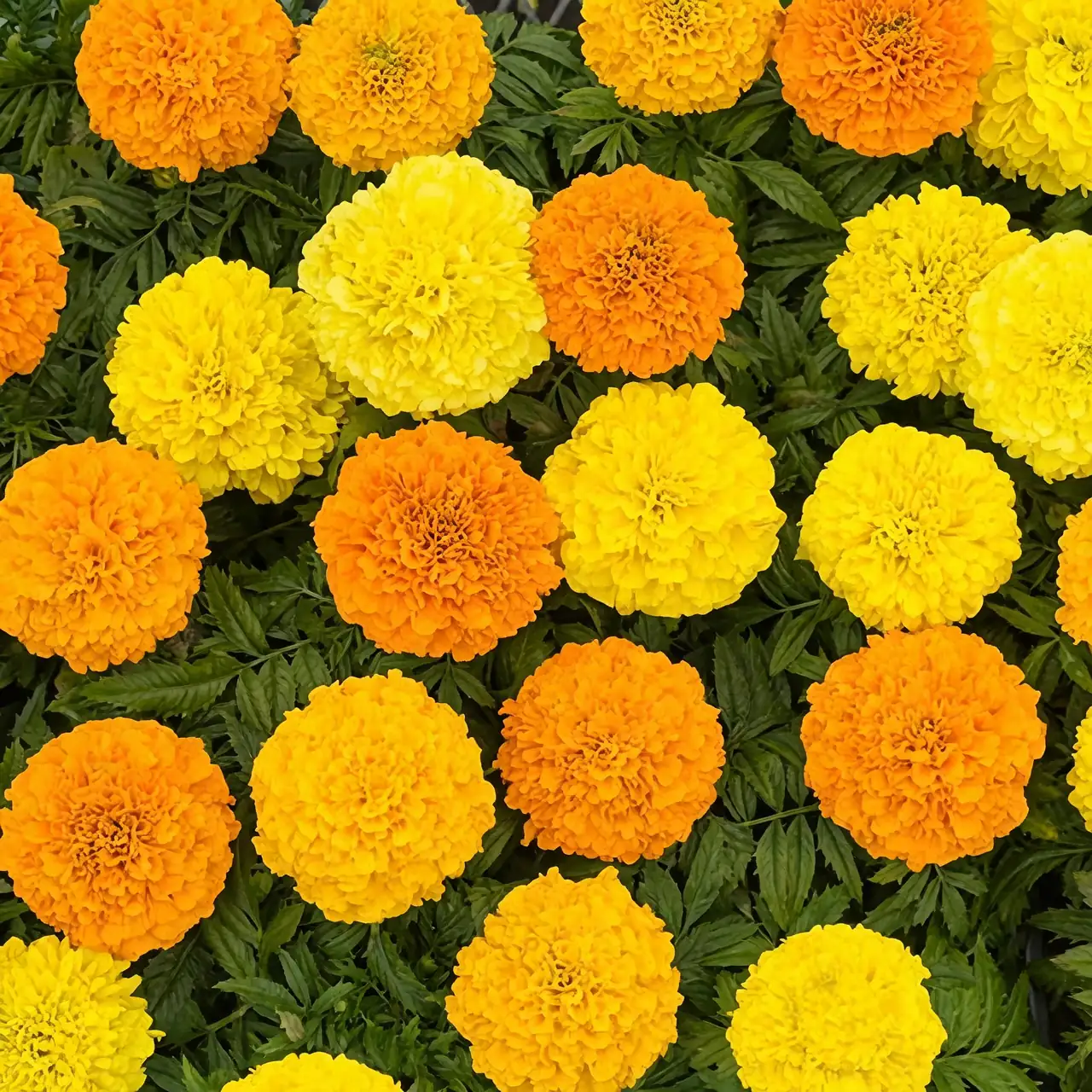
African marigold (Tagetes erecta) is the sunshine you can schedule. Plant it right after frost, give it bright, steady light and good drainage, and it will roll out pom‑pom blooms from summer to a curtain call in fall. Below is a season‑by‑season game plan—short, sharp to‑dos that keep your marigolds thriving without fuss: sowing after frost, midsummer airflow fixes, rebloom cutbacks, and saving seed before the first cold snaps.
Spring: Sow after frost for a fast, foolproof start
Think warm soil, strong sun, and straightforward care.
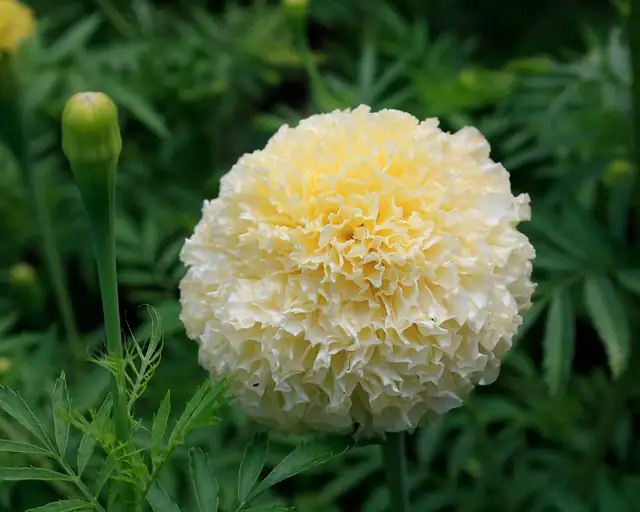
- Timing
- Direct sow outdoors after your last frost, once soil warms to about 18°C/65°F.
- Or start indoors 6–8 weeks before last frost; transplant after frost and when nights are mild.
- Expect germination in about 5–9 days at 19–24°C (66–75°F). Early bloomers flower in ~60 days; big pom‑pom types in ~80 days.
- Light and placement
- Full sun is non‑negotiable: aim for 6–8+ hours daily. In very hot regions, light afternoon shade is fine.
- Great for borders, veggie beds, sunny patios/balconies, and window boxes.
- Soil and spacing
- Use well‑draining, moderately fertile soil (pH about 6.0–7.5). Improve heavy ground with compost plus coarse sand/perlite.
- Space to the mature width on the label for airflow. Rule of thumb for Tagetes erecta:
- Most varieties: 12–18 in (30–45 cm)
- Tallest types: up to 24 in (60 cm)
- Containers: dwarf forms are happy in ~6 in (15 cm) pots; larger African marigolds prefer at least ~10 in (25 cm) across.
- Water and feed
- Water deeply, then let the surface dry slightly before the next soak; never let pots sit in water.
- Mix in compost at planting or give a light, balanced feed. Avoid excess nitrogen (it fuels leaves instead of blooms).
- Pinch to shape
- When seedlings have several true leaves, pinch the growing tip to encourage branching and a bushier, bloom‑packed plant.
Pro tip: Plant a few extra near tomatoes, peppers, cucumbers, or squash. Their aromatic foliage and roots can help discourage certain pests and attract beneficial insects.
Early summer: Lock in the bloom rhythm
Establish the routine now, and you’ll coast later.
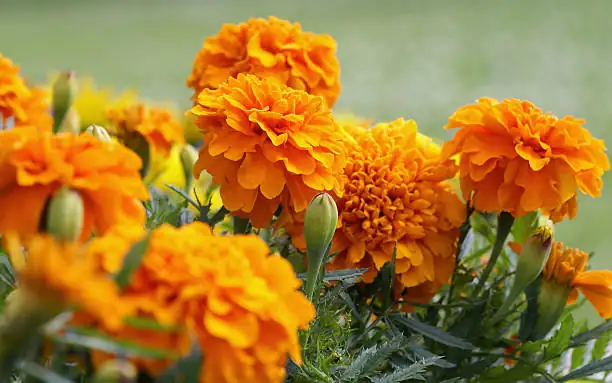
- Deadhead spent blooms to keep the show rolling (helpful, even if not absolutely essential).
- Stake or gently corral very tall cultivars in windy sites to prevent flopping.
- Feed lightly every 2–4 weeks during active growth; switch to a bloom‑friendly formula before peak flowering.
- Water at the base, not overhead, to minimize spotting and rot. Containers dry faster—check them more often.
- If you’re getting leaves but few flowers: increase sun exposure, ease off nitrogen, and boost airflow.
Mid‑summer: Airflow fixes that prevent stall‑outs
Hot, humid, still air can slow flowering and invite mildew or rot. Keep the breeze moving.
- Space and shape
- If plants are crammed, edit: remove the weakest plant in a cluster, or rehome a pot to its own sunny, breezy spot.
- On leggy plants, snip out a few tangled side shoots and spent stems back to a strong branch—think “open the center for light and air,” not a hard prune yet.
- Smart watering
- Water early in the day and at soil level. Keep mulch pulled back a little from stems so bases can dry quickly.
- Pot strategy
- Elevate containers on pot feet, avoid wall‑hugging heat traps, and leave a hand’s width of space between pots.
- Sanitation and scouts
- Remove spotted or mildewed leaves promptly. Trash, don’t compost, diseased material.
- Check for aphids, spider mites, thrips, and leafhoppers. Blast with water first; follow up with insecticidal soap or horticultural oil if needed.
- If aster yellows (a phytoplasma disease) shows up—stunted, distorted growth with odd blooms—remove and dispose of the whole plant.
- Heat waves
- Offer brief light afternoon shade in extreme heat, but don’t smother airflow. Keep fertilizer light and water consistent; plants usually rebound as nights cool.
Late summer: The rebloom cutback
When plants look tired or blooms thin out, a short haircut resets the clock.
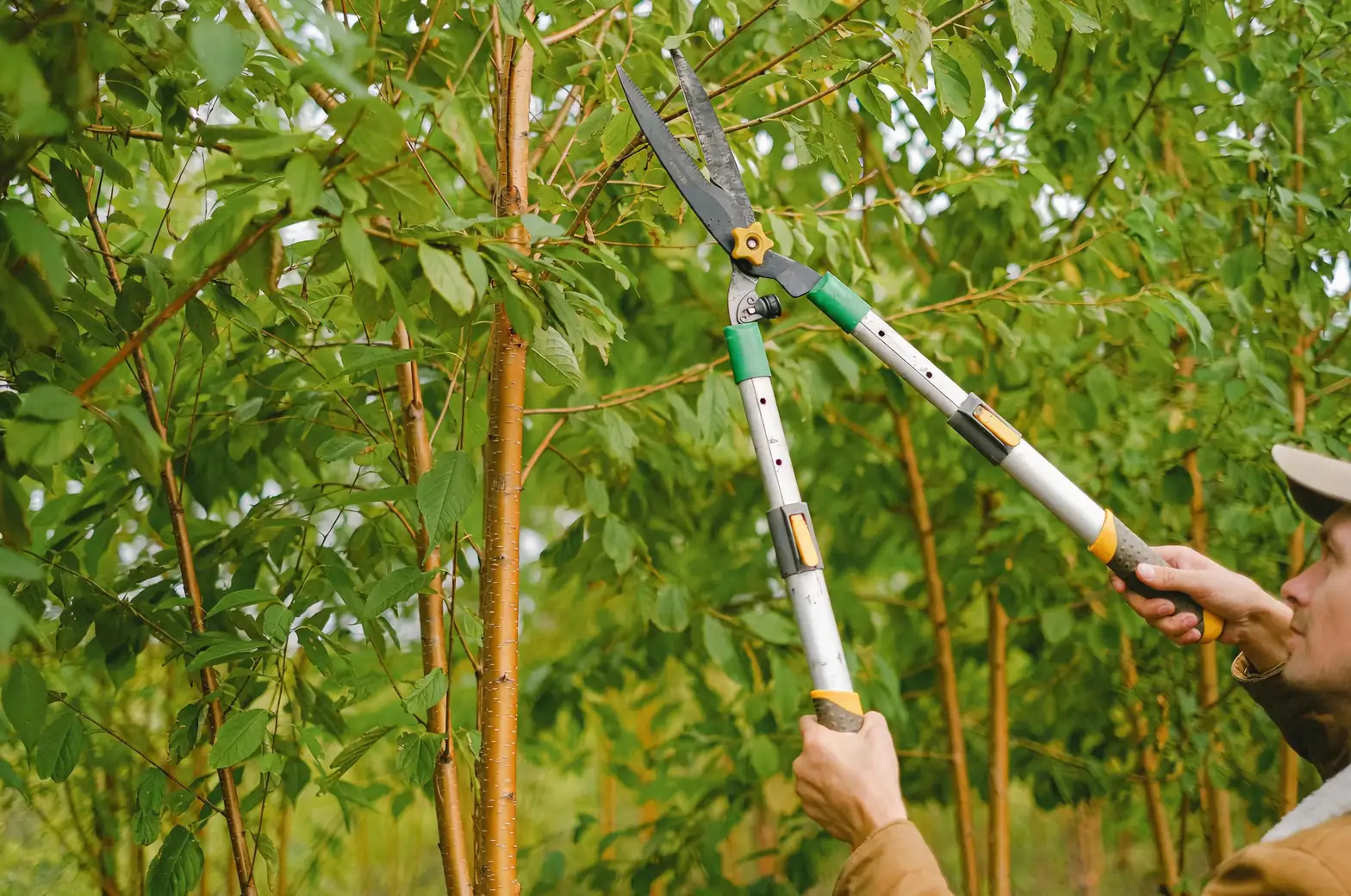
- How to do it
- Shear back by about one‑third (up to half for very stretched plants), shaping the mound evenly and cutting to just above a strong leaf or side branch.
- Water well and give a light, bloom‑boosting feed. You’ll usually see a flush of new growth and buds within 2–3 weeks.
- Ongoing tidy‑ups
- Deadhead by removing the whole spent stem back to a strong junction to keep plants compact and blooming.
- For cut flowers, harvest long stems when pom‑poms are fully open or just at peak.
Early fall: Save seed before the cold snaps
A quick seed‑saving sprint keeps your favorite marigolds in the family.
- Pick your parents
- Choose healthy, open‑pollinated plants. Hybrids (often labeled F1) won’t come true from seed.
- If you’re growing multiple varieties together, expect some genetic mixing—fun surprises, or isolate if you want purity.
- Let heads ripen
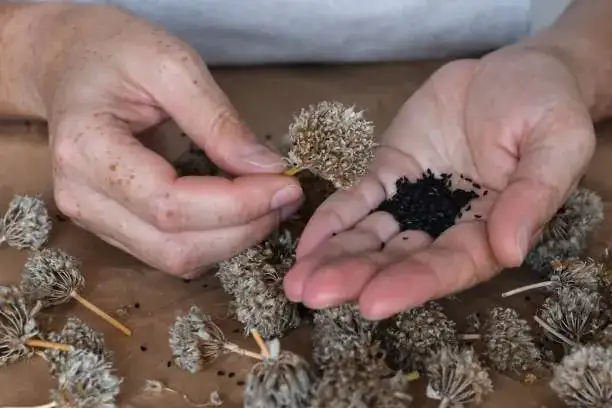
- Stop deadheading on a few chosen stems. Allow flower heads to dry on the plant until they’re brown and papery.
- Before forecasted rain or frost, clip the drying heads and finish them off indoors in a dry, airy spot.
- Clean and store
- Pull apart the seedheads to reveal the classic “paintbrush” seeds (dark, slender seeds attached to papery bases). Keep the dark portion; discard pale chaff.
- When fully dry (they snap, not bend), label by variety and date, and store in paper envelopes in a cool, dark, dry place. Good for 2–3 years.
Note: In most regions, marigolds die with frost. In frost‑free climates (roughly USDA Zones 10–11), Tagetes erecta can behave as a tender perennial and flower on through winter with bright light and careful watering.
Quick seasonal checklist
- Spring
- After frost: sow or transplant into warm soil in full sun.
- Pinch young plants for branching; water deeply but avoid soggy soil.
- Start light, balanced feeding.
- Summer
- Deadhead regularly; water at the base; keep containers draining fast.
- Maintain airflow: space well, thin congestion, elevate pots.
- Light feeds every 2–4 weeks; avoid excess nitrogen.
- Late summer
- If leggy or bloom‑shy, cut back by one‑third and refresh with water and a bloom‑boost feed.
- Fall
- Keep blooms coming until frost; select a few heads to ripen for seed.
- Harvest and dry seed before cold, wet weather sets in.
Troubleshooting at a glance
- Lots of leaves, few flowers? More sun, less nitrogen, better airflow; extreme hot‑humid spells can briefly slow bloom.
- Sudden collapse? Often root/stem rot from waterlogged soil—improve drainage and let the topsoil dry slightly between waterings.
- Leaf spots, mildew, or rot? Increase sun and spacing, water at the base, remove affected parts.
- Pests (aphids, mites, thrips, leafhoppers; plus snails/slugs)? Rinse with water, then use insecticidal soap or horticultural oil if needed; hand‑pick slugs/snails.
A quick cultural note: big feelings in bright petals
Tagetes erecta is woven into traditions across the world. In Mexico it’s central to Día de los Muertos, where vibrant flowers are believed to help guide loved ones’ spirits home. In parts of South Asia, marigold garlands symbolize purity, luck, and prosperity. In Chinese culture it’s linked with longevity and respect. That breadth of meaning reflects the plant itself—resilient, generous, and luminous when days grow shorter.
Care essentials (keep these three in mind)
- Sun: 6–8+ hours of direct light for best blooms; brief afternoon shade helps in extreme heat.
- Drainage: well‑draining soil or potting mix; avoid waterlogging above all else.
- Light touch: moderate feeding and steady deadheading, with a midsummer cutback if plants stretch.
Safety note: Tagetes sap can irritate sensitive skin, and pets may get mild stomach upset if they chew a lot. If you plan to taste petals (a regional practice), use only unsprayed flowers grown for edible use, and try a small amount first.
With these seasonal nudges, African marigolds become set‑and‑smile plants: sow after frost, keep the air moving in midsummer, reset with a quick cutback, and pocket a packet of your own seed before the first cold nights.


