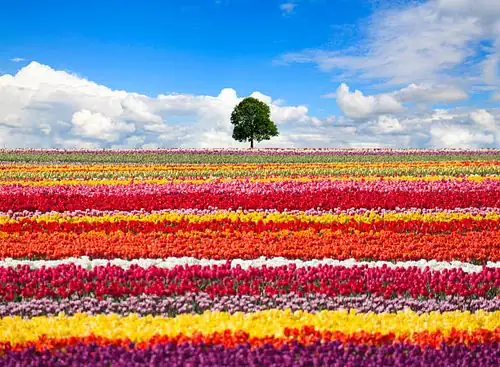
Tulips are more than just one of nature’s springtime masterpieces; they are storytellers, cultural icons, and bearers of deep symbolism. Their vibrant colors and delicate forms have fascinated humans for centuries, weaving themselves into the fabric of our histories, arts, and traditions.
The Language of Tulips: A Bouquet of Meanings
In the world of floriography, or the language of flowers, tulips speak volumes. Each color tells its own story:
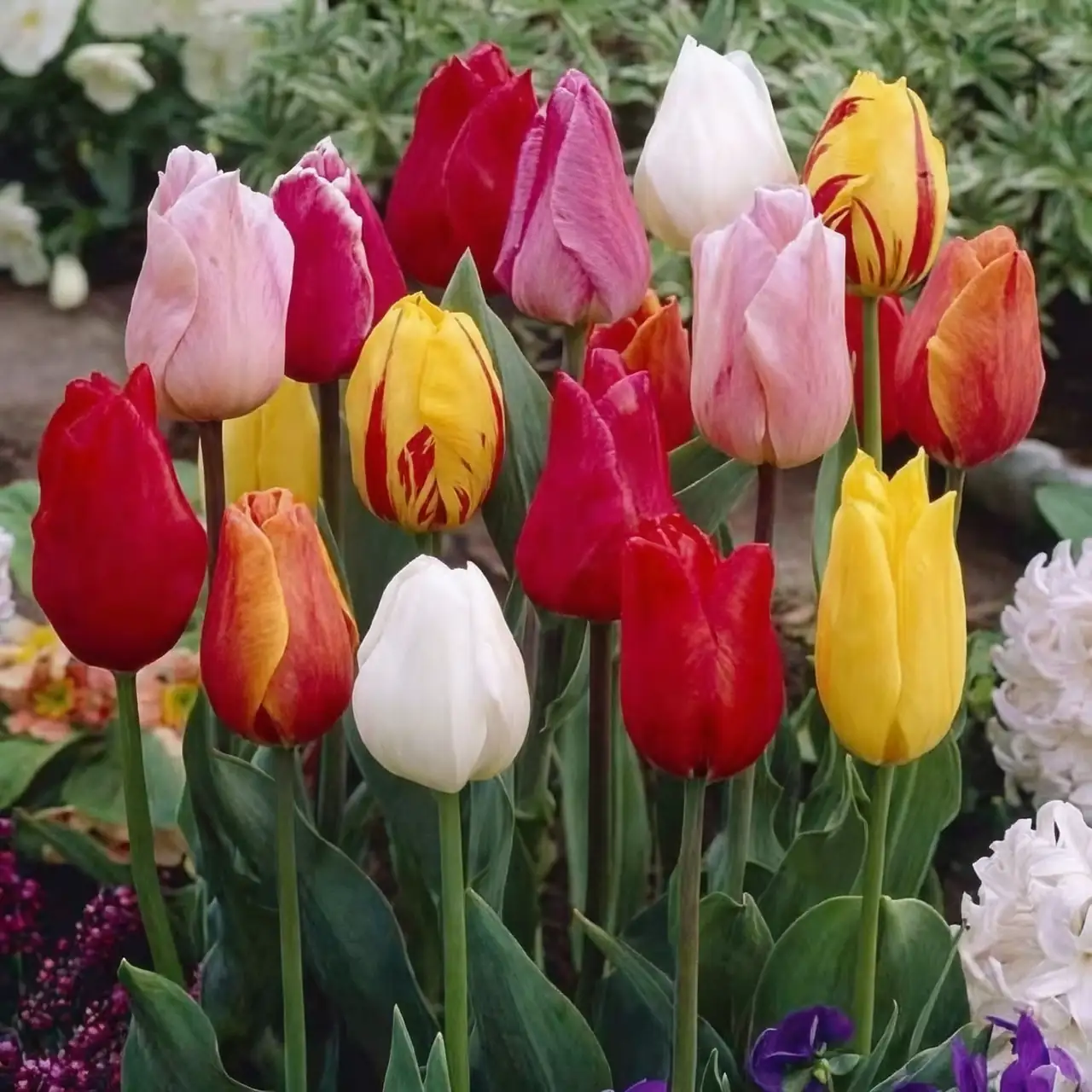
- Red Tulips: These are the true romantics, symbolizing passionate and enduring love. Offering red tulips is akin to whispering “I love you” with each petal.
- Pink Tulips: Embodying affection and good wishes, pink tulips are perfect for expressing gentle admiration and friendship.
- White Tulips: Often linked with notions of purity and forgiveness, they are the ideal choice for seeking reconciliation or honoring a fresh start.
- Yellow Tulips: Bright and cheerful, yellow tulips are harbingers of happiness and friendship, though older traditions sometimes connect them with unrequited love.
- Purple Tulips: These regal blossoms speak of royalty and admiration, making them a sophisticated choice for those you deeply respect.
- Near-Black Tulips: With their mysterious allure, these rare varieties symbolize strength and dramatic elegance, perfect for someone who appreciates the profound and unusual.
Understanding tulips in this nuanced way allows us to communicate emotions beyond simple words, crafting messages as varied as the petals themselves.
Tulips Through Time: A Journey of Cultural Significance
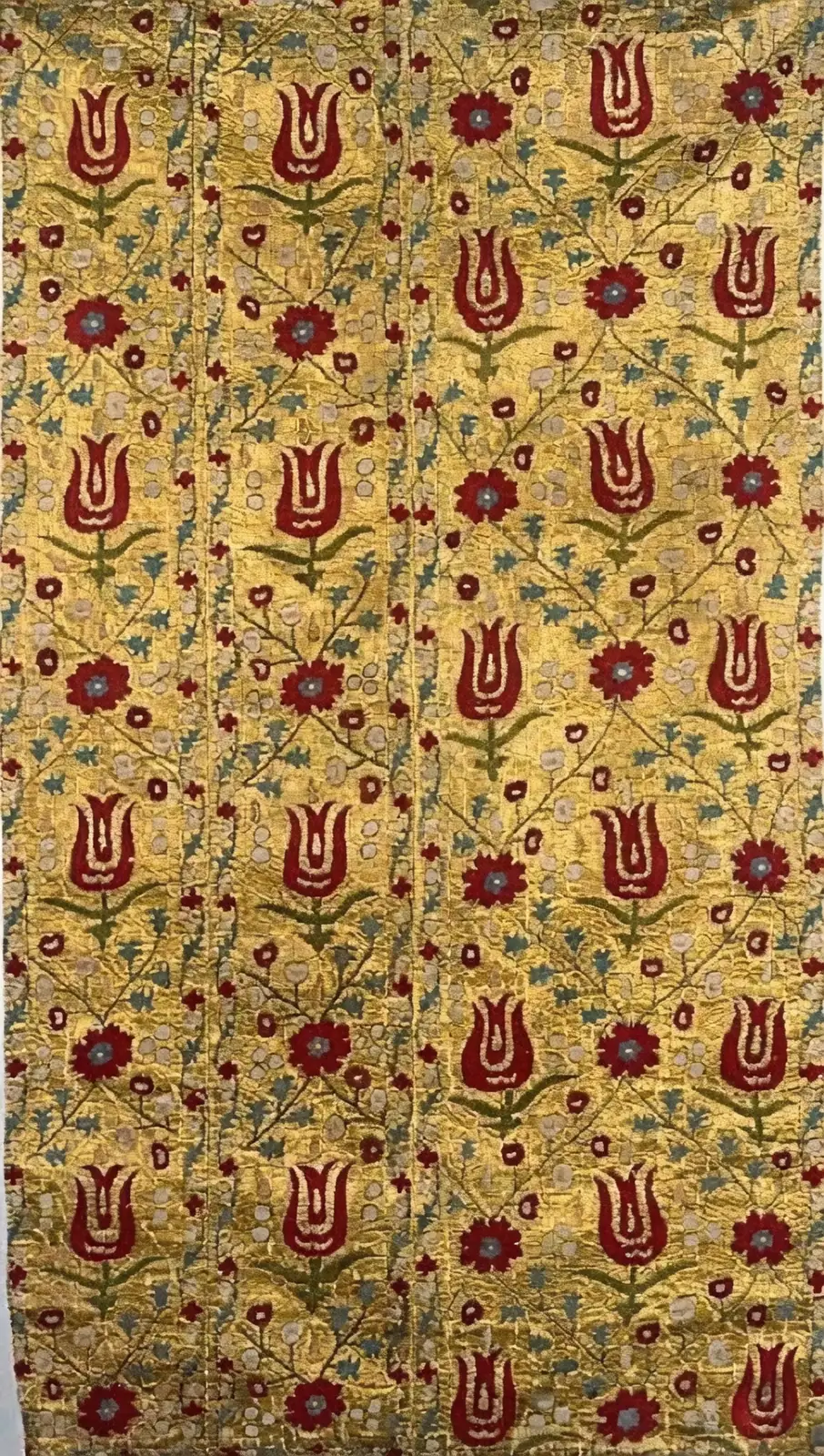
Though tulips are often synonymous with the Netherlands, their journey began long before in the mountainous terrains of Central Asia and Turkey. The Ottomans cherished these flowers, integrating them into art and literature as emblems of perfection and paradise. The very word “tulip” is believed to derive from the Persian word for turban, inspired by the flower’s elegant shape.
Tulips made their way to Europe in the 16th century, quickly captivating the hearts of the elite. By the 17th century, during the infamous “Tulip Mania” in the Netherlands, these blooms were at the heart of one of the first recorded economic bubbles, with bulbs trading for prices that could rival a house. This mania underscored the tulip’s position as a symbol of prosperity, art, and sometimes, folly.
The Global Footprint of Tulips
Tulips have transcended their ornamental role to become cultural icons across the globe. In Turkish and Persian cultures, tulips are woven into the tapestry of national symbols, often representing abundance and joy. In Hungarian folklore, tulip motifs are linked with fertility and tradition, showcasing their versatility in symbolism across different societies.
Whether adorning gardens or appearing in art and poetry, tulips remain a timeless metaphor for beauty and transformation. Their global appeal is a testament to their ability to connect with human ideals, desires, and spiritual beliefs across generations.
Tulips in Modern Gift-Giving
Today, tulips are celebrated in gardens, festivals, and homes around the world. They make for exquisite gifts, suitable for a variety of occasions. Whether brightening a room as a cut flower or standing proud in a garden, tulips carry with them a message of rebirth, hope, and enduring love.
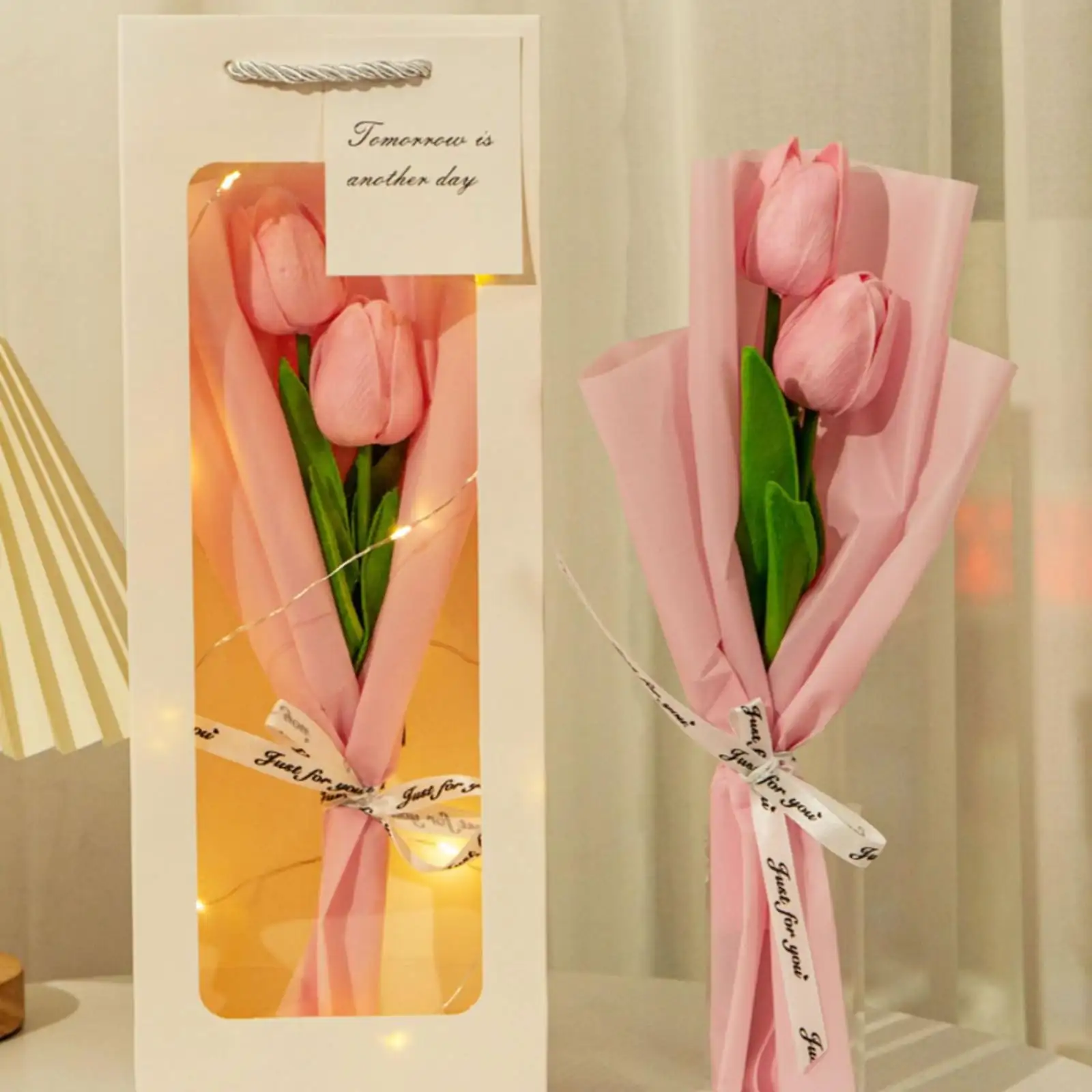
When gifting tulips, consider the message you wish to convey. Their colors and symbolism offer a language of their own, allowing you to express sentiments from the heart. Whether you choose a single hue or a vibrant mix, these “magic flowers” will undoubtedly bring joy and beauty to any space.
Fun Facts About Tulips
- During “Tulip Mania,” some bulbs were valued more than a house on Amsterdam’s canals.
- Tulips are phototropic, meaning they continue to grow and lean towards light even when in a vase.
- The bulb you plant in fall is often replaced by a new bulb and offsets during the growing season, making each bloom a renewal.
In the dance of spring’s arrival, tulips lead the charge, embodying the very essence of renewal and the cycle of life. Their story is one of transformation, beauty, and a perennial reminder of nature’s elegance and resilience. Whether in history, art, or the garden, tulips remain a beloved symbol of life and love.