


A Tapestry of Meaning: Exploring the Symbolism and Cultural Significance of Amaranthus tricolor
Amaranthus tricolor L., commonly known as Joseph’s Coat, is as much a feast for the eyes as it is a subject of rich symbolism and cultural lore. Picture a garden ablaze with colors that seem to defy the mundane limits of nature. The vibrant hues of Joseph’s Coat echo the biblical tale of Joseph and his coat of many colors—a narrative steeped in themes of favoritism, jealousy, and redemption.
The Symbolism of “Joseph’s Coat”
The name Joseph’s Coat is deeply rooted in the biblical story of Joseph, the favored son of Jacob, who was gifted a multicolored garment that stirred envy among his brothers. This story, found in Genesis, not only highlights familial strife but also represents divine favor and resilience against adversity. The multicolored foliage of Amaranthus tricolor brings this narrative to life in gardens across the globe, each leaf a brushstroke in a living painting.
The term “Amaranthus” itself finds its origins in Greek, meaning “unfading.” This etymology underscores the plant’s association with immortality and enduring beauty—concepts that resonate throughout cultures, from ancient Greece to modern Asia. The plant’s vibrant colors and robust growth symbolize life’s resilience and the eternal nature of beauty.
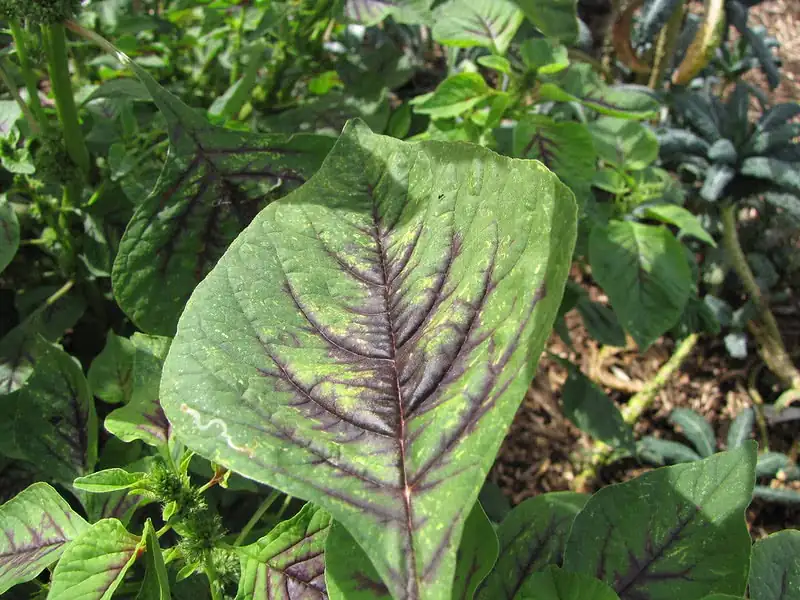
A Kaleidoscope of Cultural Significance
In tropical Asia, Amaranthus tricolor is more than just an ornamental marvel. Known as “Chinese Spinach” or “Tampala,” it is a staple in many Asian cuisines, valued for its nutritional benefits. Here, the plant’s role transcends aesthetics, as it becomes a vital food source, celebrated in both culinary and medicinal traditions. Its young leaves, tender and full of flavor, are often used in salads or cooked as a spinach substitute.
Beyond its practical uses, Joseph’s Coat holds a place in traditional ceremonies and folklore. In ancient Greek rituals, amaranth was used as a symbol of immortality, often woven into wreaths for ceremonial purposes. This plant, with its ability to thrive in heat and its kaleidoscope of colors, embodies the human spirit’s ability to flourish amid challenges.
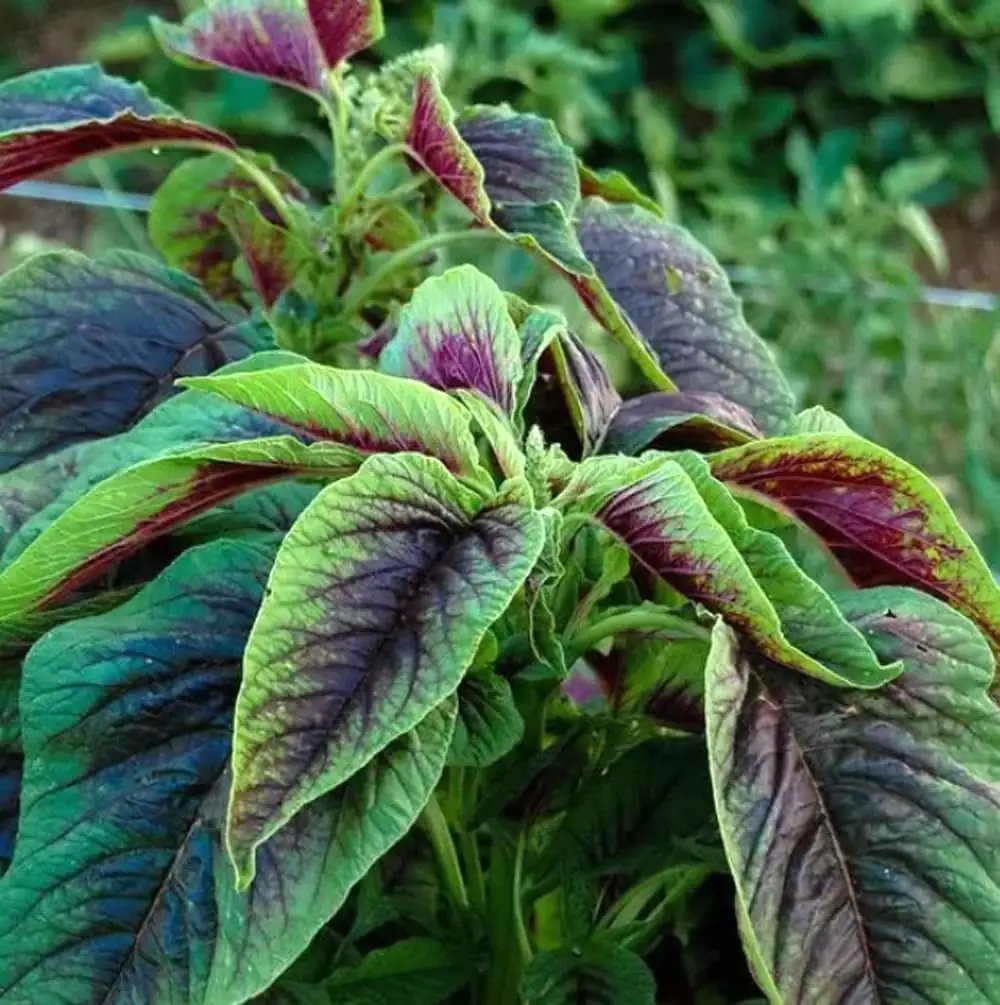
The Language of Flowers: A Multicolored Dialogue
In the language of flowers, each bloom and leaf carries a message. Amaranthus tricolor, with its dazzling array of colors, speaks of unfading love and everlasting affection. It serves as a reminder that beauty and strength often reside in diversity and that life’s challenges can be met with grace and resilience.
This plant’s ability to adapt and thrive in various conditions—tolerating heat and short dry spells—mirrors the human capacity to endure and grow through life’s trials. Its presence in a garden is a testament to the power of color to lift spirits and inspire creativity.
Cultivating Joseph’s Coat: A Gardener’s Guide
For those looking to introduce this symbolically rich plant into their gardens, here are some tips:
- Sunlight: Amaranthus tricolor thrives in full sun, where its colors are most vibrant. However, in hotter climates, a touch of afternoon shade can prevent stress.
- Soil and Watering: It prefers moist, well-drained soil and regular watering, especially during dry spells. Avoid waterlogged conditions to prevent root rot.
- Care: This low-maintenance plant is beginner-friendly. Allow it to bask in warmth and light, and don’t over-fertilize, as excessive nitrogen can dull its colors.
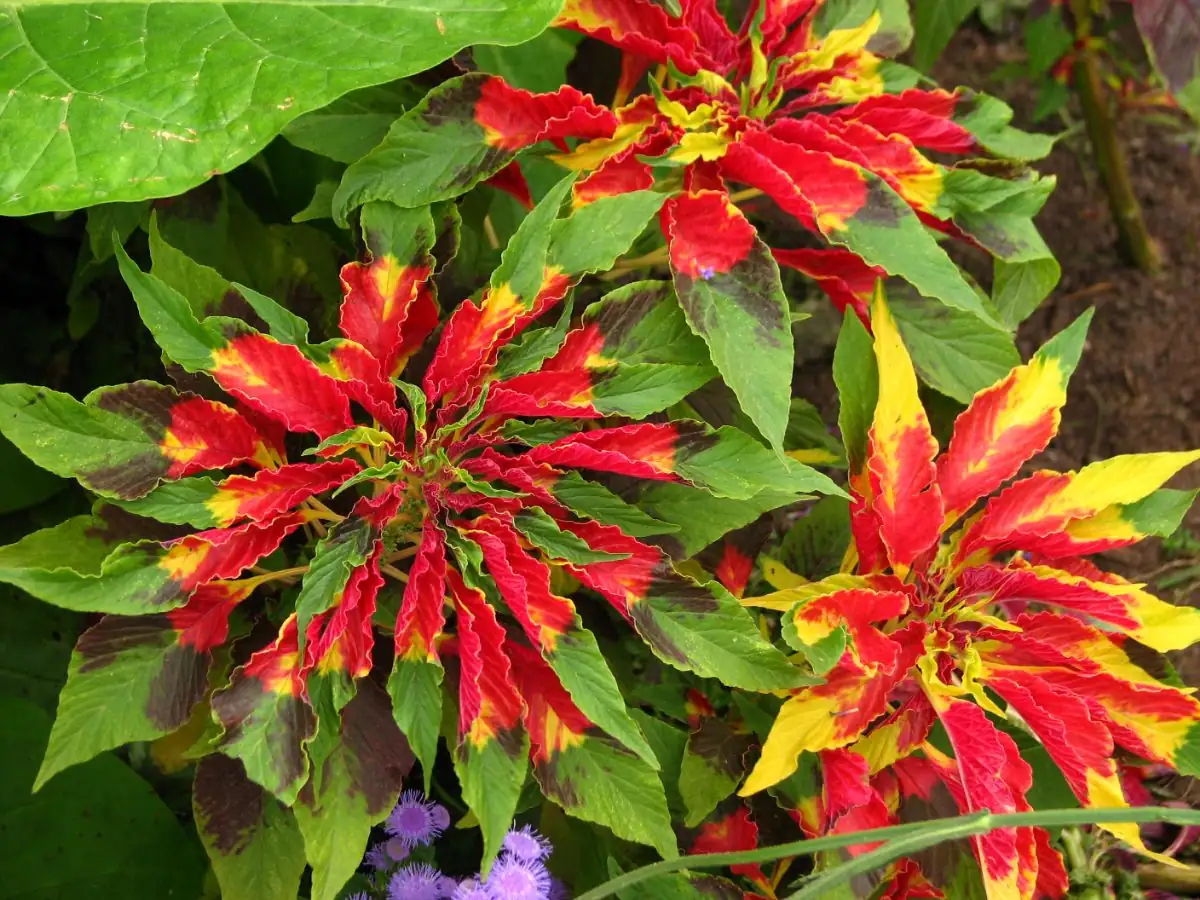
A Living Legacy
Amaranthus tricolor is not just a plant; it’s a living legacy that reflects a tapestry of cultural stories and universal themes. Whether standing tall in the garden or adding flavor to a meal, Joseph’s Coat invites us to appreciate the beauty in diversity and the strength found in resilience. So why not let this vibrant plant paint your garden with its multicolored brushstrokes, each leaf whispering stories of immortality, beauty, and the enduring human spirit?


