Discovering the Alpine Aster: A Star of Love, Patience, and Remembrance
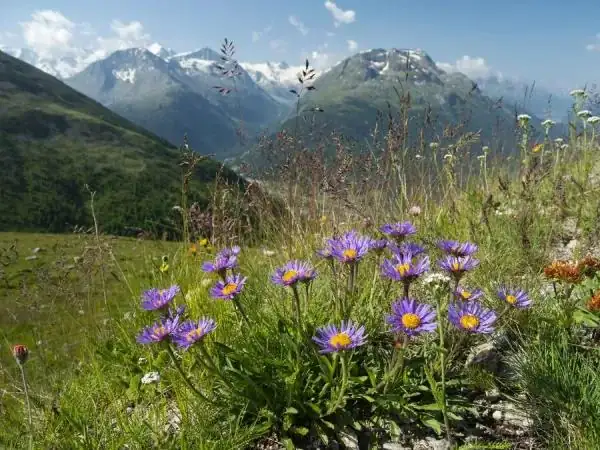
Picture yourself wandering through a sunlit alpine meadow, surrounded by the crisp air of the mountains. Suddenly, your eyes catch a glimpse of a vibrant cluster of starry flowers, their blue-violet petals shimmering in the light. These enchanting blooms are none other than the Alpine Aster, or Aster alpinus L., a hardy little perennial that has captivated hearts and minds throughout history. But beyond its visual appeal, the Alpine Aster carries with it a rich tapestry of symbolism and cultural stories that resonate with themes of love, patience, and remembrance.
The Starry Origins: Greek Mythology and Flower Language
The name “Aster” is derived from the Greek word for “star,” aptly describing the flower’s shape. According to Greek mythology, the Alpine Aster is linked to the goddess Astraea, who, devastated by the moral decline of humanity, was transformed into a star. Her tears fell to Earth, becoming the first asters. This celestial origin story imbues the flower with an ethereal quality, making it a symbol of longing and the wish for things to be different—a reflection of the Greek myth where King Aegeus, misled by black sails, assumed his son Theseus had perished and leapt to his death, with asters reputedly blooming from where his blood touched the ground.
Symbolism in Cultures: Love, Patience, and Beyond
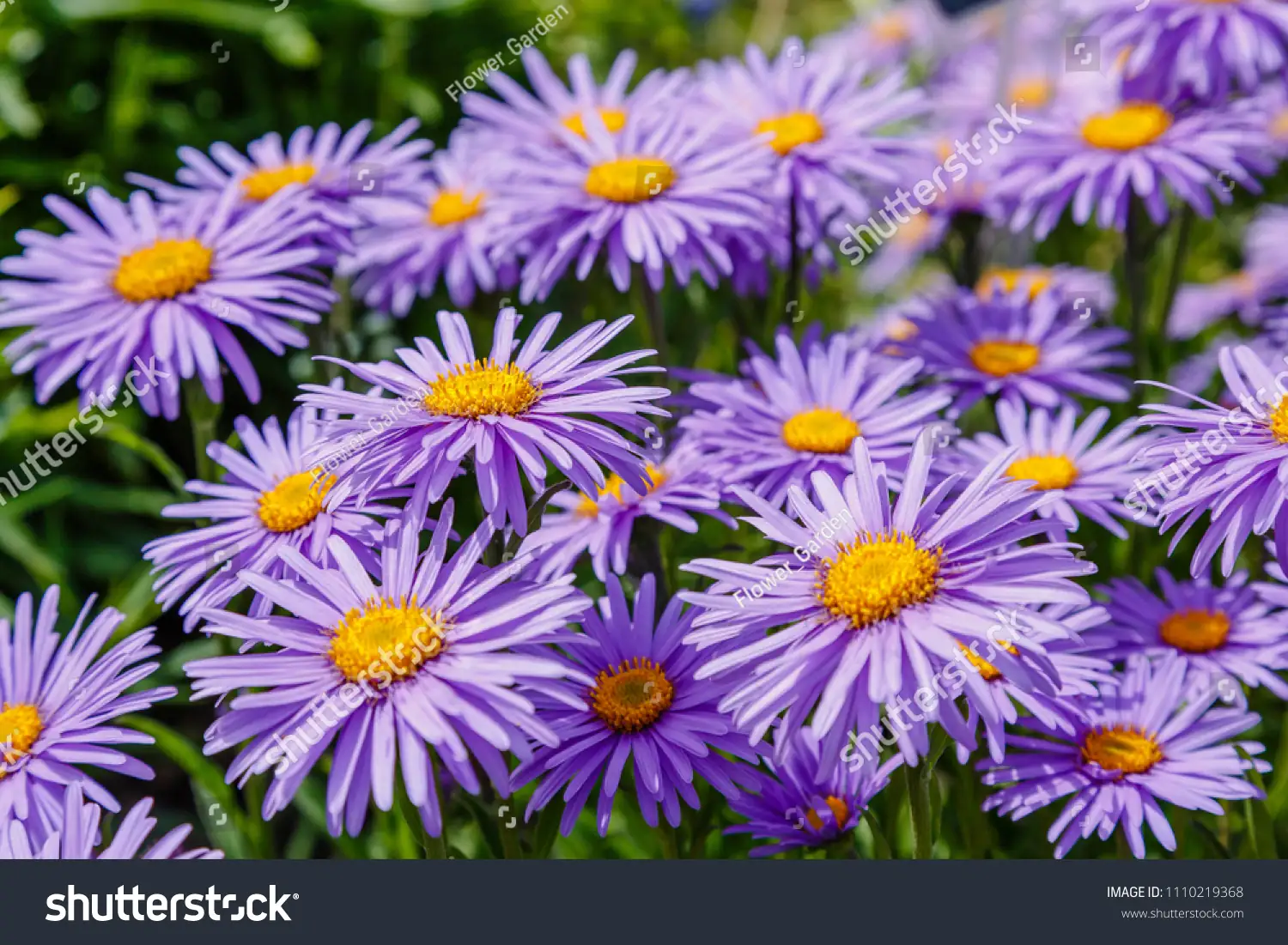
In the language of flowers, asters are frequently associated with love and patience. Their resilience in the face of harsh alpine conditions mirrors the endurance required in love, while their steady blooms from late spring to mid-summer echo the patience needed to nurture relationships. Furthermore, asters are often seen as a token of remembrance, used in various cultures to honor those who have passed, serving as a floral tribute at gravesides.
In France, the aster is known as the “eye of Christ,” symbolizing divine watchfulness and the hope for better outcomes—a sentiment shared in the English and German traditions, where asters are believed to hold magical powers.
A Garden’s Gem: Growing and Caring for Alpine Asters
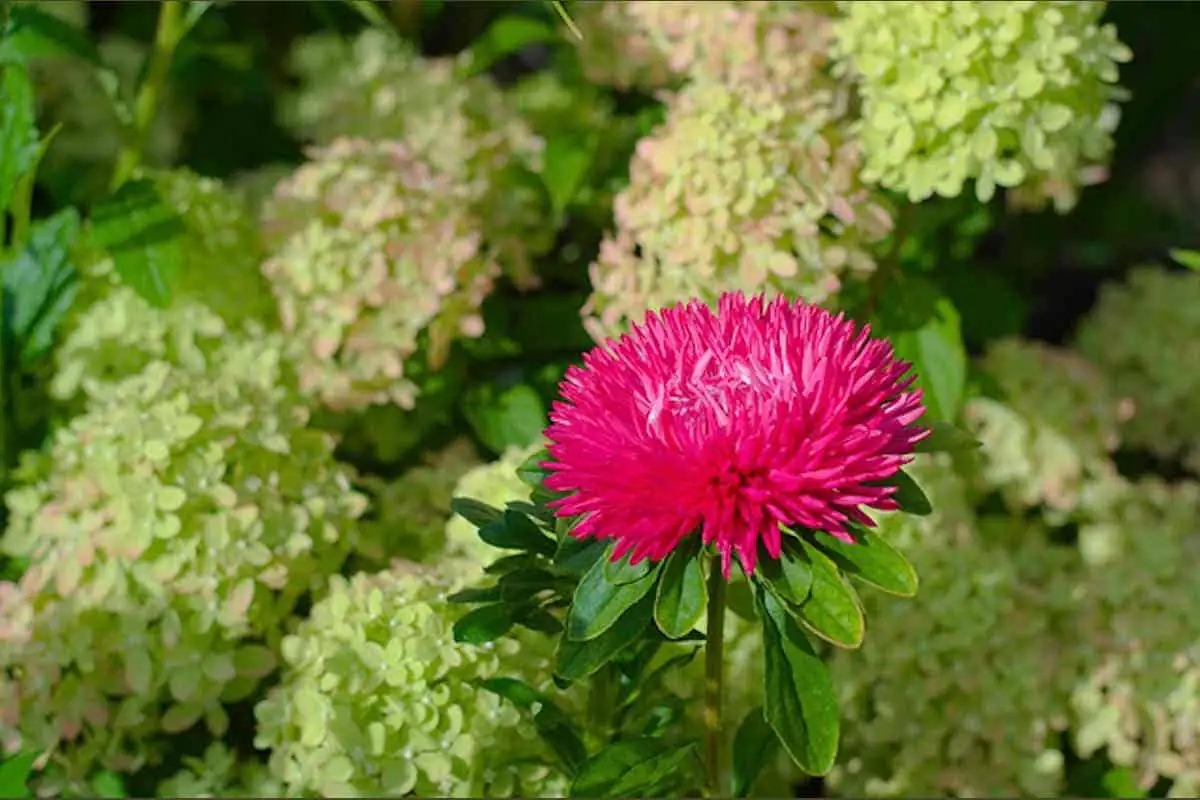
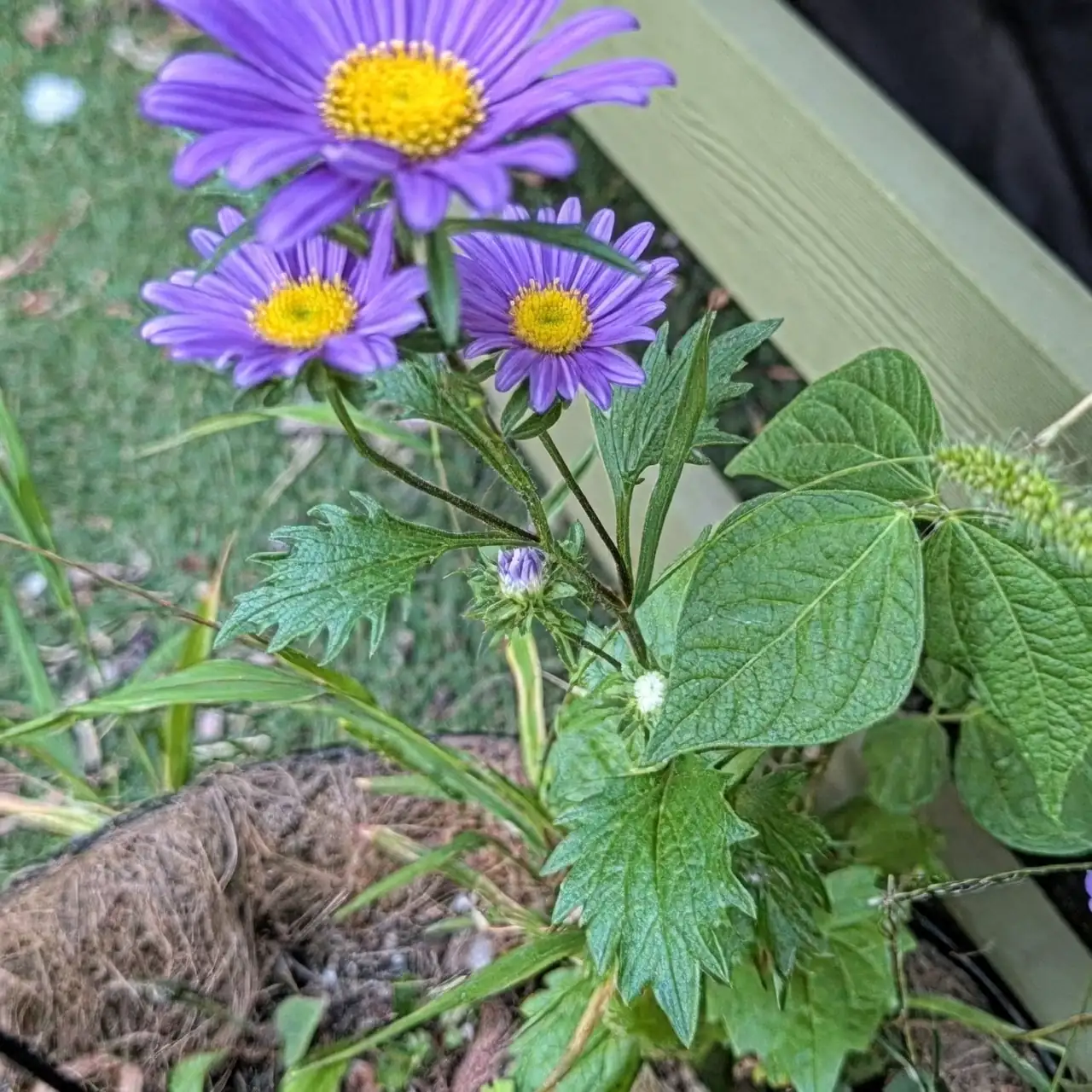
Alpine Asters are not just a botanist’s delight but a gardener’s treasure. They thrive in full sun with well-draining soil, making them perfect candidates for rock gardens and alpine beds. Their compact clumps, typically about 15–30 cm tall, are adorned with solitary, daisy-like flowers that draw pollinators, including bees and butterflies, into their nectar-rich embrace.
Despite their delicate appearance, Alpine Asters are tough cookies. They laugh in the face of adversity, weathering cold climates and poor, rocky soils with ease. This resilience makes them an excellent choice for gardeners seeking low-maintenance plants that deliver a vibrant display without demanding constant attention.
Cultural Significance and Modern Uses
While primarily ornamental, Alpine Asters also play a role in supporting biodiversity. Their presence in a garden not only adds aesthetic appeal but also helps maintain ecological balance by providing food for pollinators and stabilizing the soil. Historically, parts of the aster family have been used in traditional medicine, although any medicinal use should be approached with caution and proper guidance.
Furthermore, the Alpine Aster has earned the Royal Horticultural Society’s Award of Garden Merit, a testament to its dependable performance and the joy it brings to any garden it graces.
A Living Legacy in Bloom
Incorporating Alpine Asters into your garden is like planting a piece of history—a living connection to myths and meanings that have spanned centuries. Whether you’re drawn to their star-like beauty, their symbolic depth, or their ecological benefits, the Alpine Aster offers a timeless touch of nature’s artistry. Embrace the magic of these beautiful blooms, and let them remind you of the enduring qualities of love, patience, and the cherished memories of those we hold dear.