

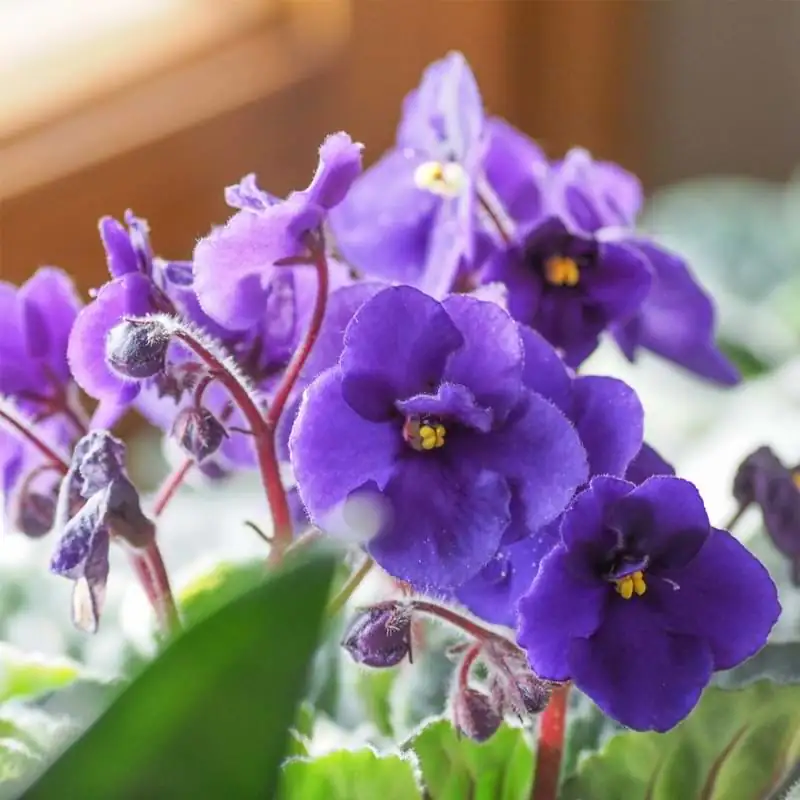
A Floral Ode to Love and Devotion: The Timeless Appeal of African Violets
Have you ever gazed upon the gentle blooms of an African violet and felt a sense of peace and admiration? Known scientifically as Streptocarpus ionanthus (formerly Saintpaulia ionantha), these captivating plants are more than just decorative indoor companions. They are harbingers of deep symbolism, whispering tales of love, devotion, and cultural heritage from their velvety petals.
The Symbolic Garden of African Violets
African violets are synonymous with messages of modesty, virtue, and unwavering devotion. Their understated elegance, with blooms often in soft purples, pinks, and whites, captivates the heart with a quiet grace. These flowers are like love letters from nature, expressing sentiments of fidelity and admiration without uttering a single word.
In many cultures, gifting an African violet is akin to saying, “You have my loyalty and respect.” Their vibrant yet gentle appearance speaks volumes of the giver’s admiration and enduring trust. The blooms themselves, often adorned in romantic purples, symbolize a connection to spiritual wisdom and the nurturing aspects of feminine energy.
A Glimpse Into the Past
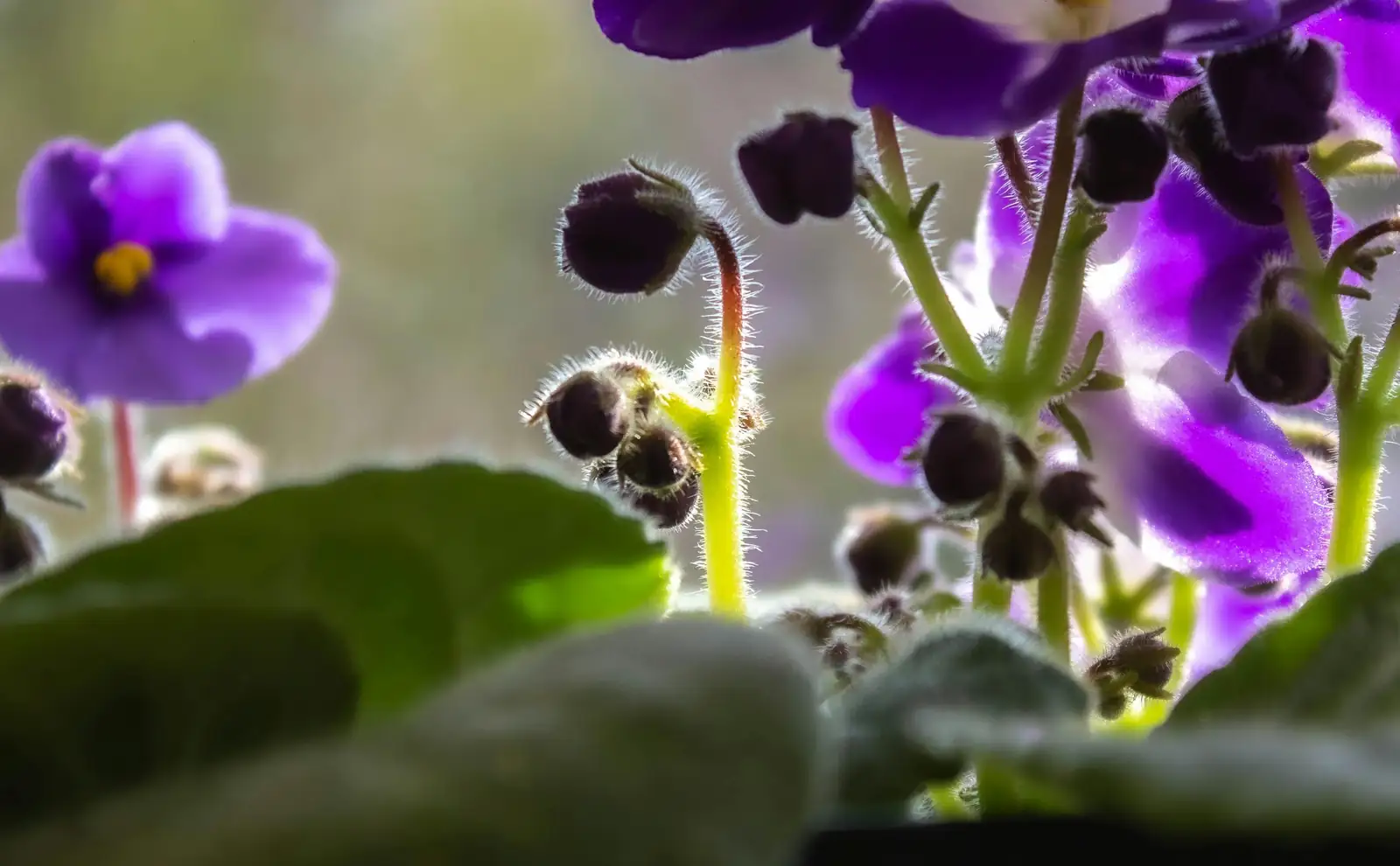
The enchanting journey of African violets began in 1892 when Baron Walter von Saint Paul-Illaire, a German colonial official, stumbled upon these beauties in Tanzania. Captivated by their charm, he introduced them to Europe, where they quickly became a horticultural sensation. Today, despite their botanical reclassification under the genus Streptocarpus, African violets continue to thrive in the hearts and homes of plant lovers worldwide.
Cultural Resonance Across Continents
African violets have woven themselves into the fabric of various cultural traditions, embodying themes of spiritual wisdom and maternal protection. From their origins in the lush terrains of East Africa to the windowsills of homes around the globe, these plants have been cherished as symbols of harmony and good fortune.
In folklore, African violets are often believed to bring a protective aura to the home, creating a sanctuary of peace and warding off negativity. Their presence is seen as a touchstone for serenity, offering not just aesthetic pleasure but a sense of spiritual grounding.
The Perfect Gift for Every Occasion
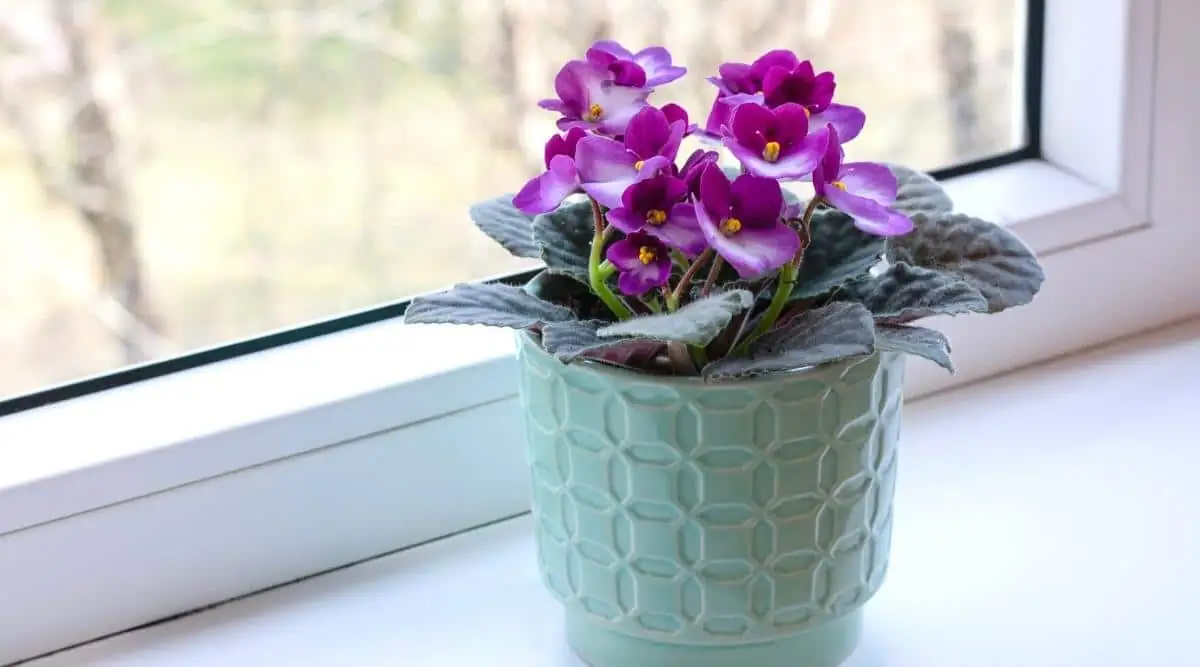
These compact floral wonders are ideal gifts for personal milestones—birthdays, anniversaries, or even as a gesture of gratitude. Their symbolism of loyalty and affection makes them perfect tokens of appreciation, whether you’re thanking a mentor, cherishing a friend, or expressing love to a partner.
Nurturing Your African Violet
Caring for African violets is a rewarding experience that mirrors the dedication they symbolize. Here are a few tips to help them thrive:
- Light and Placement: Ensure bright, indirect light. A windowsill with filtered sunlight is perfect, but avoid harsh midday rays.
- Temperature and Humidity: Keep them cozy at 16–24°C (61–75°F) with moderate humidity. A pebble tray can help maintain the ideal environment without misting the leaves directly.
- Watering and Soil: Use a peat-based mix that’s light and airy. Water when the topsoil feels dry, preferably from the bottom, to keep the leaves dry and reduce the risk of rot.
- Fertilization: Feed lightly during active growth with a balanced fertilizer to encourage vibrant blooms.
A Botanical Companion for the Soul
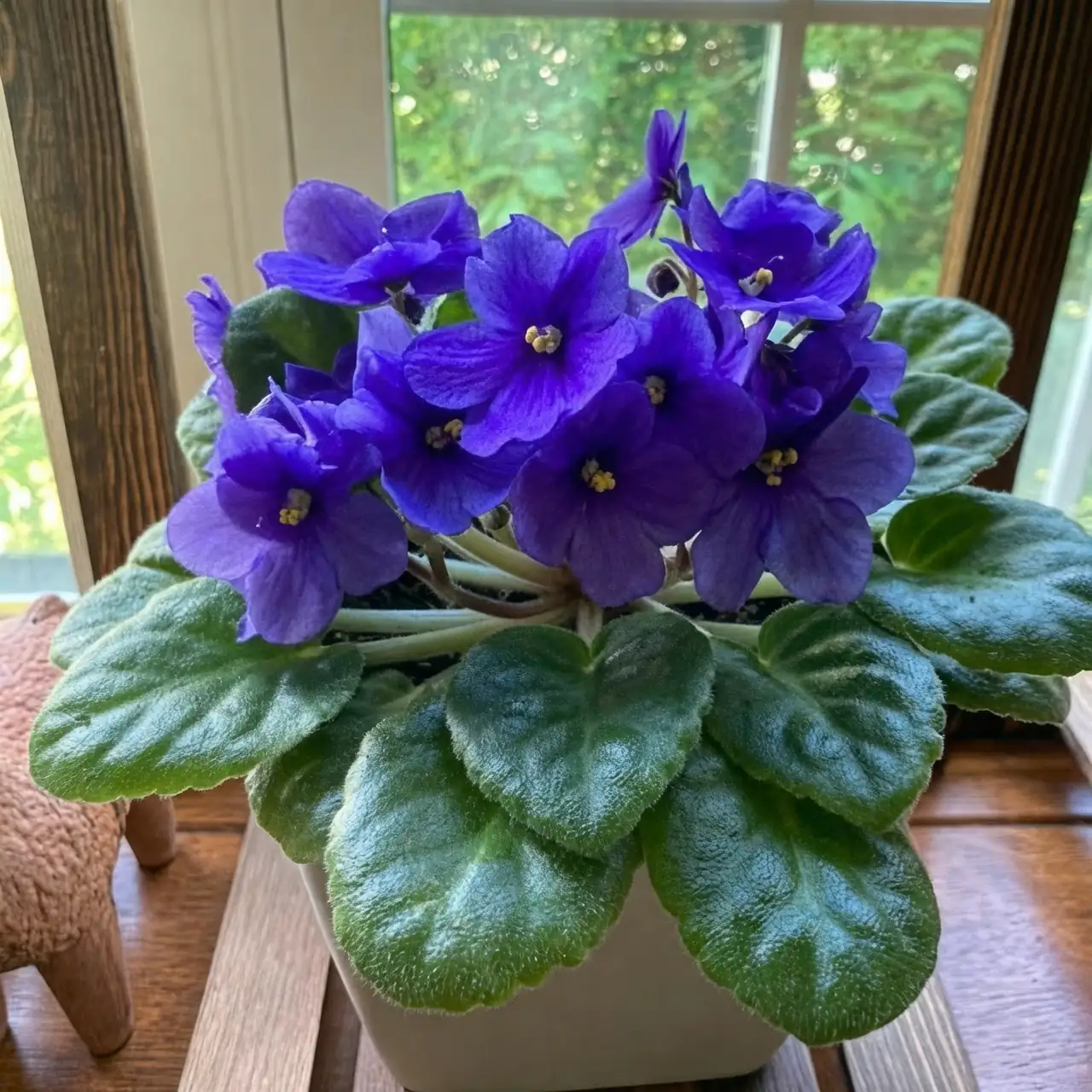
Beyond their visual allure, African violets offer therapeutic benefits, from air purification to stress reduction. The act of tending to these plants is a practice in mindfulness, providing a calming routine that soothes the soul. Their enduring appeal lies not just in their beauty but in the quiet comfort and joy they bring to our living spaces.
In the tapestry of floral symbolism, African violets stand as a testament to the power of gentle devotion and the quiet strength of enduring love. Whether as a gift or a personal indulgence, these plants continue to weave color, culture, and connection into our lives. As you nurture your African violet, remember, you are also nurturing a living symbol of loyalty and grace—a small yet profound reflection of nature’s boundless beauty.


