

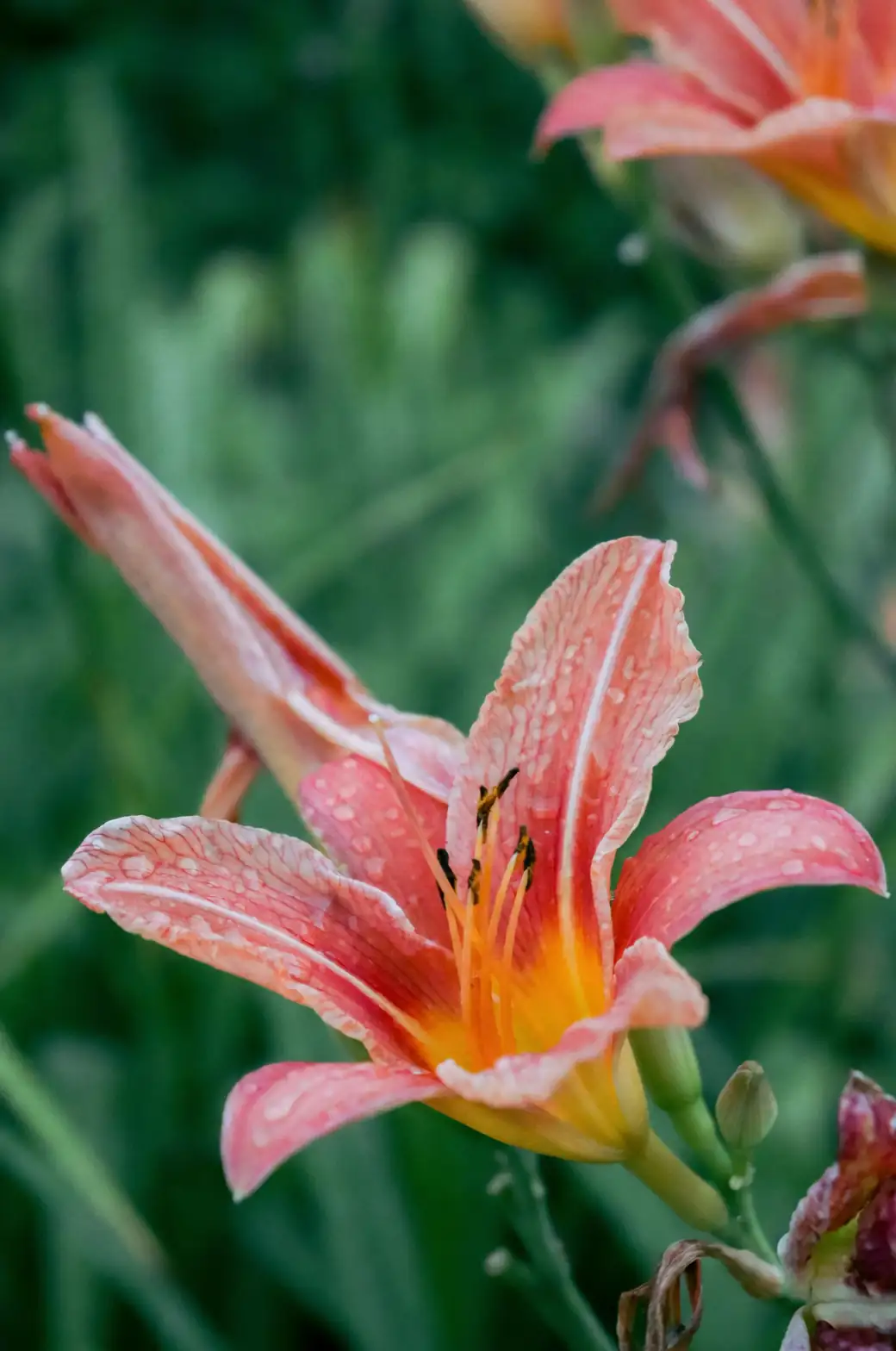
The Cultural Symphony of the August Lily: Purity and Elegance in Bloom
Imagine stepping into a serene garden just as the sun begins to set. A sweet, intoxicating fragrance envelops you, guiding your eyes to the pure white blooms of the August Lily, or Hosta plantaginea. These elegant flowers, nestled among lush green foliage, open their waxy petals in a nocturnal display, bestowing a sense of calm and grace. But beyond their physical beauty, these blooms are steeped in cultural symbolism and history that span centuries and continents.
A Tapestry of Symbolism
The August Lily, with its pristine white flowers, is often associated with purity and elegance. In the language of flowers—an age-old system used to convey emotions and meanings—the August Lily stands as a beacon of serenity and devotion. Its symbolism echoes that of the broader lily family, which traditionally represents purity, innocence, and rebirth. These associations are not just whimsical; they are deeply rooted in cultural narratives and historical contexts.
In Christian iconography, white lilies are linked to the Virgin Mary, symbolizing her purity and divine grace. This connection elevates the August Lily from mere garden beauty to a symbol of spiritual aspiration and virtue. Similarly, in Asian cultures, lilies are seen as emblems of harmony and good fortune, aligning with the August Lily’s serene presence in shaded gardens.

Origins and Historical Significance
The journey of the August Lily begins in the misty mountains and forests of southeast and south-central China. Its cultivation dates back to the Han Dynasty, underscoring its long-standing ornamental value. By the Tang Dynasty, it was celebrated not just for its beauty but also for its delightful fragrance, a quality that has made it a favorite in gardens worldwide.
A fascinating Chinese legend tells of celestial maidens dropping jade hairpins at the Queen Mother of the West’s peach banquet, which transformed into these exquisite flowers. This story resonates with its Chinese name, “玉簪” (Yùzān), linking the plant to notions of heavenly beauty and elegance.

The August Lily’s charm was not confined to China. It made its way to Europe in the late 18th century, where it quickly captured the hearts of gardeners and botanists alike, earning the nickname “Funkia of Paris.” Its popularity soared, and by the early 19th century, it had become a staple in American gardens as well.
Elegance in Every Garden
Beyond its historical and cultural significance, the August Lily is a gardener’s delight. This shade-loving perennial thrives in rich, moist soil, forming dense mounds of glossy green leaves that provide a beautiful backdrop for its star attraction—the night-blooming flowers. These blooms release their strongest fragrance in the evening, making them perfect companions for patios and pathways.

The plant’s resilience and ease of care make it accessible to both novice and experienced gardeners. It requires minimal attention—just protection from hot sun and consistent moisture. This easy-going nature, paired with its striking beauty, makes the August Lily a beloved feature in shade gardens, woodland borders, and container arrangements.
A Note of Caution
While the August Lily offers a feast for the senses, it’s important to note its toxicity to pets. The plant contains saponins that can cause discomfort if ingested by cats, dogs, or horses. Gardeners with curious pets should consider alternative plants or ensure the August Lily is planted out of reach.
The Everlasting Allure
The August Lily, with its blend of history, symbolism, and sensory appeal, continues to enchant gardeners and flower enthusiasts around the world. Whether you are drawn to its cultural stories, its elegant blooms, or its sweet evening fragrance, the August Lily offers a tranquil presence that transcends the garden and enters the realm of the spirit.
As you cultivate these flowers, you partake in a tradition that stretches back through time, connecting you with the elegance and purity that the August Lily so gracefully embodies.


