

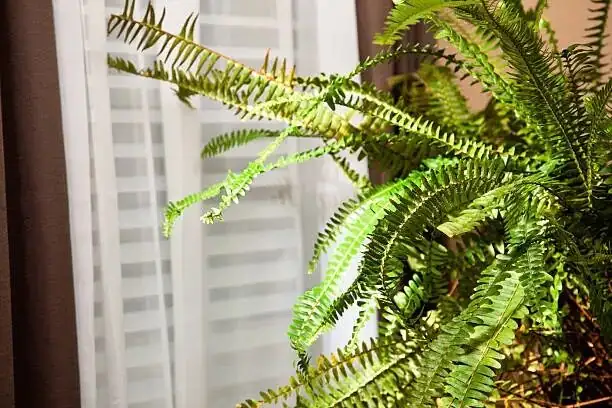
Ferns are the room whisperers of the plant world: ancient, feathery, and remarkably good at tuning the air right around them. Bring one home and you’ll notice it—not as a lab-verified air purifier, but as a quiet maker of comfort: cooler to the touch, a little moister, a little softer to breathe. Let’s unpack how Polypodiopsida (the fern class) really shapes a microclimate, where to place yours for maximum effect (yes, let’s talk vents), and what science actually says about “air cleaning.”
Meet Polypodiopsida, the original green tech
- Age and origin: Ferns have been thriving for 300+ million years, with their richest diversity in tropical and subtropical regions.
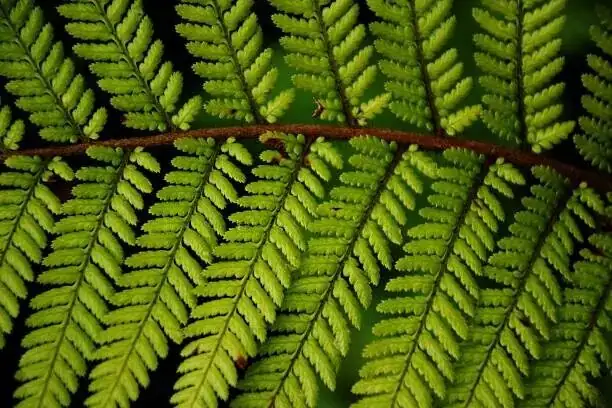
- Form and function: Those “leaves” are fronds—often feather-like, arching, and soft. New fronds unfurl from fiddleheads, and many species carry tiny spore cases (sporangia) in clusters called sori on the undersides.
- Reproduction: No flowers, no seeds—just spores.
- Scale: From delicate desk-size clumps to tree ferns reaching about 20 m (66 ft). Common house ferns typically grow 30–60 cm (12–24 in).
- Families and diversity: Multiple families (notably Polypodiaceae, Dryopteridaceae, Aspleniaceae), spread across roughly 381 genera and about 10,560 known species.
The microclimate magic: How ferns make air feel better
Ferns earn their “comfort plant” reputation through transpiration—the slow, steady release of water vapor from tiny pores (stomata) in their fronds.
What transpiration does for your space
- Raises local relative humidity (RH): Right within and just beyond the frond canopy, air gets moister. In dry apartments, that little halo of humidity can soften skin, soothe throats, and keep other plants happier.
- Cools the air slightly: Evaporation draws heat, creating a subtle, localized cooling effect—particularly noticeable in warm seasons or bright rooms.
- Smooths leaf surfaces: A bit more humidity reduces crispy edges and static-prone dust.
Think of a fern as a very gentle, always-on “evaporative pad.” The effect is most noticeable when:
- The plant is actively growing in bright, indirect light.
- Room air is dry (heated winters, air-conditioned summers).
- Several ferns are grouped so their humidity halos overlap.
Pro tip: Grouping 3–5 humidity-loving plants near where you sit or sleep can make the space feel more comfortable without wet windows or clammy walls.
Where to put a fern for the best microclimate (and when vents help or hurt)
Ferns like steady moisture and steady conditions. HVAC systems do the opposite—blasting warm or cold, dry air. You don’t have to exile your fern from ventilated rooms; just stage the airflow wisely.
- Avoid the direct blast: Keep ferns a step or two to the side of supply vents and out from under hard-blowing AC. Constant, fast airflow strips humidity and crisps tips.
- But don’t go stagnant: Gentle, indirect circulation is healthy. Soft movement discourages leaf spot fungi and keeps the potting mix from staying soggy at the surface.
- Distance guidelines:
- Supply vents: Ideally 1–2 m (3–6 ft) off to the side. Use a vent deflector if needed to redirect airflow upward or across the ceiling.
- Return vents: Avoid parking a fern directly next to them; they’ll siphon away your plant’s hard-won humidity.
- Prime spots:
- Bathrooms and kitchens (naturally higher RH).
- East- or north-facing windows with filtered light.
- Plant stands or hanging baskets where arching fronds can breathe.
- Room strategy: Place your fern between you and the room’s driest draft (not in the draft), so you sit inside its humidity halo.

Do ferns clean indoor air? The science, demystified
Short answer: Not in a way you’ll notice in a normal home. Some fern species—and their potting-mix microbes—can remove certain VOCs under sealed, lab-like conditions. But scaling that up to real rooms with ventilation changes the math dramatically.
- What early studies showed: The famous NASA chamber experiments found potted plants could reduce VOCs in sealed boxes.
- What real homes demand: Later analyses found you’d need a staggering plant density—on the order of 10 to 1,000 plants per square meter—to replicate chamber outcomes in a ventilated room. One oft-cited calculation even suggested around 680 plants for a typical house.
- Why the gap? Buildings already flush pollutants via ventilation and air exchange. In ordinary conditions, ventilation does most of the heavy lifting, not a handful of plants.
So what are the realistic air-quality benefits?
- Perceived freshness from slightly higher humidity.
- Dust settles less when RH is moderate.
- Psychological and aesthetic boosts—live greenery is proven to lift mood and soften acoustics.
Want cleaner indoor air you can measure?
- Increase ventilation and bring in outdoor air when quality is good.
- Source-control VOCs (low-VOC paints, fragrance-free cleaners).
- Use a HEPA air purifier for particles and activate range hoods/bath fans.
Ferns still contribute to comfort and atmosphere—just don’t task them with purifying an entire house.
Light, water, and humidity: The fern care trifecta
- Light: Bright, indirect to partial shade. Avoid harsh sun that scorches fronds.
- Water: Keep soil consistently moist but never soggy. In spring/summer, water when the top 2–3 cm (about 1 in) feels slightly dry; reduce in winter but don’t let the root ball fully dry.
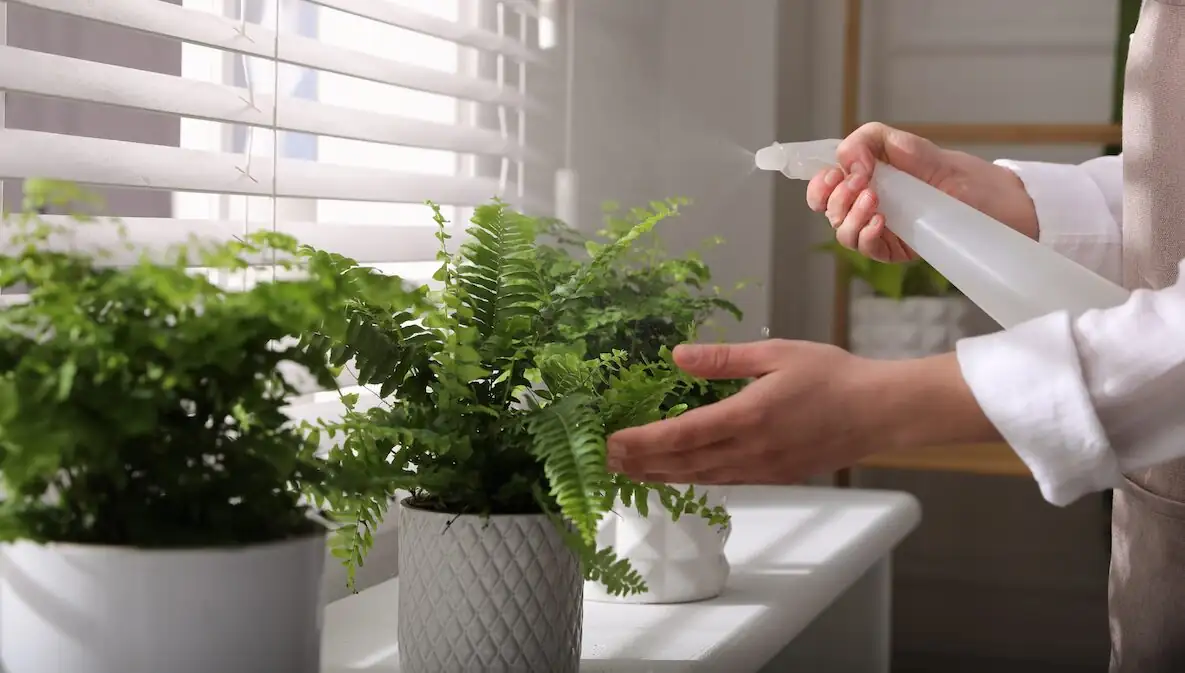
- Humidity: Aim for 50%+ RH. Use a humidifier, pebble tray, or plant grouping; gentle misting can help in dry rooms (avoid soaking fronds if it encourages spotting).
- Temperature: Comfortable at 15–27°C (60–80°F). Keep tropical ferns above 10°C (50°F); protect from cold drafts and sudden swings.
- Soil: Loose, airy, organic-rich, slightly acidic, well-draining. A peat or leaf-mold base with perlite/coarse sand; add bark or fern fiber for extra breathability.
- Feeding: Lightly, once a month in spring/summer with half-strength liquid fertilizer; skip in fall/winter.
- Pruning: Remove browned or damaged fronds at the base with clean scissors.
- Repotting: Every 1–2 years in spring; many ferns prefer shallower pots.
- Propagation: Easiest by division in spring. Spore growing is slow and fiddly at home.
Bathroom, bedroom, or office? Tailor the setup
- Bathroom spa: Warm showers spike RH—ferns adore it. Ensure there’s at least filtered light.
- Kitchen corner: Elevated humidity and gentle traffic; just keep fronds away from stove heat.
- Bedroom calm: Place 1–2 m from vents, near an east window; group with other humidity lovers for a cozier sleep zone.
- Office glow-up: North window, pebble tray, small desktop humidifier for an afternoon RH lift.
Health, safety, and common hiccups
- Pests: Scale, aphids, spider mites—address early with insecticidal soap or horticultural oil. Good humidity helps deter mites.
- Diseases: Leaf spot/anthracnose thrive on persistently wet foliage; improve airflow and water the soil, not the fronds. Root rot means you’ve gone too wet—improve drainage and adjust watering.
- Toxicity: Most popular house ferns are considered non-toxic to people and pets. Sensitive folks may find spores irritating; good ventilation helps.
Troubleshooting quick hits:
- Crispy tips? Usually low humidity or too much direct sun. Raise RH, soften light, keep soil evenly moist.
- Wilting? Check the pot—bone-dry means water deeply; sour-smelling and soggy means root issues—repot into airy mix and ease up on watering.
Ferns don’t flower—but they’ve inspired countless stories
- Symbolism: Renewal, resilience, protection, and quiet growth—apt for plants that outlasted dinosaurs.
- “Flower language” (and the mythic fern flower): Ferns have no flowers, yet European folklore insists they bloom magically on Midsummer’s Eve, conferring luck or hidden treasure to the finder. The charm lies not in literal blooms, but in the cultural longing for rare discovery—an elegant metaphor for fortune found in the dark.
- History and legends: The Victorian fern craze (“Pteridomania”) splashed frond motifs across art and fashion. In New Zealand, the silver underside of certain native fronds guided night travelers and became a national emblem of renewal and identity.
- Practical wonders: Azolla, a tiny floating fern, partners with nitrogen-fixing microbes and doubles as nature’s green fertilizer in rice paddies.
A quick buying-and-placing checklist
- Choose plants with vibrant, evenly green fronds, firm roots, and minimal browning.
- Stage them in bright, indirect light—east or north windows shine.
- Keep them out of direct HVAC blasts; allow gentle, indirect airflow.
- Group with other humidity-lovers; set on a pebble tray or run a small humidifier nearby.
- Water when the top 2–3 cm of mix feels slightly dry; never let them sit in water.
Bottom line
Let your fern be what it’s brilliant at: crafting a small oasis of cool, moist, shade-dappled air—right where you live, read, sleep, and breathe. It won’t replace your range hood or a HEPA purifier, but it will make your corner of the world feel softer, calmer, and unmistakably alive.