
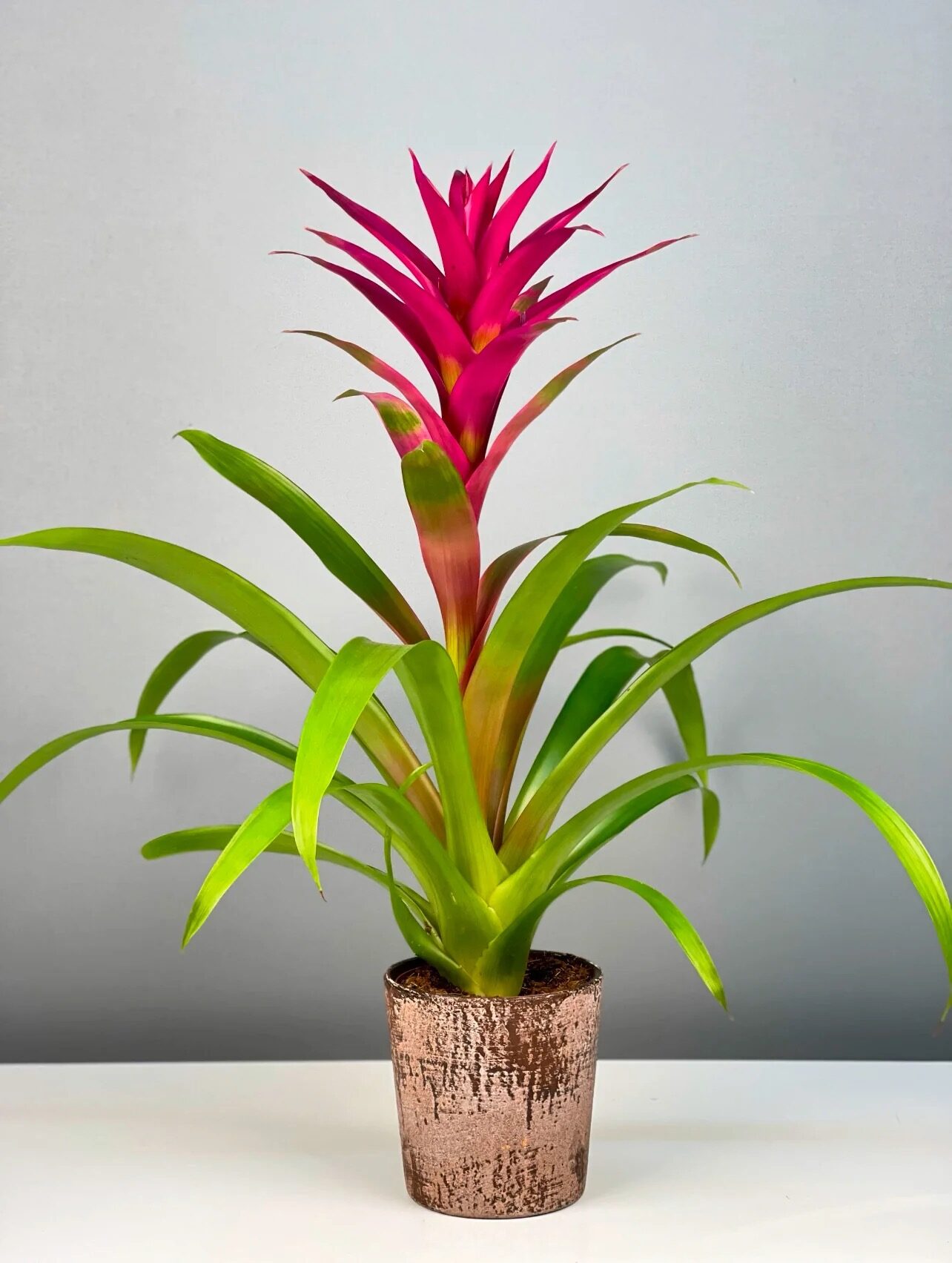
Imagine a plant that arrives with its own rain barrel, birdbath, and bouquet—all in one. That’s Guzmania insignis, a tropical bromeliad from the Andes that builds a tidy leaf rosette with a built-in “cup,” then tops it with a flamboyant display of colorful bracts. That cup isn’t just cute—it’s the secret to the plant’s wild life in the rainforest and the key to caring for it indoors.
Meet Guzmania insignis (aka “Scarlet Star” Bromeliad)
- Family: Bromeliaceae (the bromeliads)
- Origin: The Andes region of South America
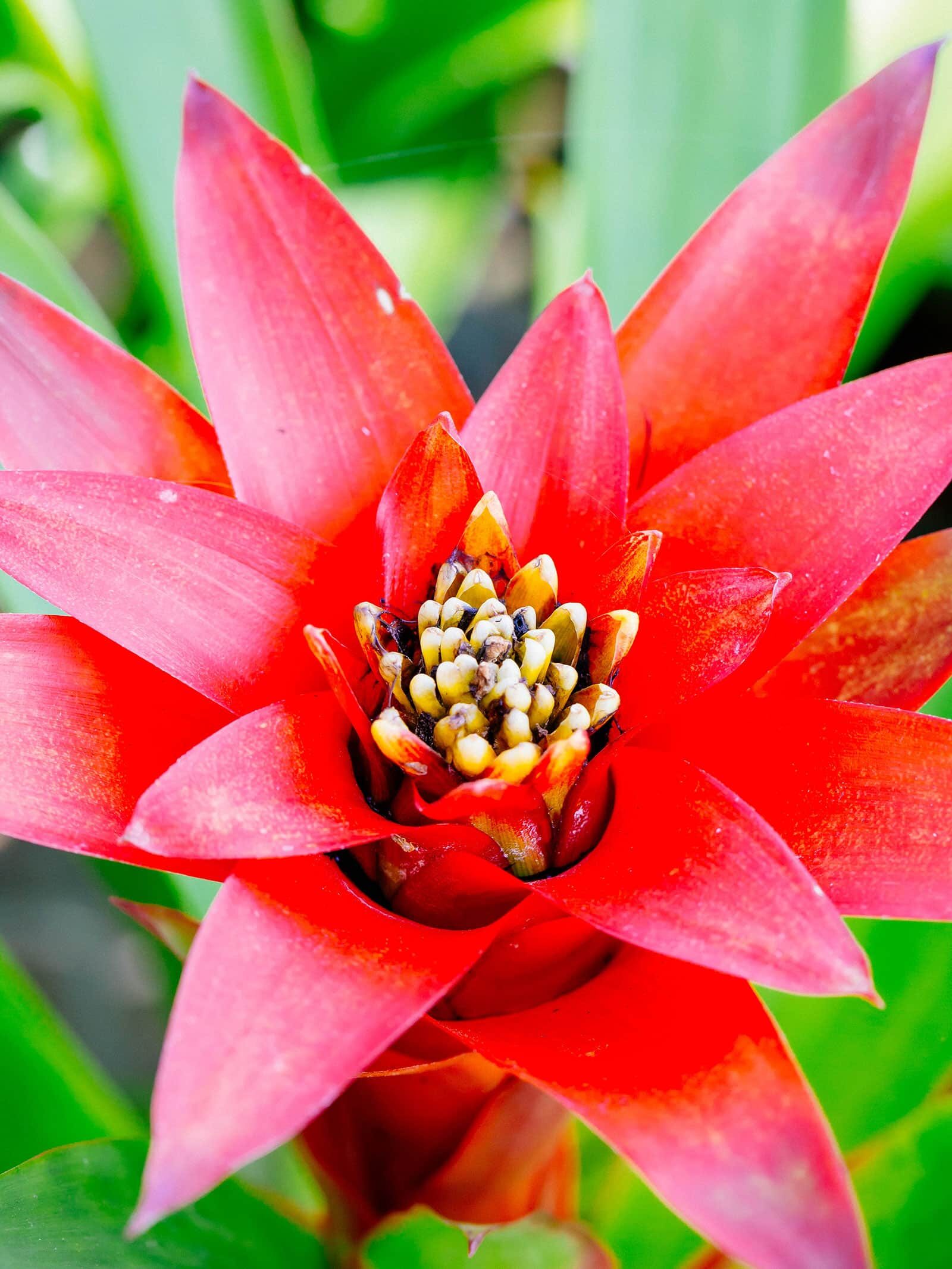
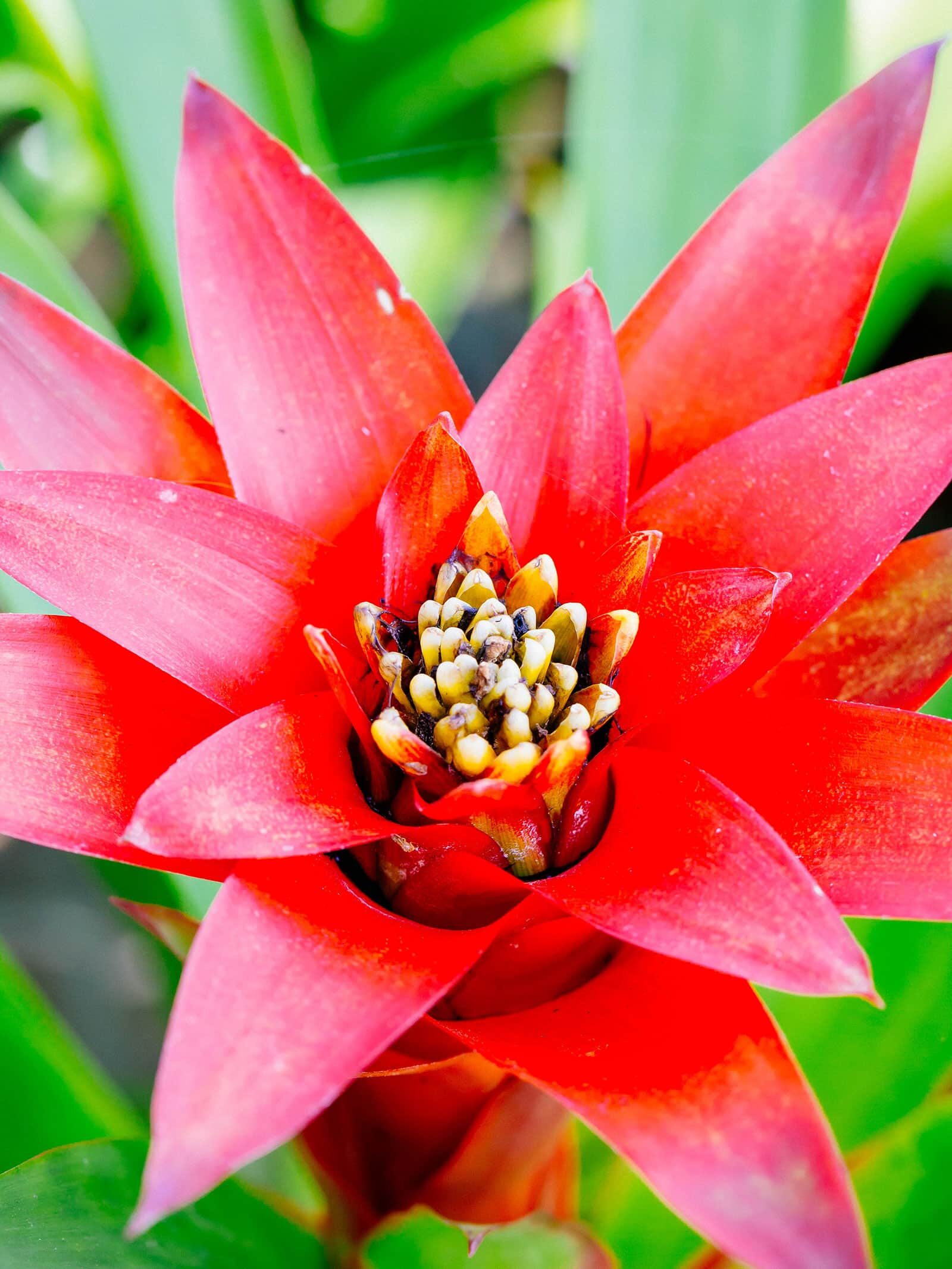
- Look: A symmetrical rosette of stiff, glossy green leaves that form a tubular central “tank” or cup
- Showpiece: A sturdy flowering spike crowned with vivid red bracts (the long-lasting “flower” you see)
- Size: Commonly sold in 12–15 cm (4.7–5.9 in) pots
- Habit: The mother rosette blooms once and then slowly declines while pups (offsets) form at the base to continue the lineage
The Leaf Cup: A Rainforest Rain Barrel in Miniature
How the cup works
Guzmania’s leaves overlap like architectural shingles, forming a watertight cup. In the wild, that cup:
- Catches rain and cloud mist, storing a sip supply through dry spells
- Traps leaf litter and pollen that slowly break down into dilute nutrients
- Absorbs those nutrients through specialized leaf bases, not just roots
Scientists studying bromeliads have found these tiny “tanks” can lean acidic and become low in oxygen at the very bottom, especially in larger, deeper species. Many Guzmania—G. insignis included—have relatively shallow cups, so they’re less prone to the deep, murky layers that build up in bigger tanks. Still, the design is brilliant for recycling sky-borne water and nutrients right where the plant needs them.
A pocket habitat for tiny creatures
That cup doubles as shelter for minute life: think insect larvae, microscopic algae, and an entire food web of microbes. In gigantic bromeliad tanks, even methane-producing archaea can flourish in the lower anoxic layers. Shallow-tanked Guzmania usually host fewer of those deep-water specialists, but you’ll still find a lively micro-community that helps “steep” nutrients for the plant.
Why the Bracts Are So Bold (and why it matters indoors)
Those flaming red “flowers” on top? They’re bracts—bright, long-lasting leaflike structures that act like neon signposts in the rainforest canopy. The actual flowers are smaller and tucked in among the bracts. The color says “Over here!” to pollinators navigating dappled, filtered light above the forest floor.
Indoors, this explains why:
- Bright, filtered/indirect light keeps bracts vivid without scorching them.
- Harsh, direct summer sun can bleach or burn the bracts and leaves.
- The display lasts for weeks, sometimes months—then the mother plant retires while pups take over.
Typical bloom timing: early spring; with indoor culture, late summer to early fall is also common.
Indoor Care—Decoded by the Cup
Think like a rainforest: bright but filtered light, warm air, and fresh water that never goes stale.
Light
- Best: Bright, indirect/filtered light (an east window is often ideal).
- Spring: Bright filtered light.
- Summer: Avoid strong midday/afternoon sun; about 50% shade and good airflow prevent scorch.
- Winter: Put it in the brightest spot by day (even a south window), but keep leaves from touching cold glass at night.
Watering: two zones, one rhythm
- Potting mix: Keep lightly moist in spring; never soggy. In winter, let the mix dry slightly between waterings.
- The cup (tank): Keep a small amount of clean, room‑temperature water in the cup. Refresh it regularly—empty, rinse, and refill about weekly so it never stagnates. If the cup dries out for long, leaves may dull or yellow.
- Pro tip: In cooler months, use less cup water to avoid cold, stagnant conditions. Short dry spells are safer than cold stress.
Feeding
- During active growth, feed every ~2 weeks with a very dilute, balanced fertilizer.
- You can apply weak feed to the potting mix and/or into the cup—always dilute well to avoid tissue burn.
Temperature and humidity
- Sweet spot: 16–28°C (61–82°F). Keep above 10°C (50°F) in winter; below 5°C (41°F) can cause chilling injury.
- Humidity: Moderate to high suits it best; light misting helps in summer or during dry autumn air.
- Newly potted pups root faster with a bit of extra humidity (a clear cover with ventilation works wonders).
Soil and potting
- Medium: Loose, airy, fast-draining—think peat/leaf-mold with coarse sand, or an orchid/bromeliad mix.
- Pot: Typically 12–15 cm (4.7–5.9 in); repot every ~2 years in spring or when pups are ready for their own pots.
After the show: pups take the stage
- Once the bracts fade, the mother rosette slowly declines.
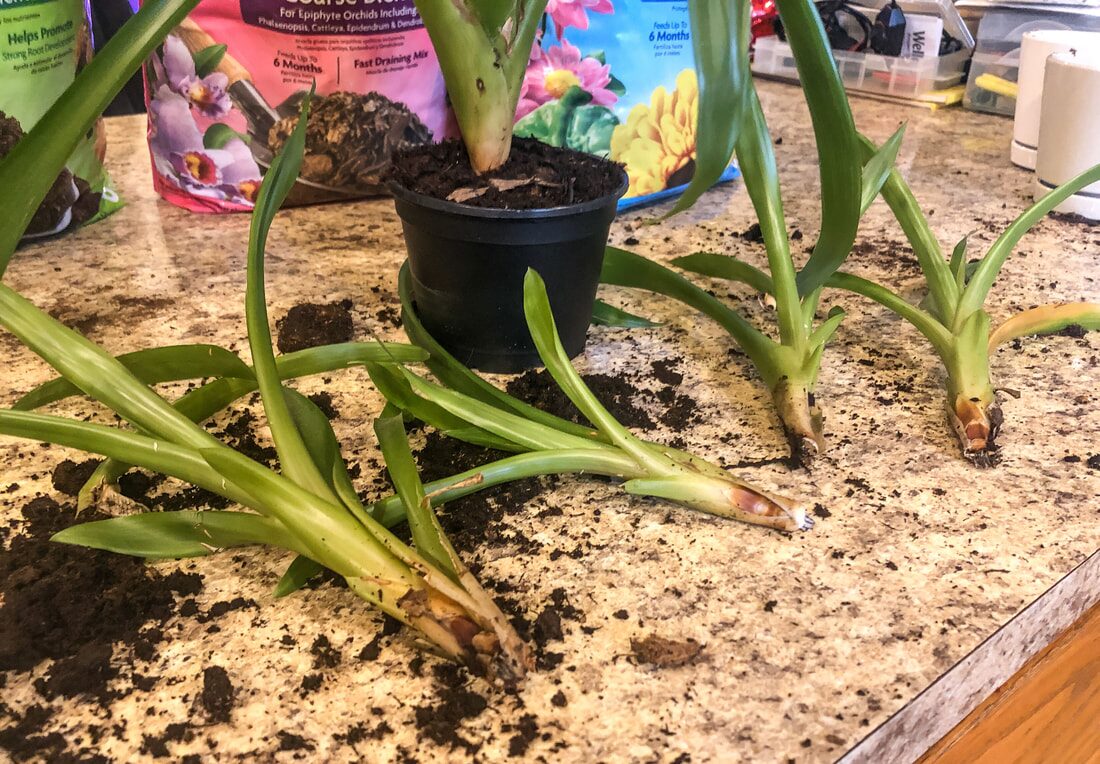
- Pups appear at the base; when they’re ~10–12 cm (3.9–4.7 in) tall, separate with a clean cut.
- Let cuts dry briefly; pot into sandy, airy mix and keep warm (20–25°C / 68–77°F) with higher humidity. Rooting often takes around a month.
Smart Maintenance and Health
- Keep leaves glossy by wiping with a slightly damp, soft cloth.
- Prune promptly: remove yellowing or dead outer leaves.
- Airflow matters: it deters leaf spot; avoid leaving foliage wet late in the day.
- If leaf spot arises, remove affected tissue; ornamental copper-based fungicides are commonly used—follow label directions.
- Buying tips: Choose a symmetrical plant with firm, spotless leaves and an upright, sturdy spike with bright bracts (no wilting or cold damage).
- Safety: No definitive toxicity info—keep out of reach of pets and children as a sensible precaution.
Fun Facts: The Cup Edition
- Classic “tank bromeliad”: The rosette forms a natural water cup that keeps the plant hydrated high in the canopy.
- Built‑in filter: Trapped debris slowly brews a dilute nutrient tea the plant can absorb right from the tank.
- Micro worlds: Bromeliad cups can turn into tiny wetlands; deeper tanks in other species even develop oxygen‑poor layers where methane‑producing microbes thrive. Guzmania’s typically shallower cups house simpler, airier communities.
- One‑and‑done bloom: After flowering, the mother rosette won’t bloom again—but pups carry the torch.
Symbolism and Gifting: Why Red Means “Good Luck”
In Chinese, Guzmania is popularly called “鸿运当头,” literally “good fortune at the forefront.” The towering red bracts make it a festive gift tied to prosperity and thriving business. This isn’t ancient folklore so much as modern cultural symbolism: red stands for luck and success, and the plant’s long-lasting display feels like good fortune that sticks around. That makes G. insignis a perfect office‑warming or New Year’s gift.
Quick Troubleshooting
- Yellowing leaves?
- Too much direct summer sun causing scorch—move to bright, filtered light.
- Cup dried out—keep a little fresh water in the cup and refresh regularly.
- Post-bloom aging—mother rosettes naturally fade while pups take over.
- Low light—gradually increase brightness.
- Faded or crispy bracts? Usually excess sun and/or dry heat—add shade and humidity, increase airflow.
- Limp plant with sour-smelling cup? Stagnant water. Empty, rinse, and refill the cup; trim any damaged leaves; improve light and airflow.
Seasonal Rhythm (Your simple care calendar)
- Spring: Bright, filtered light; keep mix lightly moist; best time to sow seed and divide pups.
- Summer: Provide ~50% shade and ventilation; mist lightly; prevent sun scorch.
- Autumn: Boost humidity if indoor air turns dry; bring plants in before cool nights.
- Winter: Keep above 10°C (50°F); brightest light by day; avoid cold glass at night; water sparingly so roots don’t sit cold and wet.
In short: Give Guzmania insignis bright filtered light, warmth, and a clean, refreshed cup—just like it enjoys in its cloud‑kissed Andean home. Treat the plant like a tiny rainforest on your windowsill, and it will repay you with a brilliantly lit “lantern” of bracts and a living, leaf‑made water garden.