

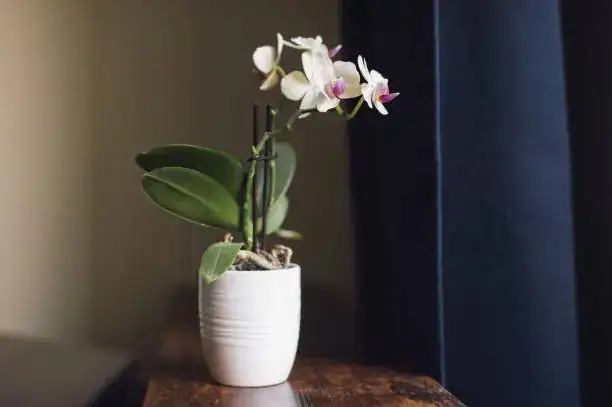
What does a flower say about character? In East Asia, few blooms speak as eloquently as the orchid—specifically the cymbidium, whose slender leaves and poised blossoms were beloved by poets and painters long before greenhouses and gift shops. Today, the Miniature Cymbidium Orchid—Cymbidium hybrids bred to stay windowsill-small—carries that centuries‑old language into apartments, offices, and urban sunrooms. It’s a living bridge between classical ideals and contemporary life.
Below, we unpack the flower language (hua yu) of cymbidiums—its Confucian roots and the Four Gentlemen ideal, its travels through East Asian gift culture and feng shui, its echoes in Victorian floriography—and how miniature cultivars keep the symbolism vibrant while fitting the modern home.
H2: The orchid in classical Chinese imagination: fragrance in an empty valley
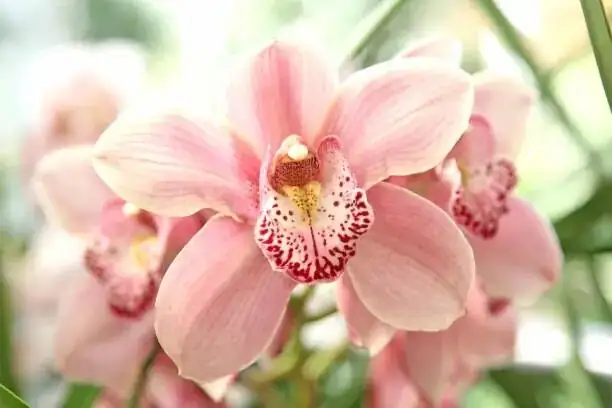
- The literati’s spring voice: In classical Chinese painting and poetry, “the orchid” (兰, lan) stands among the Four Gentlemen (四君子)—plum, orchid, bamboo, chrysanthemum—plants chosen to model Confucian virtues through the seasons. Orchid is the emblem of spring. Rather than shouting for attention, it was praised for quiet refinement: slender leaves, subtle scent, a presence that rewards patient attention.
- Moral metaphor: Confucian and later scholars likened the orchid to the noble person whose virtue is steady even when unnoticed—captured by the idiom “fragrance in an empty valley” (空谷幽兰). The orchid’s grace represented integrity, humility, cultivation, and the kind of friendship that is prized because it elevates both giver and receiver.
- Brush and blade: Literati painters rendered orchid leaves with calligraphic, sword‑like strokes. The plant became a training ground for brush discipline and self‑cultivation; to paint it convincingly was to demonstrate inner poise.
H2: From scholar’s studio to society: how hua yu spreads
- Hua yu (花语) is a cultural language, not a fixed codebook. Unlike a one‑to‑one dictionary of meanings, Chinese flower language is contextual: the plant’s season, the occasion, and the relationship between giver and receiver shape the message. Still, orchids kept a consistent core—elegance, admiration, refined beauty, and esteem—making them natural choices for moments of congratulations and respect.
- Across East Asia: The Four Gentlemen traveled with ink painting and poetry to Korea and Japan, where orchids continued to symbolize nobility, loyalty, and cultivated taste. As gift economies modernized, potted orchids and long‑lasting cymbidium spikes became celebratory emblems for openings, milestones, and honors.
- Feng shui resonance: In feng shui practice, living plants invite balance, vitality, and calm. Orchids—long associated with cultivated living and harmonious relationships—are favored for bringing serene energy to work and study spaces. The symbolism dovetails beautifully with cymbidium’s poise; its neat fans and enduring blooms visually “tidy” a room’s rhythm even as they purify its mood.
H2: Victorian floriography: the Western echo
- The West’s language of flowers blossomed in the 19th century, when Victorians used bouquets as discreet messages. Orchids, newly arrived and exotic, signified rare beauty, luxury, and sophisticated taste. A cymbidium spray in a conservatory telegraphed refinement much as a scholar’s orchid scroll did centuries earlier—two different cultures arriving at a shared admiration for the same qualities.
H2: Enter the miniature cymbidium: a classic voice, a smaller stage
- What they are: Miniature Cymbidium Orchids are compact, hybrid cultivars bred to keep the cymbidium look—arching fans, waxy, long‑lasting flowers on upright to gently arching spikes—while staying in the 30–60 cm (12–24 in) range. Think of them as the chamber music version of a symphony: all the elegance, scaled to a windowsill.
- Why minis matter symbolically:
- Accessibility: The virtues once reserved for scrolls and scholar’s gardens now flourish on an apartment ledge. Gifting a mini says “I admire your refinement” without requiring a conservatory to house it.
- Continuity: Minis still bloom best with bright light and cool nights, echoing the temperate mountain habitats of their cymbidium ancestors. Caring for one reenacts the patient discipline celebrated by literati culture.
- Longevity: Cymbidium flowers are famously durable, often showy for weeks. In gift‑giving terms, that endurance mirrors steadfast affection, friendship, or professional esteem.
H2: Reading a miniature cymbidium today: messages and occasions
- Refined admiration: For mentors, colleagues, and friends who lift the conversation and the room.
- New beginnings and honors: Openings, promotions, graduations—moments when spring’s “orchid” energy feels apt even in winter, when many minis actually bloom.
- Calm excellence: For study nooks and home offices, aligning a space with quiet focus and cultivated taste.
- Friendship with depth: In Chinese tradition, orchids often signal valued friendship and mutual respect—an elegant alternative to roses when the message is esteem rather than romance.
H3: A note on meaning across cultures
- In Chinese hua yu, orchids lean toward cultivated virtue and refined friendship.
- In East Asian gift culture, they convey congratulations and admiration.
- In Victorian and broader Western floriography, orchids connote luxury, rarity, and sophisticated love or esteem.
- Color, season, and setting fine‑tune the message; the through‑line is elegance and respect.
H2: How placement becomes poetry: feng shui, aesthetics, and care in harmony
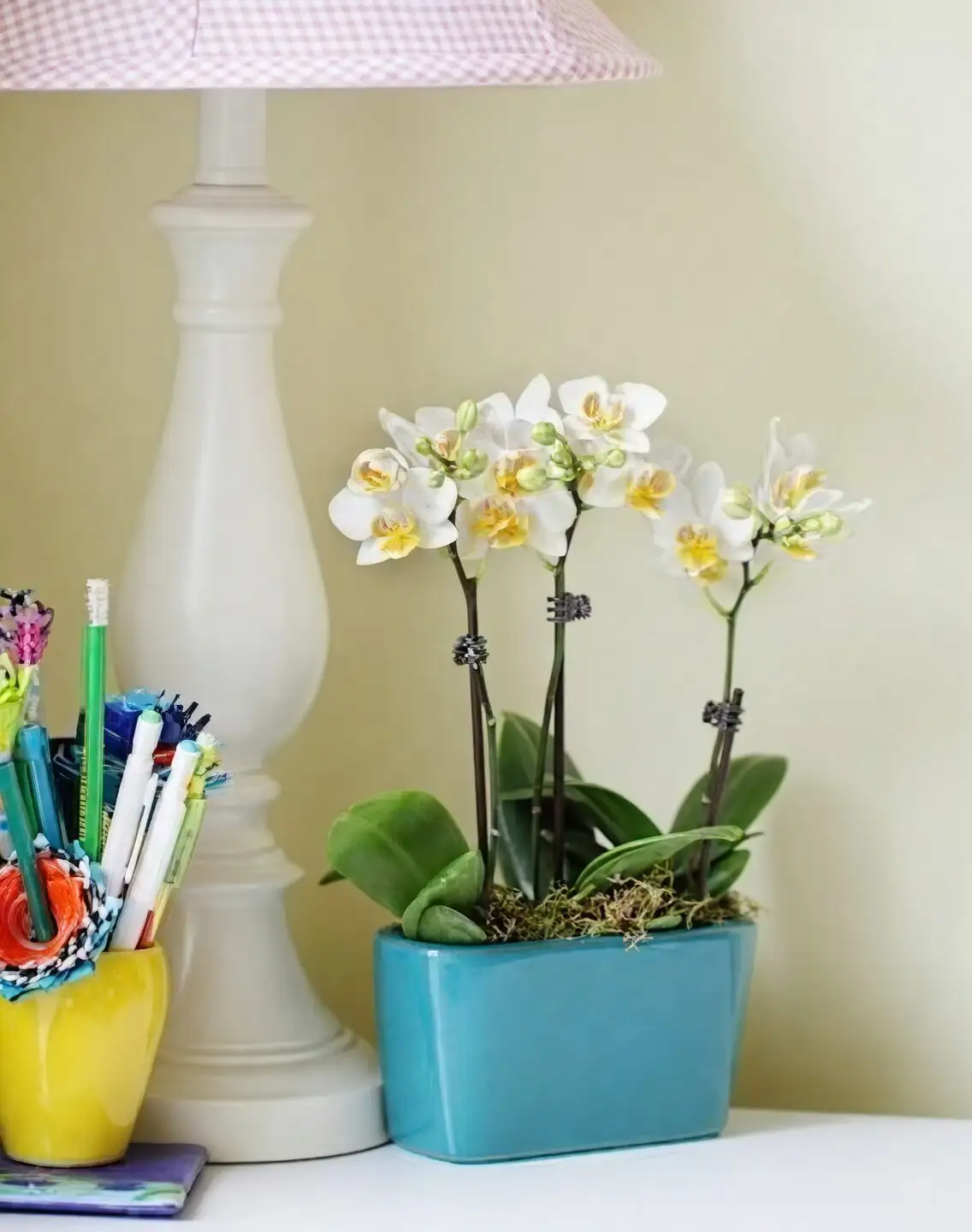
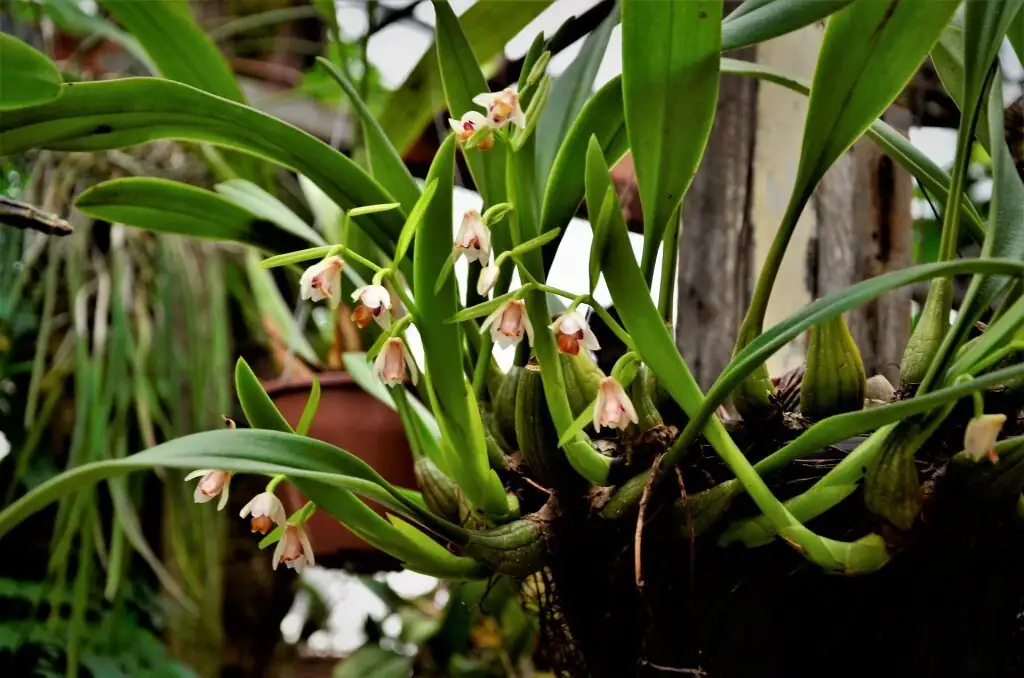
- Visual rhythm: The evergreen, strap‑like leaves emerge from pseudobulbs in graceful arcs—a living calligraphy that pairs beautifully with minimalist shelves, ceramic tea ware, and ink‑wash art.
- Feng shui synergy: Place where you want serenity and steady focus—study, foyer console, or a cool, bright windowsill. The plant’s composed form and lasting blooms support a sense of order and endurance.
- Cultural etiquette tip: A budded plant is an especially auspicious gift—the unfolding spikes symbolize ongoing success and a future blossoming.
H2: Stewarding the symbolism: a mini grower’s quick guide
Honor the spirit by keeping the plant content. Minis are forgiving day‑to‑day but bloom beautifully when you observe a few essentials.
- Light
- Bright, indirect light; gentle morning sun is fine.
- Avoid harsh midday sun through glass, which can scorch leaves.
- Cool nights to trigger spikes
- For several weeks in late summer to autumn, aim for nights around 10–13°C (50–55°F).
- A cool windowsill, frost‑free sunroom, or slightly open window on crisp evenings often does the trick.
- Temperature and humidity
- Best growth around 10–24°C (50–75°F).
- Moderate humidity (40–60%) with gentle airflow; avoid stale, wet air.
- Watering and mix
- Use a free‑draining orchid mix (bark with perlite/charcoal).
- Water thoroughly, then let the pot drain completely; keep evenly moist in active growth, a touch drier in cooler, darker periods.
- Never leave the pot sitting in water.
- Feeding
- Balanced orchid fertilizer at half strength every 2–4 weeks during active growth.
- Reduce or pause in winter unless new growth is evident.
- Aftercare
- Remove spent flower spikes near the base; leave healthy green leaves.
- Repot every 2–3 years (after flowering or as new growth begins) into fresh, airy mix; choose a snug pot.
- Propagation
- Divide mature clumps after flowering, ensuring each division has several pseudobulbs and healthy roots.
- Common hurdles
- No blooms indoors? Usually not cool enough at night in autumn.
- Pests: watch for scale, mealybugs, spider mites, aphids; treat with horticultural soap or oil.
- Root rot stems from soggy, broken‑down media—refresh mix and improve drainage/airflow.
- Safety
- Generally considered non‑toxic to cats, dogs, and low risk to people; chewing any plant can cause mild stomach upset.
H2: Gifting minis with meaning: simple ideas
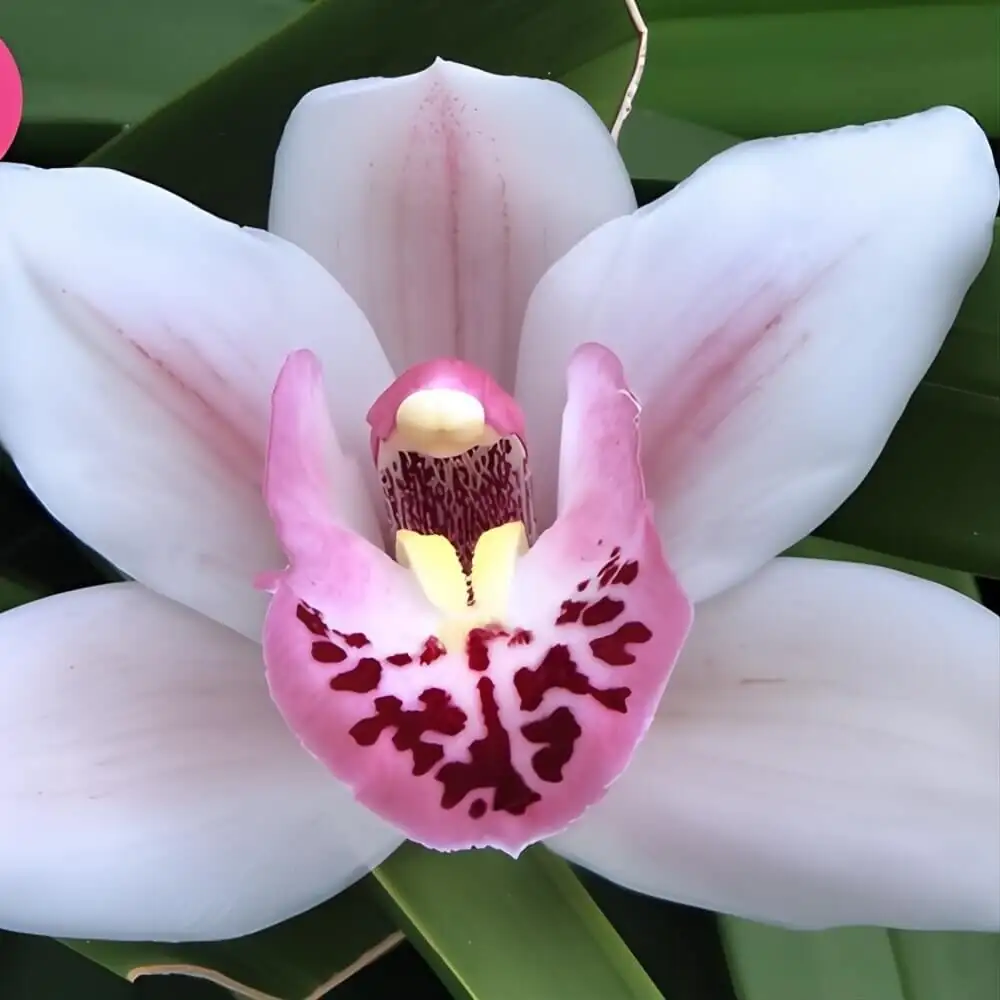
- The scholar’s desk set: A miniature cymbidium paired with a slim calligraphy brush or a small inkstone replica—an homage to brush‑stroke orchids in literati art.
- Seasonal nod: Because many minis flower in winter to spring, they make poetic “spring‑in‑winter” gifts—hope and refinement arriving early.
- The friendship arc: Choose a plant with developing spikes; include a note about “fragrance in an empty valley”—virtue that speaks softly but lasts.
H2: A lineage in bloom: from mountain glade to modern window
Cymbidium orchids have been cultivated across Asia for centuries, admired for poise rather than flamboyance. Miniature cultivars distill that heritage into a house‑friendly form—compact, clumping, and generous with long‑lasting, waxy flowers when given bright light and a taste of cool nights. In their leaves you can still read the old brushwork; in their blooms, the hush of a spring poem.
So when you set a Miniature Cymbidium Orchid on a sill, you place more than a plant. You invite a tradition of elegance, admiration, and refined beauty into daily view—classical hua yu, now whispering in a smaller, modern voice.