
Slip a polyanthus primrose onto a chilly windowsill and watch the season turn. Those bright, many-petaled clusters don’t just color the room—they carry centuries of spring-laced meaning, from Victorian love notes to the Chinese idea of flowers that “announce” the year’s rebirth.
Meet Primula × polyantha, the polyanthus primrose
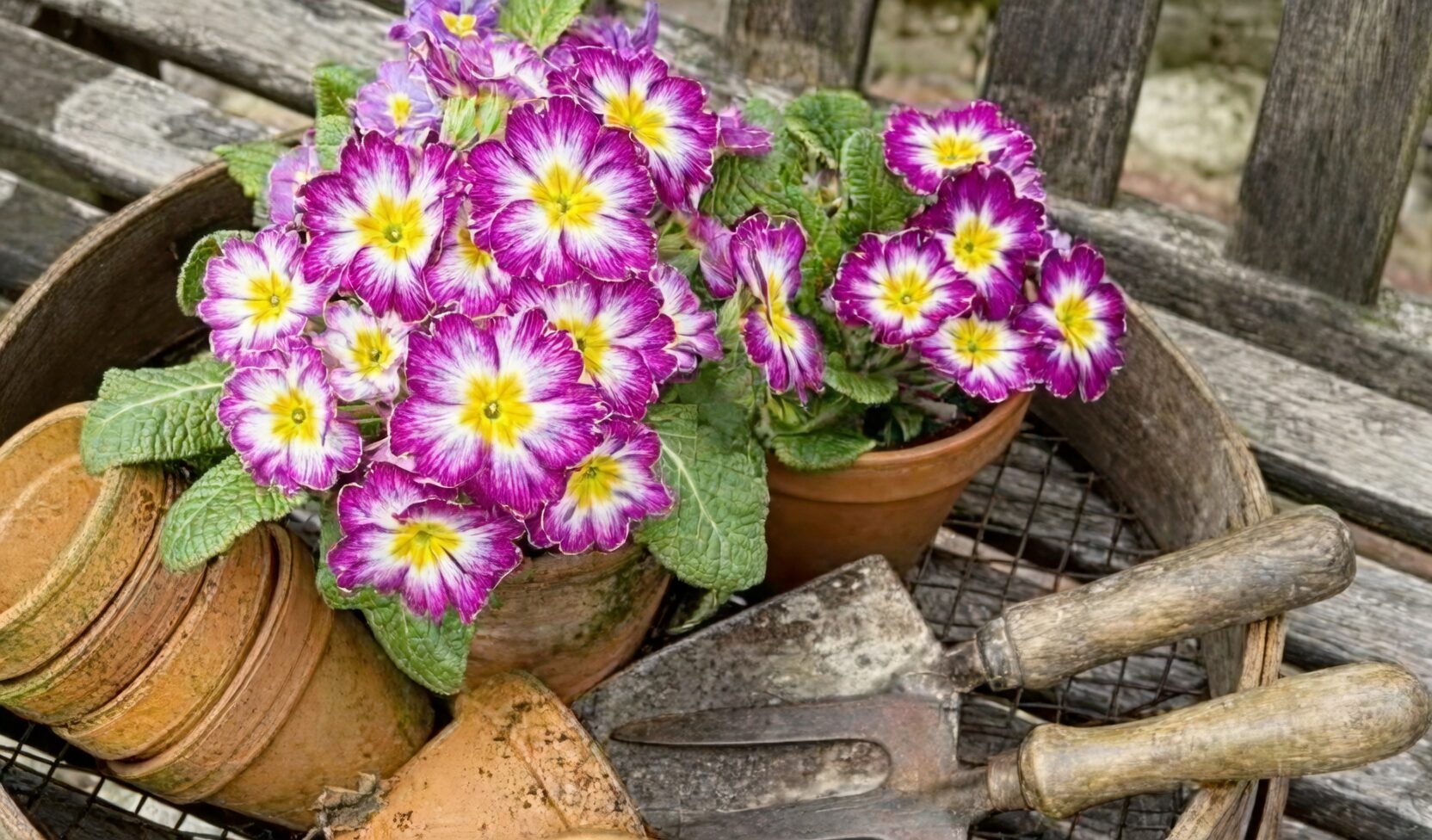
Primula × polyantha—also sold as English Primrose, Garden Polyanthus, or simply Polyanthus—is a cultivated hybrid bred from cool-loving Primula species. Think of it as a tidy rosette of deep green leaves sending up multiple short stalks, each capped by a bouquet-like cluster of primrose blooms in vivid solids and jaunty bicolors. It’s a quintessential cool-season pot plant, happiest in bright light and cool air, delivering its best show from late winter into spring.
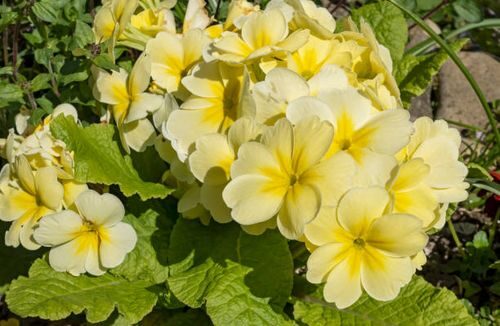
- Habit: Compact, clump-forming rosette; typically 15–30 cm tall in bloom, spreading 15–25 cm
- Peak season: Late winter to spring (often at its indoor peak in mid-winter)
- Why it’s a classic gift: It looks like a ready-made posy “on a stem,” just when we crave color most
Fun to know: The “×” in its scientific name signals a hybrid—one reason today’s polyanthus types boast such generous, saturated color.
Where the meanings began: Primroses in floriography and folklore
The Victorian language of flowers
Victorian flower-givers loved code. Through albums and gift-books, they traded messages in petals, and primroses spoke of youth, renewal, and first love. Because they bloom so early, primroses became shorthand for “the first” of anything—first affection, first hopes, first days of spring. In some popular Victorian lexicons, a primrose sent a more urgent whisper: “I can’t live without you.” Others leaned toward innocence and new beginnings.
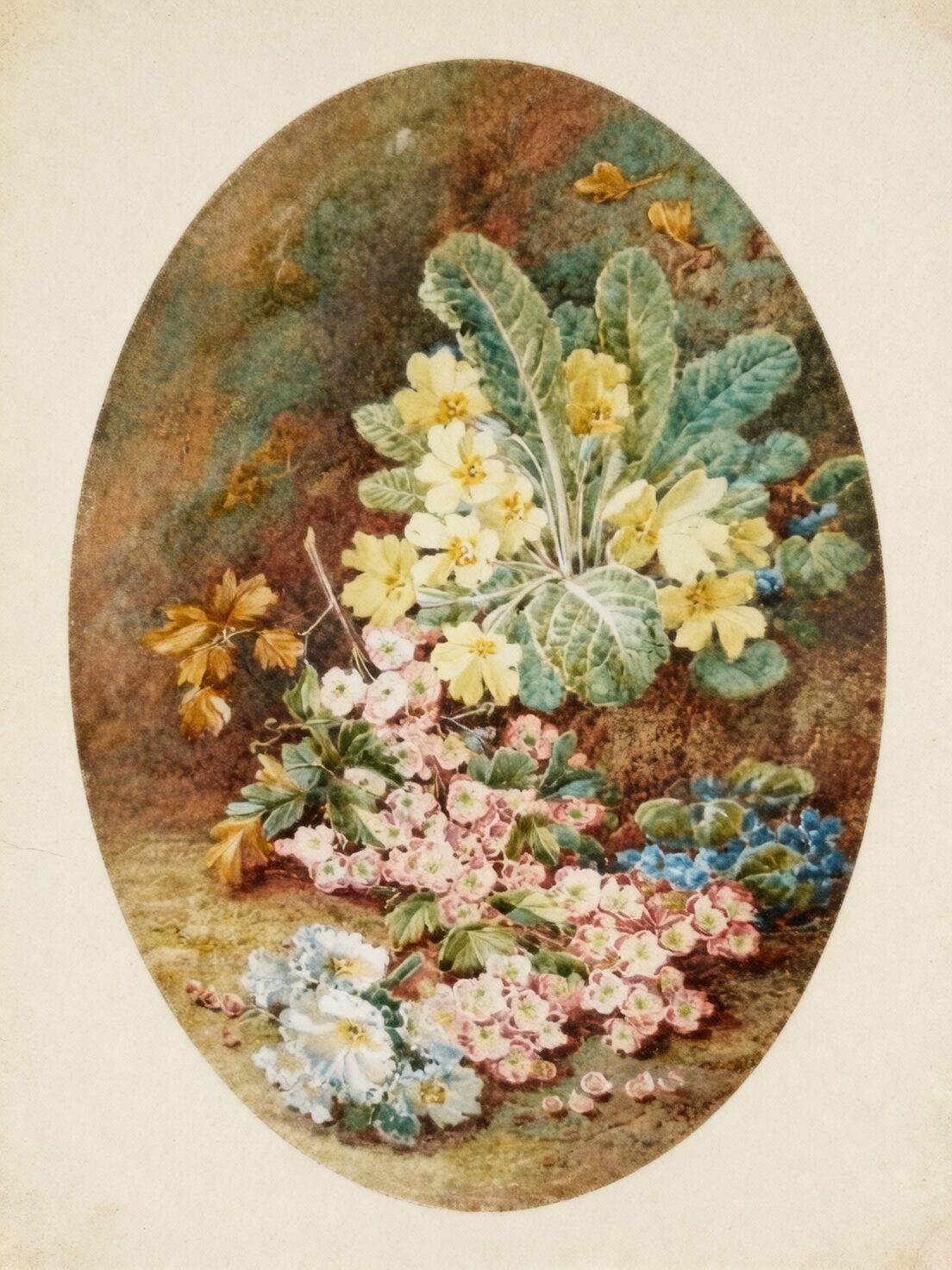
A gentle reality check: there was never one universal dictionary. Meanings varied by author, region, and era. But across sources, primroses consistently signaled the optimism and tenderness of beginnings—an association that polyanthus primroses, with their early-season glow, naturally continue.
The Chinese name 报春花: the spring-announcing flower
In Chinese, primroses are known as 报春花 (Baochunhua)—literally “spring-announcing flower.” For the polyanthus hybrid, you’ll also see 多花报春 (duō huā bào chūn), “many-flowered spring-announcing,” a perfect fit for those dense, bouquet-like trusses.
What’s being “announced”? Not just the calendar’s turn, but the mood of spring—light returning, buds swelling, days lengthening. In markets and on balconies, these plants arrive with cool weather and depart as heat builds, acting like living calendars that tell us: winter’s grip is loosening.
How symbolism shaped gift-giving and seasonal celebrations
In the West
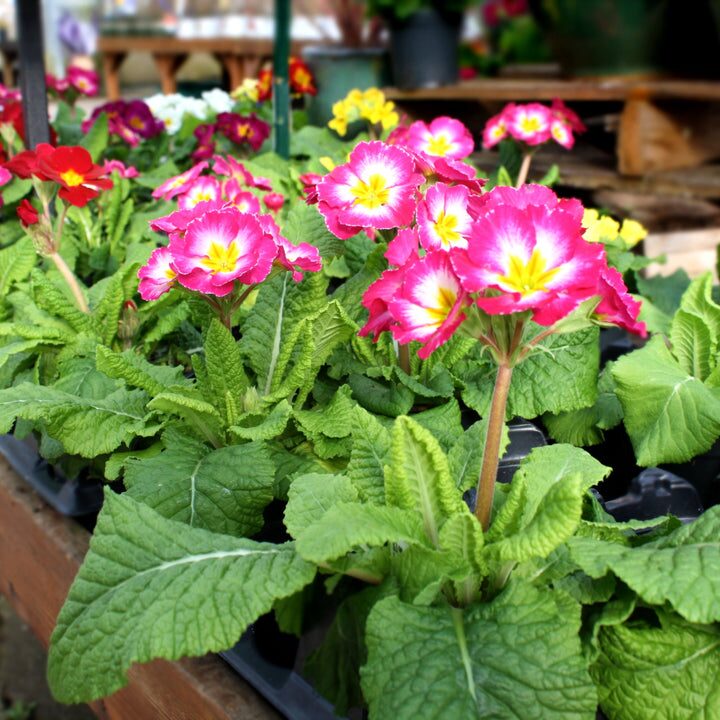
- Subtle valentines and courtship gifts: In late winter, polyanthus primroses offered a discreet, ever-fresh token—romantic in message, modest in size.
- Thresholds and tabletops: Early-blooming displays welcomed visitors and symbolically “invited” spring indoors, a domestic echo of older customs that marked spring’s arrival at the door.
- From folklore to modern shelves: Literary and folk associations with primroses set the stage; today, their hybrid cousins show up in winter-to-spring displays, on windowsills, and in Easter-adjacent arrangements because their timing so perfectly fits the season of renewal.
In Chinese-speaking cultures
- A seasonal hello: As 报春花, primroses are natural gifts for the cusp of spring—tokens to freshen a home or office and “call in” the new season.
- Festive color, living luck: While not tied to a single fixed ritual, these cool-season pots often accompany early-year refreshes—new projects, school terms, or a move—where their meaning aligns with hopes for a bright start.
Across cultures, the message converges: give polyanthus primrose when you want to cheer a threshold moment—first days in a new home, a new role, or simply the first glimmers of spring.
Gifting guide: Pair the message with the plant
What to write on the card
- Romantic, Victorian-flavored: “For first love and bright beginnings—my primrose message to you.”
- Seasonal, Chinese-informed: “A spring-announcing flower to welcome longer days and fresh starts.”
- Milestone-friendly: “For your new chapter—may it bloom early and brightly.”
How to choose a gift-worthy plant
- Look for a compact, sturdy rosette with deep green leaves and a firm crown.
- Choose pots with thick, plump buds and just a few flowers open; petals should be vivid and intact.
- Typical gift size: 12–15 cm pot—easy to place on a desk or windowsill.
Where to put it (so it actually thrives)
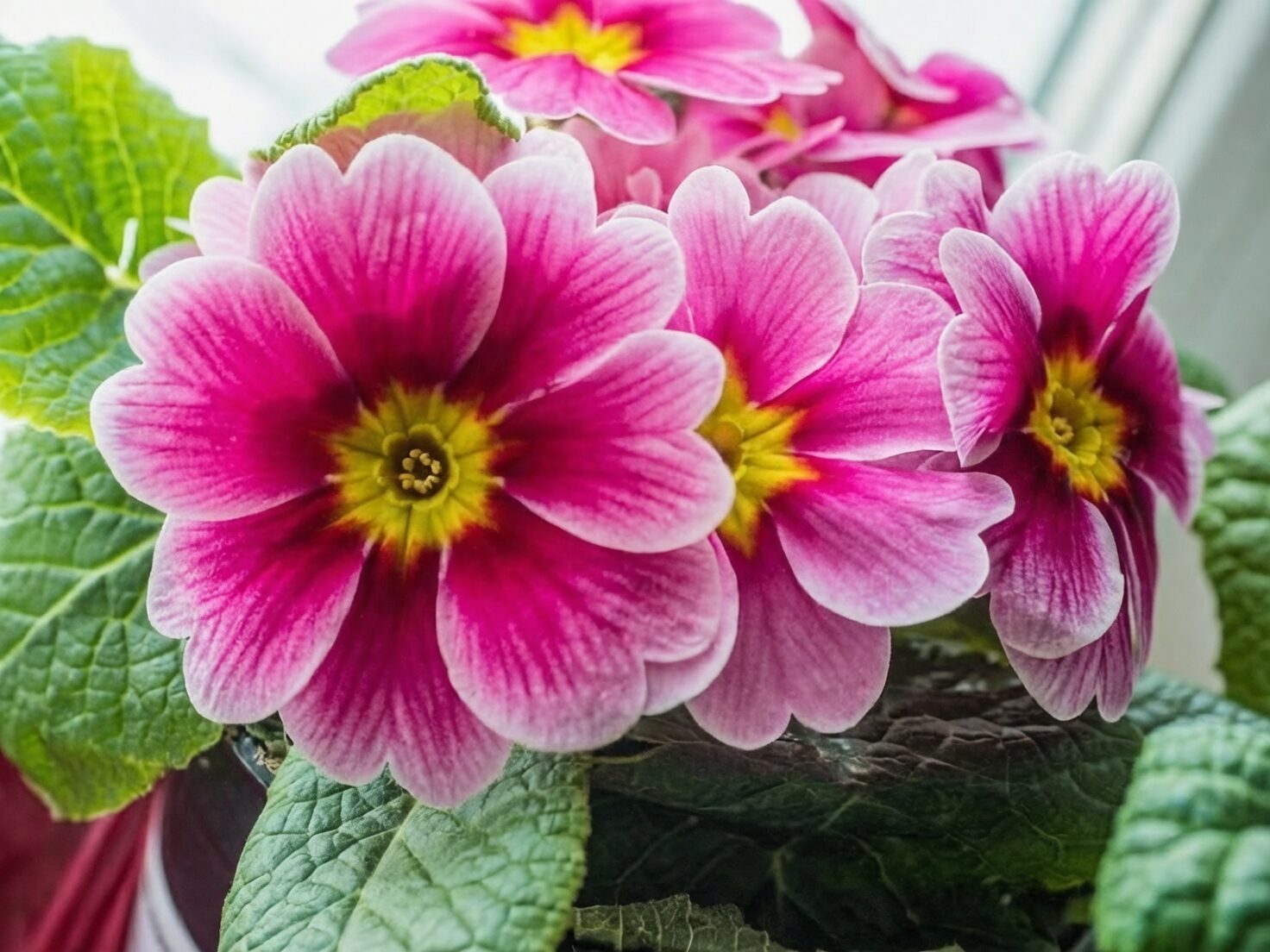
- Light: Very bright light with gentle sun (east or south exposure). Low light = stretched stems and faded color.
- Temperature: Cool is key—about 13–18°C (55–64°F). Protect from cold injury below ~5°C (41°F) and from hot, stuffy spots.
- Water: Keep the mix evenly moist, never bone-dry or soggy. Water the soil, not the leaves or crown.
- Air and humidity: Moderate humidity plus good airflow. Avoid stagnant, wet conditions that invite gray mold.
- Soil: Rich, free-draining potting mix with good aeration (peat/leaf-mold base with perlite/sand works well).
Pro tip: Set it down and let it settle. Frequent moving during bloom can snap stems or cause flowers to drop.
Keep the show going
- Deadhead spent stalks promptly and remove yellowing leaves to keep the crown clean.
- Feed lightly during active growth every 1–2 weeks; once buds form, occasional bloom-boost feeds (higher P/K) help sustain color.
- Watch for aphids and spider mites; rinse or use insecticidal soap if needed. Ventilate to prevent leaf spots and gray mold.
Safety note: Primula can cause skin irritation in sensitive people. If you’re prone to plant allergies, wear gloves—and discourage nibbling by pets or kids.
Flower language, decoded with care
Victorian floriography didn’t appear from nowhere; it drew on much older traditions that linked seasonal flowers with human feeling. What makes primroses powerful is their timing. They bloom when light returns. Whether the message is first love, renewal, or “I can’t live without you,” it’s the same heartbeat: beginnings full of promise. In Chinese, the name 报春花 says it plainly—this flower heralds spring. In practice, that symbolism has made polyanthus primroses reliable gifts for the hinge-moments of the year.
After the celebration: enjoy it as a seasonal companion
Most people grow polyanthus primrose as a cool-season pot plant. If your climate is mild-to-cool and evenly moist, garden polyanthus types can be tried outdoors; in containers, protect from freezing and anything below roughly 5°C (41°F). For longer-term keeping, divide in autumn, repot into a free-draining, fertile mix, and always keep the crown at the soil surface.
A final note of meaning
Polyanthus primrose wraps two beautiful traditions into one pot: the Victorian delight in symbolic flowers and the Chinese instinct to greet the year through living signs of season. Give it to say “here’s to the first of many good things”—and let those clustered blooms do what they were bred to do: announce spring, right on cue.