

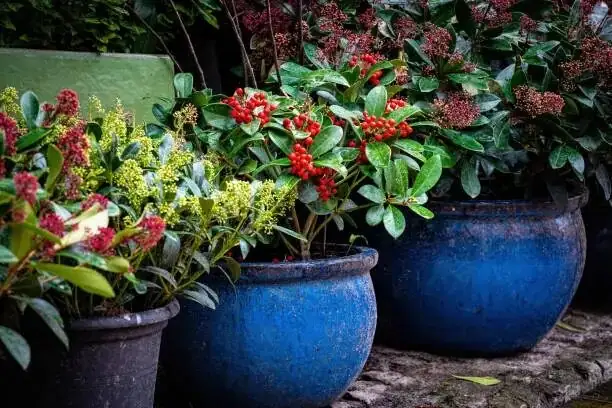
Picture a pot brimming with tiny lacquer-red beads glowing against glossy green leaves on a gray winter day. That is Ardisia crenata—better known in many shops as “Fortune Berries”—a plant whose color, timing, and names have woven it into East Asian ideas of luck, wealth, and abundance. Its language is not just floral; it’s fruit-forward, seasonal, and steeped in wordplay.
Meet Ardisia crenata, the prosperity shrub
- Botanical profile: Ardisia crenata (Primulaceae), an upright, slow-growing evergreen shrub with dense, glossy leaves and clusters of berries that ripen from green to vivid red.
- Native range: China and Japan.
- Why it’s adored: The berries persist for months—often through winter into spring—so it’s a star for holiday displays at Christmas and Lunar New Year. Indoors, it thrives in bright, filtered light with steady, not-soggy moisture.
Common English names include Coralberry, Coral Ardisia, Christmas Berry, and (aptly) Fortune Berries.
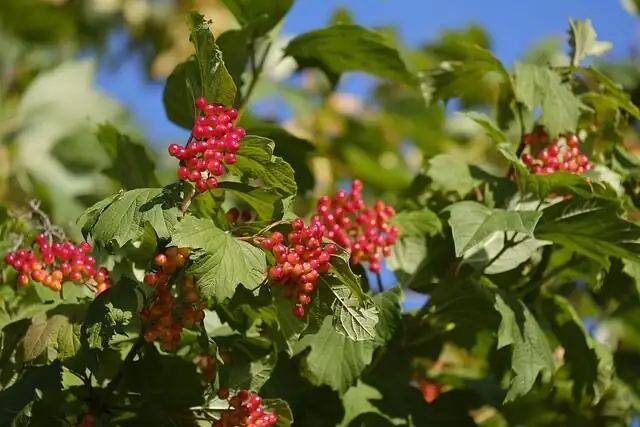
The Chinese fortune hidden in a name: 富贵子
In Chinese markets you’ll often see Ardisia crenata sold as 富贵子 (Fùguìzǐ), literally “fortune/wealth child(ren).” The name is an elegant play on words:
- 子 (zǐ) means “berry/seed” in plant names—but it also means “child.”
- A shrub covered in countless red 子 suggests many children, many descendants, and thus continuing prosperity. In other words: abundance in fruit and in family.
You may also encounter another traditional Chinese name, 朱砂根 (Zhūshāgēn), used in botanical contexts, while 富贵子 is the festive, trade-savvy name that telegraphs its auspicious aura.
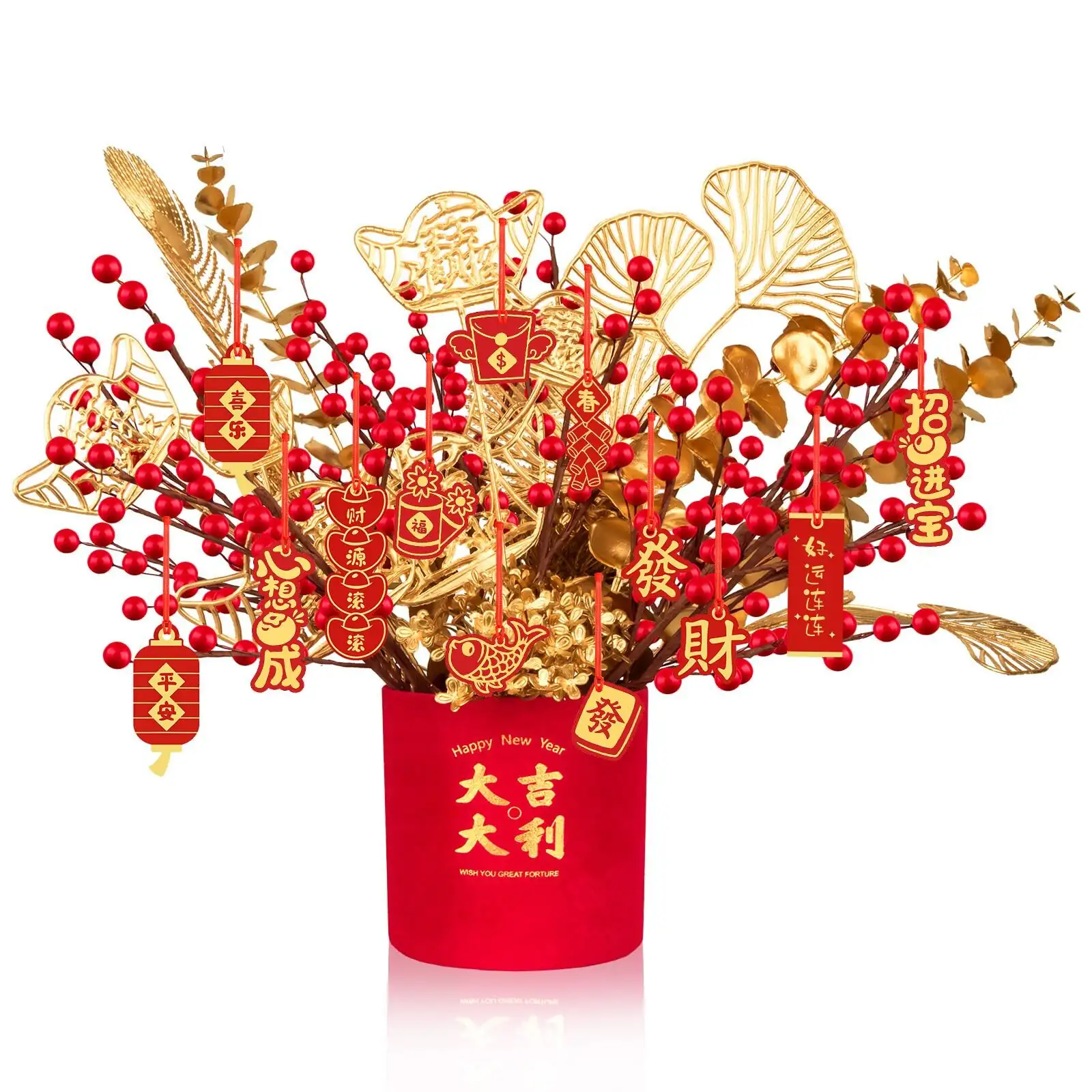
Japan’s Manryō: “ten thousand ryō,” or great wealth
In Japan, Ardisia crenata is called 万両 (Manryō)—“ten thousand ryō,” a historic gold currency. The name reads like a wish written in berries:
- “Ten thousand” magnifies fortune beyond the everyday.
- The heavy trusses of bead-like fruit resemble strings of coins, an image long associated with prosperity.
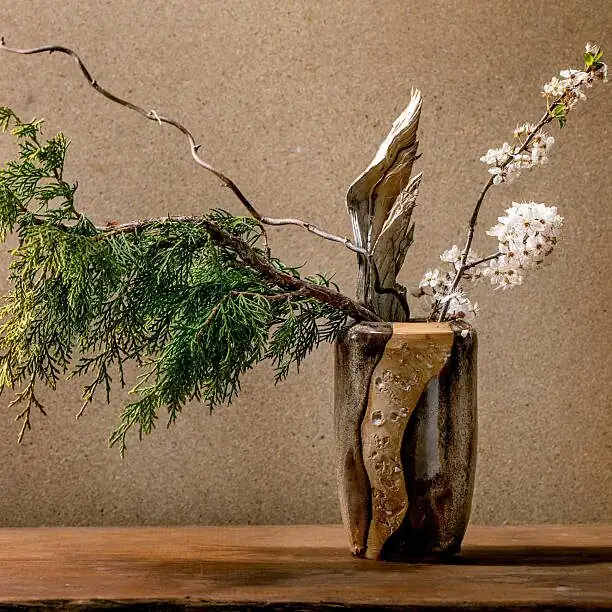
In seasonal aesthetics and ikebana (the intentional art of flower arranging), Manryō’s winter fruit symbolizes wealth that endures the year’s leanest season—prosperity with staying power. It’s commonly featured in New Year arrangements precisely for that reason.
Why red winter berries feel so lucky
Three threads braid together the plant’s auspicious reputation:
1) The power of red
- Across East Asia, red symbolizes joy, vitality, success, and protection. Bright red fruit reads as “good fortune made visible.”
2) Fruit in the cold
- Bearing fruit in winter implies surplus when nature is spare—having more than enough to carry into the new year. This echoes the cultural love of “abundance that lasts.”
3) Shape and number
- Rounded, coin-like berries cluster like beaded wealth. A plant covered in many “coins” is an effortless visual metaphor for cumulative riches.
Put simply: red + many + winter = luck you can count.
Flower language, beyond flowers
When people talk about “flower language” (花语/hanakotoba), they’re really talking about a cultural code built from color, season, poetry, and setting—not just a dictionary entry. Ardisia crenata’s “meaning” isn’t anchored in showy blooms (its flowers are small and starry); it’s the gleaming fruit, timing, and names that do the talking:
- In Chinese gift culture, Fortune Berries express wishes for prosperity and flourishing descendants.
- In Japan’s hanakotoba-informed aesthetics, Manryō signals great wealth and an elegant sufficiency, especially at New Year.
Context matters. A plant by the entryway greets guests with welcome prosperity; on a celebratory table, it underlines “plenty.”
Feng shui placement: where luck meets good care
Let’s align symbolism with the plant’s actual needs so the “fortune” looks as good as it feels.
Best spots (and why they work):
- Southeast (Wealth corner): In many Bagua maps, the SE sector relates to abundance. Place your plant here to echo its prosperity message.
- Entryway or foyer (on a stable stand): A bright, filtered-light spot near the door invites luck “in.” Avoid cold drafts.
- Living room or study: Communal, energetic spaces amplify auspicious displays better than tucked-away rooms.

Light, temperature, and handling:
- Light: Bright, filtered light to partial shade; avoid harsh midday sun that can scorch leaves.
- Temperature: 13–27°C (55–81°F) is ideal; keep above 5°C (41°F) in winter. Cold shock may trigger berry drop.
- Stability: Once it’s heavy with fruit, avoid moving or shaking the pot—sudden jostling causes berries to fall.
Auspicious styling tips:
- Dress the pot in red, gold, or deep jade-green covers.
- Cluster with other “prosperity” accents (a red knot, a coin charm) without crowding the foliage.
- Keep the plant full and glossy—healthy vigor is itself a feng shui positive.
The art of gifting Fortune Berries
When to gift:
- Housewarmings, shop openings, year-end appreciation, Lunar New Year, and winter weddings.
- For new parents or newlyweds, the 子 (berries/children) pun sweetens the blessing.
How to present:
- Choose a compact, well-branched plant with dense, deep-green leaves and many firm, bright-red berries. Lightly jostle in-store—the best specimens won’t shed fruit.
- Deliver gently and advise the recipient to set it in place and avoid moving it during peak fruit display.
- Add a note: “May your home be abundant in fortune and joy (富贵常在).”
Practical courtesies:
- Mention that it’s for display only—treat as potentially toxic if eaten; keep away from children and pets.
- If gifting to a business, a pair flanking the reception desk or entry can feel welcoming and balanced.
Quick care so the luck lasts
- Watering: Aim for evenly moist, never soggy. In active growth, water when the top 2–3 cm of mix begins to dry; reduce in winter to lightly moist.
- Light: Bright, filtered light; sheer-curtained south windows or an east window indoors are great.
- Humidity: Prefers moderate to high humidity (around 50%+). Light misting is fine if paired with good airflow.
- Feeding: During the growing season, feed every two weeks with a balanced fertilizer. After flower buds form, 2–3 extra feeds higher in phosphorus and potassium support fruit set. Stop feeding in winter once berries turn red.
- Pollination indoors: For a berry-laden show next season, hand-pollinate the small summer flowers with a soft brush.
- Pruning: Pinch soft new tips to keep the crown full; thin lightly if crowded.
- Temperature: Protect from cold drafts; never let it freeze.
- Pests: Watch for scale; treat with horticultural oil or insecticidal soap and repeat as needed.
- Safety: Do not ingest. Keep out of reach of kids and pets.
- Outdoors in warm regions: It’s ornamental, but in some climates it can spread—check local guidance before planting in the ground.
A plant that wears prosperity all winter
Ardisia crenata collects symbols the way it collects berries: generously. In Chinese it’s Fortune Berries (富贵子), hinting at wealth and flourishing descendants; in Japan it’s Manryō (万両), ten-thousandfold wealth made tangible. Its red, enduring clusters bring a festive brightness to quiet months, and when you place it thoughtfully—or give it with intention—you’re not just decorating. You’re sending a season-long wish: may your abundance be bright, steadfast, and shared.