

If you think ferns are just green fluff in the background, the Chinese brake fern (Pteris vittata) is here to flip that script. It has feathered, fountain-like fronds, occasional candy-striped variegation, the ancient magic of spore-making, and a startling superpower: it can vacuum up arsenic from soil like a botanical headline act. All that—and it’s surprisingly forgiving indoors when treated kindly.
Meet Pteris vittata, the poised rule‑breaker
- Common names: Chinese Brake Fern, Brake Fern, Ladder Brake
- Family: Pteridaceae (the winged, feather-fronded fern clan)
- Origins: Old World tropics and subtropics; now widely naturalized in warm regions worldwide
- Habit: Clump-forming, tufted, arching—picture a green fountain rising on wiry, dark stems
In pots, it typically reaches 30–60 cm tall and wide, maturing around 60 × 60 cm indoors, depending on age, pot size, and care. It looks ethereal in a hanging basket, where the fronds can drape, overlap, and do that cool, breezy, “living sculpture” thing.
The airy architecture (and why it looks so good)
Those narrow, finger-like fronds are finely divided and lightly feathered—giving plenty of motion and transparency. New fronds rise, arc, and splay, so even a small plant reads as “full.” The stems (stipes) are slender and dark, a perfect contrast for green leaflets. Keep it evenly moist with filtered light and you’ll enjoy a tidy, luminous mound year-round.
A note on variegated fronds
Beyond the classic glossy green, some cultivated forms show a pale, sometimes near-white stripe running down the center of each leaflet. This pinstripe effect makes the whole plant sparkle in indirect light. Variegates appreciate gentle brightness but still no harsh sun.

How it makes more fern: a spore-powered saga
Ferns don’t do flowers or seeds. Pteris vittata reproduces by spores carried on special fertile fronds.
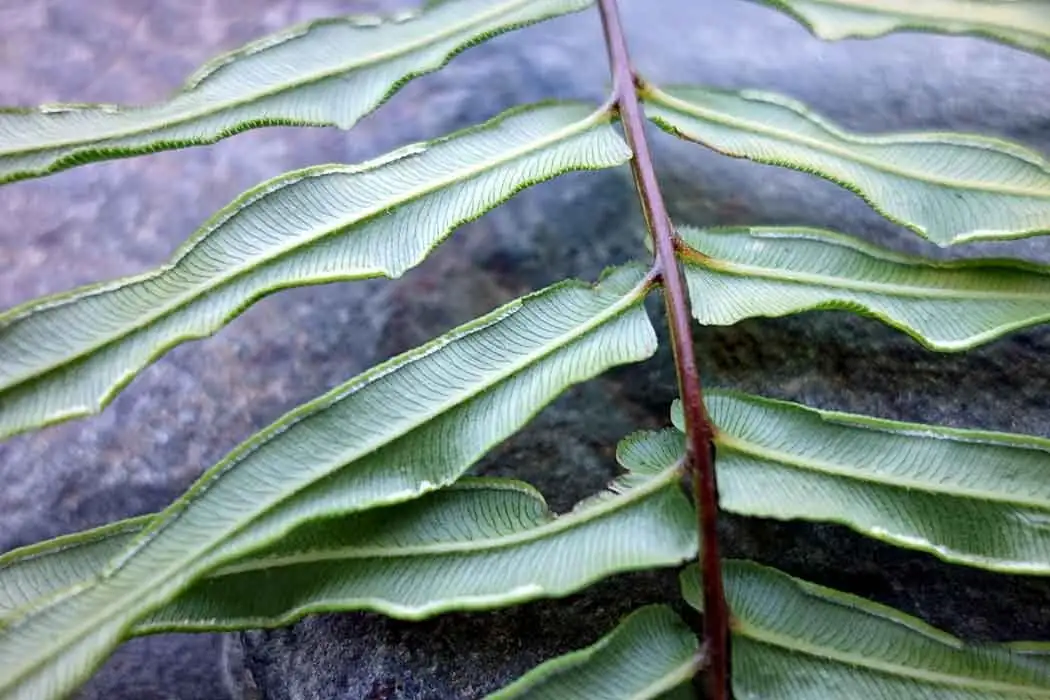
- Look under mature fronds for spore clusters (sori). In Pteris, these often form neat lines along the margins—like the plant hemmed its leaves with cinnamon dust.
- The spores disperse, germinate on a moist surface, and grow into tiny, heart-shaped gametophytes—an ancient, alternate life stage that makes eggs and sperm. With a drop of water, fertilization happens, and a new fern (the sporophyte) begins.
Why you’ll love it: those fertile fronds add height and movement, but can get tall. Feel free to thin a few for airflow and neatness.
Tougher than it looks
Compared with finicky fern divas, this species is remarkably forgiving if:
- You avoid hot, direct sun (especially midday)
- You keep the potting mix evenly moist (not soggy, not crispy)
- You provide comfortable humidity
Dry soil, scorching light, or indoor drafts can crisp the tips or yellow the fronds—but bounce-back is likely if the rhizome remains firm and you correct conditions.
Care at a glance
- Light: Bright, indirect light to part shade. East or north windows, or a south/southeast window filtered by a sheer curtain. Absolutely avoid harsh midday sun.
- Temperature: Thrives in typical indoor warmth. Best around 18–27°C (64–81°F); tolerates 13–24°C (55–75°F). Protect from cold drafts and avoid prolonged dips below ~10°C (50°F).
- Humidity: Moderate is fine; 60–70% is ideal for lush, unblemished fronds. Misting, grouping plants, or using a bright bathroom helps in dry homes.
- Water: Spring to autumn, keep evenly moist—water thoroughly, let excess drain, and never leave it standing in water. Indoors in summer, that often means about 3 times weekly, adjusted to your light, heat, and pot size. In winter, water less (often weekly), but don’t allow a total dry-out.
- Soil: Moisture-retentive yet free-draining fern mix. For a practical blend, try 2 parts all-purpose potting mix + 1 part bark-based medium + 1 part horticultural charcoal. Always use a pot with drainage holes.
- Feeding: Monthly from spring to early autumn with a balanced liquid fertilizer at half strength. Keep fertilizer off fronds and occasionally flush the pot to prevent salt buildup.
- Grooming: Snip yellowed, brown, or windblown fronds at the base. Thin a few tall, fertile fronds if the clump gets crowded.
- Repotting: About every 2 years in spring. Step up one pot size only if needed, or divide and replant a portion back into the same pot with fresh mix.
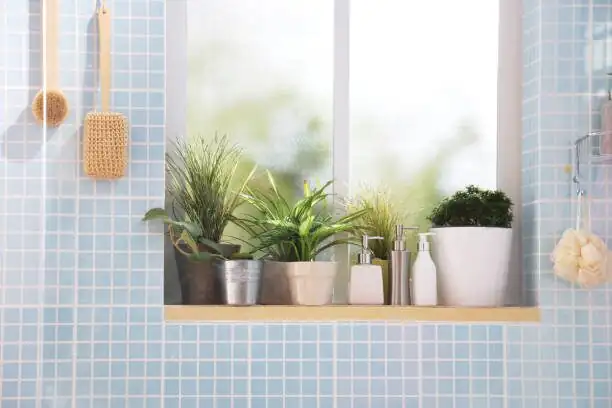
- Placement: Away from heaters, AC vents, and dry drafts. A bright bathroom can be fern heaven—as long as the light is filtered.
Propagation: divide and delight
Division is the quickest route. In early spring:
- Unpot the plant and gently tease the clump into sections, each with healthy roots and fronds.
- Trim away dead roots and tired fronds.
- Replant divisions immediately; keep warm, in part shade, and humid until established.
Yes, you can grow it from spores—but that path rewards patience and a steady hand.
The headliner: the arsenic-hyperaccumulator fern
Here’s where Pteris vittata earns its fame. It can hyperaccumulate arsenic—absorbing arsenic from soil and sequestering it in its fronds at levels that made scientists do a double take. This trait has put it on the stage for phytoremediation: using plants to help clean arsenic-contaminated sites.
What that means for plant nerds and homeowners:
- It’s a scientific celebrity with very real environmental potential.
- If you’re growing it as a houseplant, stick to normal, clean potting mixes. Don’t “test” its superpower at home by using contaminated soils.
- In professional remediation projects, arsenic-laden fronds are handled and disposed of as hazardous material. That’s not a DIY step.
Note: In some warm regions where it has naturalized widely, this species can spread readily. If you garden outdoors in mild climates, check local guidance and manage responsibly.

Styling ideas
- Hanging basket cascade: arching fronds drape elegantly; pair with trailing peperomias or hoyas for contrasting leaf shapes.
- Shelf or plant stand: let those wiry stems lift the fronds into light, where their texture reads crisply against a wall.
- Bathroom jungle: warm, bright, steamy—just keep it out of direct sun.
Troubleshooting quick list
- Yellowing, curling fronds: Usually dryness, hot sun, or low humidity. Trim at the base, water thoroughly, offer bright filtered light, and raise humidity.
- Crispy tips: Often dry air or underwatering; can also be fertilizer salts—flush the mix and adjust watering.
- Pests: Watch for scale, mealybugs, spider mites in dry conditions. Wipe off and follow with horticultural oil or insecticidal soap; raise humidity and rinse fronds for mites.
- Leaf spot: Improve airflow, avoid wetting fronds late in the day, remove affected fronds; use a fern-safe fungicide if needed.
Safety notes
Generally regarded as non-toxic or low-toxicity to people and pets. Nibbling can still cause mild stomach upset—best to deter curious chewers. If ever used in professional remediation, remember that arsenic-rich fronds are not safe to handle casually.
Flower language and symbolism (for a plant with no flowers)
Ferns sidestep blossoms entirely, yet cultures have long assigned them meanings—resilience, quiet elegance, and steadfastness. It fits: even without a single petal, Pteris vittata holds its poise, stays green through seasonal lulls, and keeps performing under consistent care. Think of its “language” as a poetic overlay rather than botany—an ode to endurance and grace more than literal flower lore.
Why this fern wins a permanent spot on the shelf
- It’s sculptural without being fussy.
- Variegated selections add a subtle, modern pinstripe.
- It reproduces with time-travel charm via spores.
- It’s unexpectedly tough indoors if kept evenly moist and shaded from harsh sun.
- And it moonlights as an environmental fixer, with a unique talent for arsenic uptake.
Care for it steadily, and the Chinese brake fern rewards you with movement, texture, and a quietly dramatic presence that never needs flowers to take center stage.