

The Peace Lily: From the Lush Heart of South America to Your Living Room
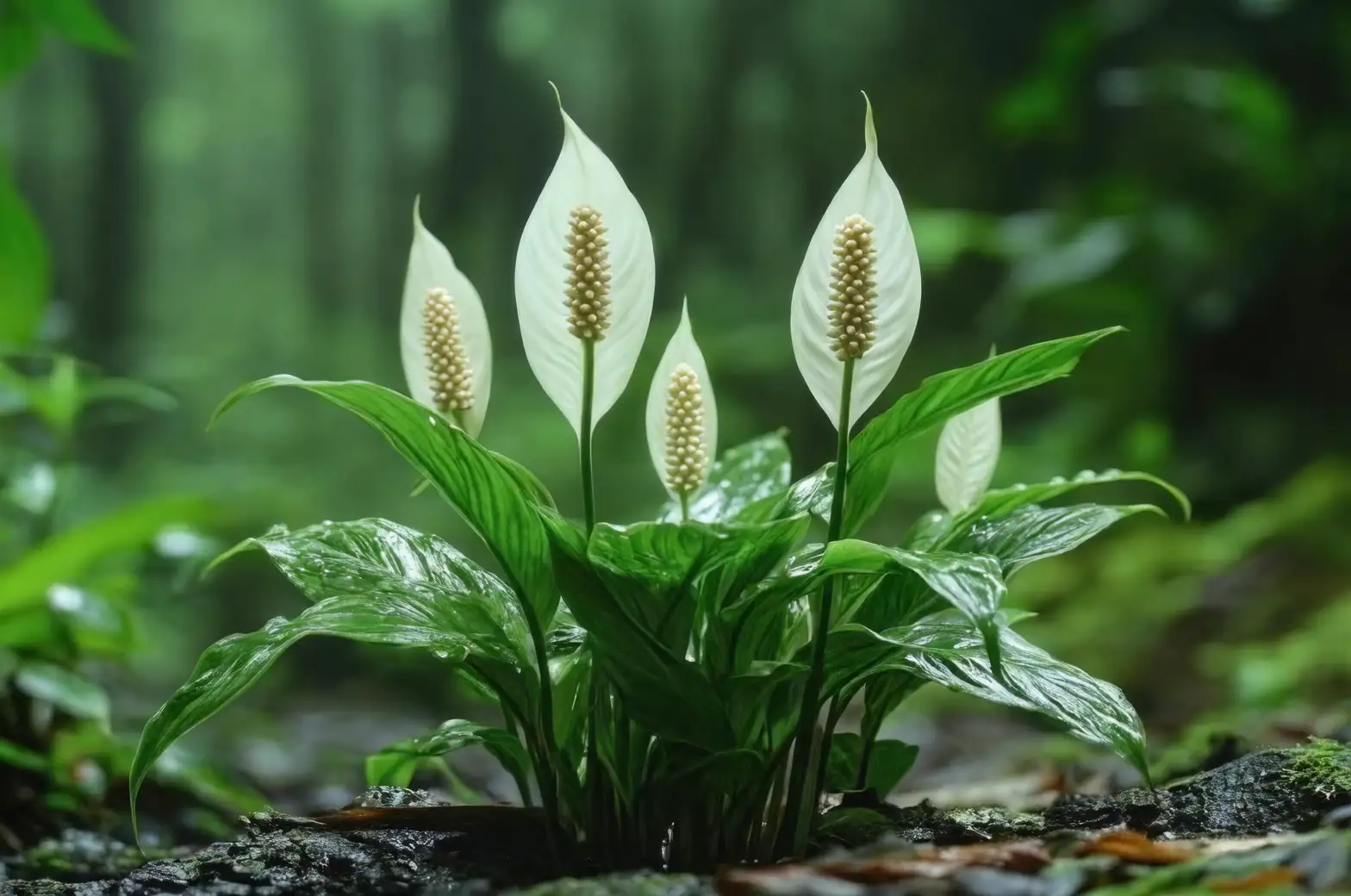
In the verdant depths of Colombia’s tropical rainforests lies a plant that has journeyed far to adorn homes across the globe—the Peace Lily, or Spathiphyllum wallisii. This striking plant, with its glossy green leaves and elegant white spathes, serves as more than just a decorative piece; it is a living testament to nature’s resilience and adaptability.
Discovering the Peace Lily
The Peace Lily’s story begins in the humid, shaded forest floors of northern South America, where it thrives under the thick canopy. These natural habitats provide the perfect conditions for the Peace Lily, which prefers the warmth and consistent moisture of its native environment. In the 1800s, European explorers, captivated by its beauty and unique flowering structure, introduced it to the Western world. Its charm quickly caught on in Victorian England, where it became a symbol of refined taste and tranquility.
A Symbol of Peace and Purity
Why do we call it the Peace Lily? The name comes from the plant’s distinctive white spathe, which resembles a white flag—a universal symbol of peace. This association with calm and purity has made the Peace Lily a popular gift for occasions requiring a gentle touch, like housewarmings or as a gesture of sympathy. Its presence in a room is said to bring a sense of serenity, aligning with its symbolic meanings of peace, hope, and fresh beginnings.
The Journey to Fame
The Peace Lily’s rise to fame as a beloved houseplant is due to its forgiving nature and air-purifying capabilities. It made headlines in NASA’s Clean Air Study, which highlighted its ability to remove toxins like formaldehyde and benzene from the air. This study propelled the Peace Lily from a mere ornamental plant to an essential component of a healthy indoor environment.
Caring for Your Peace Lily
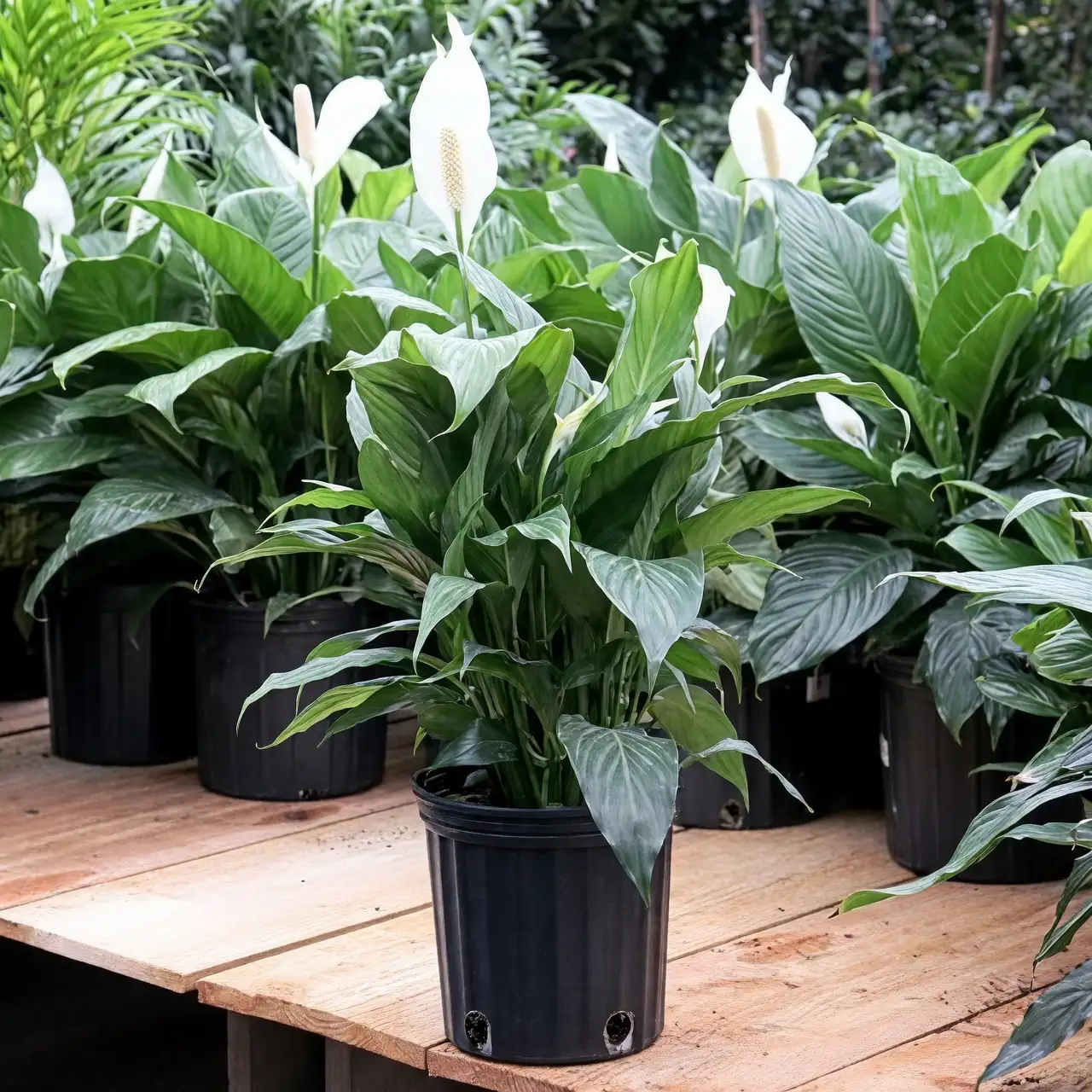
Bringing a Peace Lily into your home is like inviting a piece of the rainforest’s tranquility. While it is remarkably easy to care for, a few simple tips can ensure it remains lush and vibrant:
- Light: Peace Lilies thrive in bright, indirect light but are also well-suited for lower light conditions, making them ideal for various indoor spaces.
- Watering: They prefer evenly moist soil but not soggy conditions. Watch for drooping leaves, a clear sign that it needs watering.
- Humidity & Temperature: Mimicking its tropical origins, the Peace Lily enjoys higher humidity and warm temperatures. Keep it away from cold drafts and sudden temperature changes.
Propagation and Growth
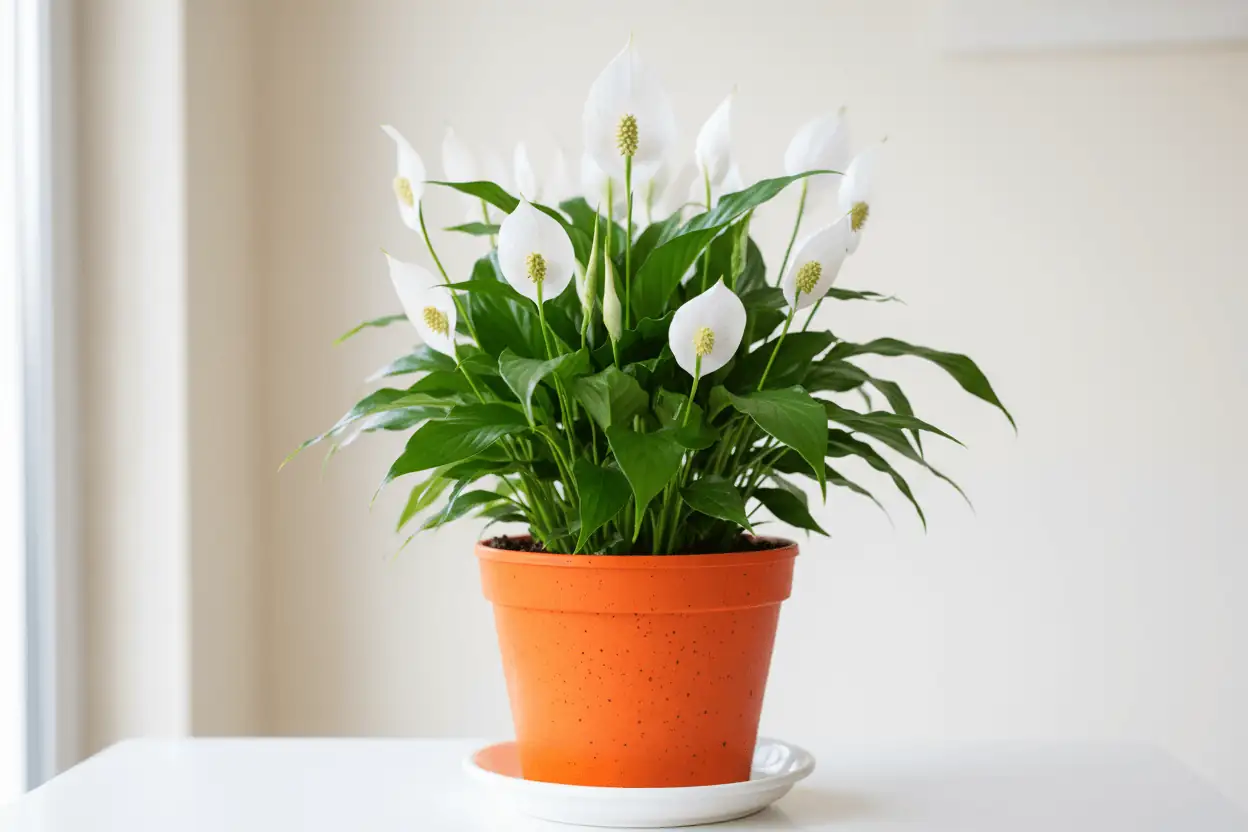
Peace Lilies are clump-forming plants that grow from rhizomes, and they can reach up to six feet under ideal conditions. To propagate, divide the plant in spring or early summer, ensuring each new section has a robust root system and a few healthy leaves.
A Word of Caution
While the Peace Lily is a joy to nurture, it is important to note that it is toxic to pets and humans if ingested due to calcium oxalate crystals. Keep it out of reach of curious pets and small children to avoid any mishaps.
More Than Just a Plant
The Peace Lily’s journey from the heart of South America to homes worldwide is not just a tale of botanical interest but also a story of human appreciation for nature’s beauty and benefits. Whether you are an experienced plant enthusiast or a beginner, the Peace Lily offers a harmonious blend of aesthetic appeal and practical benefits, making it a staple in indoor gardening.
In every glossy leaf and pristine spathe, the Peace Lily whispers a message of peace and resilience, inviting us to pause, breathe, and appreciate the quiet moments of life. So, as you find a spot for this graceful plant in your home, remember that you are not just growing a plant—you are cultivating a piece of history, a symbol of peace, and a breath of fresh air.


