

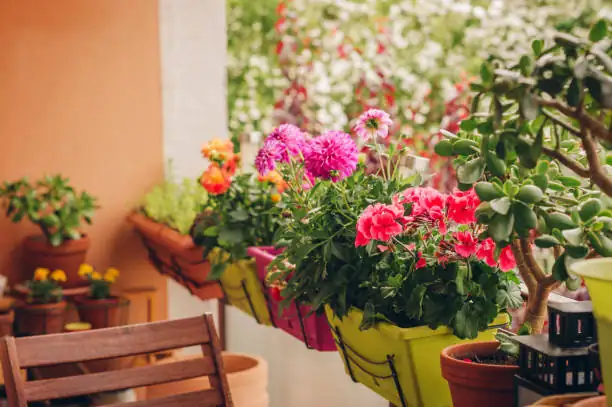
Imagine a little meadow that sways with every breeze, bees stopping by like old friends, and slender lavender‑mauve spires catching the light—right there on your balcony. Common vervain (Verbena officinalis L.) is the quietly enchanting herb that brings that wild, airy vibe to the smallest spaces, especially when grown in containers with the right mix, drainage, and sun. Here’s how to make it sing.
Meet Common Vervain (Verbena officinalis)
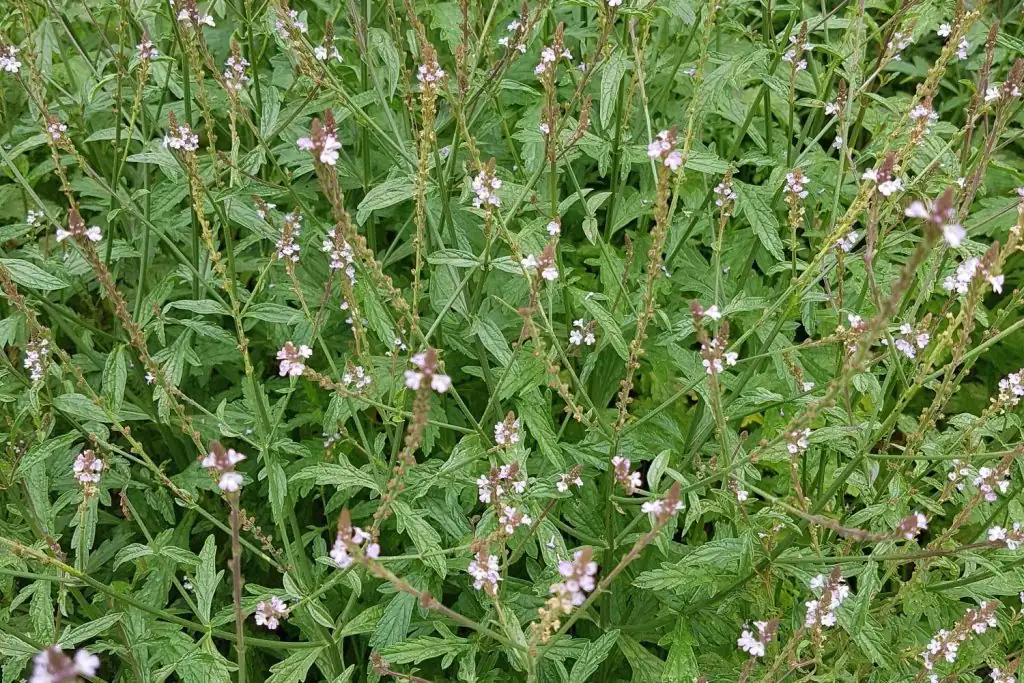
Old-fashioned in the best possible way, common vervain is a perennial herb with:
- Tall, slender flower spikes dusted with tiny mauve to blue‑purple blooms (late spring into fall, peaking in summer)
- Square, slightly rough stems and toothed, sometimes lobed dark-green leaves
- A naturally airy, meadow-like habit that looks effortless in pots
- Typical container height around 45–75 cm, though plants can reach 30–120 cm overall
It’s native to Europe, now widely naturalized around the world. Full sun brings the best flowering, and pollinators adore it. Note: People sometimes use “blue vervain” loosely; more precisely, that name belongs to Verbena hastata (a different species). Our star here is Verbena officinalis—European/common vervain.
Containers that breathe meadow
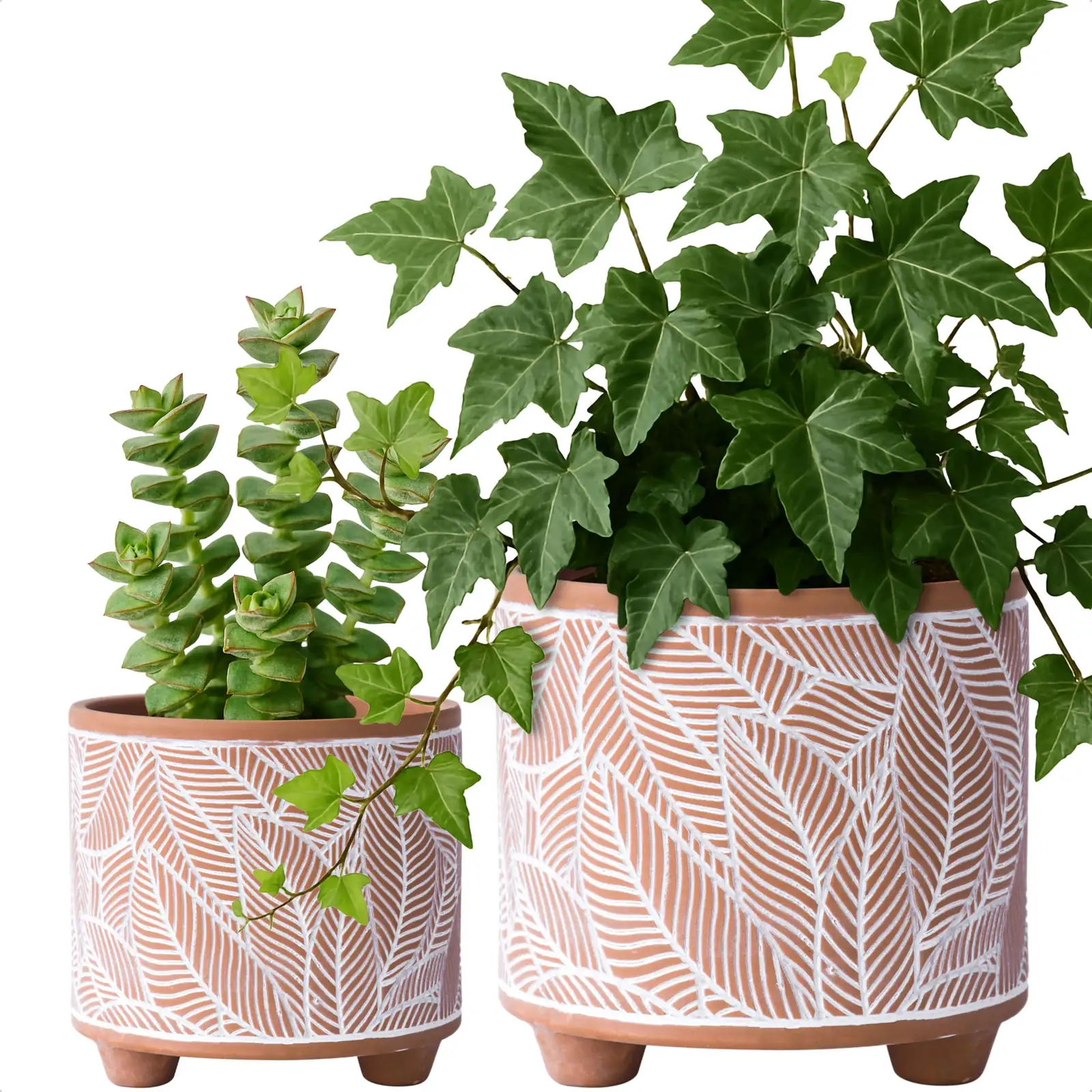
Pot size and material
- For a single plant: 20–30 cm (8–12 in) wide, 25–30 cm (10–12 in) deep
- For mixed “mini‑meadows”: 35–45 cm (14–18 in) wide bowl or tall cylinder
- Terracotta, fiberclay, or quality plastic/fiberglass all work—choose something stable in wind
- Drainage is non‑negotiable: a true hole (or several); add pot feet so water escapes easily
- Place mesh or a shard over the hole to keep mix in, but don’t add a rock layer (it doesn’t improve drainage)
The right potting mix (wild look, civilized drainage)
Aim for fast-draining, moderately fertile, and slightly acidic to neutral (about pH 5.8–7.2). A limey (calcium‑friendly) tilt is welcome.
- Base blend:
- 2 parts high‑quality, peat‑free potting mix
- 1 part mineral “air” (pumice or perlite; coarse horticultural grit also works)
- 1 part mature compost
- Optional: up to ½ part fine bark for extra structure
- If your local water and compost are very acidic, a small sprinkle of garden lime brings things into vervain’s comfort zone
- Mix in a light charge of slow‑release, balanced fertilizer at planting—this isn’t a heavy feeder
Sun angles for balconies and tiny yards
- South-facing: gold standard—6–8 hours of direct sun keeps spires coming
- West-facing: strong afternoon sun; great for bloom, but the mix will dry faster—check moisture more often
- East-facing: gentle morning sun; expect bloom, though a bit lighter than south/west
- North-facing: often too dim—try the brightest spot, use reflective surfaces, and consider moving plants for pockets of extra light
- Urban bonus tips: rotate containers monthly for even growth; keep at least 30 cm (12 in) from sun-baked glass; allow some open space for airflow
Water, feeding, and the easygoing routine
Watering
- While establishing: keep evenly moist, never soupy
- Once settled: water when the top 2–3 cm (about an inch) of mix dries; soak thoroughly until water drains, then empty saucers
- Ballpark in warm weather: roughly 0.5–1 in (1.3–2.5 cm) of water equivalent per week, adjusting for heat and wind
- Avoid constant sogginess—waterlogged roots mean trouble
Feeding
- Spring: a light sprinkle of slow‑release balanced fertilizer is usually enough
- Optionally mid‑summer: a second light feed or a water‑soluble fertilizer every 4–6 weeks during active growth
- Too much nitrogen = stretch and fewer flowers
Airflow and humidity
- Good spacing and breezes help prevent powdery mildew and botrytis
- Water early in the day and aim for the mix, not the leaves
Grooming for an effortless meadow
Deadheading that doesn’t feel like a chore
- As spikes fade, pinch or snip back to the next fresh side shoot; this nudges new flowering
- If plants get a bit lanky, shear lightly by about one‑third once or twice in summer—they rebound with tidy, bushier bloom
- Late winter or very early spring: cut back by about one‑third (or remove dead growth) to refresh the clump
Let a little wildness in
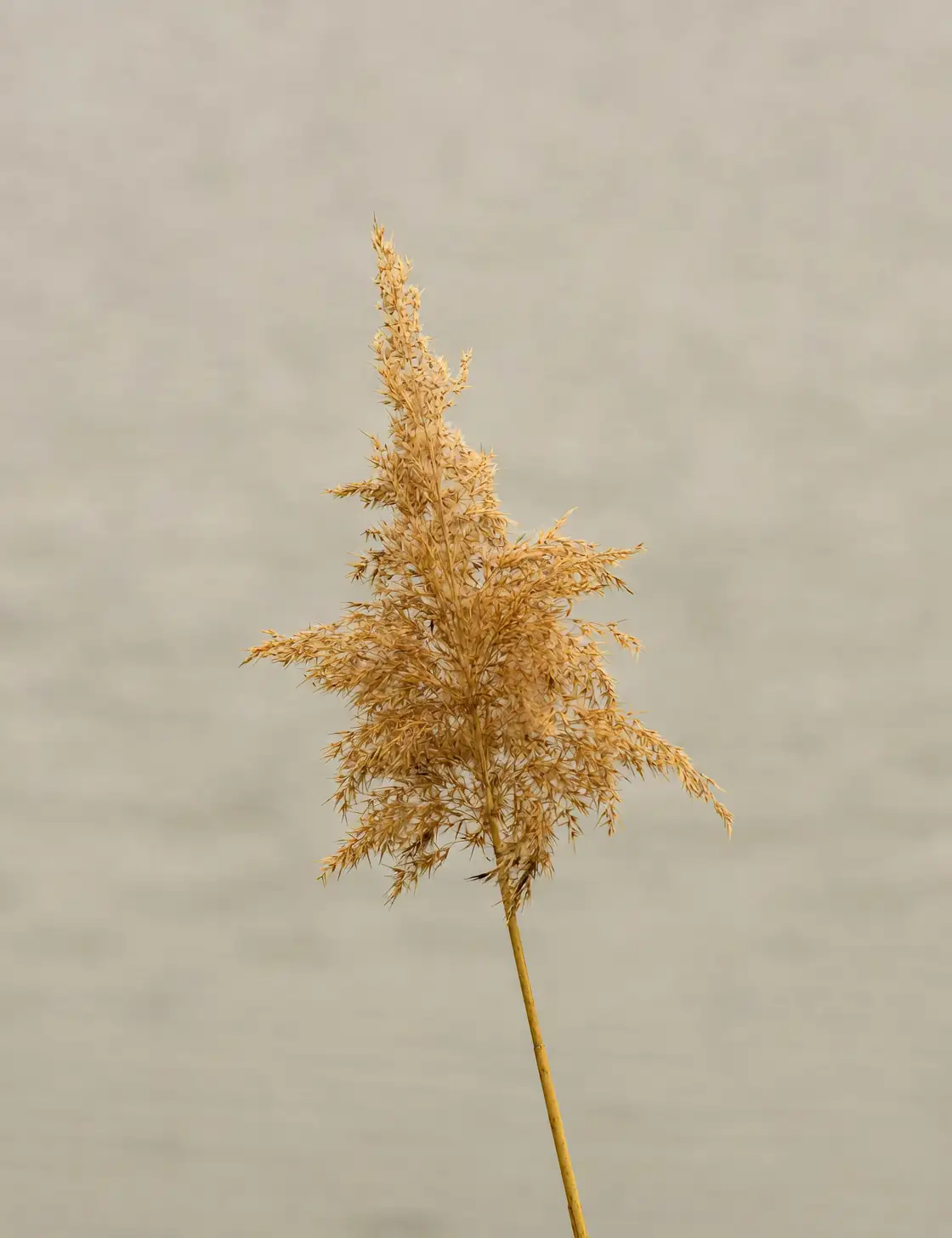
- Common vervain is often a short‑lived perennial (2–3 years). Allow a few late-season spikes to set seed; in friendly conditions it can self-sow, even in roomy containers
- Or start a few backups from seed or softwood cuttings (10–15 cm/4–6 in) in late spring/early summer
Design: color pairings and plant partners for that airy vibe
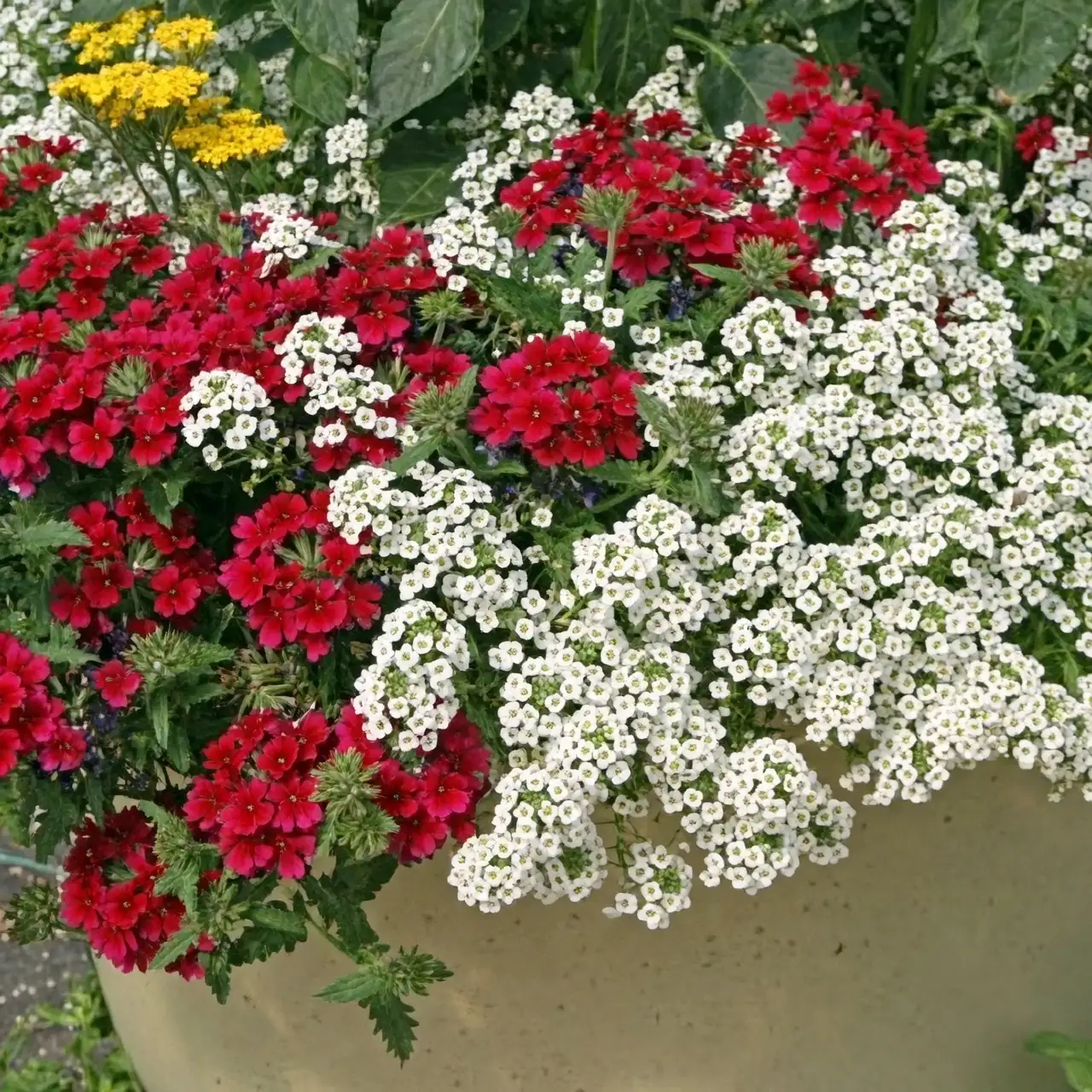
Vervain’s slender, bluish‑mauve spires read like watercolor washes—perfect with whites, silvers, sunrise pastels, and cool blues. Think movement, repetition, and negative space.
Three foolproof palettes
- Mist + Moonlight
- Common vervain + white alyssum + Orlaya (laceflower) + a small silver spiller (Helichrysum petiolare)
- Container: 40 cm low bowl; 1 vervain center, 2–3 fillers, 2 spillers
- Sundown Haze
- Common vervain + pale pink gaura (Oenothera/“bee blossom”) + California poppy (apricot/soft orange) + a tuft of blue fescue
- Container: 40–45 cm; let the poppies self‑sow for a changing tapestry
- Ink & Parchment
- Common vervain + white pincushion flower (Scabiosa) + cornflower (Centaurea cyanus) + dwarf Stipa tenuissima for feathery motion
- Container: tall 35–40 cm pot; give the grass a back corner to sway
Design notes:
- Keep combinations sun‑loving and low‑water once established to match vervain’s rhythm
- Plant a touch asymmetrically; repeat vervain in two containers to echo the meadow feel
- Resist overpacking—air between stems is part of the charm
A compact calendar for small spaces
- Spring
- Plant after last frost; or start seeds indoors 8–10 weeks before it
- Blend fresh, well‑draining mix; work in a light slow‑release feed
- Begin deadheading as the first spikes fade
- Summer
- Peak bloom: water during dry spells; rotate pots for even sun
- Shear lightly if stems look tired; check for aphids or mites and rinse or treat early
- Fall
- Collect a little seed or let a few spikes mature where they stand
- Divide mature clumps if potting on; ease off fertilizer
- Winter
- In colder climates, treat as an annual or move containers to a sheltered, well‑drained spot
- Keep just barely moist; avoid waterlogged winter mix
- Cut back dead growth and mulch the surface lightly if exposed
Hardiness note: Often reliable as a returning perennial in warmer temperate zones (roughly USDA 7–10). In colder or very wet‑winter areas, it may not overwinter in pots—renew from seed or cuttings.
Troubleshooting on balconies
- Lots of leaves, few flowers
- Not enough sun, or too much nitrogen. Move to brighter light (aim for 6–8 hours) and ease off feeding.
- Powdery mildew or botrytis
- Improve airflow, water early at soil level, thin crowded stems, and avoid persistent humidity; use neem or horticultural soap if needed.
- Pests (aphids, spider mites, whiteflies, thrips, scale)
- Start with a strong water spray; follow with insecticidal soap or neem. Sticky traps can help with whiteflies on sheltered balconies.
- Root rot
- Soggy mix or trapped water. Refresh soil, improve drainage (pot feet, more mineral grit), and water less often.
- Windburn or flop
- Shift to a slightly more sheltered spot, group containers for a windbreak, or add a discreet support twig. Shearing encourages sturdier regrowth.
Safety, lore, and a dash of meaning
- Safety: Generally low risk ornamentally. Traditional internal use exists, but avoid medicinal use during pregnancy. Keep pets from chewing and consult a vet if ingestion occurs.
- Lore and symbolism: Vervain glows with centuries of story—sacred sprigs in Roman rites, Druids’ esteem, and the Christian-era “Herb of the Cross.” In Victorian floriography, it can stand for peace, protection, loyalty, trust, and even “pray for me.” Flower language is a cultural lens rather than botany itself, yet vervain’s quiet, enduring bloom makes those themes feel apt: a plant that steadies the scene and invites calm.
Quick-start recipe for a balcony meadow pot
- Choose a 35–40 cm container with generous drainage and pot feet.
- Blend: 2 parts peat‑free mix + 1 part pumice/perlite/grit + 1 part compost; add a pinch of lime if very acidic.
- Plant 1 common vervain slightly off-center; add 3–4 airy partners (e.g., white alyssum, a small grass, and one soft pastel annual).
- Water in, then let the top 2–3 cm dry between waterings; empty saucers.
- Place in full sun (south or bright west). Rotate monthly for even shape.
- Deadhead lightly and shear by one‑third midseason if lanky.
- Allow a few late spikes to set seed, or start fresh seedlings every couple of years for continuity.
With the right pot, a breezy mix, and sun in its sails, common vervain turns even the tiniest perch into a miniature meadow—unfussy, long-blooming, and alive with pollinators.


