

Discovering the Dual Nature of Nerium Oleander: Beauty and Danger Intertwined
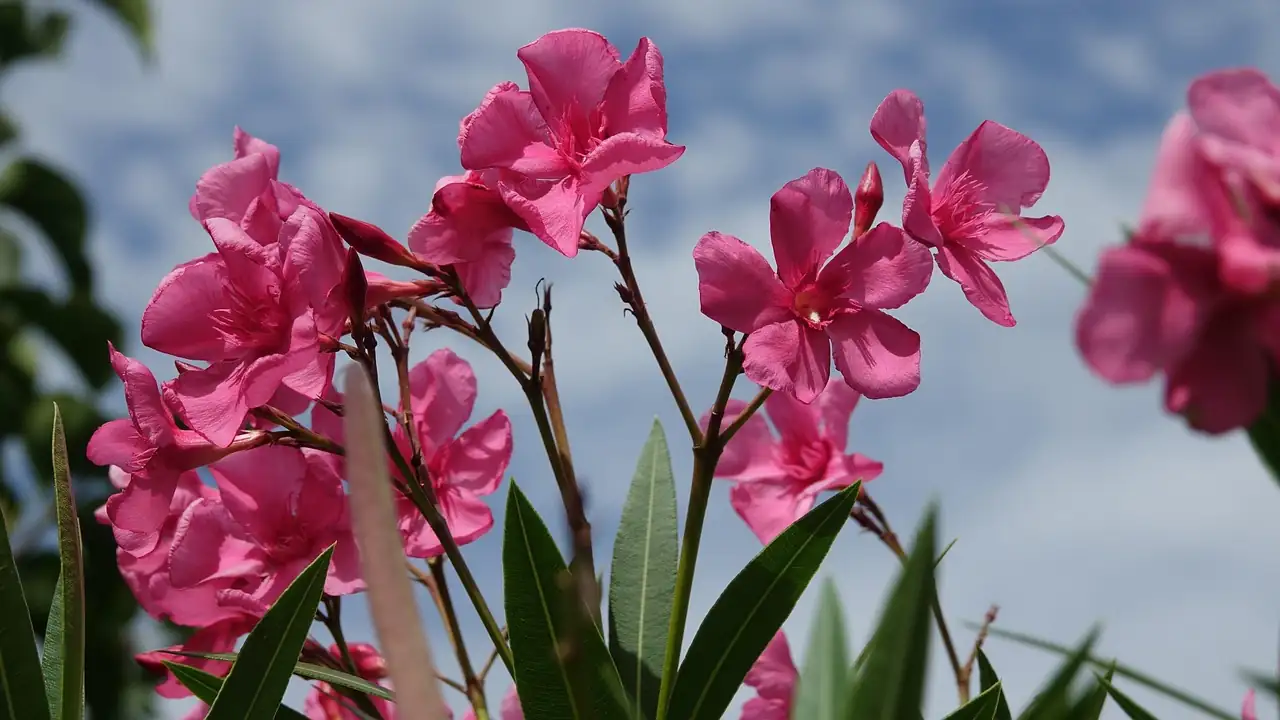
Imagine a flower that embodies both allure and peril, a paradox wrapped in velvety petals. Nerium oleander, commonly known as oleander, is a plant that captivates with its stunning blooms but warns with its potent venom. This enigmatic shrub, thriving across the sun-drenched landscapes of the Mediterranean to the vibrant terrains of southern Asia, has woven itself into the fabric of myth, culture, and horticultural fascination.
The Alluring Beauty of Oleander
Oleander’s appeal is undeniable. With its long-blooming season stretching from the warmth of spring into the golden hues of fall, this evergreen shrub dazzles with a palette of colors—pure whites, soft pinks, fiery reds, and the occasional sun-kissed yellows. Each flower, a delicate funnel-shaped cluster, offers a visual feast, reminiscent of a masterful artist’s brushstrokes.
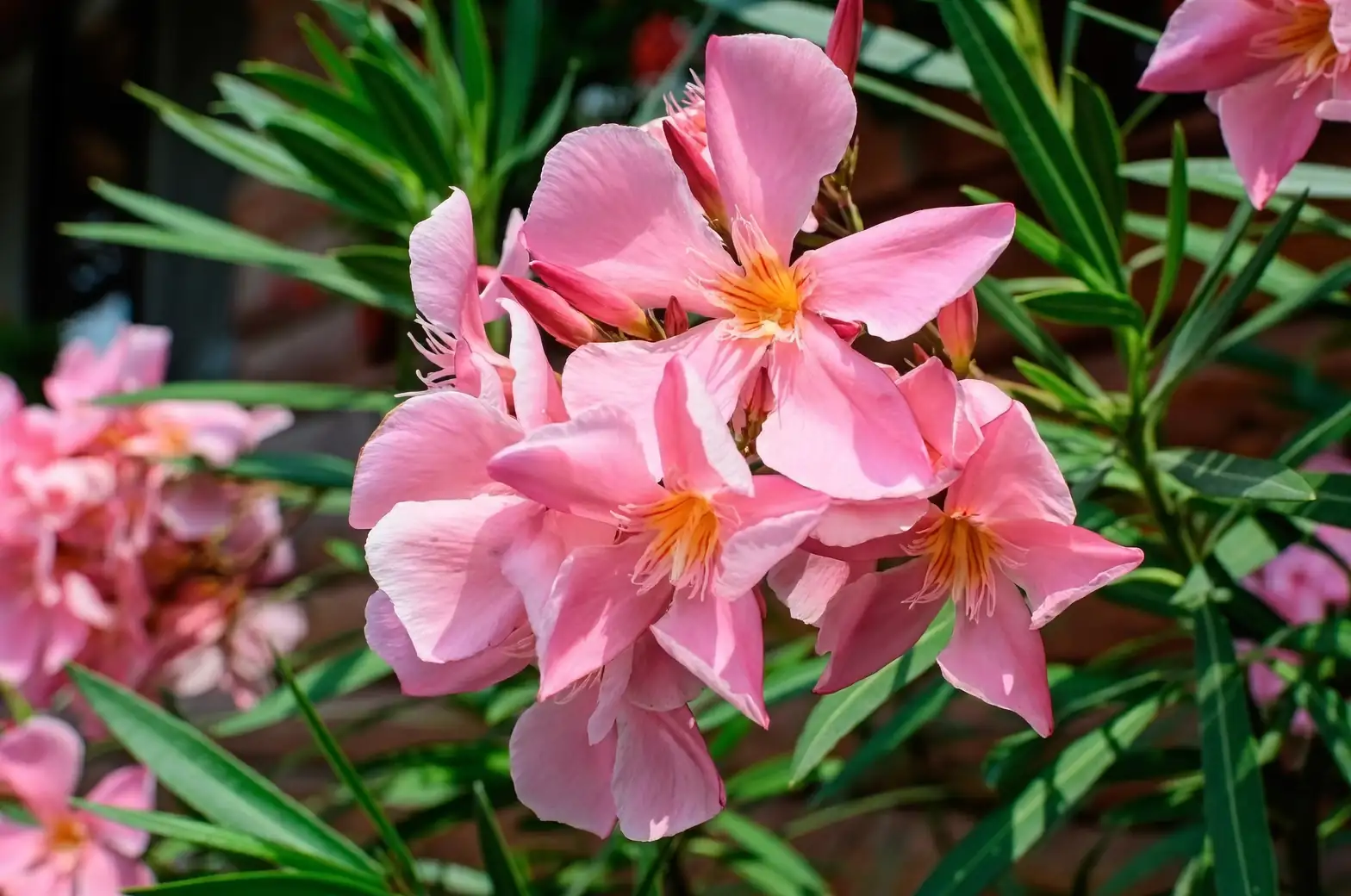
Gardeners and landscapers across the globe appreciate oleander for its resilience. Like a seasoned traveler unfazed by harsh winds or parched earth, it endures heat, drought, and pollution with ease. Its adaptability makes it a favored choice for hedges and screens, adding elegance to urban spaces and coastal roadsides alike.
The Dark Side: A Cautionary Tale
However, beneath its charming exterior lies a tale of caution. Oleander’s beauty is matched only by its toxicity. All parts of the plant—from its leaves to its sap—are infused with potent cardiac glycosides, making it one of the most poisonous ornamental plants. Even the smoke from burning oleander can pose a lethal threat. This dichotomy adds to its mystique, embodying the age-old saying that not everything beautiful is benign.
The Language of Flowers: Oleander’s Symbolism
In the language of flowers, oleander speaks of complexity and contradiction. To the Victorians, a gift of oleander whispered “beware,” a subtle reminder of hidden dangers. Yet, its symbolism is not one-dimensional. Across cultures, it dances between themes of love, caution, and even spirituality.
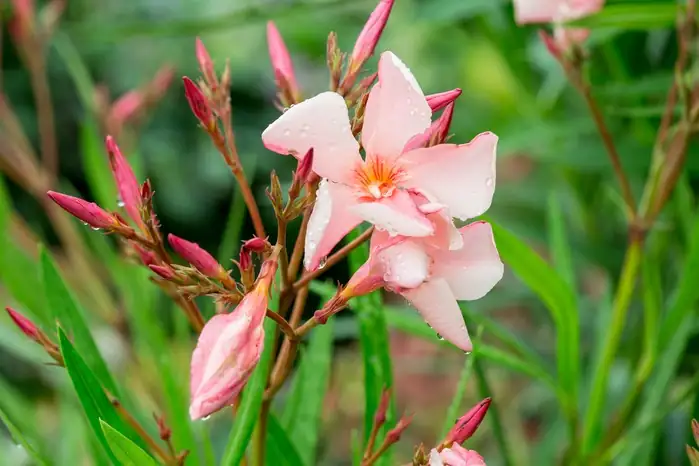
- Colorful Messages: The color of oleander blooms adds layers to its meaning. White blooms often symbolize purity and caution, red ones balance love and danger, while pink may represent elegance and healing. Purple oleanders, rare as they are, might suggest inner strength and resilience.
- Cultural Threads: Ancient Greeks and Romans cherished oleander not only for its beauty but also as a symbol of romance and caution. The Greek myth of Leander, who drowned in the Strait of Gallipoli and whose love lived on through the flowering oleander, underscores its association with enduring love.
- Religious and Mythological Ties: In Christianity, oleander is sometimes linked to the “Rose of Jericho,” a symbol of resurrection and hope. In Hindu traditions, it is used in funerary rites, a testament to its connection with both life and death.
Oleander’s Place in History and Art
Oleander’s historical roots run deep. It has graced the walls of ancient Pompeii, its likeness captured in murals that speak of gardens long lost to time. Artists like Vincent van Gogh and Gustav Klimt immortalized oleanders in their works, using the plant as a muse to explore themes of beauty and transience.
Practical Magic: Why Grow Oleander?
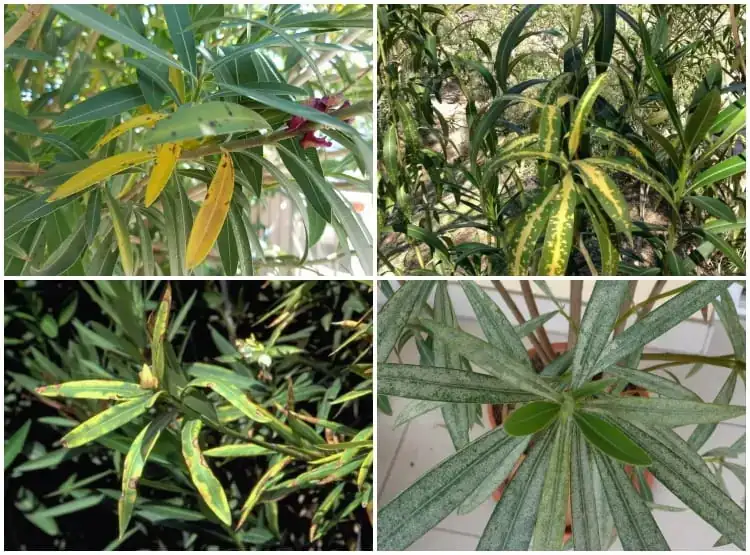
Despite its toxic reputation, oleander remains a beloved plant in many gardens. Its resilience and low-maintenance nature make it a reliable choice for those willing to handle it with care. In regions where other plants wither under the harsh sun or struggle against city pollution, oleander thrives, offering a lush green backdrop dotted with vibrant blooms.
A Word of Caution
While oleander’s visual appeal is undeniable, it demands respect. If you choose to cultivate this plant, approach it with the same careful attention you would give to a masterpiece—admire, but do not touch. Always wear gloves when pruning and ensure it is out of reach from curious children and pets.
Conclusion: The Enigmatic Oleander
Oleander stands as a testament to the intricate dance between beauty and danger. It reminds us that nature’s wonders often come with hidden challenges and that the most captivating stories are those that hold a touch of mystery. So, the next time you encounter an oleander in bloom, take a moment to appreciate the layers of history, culture, and symbolism that make it one of nature’s most fascinating enigmas.


