

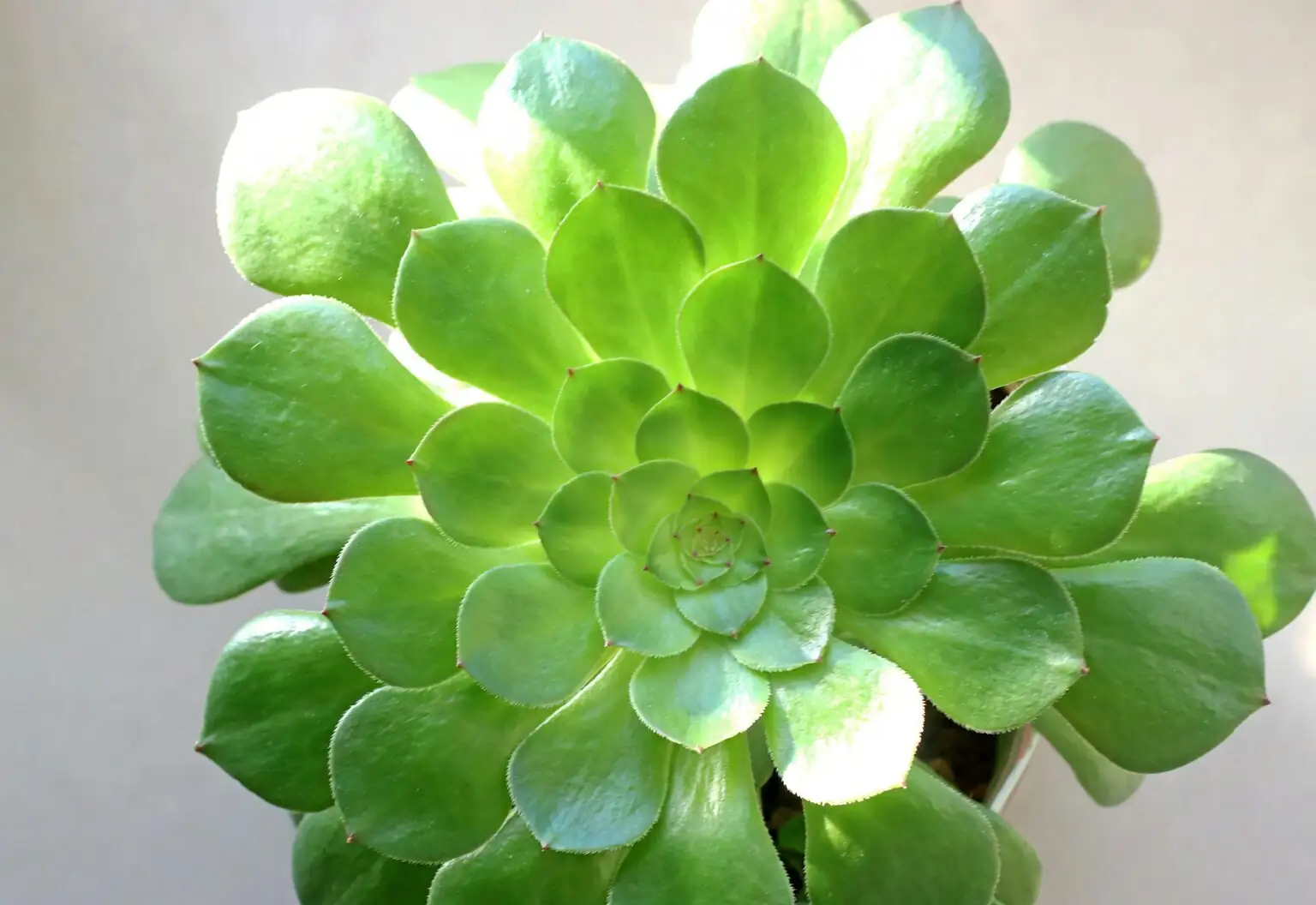
Imagine a bouquet of near-black roses perched on sculptural, branching stems—then one spring morning, a spire of tiny yellow stars erupts from the center like a miniature firework. That’s the magic of Aeonium arboreum ‘Zwartkop’ (often called Black Rose Aeonium). This is a plant that rewards good light and clever pruning with bold color, balanced branching, and, occasionally, a dazzling bloom you’ll want to understand before it appears.
Meet the Black Rose Aeonium
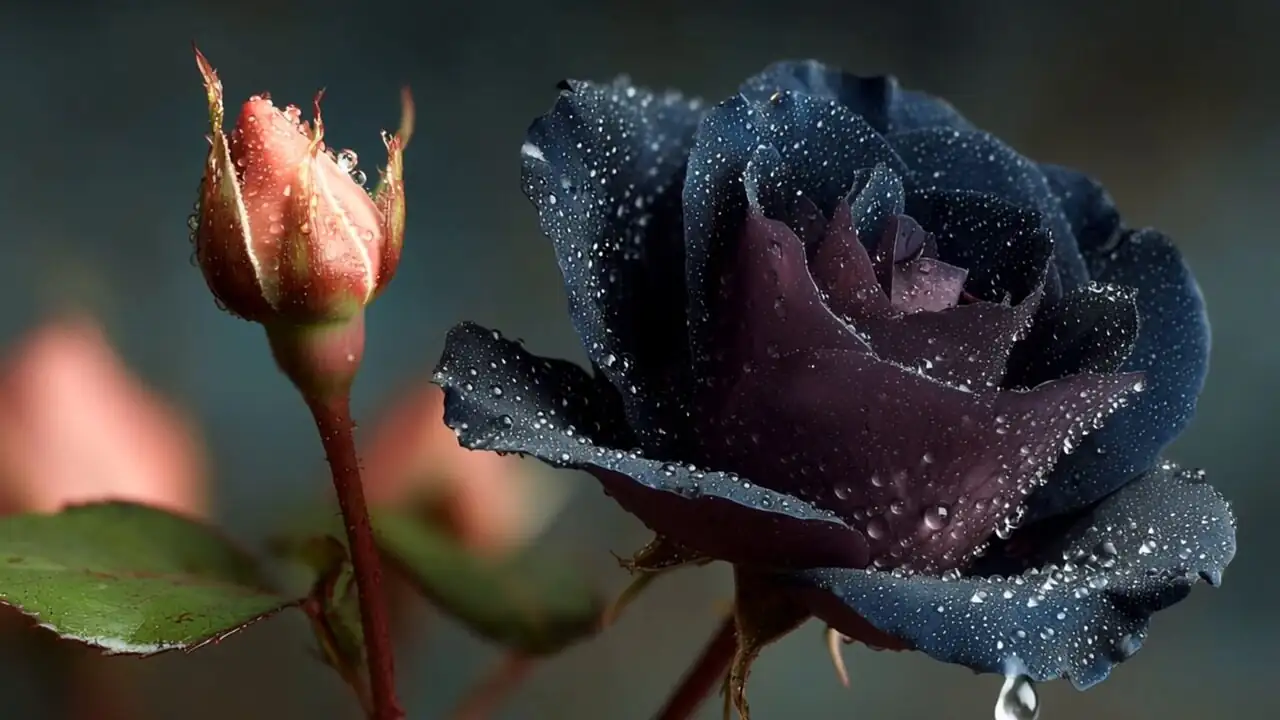
A branching, rosette-forming succulent from the Crassulaceae family, ‘Zwartkop’ is prized for glossy rosettes so deep burgundy-purple they often read as black in strong light. New rosettes develop on woody stems, turning a single plant into a handsome clump or a small “tree” over time. It typically grows most actively in the cooler months, then slows or semi-rests during the heat of summer.
- Common names: Black Rose Aeonium, Black Tree Aeonium, Aeonium ‘Black Rose’
- Botanical: Aeonium arboreum ‘Zwartkop’
- Heritage: A cultivated form of Aeonium arboreum, a species native to the Canary Islands (Macaronesia)
Light, Color, and Compact Form
Think “sunny gallery, not scorch chamber.”
- Best color: Full sun to very bright light. Rosettes turn darkest in high light and cooler seasons; lower light yields greener or more reddish tones.
- Indoors: Brightest window possible; pull slightly back or filter midday sun behind glass during heatwaves to prevent scorch.
- Balanced branching tip: Rotate pots every couple of weeks so all sides get even light—this curbs leaning and promotes symmetrical clumps.
Temperature, Humidity, and Airflow
- Sweet spot: About 20–25°C (68–77°F). Happy in 10–24°C (50–75°F).
- Cold: Keep frost-free; protect carefully near 0°C (32°F). A practical indoor minimum is around 6°C (43°F).
- Humidity: Low to average is ideal; ensure good airflow to avoid rot and leaf spot.
Soil and Pots
- Mix: Fast-draining succulent/cactus blend cut generously with grit, coarse sand, or pumice for airflow. Never let it sit waterlogged.
- Pots: Always choose drainage holes. Small to medium plants do beautifully in 12–15 cm (4.7–5.9 in) pots; scale up only one size when repotting.
Watering—Especially Through Summer Slowdowns
‘Zwartkop’ thrives on a rhythm that matches its cool-season growth.
- Active growth (autumn through spring): Water deeply, then drain fully. Rewater when the top layer dries—lightly moist, never soggy.
- Hot summer semi-dormancy: Keep almost dry. Offer only small sips if rosettes begin to wrinkle.
- Winter in cool rooms: Err on the dry side to prevent rot.
Feeding
- Feed sparingly in its growth windows (winter through late spring and/or spring and autumn). Monthly at half-strength with a balanced or low-nitrogen succulent fertilizer.
- Skip feeding during summer dormancy to avoid weak, stretched growth.
Size and Habit
In containers, expect a compact, branching shrub that can reach around 60 × 60 cm (24 × 24 in) over time, depending on pruning and pot size. Young plants may be kept around 10 cm (4 in) tall for a tight, architectural look.
—
The Yellow Starry Blooms Demystified
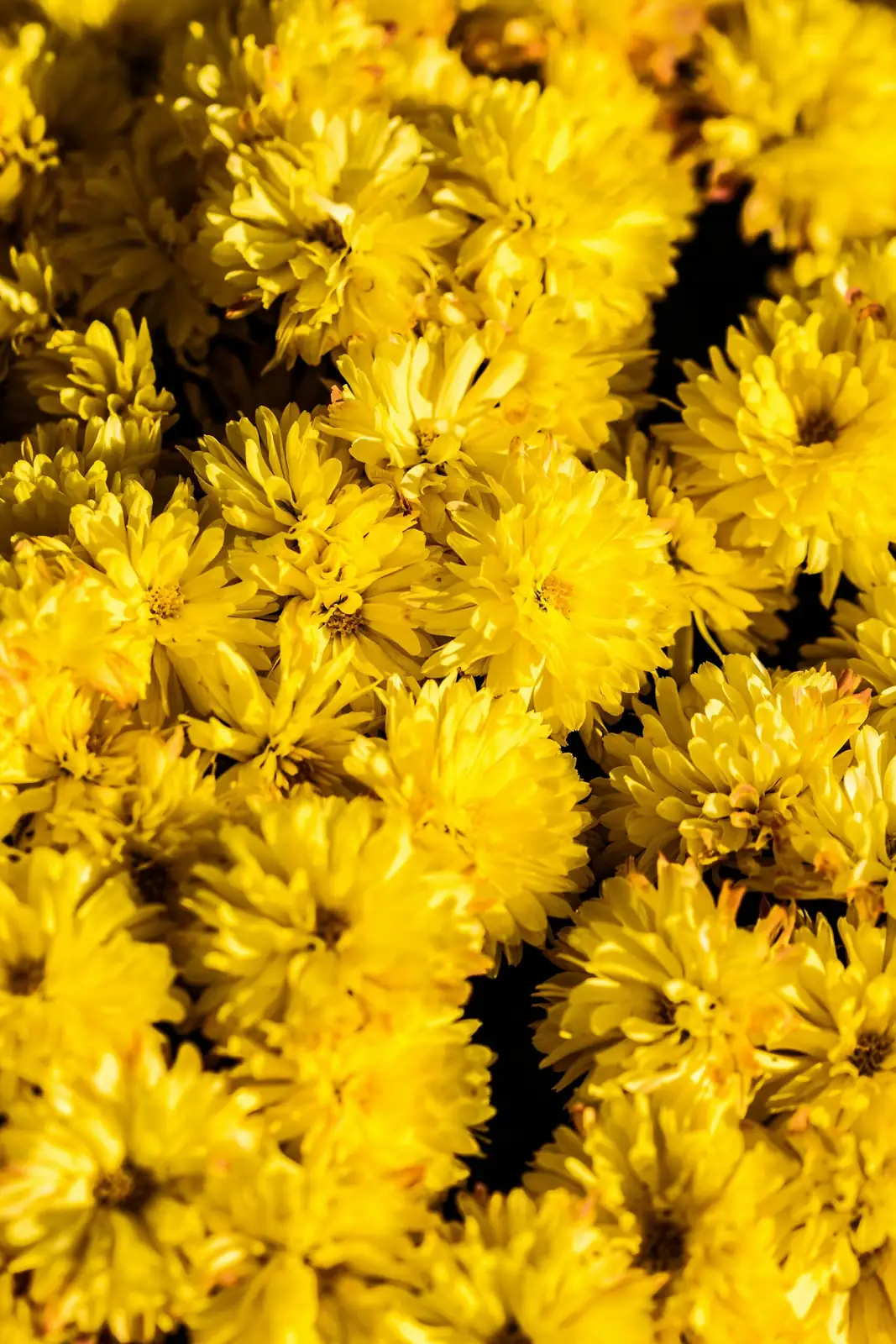
The flowers are small, star-shaped, and bright yellow—held in upright clusters above a mature rosette, most often in spring (early to late, depending on climate and light). They’re cheerful, like a skyful of tiny suns against the dark rosettes.
The Monocarpic Rosette Explained
Aeoniums are rosette-monocarpic. Translation: each rosette blooms once in its lifetime, then that rosette declines. The plant does not necessarily die—neighboring rosettes and offsets keep going, and often expand faster once the blooming rosette is removed.
- Will the whole plant die? Usually no—only the rosette that flowered.
- Can cutting off the flower stop the decline? No. Once a rosette commits to flowering, that rosette’s lifecycle winds down. Enjoy the show, then manage it smartly.
What To Do After Bloom
- Wait until the flowering rosette dries and weakens.
- Snip it out cleanly at the base to make room for side rosettes and light.
- Tidy any shriveled lower leaves on surrounding stems for airflow and a neat silhouette.
—
Pruning for Vigor and Balanced Branching
Pruning aeoniums is more “bonsai finesse” than brute force. Done right, it keeps clumps lively, compact, and well-lit.
The Best Time
- Late winter to spring: Prime time for shaping, beheading leggy stems, and encouraging new shoots.
- Avoid heavy cuts in peak summer heat, when the plant semi-dorms.
Tools and Technique
- Use clean, sharp pruners.
- To encourage branching (the classic “behead”):
- Select a leggy stem with a rosette.
- Cut just below the rosette, leaving a short stump (about 2–5 cm/1–2 in).
- The stump usually pushes multiple new shoots around the cut in a few weeks.
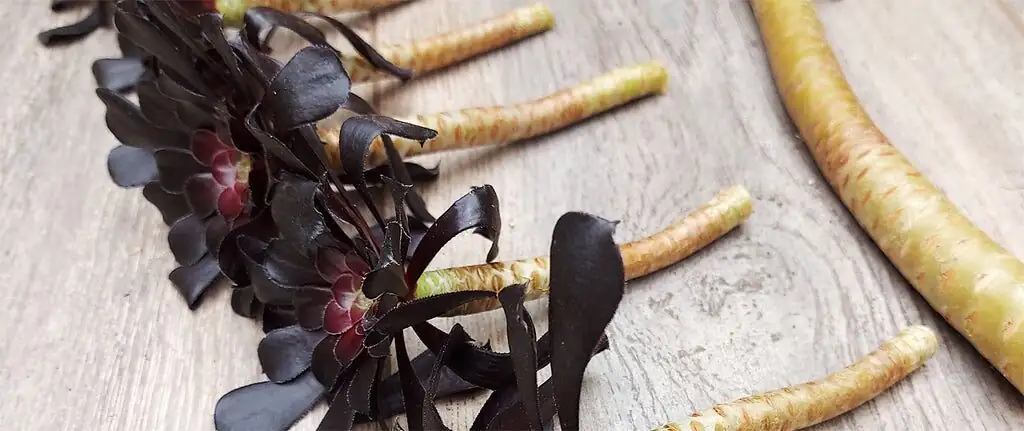
- The removed top becomes a cutting—root it for a fresh, compact start.
The “One-Third Rule” for Clumps
- In a single session, don’t remove more than about a third of the plant’s leafy mass.
- Stagger cuts across the clump to keep photosynthesis steady and prevent shock.
- Thin crowded interiors to let light reach lower stems, preventing bare, leafless “legs.”
Shaping Ideas
- Low, full mound: Behead several outer, leggy stems to encourage many new tips near the centerline.
- Mini-tree: Prune lower, weak side shoots and let a few main trunks carry showy rosettes; behead selectively to keep the canopy dense, not top-heavy.
—
Propagation: Quick and Rewarding
- Stem cuttings: Best method. Take a healthy rosette with a short stem. Let the cut end callus for several days in bright, indirect light. Insert into a dry, gritty mix; begin light watering only after roots form (often in 3–4 weeks).
- Offsets: Pot up small side rosettes as you tidy.
- Seeds: Possible in spring or autumn; surface-sow, keep around 20–22°C (68–72°F) with gentle moisture and ventilation. Germination often in 9–14 days.
—
Repotting and Refreshing
- When: Spring is ideal. Every 2–3 years, or sooner if the mix compacts or stays wet too long.
- How: Move up one pot size, refresh with fast-draining mix, and clean away dead basal leaves. After major pruning, hold watering a few days to let small wounds dry.
—
Seasonal Care Snapshot
- Autumn–spring: Main growth. Very bright light, water when the surface dries, feed monthly at half strength.
- Early spring: Watch for flower spikes; enjoy them, then remove the spent rosette once dry.
- Spring: Prune to shape; repot if needed.
- Summer: Bright light with protection from harsh midday sun behind glass; keep the mix nearly dry; only small sips if rosettes wrinkle.
—
Troubleshooting at a Glance
- Stretching/greening: Needs more light. Move closer to sun or add grow lights; rotate pot regularly.
- Scorch (white/brown patches): Sun too harsh, especially behind glass in heat. Filter midday rays.
- Wrinkled leaves in summer: Normal signal it wants a small drink—give a light sip, not a soak.
- Mushy leaves/stems: Overwatering or poor drainage. Unpot, trim rot, refresh in fast-draining mix, and water less often.
- Pests: Mealybugs, aphids (especially on flower stalks), whiteflies, and scale. Treat early with insecticidal soap or horticultural oil and repeat as needed. Improve airflow.
—
Safety Notes
Generally not listed as highly toxic, but the sap can irritate sensitive skin. Keep out of reach of pets and children, and wash hands after pruning if you’re sensitive.
—
Styling and Placement
- Indoors: Sunniest window, modern pots that echo its architectural form. Avoid closed terrariums—this plant prefers brighter light and better airflow.
- Outdoors (mild climates or summer displays): Patios, balconies, and Mediterranean-style planters. Morning sun or filtered south light gives rich color without scorch.
—
Buying Tips
Choose tight, symmetrical rosettes with firm, glossy leaves and a healthy, unblackened center. Avoid soggy mixes, mushy stems, and heavy scarring. Acclimate new plants to sun gradually for that deep, near-black sheen.
—
Flower Language and Symbolism
‘Zwartkop’ often symbolizes resilience and bold, modern elegance—those ink-dark rosettes look composed even through droughts and bright sun. As with most succulent “flower language,” these meanings are contemporary and culturally created rather than rooted in old folklore; they reflect how we experience the plant’s poise, architectural shape, and its dramatic cycle of renewal after a bloom.
—
Quick FAQ
- How do I keep it nearly black? Give it very bright light to sun, with protection from harsh midday rays in extreme heat. Cooler seasons deepen the color.
- Will it die after flowering? Only the rosette that blooms declines; the rest of the plant carries on. Remove the spent rosette once it dries.
- How often do I water it? In active growth, water deeply then allow the top to dry before watering again. In hot summer semi-dormancy, keep almost dry and give only small sips if it wrinkles.
- Can I grow it outdoors year-round? Only in mild, frost-free climates (roughly USDA Zone 10–11). Otherwise, grow it in a pot and bring it in for winter.
Master the bloom-and-prune dance, and your Black Rose Aeonium becomes more than a “black rose”—it’s a living sculpture that stays vigorous, branches beautifully, and now and then throws a shower of golden stars to keep you on your toes.