

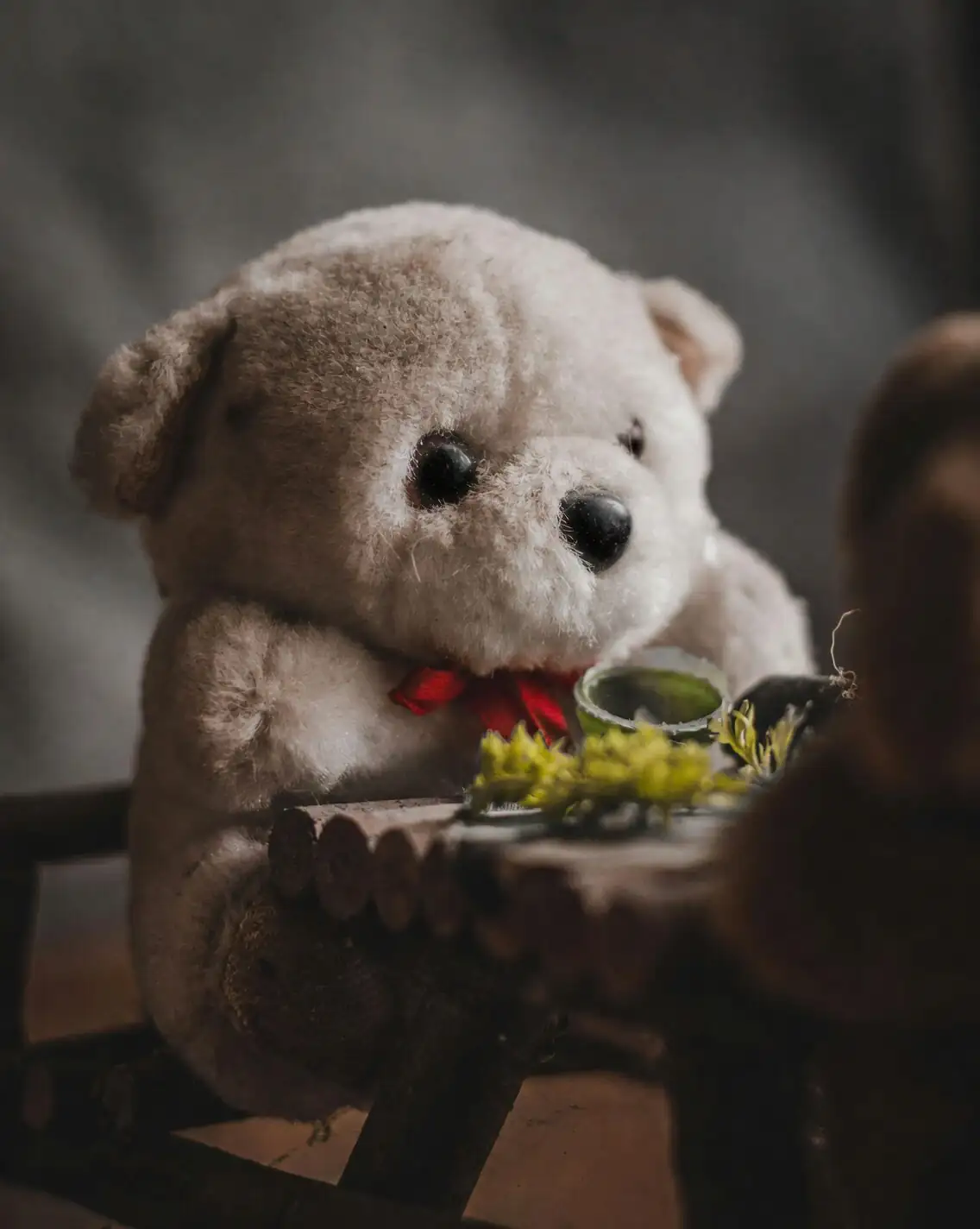
Think of the Bear’s Paw (Cotyledon tomentosa) as a little sofa for the soul: plush, warm, and impossible not to pet. Those chubby, velvety leaves—each tipped like a tiny red claw in strong light—make this Southern African succulent feel less like a plant and more like a pocket-sized companion. No wonder it’s become an icon of “comfort, warmth, and playful companionship” in modern flower language: a new wave of meaning that blossomed in Chinese succulent communities and spread through kawaii-style marketing worldwide. Let’s explore how that language took root—then put it to work in real life through smart gifting and feng shui placement—before diving into expert care that keeps your “paw” happy.
Meet Cotyledon tomentosa (Bear’s Paw): quick ID
- Family and origin: Crassulaceae; native to Southern Africa (especially South Africa).
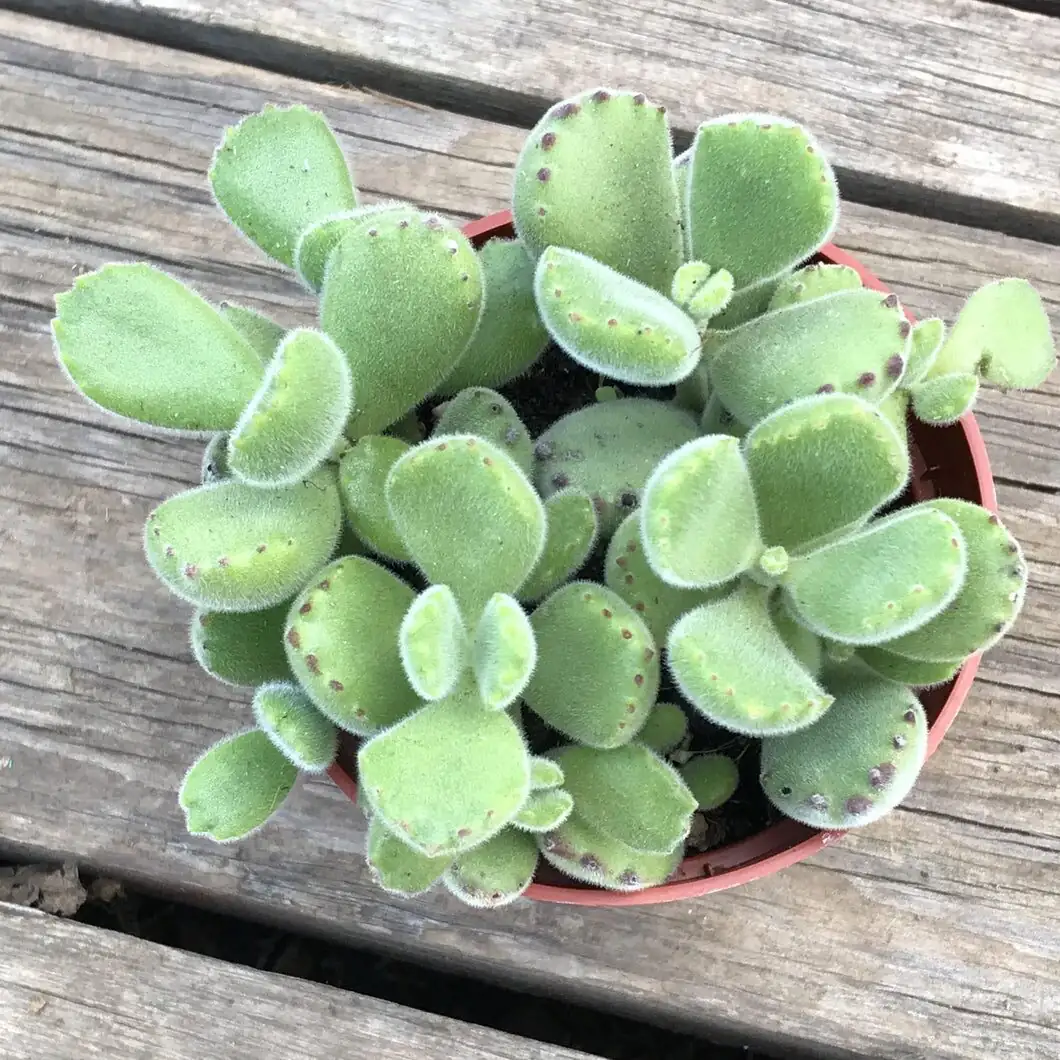
- Look and feel: Plump, grey‑green, paw-shaped leaves cloaked in short, velvety hairs; leaf tips are notched like toes and blush red with stronger light.
- Habit and size: A compact, branching succulent subshrub. In containers it’s commonly 10–20 cm (4–8 in) tall and 10–30 cm (4–12 in) wide; older plants can reach 20–50 cm (8–20 in).
- Pot fit: Many mature plants suit a snug 12–15 cm (5–6 in) pot with excellent drainage.
- Flowers: Small tubular, bell-like blooms (orange to coral/orange-red) held above the foliage; most likely with strong light plus a cooler, drier rest.
How a fuzzy succulent earned a new “flower language”
From Chinese succulent circles to kawaii culture
Classical Chinese symbolism assigns deep meanings to peonies, lotuses, and chrysanthemums. Bear’s Paw is different: its “flower language” (花语) is a fresh, community-made vocabulary. In the 2010s, Chinese succulent forums, social media, and online shops began tagging 熊童子 (Bear’s Paw) with words like “healing,” “warm,” “cute,” and “companion.” The paw-shaped leaves fit the kawaii aesthetic perfectly—soft, rounded, friendly—so brands and collectors amplified those traits in photography, packaging, and captions. The result is a modern, meme-ready symbolism shaped by how the plant makes people feel right now.
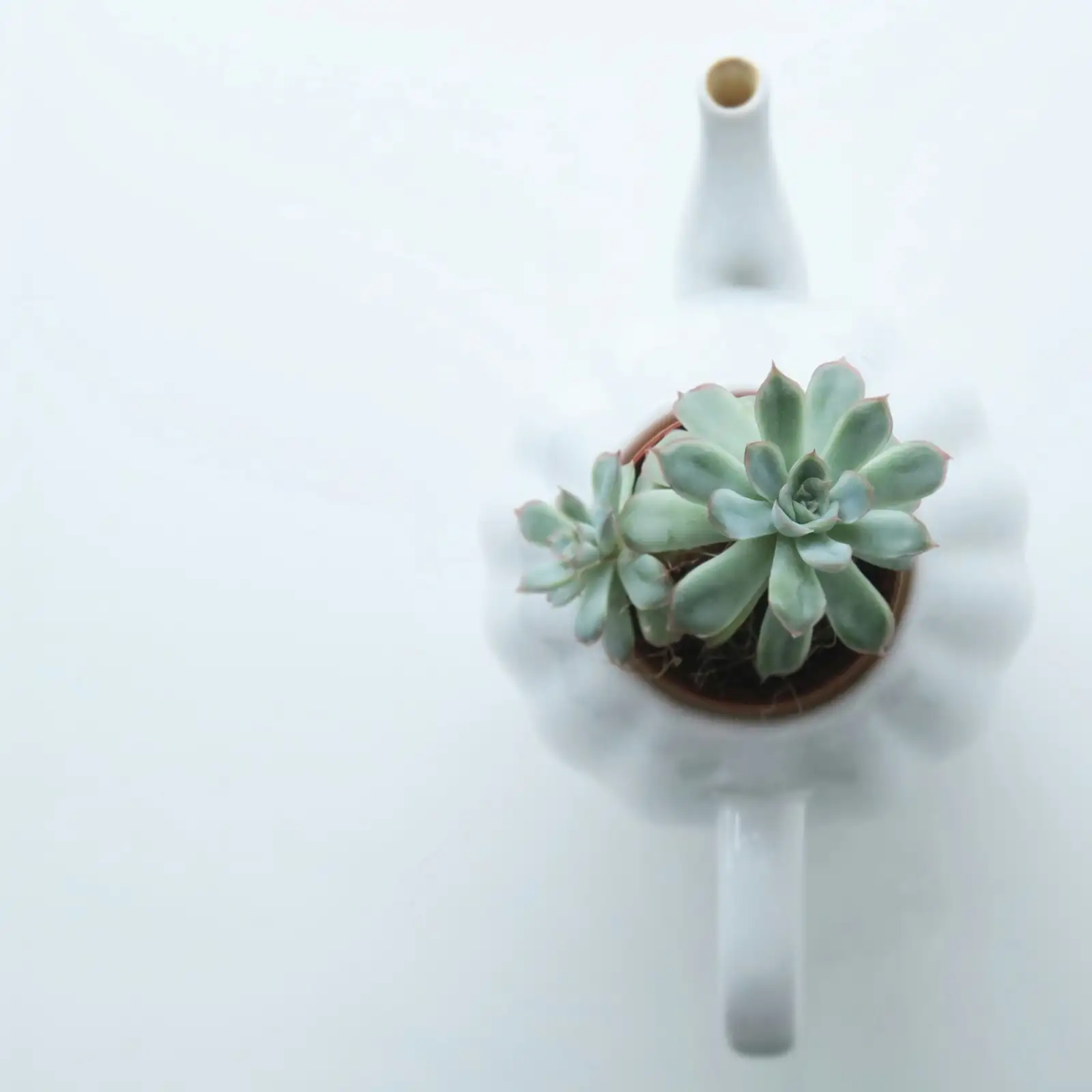
What Bear’s Paw now “says”
- Comfort: Velvety, palmable leaves that invite you to exhale and settle in.
- Warmth: Sun-kissed red “claws” on chubby leaves suggest cozy cheer rather than drama.
- Playful companionship: The plant grows into a tidy, branching mini-shrub—like a tiny buddy on the windowsill.
Consider this a living emoji: a plant that communicates mood and care, not centuries-old doctrine.
Gifting etiquette: sending a paw of comfort
Best occasions
- Housewarming or new office: Signals warmth and a soft landing in a new space.
- Friendship and thank-you gifts: A “little buddy” that keeps someone company at a desk or window.
- Encouragement and recovery: Gentle, upbeat presence during transitions or tough weeks.
- Celebrations with a cute twist: Birthdays, study milestones, or a first apartment.
Tip: If the recipient has curious pets or small children, include a safety note. Toxicity isn’t consistently documented for this species, so it’s safest to treat it as potentially irritating/toxic if ingested and to display it out of reach.
What to look for when buying
- Choose a compact, well-branched plant with firm stems and even fuzz.
- Avoid stretched, wobbly plants; soft/mushy spots; black patches; visible pests (whiteflies/mealybugs); or any sour smell from the pot (rot warning).
Presentation that lands the message
- Use a snug pot with a drainage hole and a gritty succulent mix.
- Add a care card (see cheat sheet below).
- Bonus: Variegated Bear’s Paw makes a delightful “special edition” gift—just note it grows slower and can be more sensitive to strong sun.
Suggested card line: “A soft paw for comfort, a tiny friend for everyday smiles.”
Feng shui with Bear’s Paw: soft, rounded energy
Bear’s Paw brings gentle, rounded forms and a velvety texture—visual cues of softness that translate to calming qi. Think nurturing rather than assertive.
Where it harmonizes best
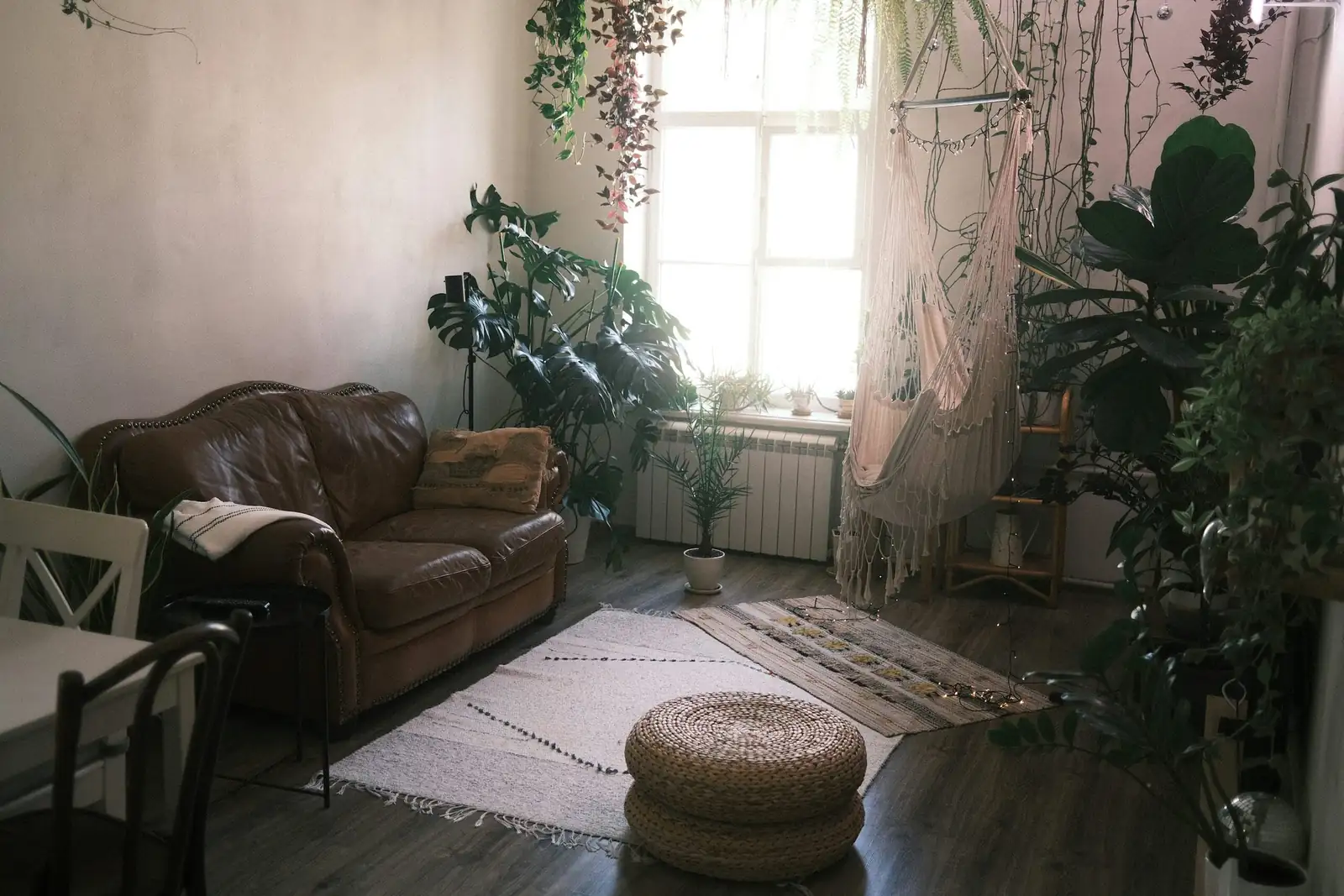
- Living room: Invites warmth and togetherness without overwhelming the space.
- Southeast area of the home or main room: Traditionally associated with wealth/abundance; Bear’s Paw’s steady, compact growth symbolizes comfortable, sustained prosperity.
- East area: Supports family/health themes with a friendly, low-stress presence.
Care-friendly alignment:
- Place it on a bright east- or south-facing windowsill with airflow. Morning sun plus bright indirect light later suits it perfectly.
- Avoid harsh, prolonged midday/afternoon scorch, cold drafts, and dark corners.
Feng shui-friendly habits
- Keep it tidy: Remove spent leaves and tip-prune for a plump, balanced silhouette (healthy plants circulate better energy).
- Rotate a quarter-turn every week or two for even growth.
- Water on a “soak and dry” rhythm to avoid stagnation; keep leaves dry and the air moving.
Care essentials (expert cheat sheet)
- Sunlight: Bright light with several hours of sun for best shape and red-tipped claws. Morning sun is ideal; acclimate gradually to stronger exposure. Provide good airflow.
- Temperature: Thrives around 18–24°C (64–75°F). Keep above 10°C (50°F) in winter; absolutely no frost.
- Humidity: Prefers low humidity and fast-drying conditions; keep extra dry in winter.
- Soil: Very free-draining cactus/succulent mix. Aim for a roughly 1:1 blend of organic potting soil and mineral grit (coarse sand, perlite, pumice, or grit). Always use a pot with drainage holes.
- Watering:
- Use “soak and dry”: water thoroughly, then wait until the mix dries well.
- Spring/Autumn: sparing water—prevent severe shrivel, never keep soggy.
- Summer heat: reduce watering; protect from heavy rain.
- Winter: keep almost dry; water lightly only if leaves begin to wrinkle.
- Avoid misting or wet leaves (velvet + water = spotting and rot).
- Fertilization: Light monthly feeds during active growth (spring to early autumn) with a diluted, low-nitrogen succulent fertilizer. Pause in winter or any time the plant is stressed.
- Pruning: Pinch tips around 15 cm (6 in) tall to encourage branching. Cut back leggy stems; refresh older plants every 4–5 years from healthy cuttings.
- Propagation: Stem cuttings are easiest. Take 5–7 cm (2–3 in) tips in spring or autumn, let callus, then set in a gritty medium. Roots in ~2–3 weeks at 18–22°C (64–72°F).
- Repotting: Spring, yearly or as the mix compacts. Most mature plants are happy in a 12–15 cm (5–6 in) pot.
- Hardiness: Not frost hardy. Generally for USDA Zone 10–11 outdoors year-round (some listings extend to 12 depending on warmth/dryness).
- Pests and diseases: Watch for root rot (wet soil) and leaf spot/rust in humid, still air. Keep foliage dry and air moving; treat mealybugs/whiteflies with insecticidal soap or horticultural oil as needed.
- Safety: Toxicity isn’t consistently documented—treat as potentially irritating/toxic if ingested. Keep away from pets and small children; wash hands after handling if you’re sap-sensitive.
Blooming and seasonal rhythm
- When it blooms: Spring and/or late summer into autumn, depending on clone and care.
- What helps: Strong light plus a cooler, drier rest period encourages those warm-toned, bell-like flowers.
Troubleshooting and quick answers
- Why is my Bear’s Paw leggy?
- It wants more light. Move it brighter (acclimate slowly), let the mix dry well between waterings, and feed lightly at most once a month during active growth.
- How do I get the little red “claws” on the tips?
- Provide stronger light and keep the plant on the dry side. Introduce sun gradually and keep good airflow to avoid scorch.
- How should I care for a new plant?
- Bright light with airflow (windowsill or sheltered balcony), water only after the mix dries, shade during extreme summer heat, and keep it warm and bright in winter (above 10°C / 50°F).
- Choosing a healthy plant?
- Short, sturdy, well-branched; plump, evenly fuzzy leaves; no mushy spots, black patches, pests, or sour-smelling soil.
Fun little facts
- Those soft hairs are miniature sun-shields that also reduce water loss.
- Water sitting on the fuzz can leave spots—aim for the soil, not the leaves.
- Variegated forms grow slower and sunburn more easily than green forms.
- With the right light and a drier winter rest, you’ll be rewarded with cheerful, bell-like blooms.
Putting the “language” into action
If you want to say “I’m here—warm, relaxed, and cheering you on,” gift a Bear’s Paw. Place it where life happens—on a bright living-room sill or in the southeast corner for a nudge of comforting prosperity. Keep it airy, sunny, and on the dry side, and it will keep speaking its modern dialect of comfort, warmth, and playful companionship for years to come.