

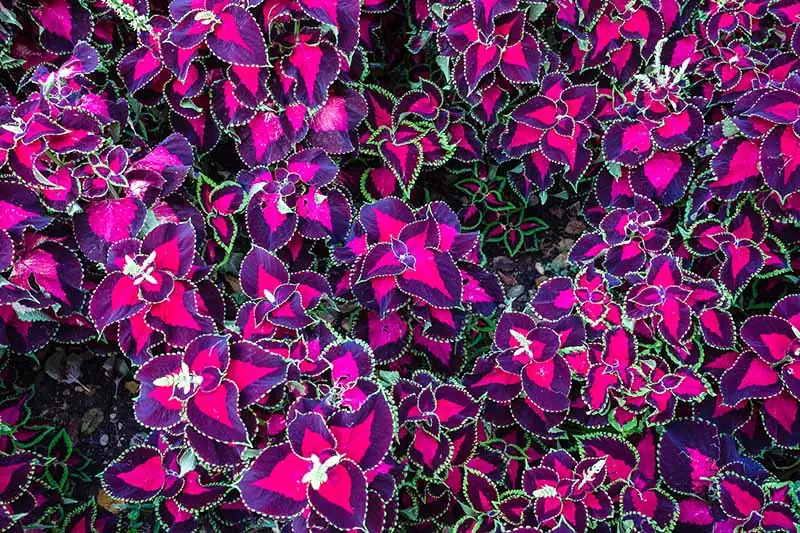
A Journey Through Time: The Enchanting Tale of Coleus
If plants were fashionistas, Coleus would be the show-stopping icon strutting down the botanical runway. Known for its flamboyant foliage, Coleus—or Plectranthus scutellarioides, as the scientists prefer—has a history as vibrant and varied as its leaves.
Origins in the Tropics
Picture a lush, tropical landscape in Southeast Asia, possibly Java, Indonesia, where our colorful protagonist first made its mark. This region, rich in biodiversity, provided the ideal conditions for Coleus to develop its stunning array of leaf colors and patterns. Its journey began here, but its allure soon caught the eye of European explorers and gardeners.
From Java to the Victorian Parlor
In the early 1800s, the plant was introduced to the Western world by the likes of Karl Ludwig Blume, who named it Coleus blumei. As it traveled across oceans and continents, Coleus found an adoring audience in Victorian-era England. The Victorians, known for their elaborate and ornate garden designs, embraced Coleus for its ability to transform gardens into living tapestries through the art of “carpet bedding.” Patterns of pure horticultural art were crafted by combining different Coleus varieties, creating vibrant displays best enjoyed from a bird’s-eye view.
The Taxonomic Tango
As if its physical transformation wasn’t enough, Coleus has danced through a complex waltz of scientific reclassifications. Originally labeled as Coleus blumei, it was later shuffled into the genus Solenostemon before being nestled into the broader Plectranthus genus. Recent taxonomic treatments have resurrected the Coleus name, yet the plant is scientifically recognized today as Plectranthus scutellarioides. Confusing? Perhaps. But this botanical identity crisis hasn’t dimmed its popularity; if anything, it adds a layer of intrigue to its story.
A Spectrum of Beauty
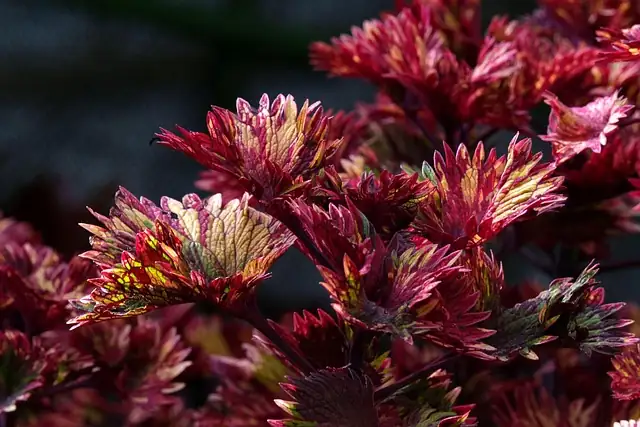
What makes Coleus truly captivating is its kaleidoscope of colors. Imagine leaves that blend lime green, blush pink, and deep burgundy with fiery orange and near-black. These vivid hues are not just for show; they reflect the plant’s adaptability and charm. Whether in a shady garden nook or a sun-drenched patio, Coleus thrives as a living canvas, eager to be shaped and pinched into lush, bushy forms.
The Modern Coleus Renaissance
Today, Coleus is experiencing a resurgence. Modern gardeners appreciate its ease of care and unparalleled ability to brighten any space—from mixed beds to hanging baskets and indoor pots. Selective breeding has even produced sun-tolerant varieties, defying the traditional notion that Coleus is solely a shade plant.
Tips for Cultivating Coleus

- Light and Temperature: While many varieties prefer part shade, some modern cultivars bask happily in full sun, given they receive consistent moisture. Indoors, position them near bright, indirect light.
- Soil and Water: Plant in rich, well-draining soil, and keep it evenly moist. Watch out for root rot, a common foe if the soil stays too soggy.
- Pinching and Propagation: Regular pinching encourages bushiness. Propagation is a breeze—simply snip a stem, root it in water or soil, and watch new life sprout.
A Word on Safety
Though a feast for the eyes, Coleus is not for nibbling. Its sap can irritate sensitive skin, and ingestion may upset pets’ stomachs. Exercise caution and enjoy its beauty from a respectful distance.
The Language of Leaves
In the symbolic realm, Coleus represents creativity and bold self-expression—an apt metaphor for its vibrant foliage and the joy it brings to gardens worldwide. Its historical ties to “desperate love” reflect the deep emotional connections people have forged with this plant over centuries.
Conclusion
Coleus isn’t just a plant; it’s a cultural icon with a rich tapestry of history and botanical intrigue. Whether you’re a seasoned gardener or a budding plant enthusiast, there’s something undeniably magnetic about Coleus—a living testament to nature’s artistry and adaptability. So, the next time you see a Coleus, take a moment to appreciate not just its colors, but the storied journey it represents.


