

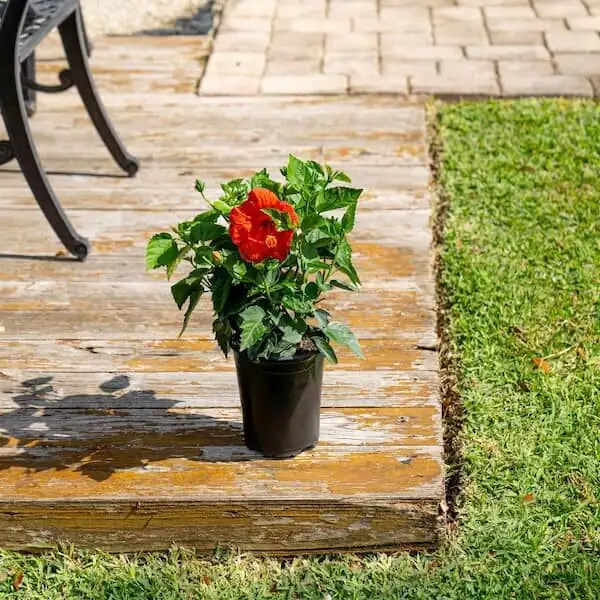
If your Chinese hibiscus (Hibiscus rosa‑sinensis) could text, every yellow leaf, dropped bud, or speckled frond would be a message. This troubleshooting playbook decodes those signals—linking visible symptoms to likely causes—and hands you quick, science-backed fixes and IPM steps to get those glossy leaves and show-stopping blooms back on track.
The baseline: Set conditions so problems never start
- Light: Full sun fuels big blooms. Indoors, give the brightest window you have; outdoors, choose a sunny, airy spot.
- Temperature: Thrives at 15–25°C (59–77°F). Keep it above 10°C (50°F). Around 5°C (41°F), leaves yellow and drop; frost can kill tender growth.
- Humidity: Prefers moderate to high. Use a humidity tray or occasional misting (avoid keeping leaves constantly wet).
- Soil and pot: Rich, fertile, free-draining, slightly acidic mix (loam or garden soil + peat/coco + coarse sand/perlite).
- Watering rhythm (containers): Keep evenly moist but never soggy.
- Spring: ~2×/week
- Flowering period: ~3×/week in sunny, ventilated spots
- Peak summer: about every 2 days
- After moving indoors in autumn: ~2–3×/week; at 12–15°C (54–59°F), ~1×/week may suffice
- Winter in warm rooms: ~2–3×/week as needed
- Feeding: Heavy feeder. Every 2 weeks in the growing season with a balanced-to-blooming fertilizer (e.g., similar to 15‑15‑30). Reduce in autumn; stop in winter.
- Pruning: Pinch tips at ~20 cm (8 in) to branch; prune after a bloom flush to set more flowering shoots.
- Not frost-hardy: Suited to frost-free climates (roughly USDA 10–12) or as a container plant you can protect.
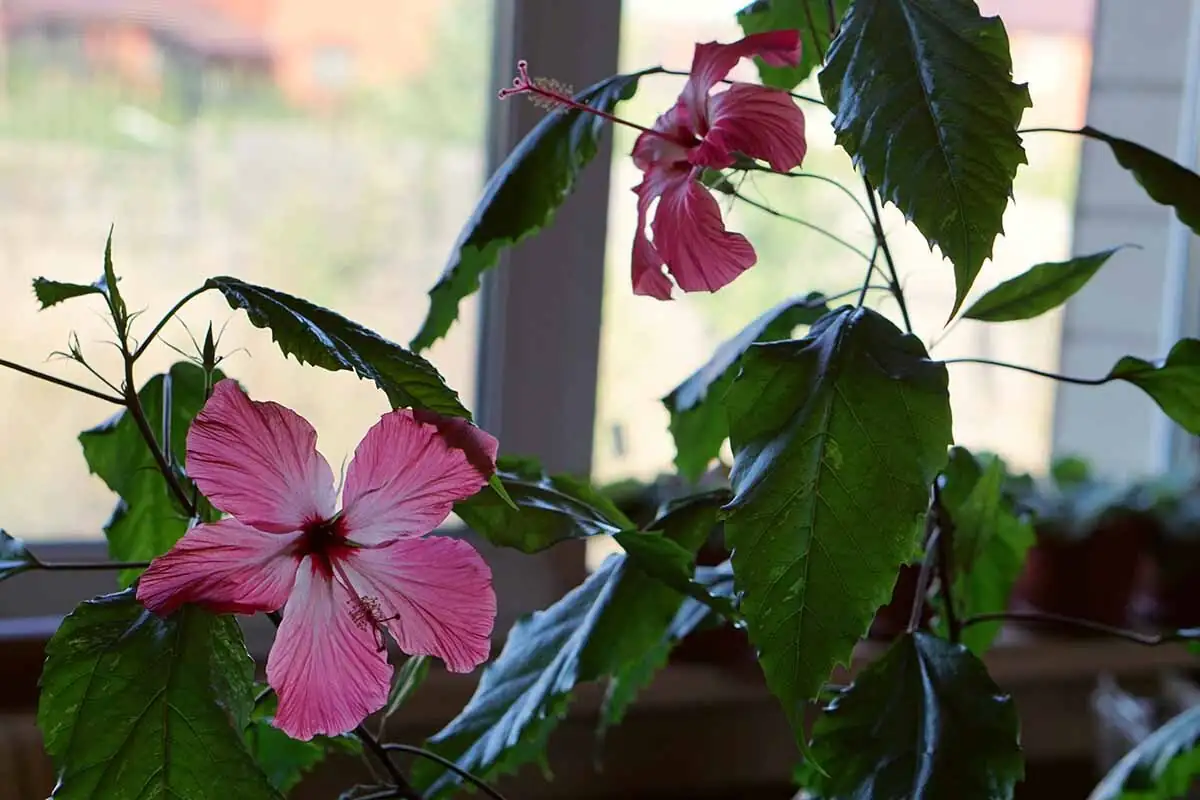
Symptom-to-cause map (fast triage)
- Sudden yellowing and leaf drop
- Likely causes: Cold snap; overwatering/root stress; spider mites (fine stippling); leaf spot (distinct spots); drought followed by a drench.
- Buds yellow, shrivel, or drop before opening
- Likely causes: Drought or erratic watering; cold nights/temperature swings; low light; underfeeding during bud set.
- Wilting despite wet soil, sour smell, or black/brown roots
- Likely cause: Overwatering/root rot.
- Pale new leaves with greener veins (interveinal chlorosis)
- Likely cause: High pH or nutrient lockout (iron, micronutrients).
- Fine yellow stippling, dusty look, or silky webbing under leaves
- Likely cause: Spider mites (thrive in hot, dry, dusty air).
- Sticky leaves, ants visiting, or sooty black mold on foliage
- Likely causes: Aphids or scale excreting honeydew.
- Raised bumps on stems/leaves that don’t wipe off easily
- Likely cause: Scale insects.
- Round brown/black leaf spots, often with yellow halo, followed by drop
- Likely cause: Leaf spot disease (favored by stagnant, wet foliage).
- Tiny, short-lived blooms or few flowers
- Likely causes: Not enough sun; underfeeding during bud and bloom time.
Rapid-response recipes: Fixes that work
Cold snaps and chill stress
- Move to a location kept above 10°C (50°F); ideal is 15–25°C (59–77°F).
- Protect outdoor plants from sudden cold with covers; bring containers in before cool nights.
- Water a bit less while the plant is cool; resume normal care once warmth returns.
- Expect some leaf drop; prune lightly only after new growth resumes.
Drought and moisture swings
- Rehydrate thoroughly: water until it runs from the drainage holes, then let excess drain away.
- For severe dryness, bottom-water: set the pot in a tray for 20–30 minutes, then drain.
- Keep moisture steady—avoid the bone-dry to waterlogged cycle that triggers bud drop.
Overwatering and root rot
- Unpot and inspect: trim mushy, dark roots with sterile shears.
- Repot into a free-draining, slightly acidic mix with added perlite/coarse sand; ensure the pot has open drainage.
- Water when the top 2–3 cm (about an inch) is dry; never let the pot sit in a saucer of water.
High pH and nutrient lockout (chlorosis)
- Switch to slightly acidic irrigation and a bloom-leaning fertilizer during growth.
- Apply a chelated iron drench to correct iron deficiency quickly, then correct the root cause (soil pH).
- Repot if the mix is exhausted or alkaline; include peat/coco and perlite for structure and acidity.
Spider mites (the dry-air villains)
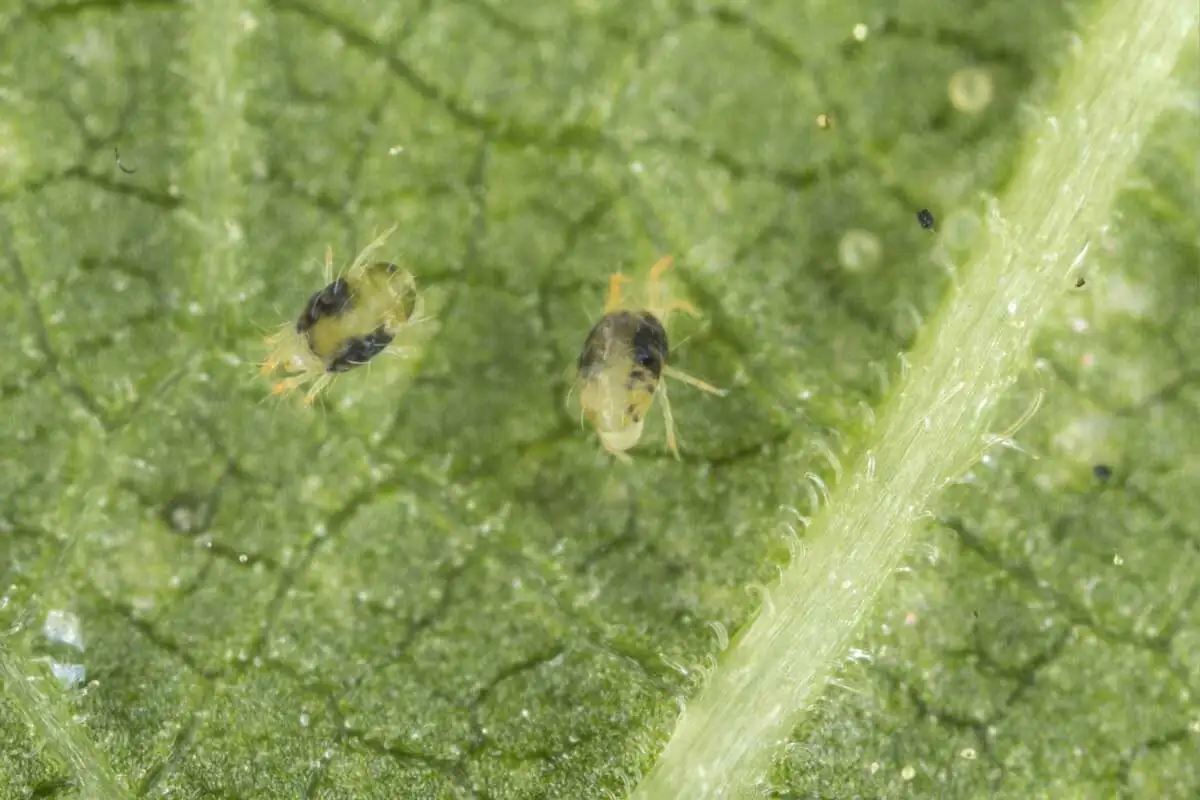
- Identify: fine stippling, dusty look, tiny webbing under leaves; mites are tiny and hard to see.
- Quick knockdown
- Rinse: take plant to shower/sink and spray leaf undersides thoroughly. Repeat every 3 days for 1–2 weeks to break the 3–7 day egg-to-adult cycle.
- Follow with horticultural soap or oil (always follow label; test a leaf first). Thorough coverage matters.
- Cultural and biological aids
- Raise humidity (tray/grouping) and increase airflow; avoid chronically dusty foliage.
- Isolate infested plants.
- Consider beneficials: predatory mites or lady beetles (best outdoors/greenhouses).
- Prevention: weekly leaf checks, especially in hot, dry weather.
Aphids
- Identify: clusters of soft, pear-shaped insects on tender tips and buds; honeydew and ants.
- Quick knockdown: hard water spray/hand-squish; follow with horticultural soap.
- Follow-up: repeat in 5–7 days; prune heavily infested tips; control ants outdoors (they farm aphids).
- Biologicals: lady beetles and lacewings outdoors; avoid broad-spectrum sprays that kill helpers.
Scale insects
- Identify: dome-like, immobile bumps; honeydew may be present.
- Quick knockdown: dab individuals with isopropyl alcohol on a cotton swab; gently scrape if needed.
- Whole-plant approach: horticultural oil applications (thorough coverage, repeat after 7–10 days to smother crawlers).
- Prune out heavily infested twigs.
Leaf spot (and heavy leaf drop)
- Triage: remove and discard affected leaves; clean fallen debris.
- Culture: water at the soil line, not over foliage; water early in the day; improve spacing and airflow.
- Sanitation: sterilize tools between cuts; avoid late-day leaf wetting.
- If it persists: consider an appropriately labeled treatment; always follow local guidance and labels.
Small or short-lived blooms
- Move to stronger light (full sun outdoors) and resume a steady feeding rhythm every 2 weeks in the growing season.
- Keep moisture even; avoid letting buds dry out between waterings.
- Pinch lightly after a flush to promote more flowering shoots.
Integrated Pest Management (IPM) for hibiscus, made simple
- Monitor: inspect undersides of leaves and new growth weekly; sticky cards help with flying pests.
- Quarantine: keep new or returning (post-outdoor) plants separate for 2–3 weeks.
- Culture first: strong sun, warmth, steady moisture, clean foliage, and decent humidity keep pests at bay.
- Mechanical controls: hose rinses, pruning of infested tips, hand-removal of scale.
- Least-toxic chemistries: horticultural soaps and oils; ensure full coverage and repeat per label.
- Biologicals: beneficial insects/mites outdoors or in controlled environments.
- Rotate and time: alternate product modes of action as needed; treat in early morning/evening; repeat to catch new hatchlings.
- Protect pollinators: avoid spraying open blooms; target pests directly.
- Clean-up: remove honeydew and sooty mold with a damp cloth after pests are controlled.
Seasonal playbook (what to do, when)
- Spring
- Increase watering; restart feeding every 2 weeks.
- Pinch tips to build a compact, branchy plant.
- Repot yearly in spring; 15–20 cm (6–8 in) pots suit small specimens.
- Summer
- Maximize sun and ventilation; water frequently (often every 2 days in heat).
- Scout weekly for spider mites and scale—hot, dry spells favor both.
- Autumn
- Reduce fertilizer to avoid soft growth.
- Bring containers indoors before nights approach 10°C (50°F).
- Adjust watering to slower growth; keep bright light indoors.
- Winter
- Brightest window or sunny room; keep above 10°C (50°F).
- Water sparingly but don’t let the rootball go bone-dry.
- Expect slower growth; resume stronger care as days lengthen.
Quick growth notes that boost blooming
- Habit and pruning: This bushy shrub responds enthusiastically to tip-pinching and light pruning after a bloom flush—your shortcut to more flowers.
- Size and training: In containers, keep around 50 cm (20 in) tall for easy care and heavier blooming.
- Propagation: Soft tip cuttings root in 18–25 days with warmth and high humidity; grafting is common for fancy doubles.
Safety, pets, and people
- Generally considered non-toxic to people and pets, though the sap may mildly irritate sensitive skin. It’s still wise to discourage chewing.
A brief note on meaning and gifting
- Across many cultures, hibiscus is linked with a thriving home and cheerful prosperity—likely because a well-cared-for plant blooms generously for long stretches, signaling abundance. In some gifting traditions, single-flowered forms congratulate success and family flourishing, while double-flowered forms lean romantic, hinting at tenderness and thoughtfulness. As with most “flower language,” these associations are cultural stories, not botany—beautiful, situational, and best shared with a matching sentiment.
Name-check and origins
- Hibiscus rosa‑sinensis goes by Chinese hibiscus, Rose of China, Hawaiian hibiscus, Shoe Flower, and Tropical hibiscus. It’s native to tropical Asia and now adored wherever warm sun and frost-free climates allow—or in bright containers you can wheel into the limelight.
The bottom line
Read the plant’s signals, match the symptom to the cause, and act fast with gentle, repeated measures. Keep conditions warm, bright, and evenly moist, feed regularly in season, and patrol for pests in hot, dry spells. Do that, and your hibiscus will repay you with glossy leaves and bloom after spectacular bloom.