

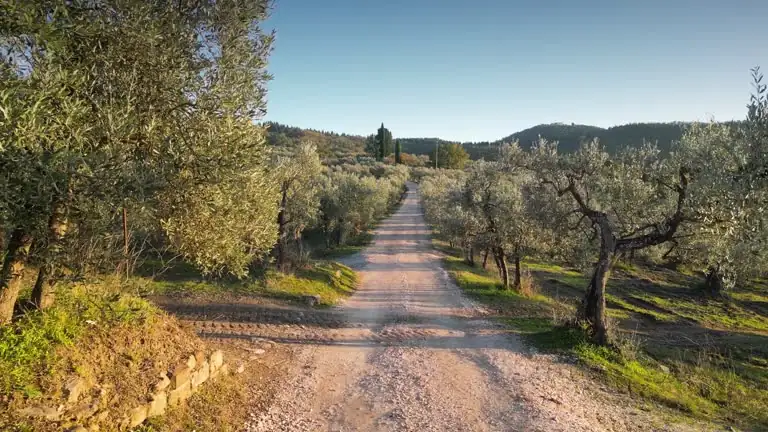
Imagine standing in a sun-drenched Mediterranean grove, with the gentle rustle of silvery-green leaves whispering stories of ancient times. The Olive Tree, or Olea europaea, isn’t just a plant; it’s a symbol of peace, wisdom, and resilience. This beloved evergreen can thrive for generations, and with the right propagation techniques, you can cultivate your own thriving olive grove. Let’s embark on this botanical journey and explore the fascinating world of olive tree propagation.
Propagation: The Art of Growing Your Own Olive Trees
Whether you’re a seasoned gardener or a green-thumbed novice, propagating olive trees offers a rewarding experience. Not only does it allow you to grow your own grove, but it also lets you preserve cherished varieties and save on buying new plants. Here’s how you can turn a single olive tree into an entire orchard.
Method 1: Propagation by Cuttings
Cuttings are the most popular way to clone olive trees, ensuring the new plant retains the genetic makeup of its parent. This method is akin to nature’s way of passing down heirlooms. Here’s how you can do it:
- Select Your Cuttings: Choose a 12 to 14-inch length from a two-year-old branch of a healthy olive tree. The cutting should be about 1 to 3 inches thick.
- Prepare Your Cuttings: Strip away leaves from the lower half and dip the cut end in a rooting hormone to encourage growth.

- Planting: Insert the cutting into a light, well-draining medium. Keep it moist, but not waterlogged, and place it in a warm, sheltered place.
- Patience is Key: Over the next few months, keep an eye for new growth, a sign that roots are developing.
Cuttings generally take about four years to start bearing fruit, which is faster than growing from seed—seedlings can take up to 15 years to mature!
Method 2: Propagation by Grafting
Grafting is another technique, ideal for those who wish to grow multiple olive varieties on a single tree. This method combines parts of two plants to grow as one:
- Choose Your Scion: Select a healthy branch from the desired olive variety. This will become the new top of your tree.
- Prepare the Rootstock: The rootstock, often a wild olive tree or a seedling, should be robust. Cut it about 5 cm above ground level.
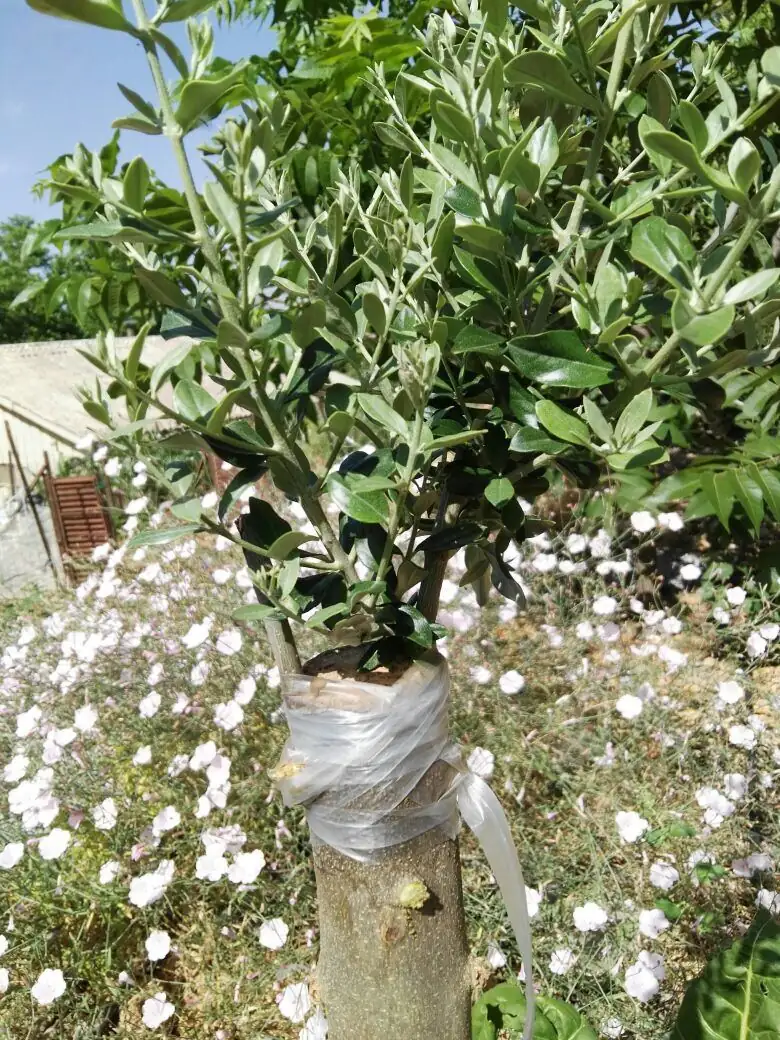
- Grafting Process: Insert the scion into the rootstock with as much contact surface as possible. Seal the grafting site with wax to protect it and encourage healing.
- Nurture and Monitor: Once grafted, the scion should sprout within days, leading to a new tree that combines the rootstock’s hardiness with the scion’s desirable traits.
Additional Techniques: Layering and Suckers
- Layering: This involves bending a low-growing branch to the ground and covering it with soil, encouraging it to root while still attached to the parent tree. Once rooted, it can be severed and transplanted.
- Suckers: These are shoots that grow from the base of a mature tree. Transplanting suckers can be a quick way to propagate, though grafting may be necessary if they arise from a seedling rootstock.
Olive Tree Care: Setting Up for Success
Regardless of the propagation method you choose, caring for your young olive trees is crucial. Here are some care tips to ensure your olive trees thrive:
- Sunlight: Olive trees crave full sun, needing at least 6–8 hours of direct light daily for optimal growth and fruiting.
- Watering: Newly propagated trees require consistent watering to establish roots. Once established, olive trees are drought-tolerant, needing deep watering every few weeks during dry spells.

- Soil: Well-draining soil is vital. Olives thrive in loamy, gravelly, or sandy soils and can tolerate slightly alkaline conditions.
- Pruning: Prune thoughtfully, especially after harvest, to remove dead or crowded branches and encourage light and airflow. Remember, olives fruit on the previous year’s growth.
Embracing History and Tradition
The olive tree is more than just a plant; it’s a living piece of history. From ancient Greece to modern kitchens, it has been revered for its fruit, wood, and symbolic value. By propagating olive trees, you’re not just planting a tree; you’re cultivating a legacy that can last for generations.
So, grab your gardening gloves and embrace the rewarding journey of olive tree propagation. Whether you’re cloning a beloved tree or experimenting with new varieties, your Mediterranean oasis awaits!


