

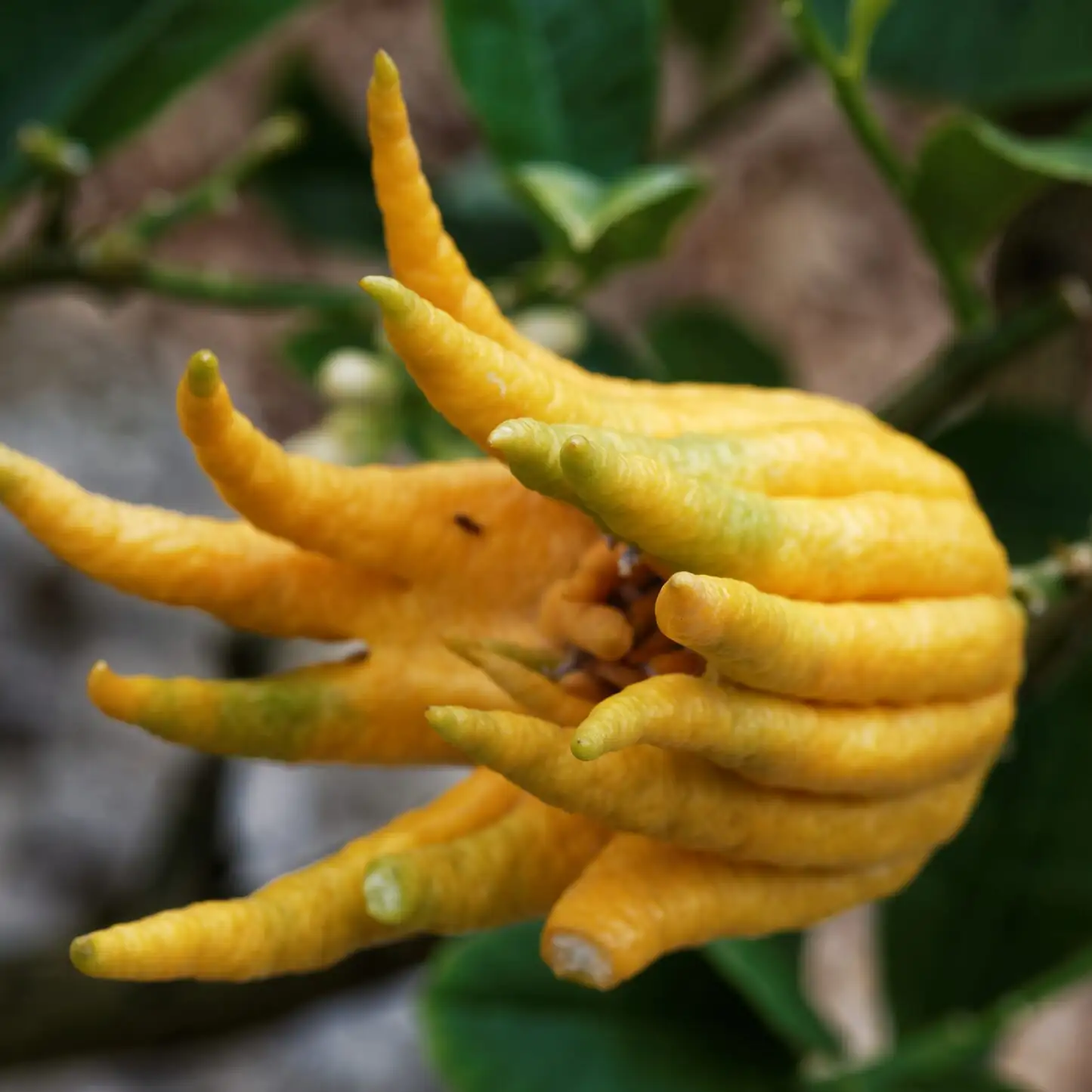
If a citrus could wave hello, this would be the one. Buddha’s Hand citron greets you with perfumed “fingers” and an almost absurd amount of charm. And yes—you can absolutely keep those fingered fruits fragrant and firm all season. The trick is a confident rhythm of watering, bright-but-gentle light, and a free-draining, slightly acidic mix. Nail those three, and the rest feels easy.
Meet Buddha’s Hand Citron (Citrus medica var. sarcodactylis)
- Family: Rutaceae (the citrus family)
- Origin: Tropical regions of China and India
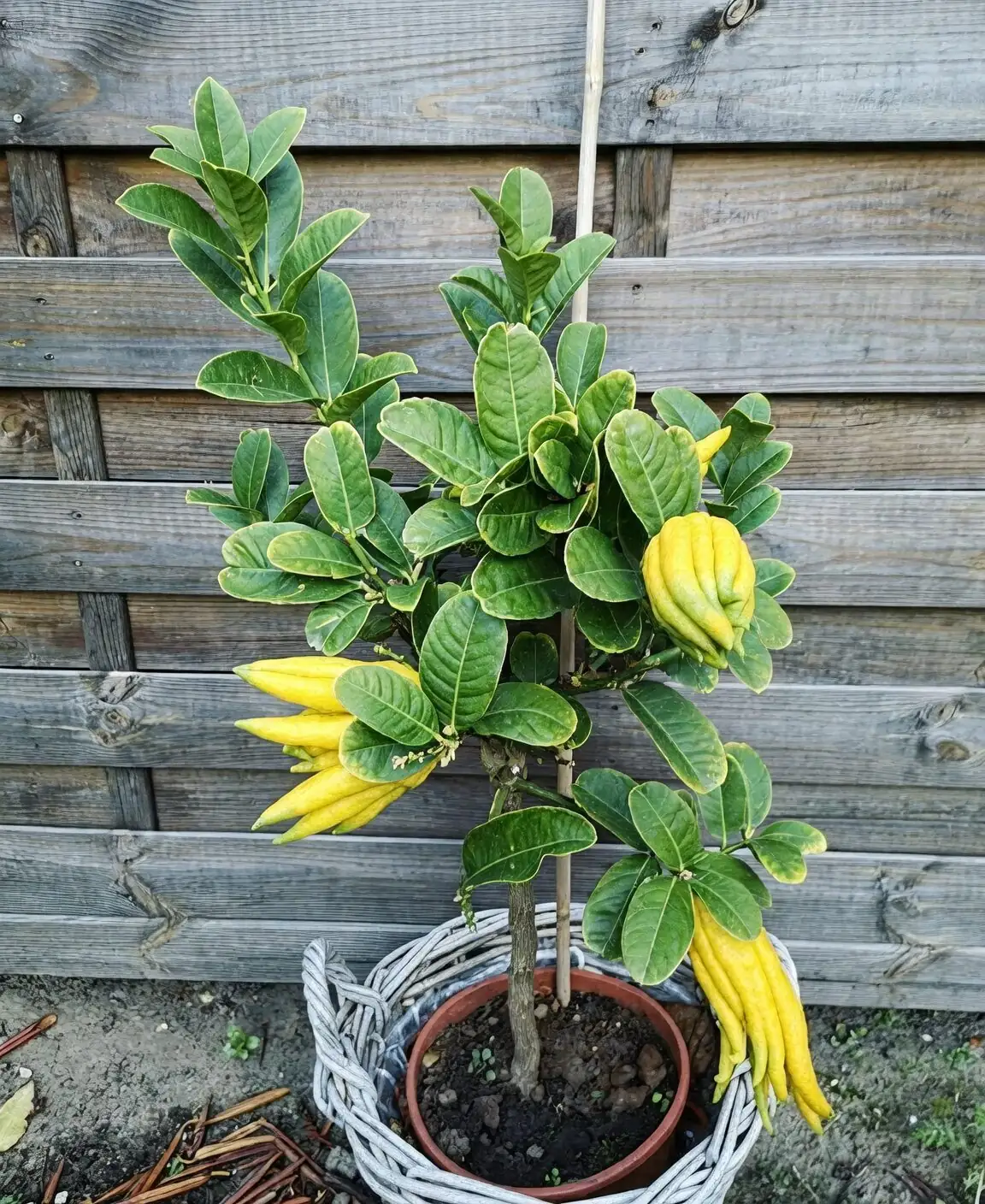
- Habit: Evergreen, woody shrub with irregular branching; ideal as a container citrus
- Typical container size: About 60–150 cm (2–5 ft) tall and similarly wide with pruning
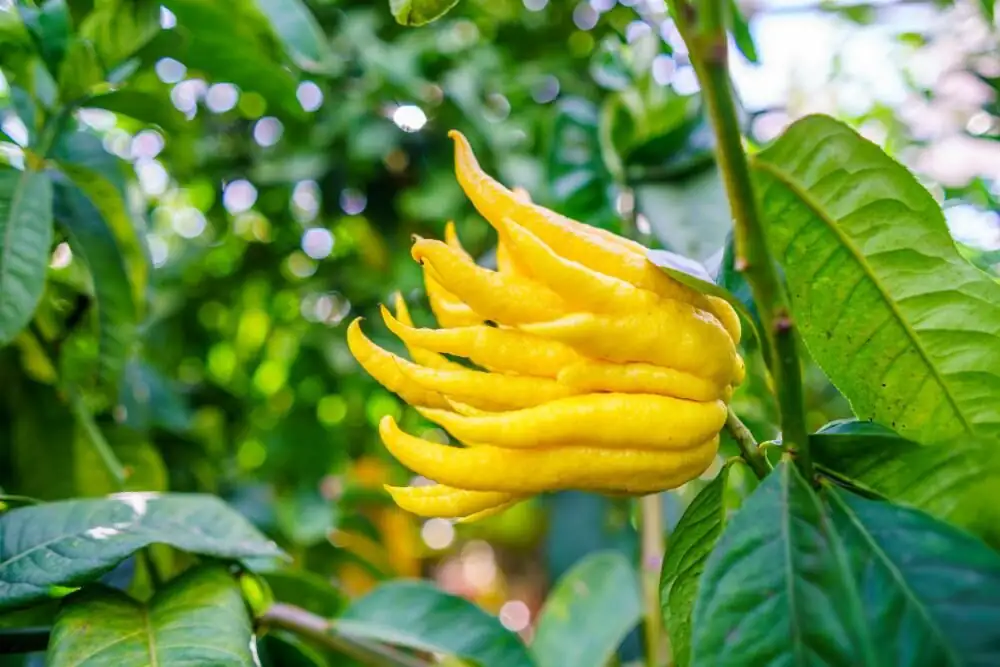
- Why grow it: The wildly fragrant, bright yellow fruits shaped like clustered “fingers,” sweetly scented blossoms, and a winter show that perfumes the room
- Use: Ornamental and aromatic; the rind is edible and superb for zest, candying, and perfuming
The three pillars of success: water, light, and mix
1) Watering timing is make-or-break
Buddha’s Hand dislikes both drought and waterlogging. Your mantra: water when nearly dry, then water deeply.
How to read “nearly dry”
- Top test: Let the top 2–3 cm (about an inch) of mix begin to dry before you water again.
- Lift test: Lift the pot—light = time to water; heavy = wait a bit longer.
- Probe test: A wooden chopstick or moisture probe inserted halfway should come out just slightly damp, not wet.
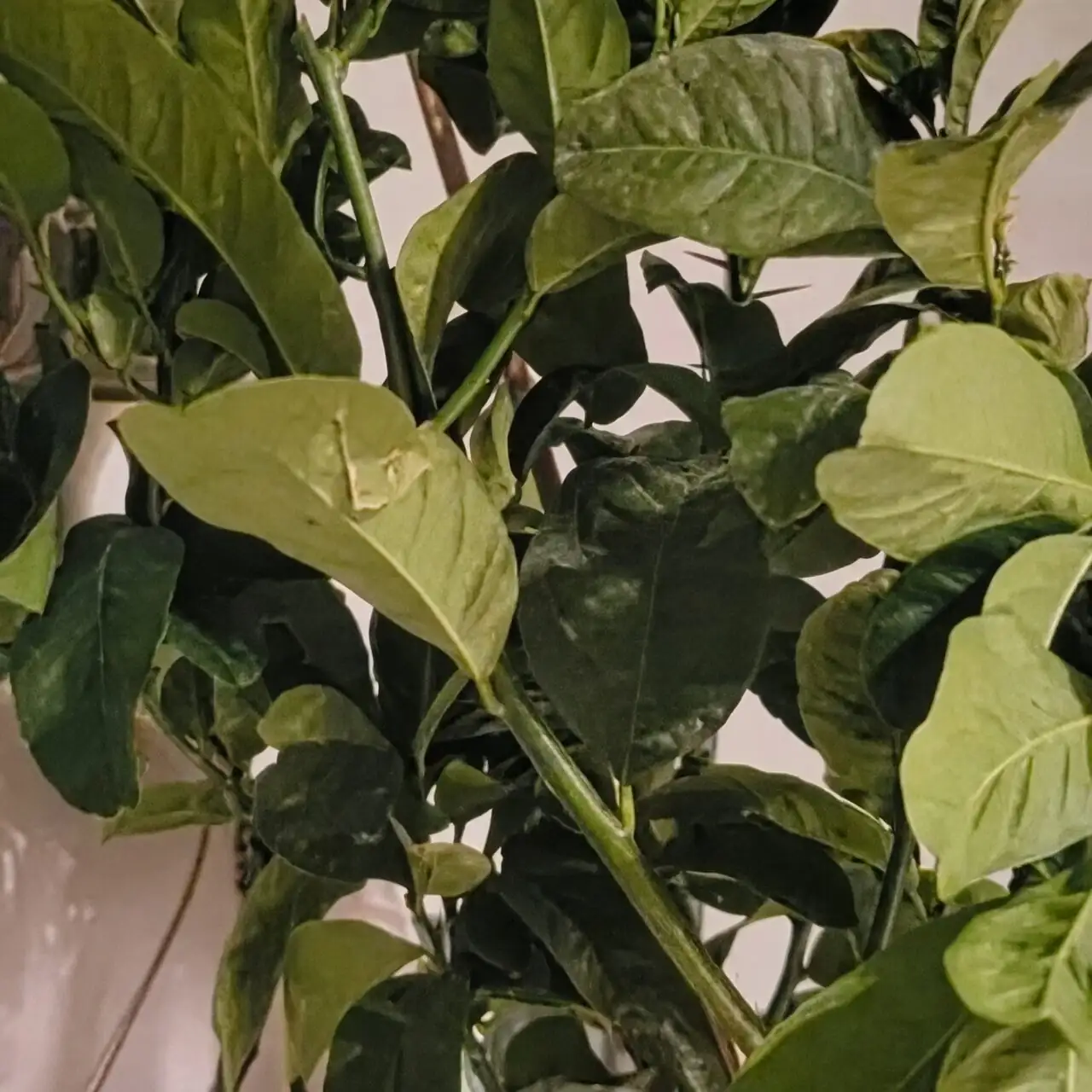
- Visual cues: Leaves that cup upward and a dulling green color often signal thirst; limp, yellowing leaves or sudden fruit drop often signal overwatering.

Seasonal rhythm
- Spring–summer (active growth): Keep the mix lightly and consistently moist—never soggy. In hot spells, don’t let it dry out completely.
- Fruiting period: Reduce watering slightly and be strict about drainage; wetter roots during fruiting invite leaf/fruit drop and dilute fragrance.
- Winter (cool indoor display): Allow the mix to dry a little more between waterings; water sparingly but don’t let it go bone-dry for long.
Non-negotiables
- Water thoroughly until excess drains out, then empty the saucer immediately.
- Never leave the pot standing in water. Waterlogging is the fastest route to leaf and fruit drop.
A simple routine to start
- Check moisture every 2–3 days in summer, weekly in winter.
- When watering is due, soak thoroughly; then wait for “nearly dry” again.
- In dry indoor air, occasional light misting can help reduce leaf drop (avoid misting flowers).
2) Bright-but-gentle light
Think generous light without harsh midday scorch.
- Best spots: East- or south-facing windows with good airflow. Outdoors, give bright sun with light noon shade in midsummer to prevent leaf scorch.
- Not shade tolerant: Low light = leggy growth and fewer, misshapen fruits.
- Rotate the pot a quarter turn weekly for balanced growth.
- In winter: A bright, cool spot (about 5–12°C / 41–54°F) helps hold fruit color and fragrance while reducing stress.
3) Free-draining, slightly acidic mix
Roots want air as much as water.
- DIY blend: Loam-based potting soil + leaf mold or compost + coarse sand (or pumice/perlite) for drainage. Aim for a slightly acidic reaction; avoid alkaline media.
- Pot choice: A container around 30 cm (12 in) diameter with wide drainage holes; terra-cotta or breathable pots make it easier to avoid sogginess.
- Top tip: Never let fines clog the drainage layer. Use a consistent, coarse component (pumice or sharp sand) throughout the mix rather than a separate “pebble layer.”
Temperature, humidity, and placement
- Growth sweet spot: 22–28°C (72–82°F)
- Cold caution: Damage can occur below about 4°C (39°F); avoid cold drafts.
- Heat stress: Prolonged indoor highs above 35°C (95°F) are stressful—add airflow and midday shade outdoors during heat waves.
- Humidity: Typical household humidity is usually fine; extra humidity helps reduce leaf drop in dry, heated rooms.
- Seasonal placement: Outdoors in warm seasons with bright sun and midday shade; indoors for winter at 5–12°C (41–54°F) in bright light.
Feeding for fragrance, foliage, and fruit
- Year 1 after potting: Skip fertilizer to let roots establish.
- Year 2: Feed about every 2 weeks during active growth with a citrus fertilizer or a balanced formula that includes micronutrients.
- Year 3 onward:
- Pause feeding when flower buds first appear.
- After fruit set, feed about weekly during active growth.
- Water-to-waste occasionally (a deep flush) to prevent salt buildup in containers, especially when feeding regularly.
Pruning and thinning for show-stopping fruit
- Flowering pattern: Multiple flushes in warm conditions; main flushes in spring and summer.
- Thinning strategy: Lightly thin spring flowers and keep more of the summer bloom for better fruit quality.
- Fruit load: For show-quality fruit, aim for about one fruit per branch; remove extras.
- Structural pruning:
- Early spring (before new growth): Remove crowded shoots, weak branches, and overly vigorous water sprouts. Preserve shorter fruiting spurs.
- Summer: Light pruning to shape and improve airflow.
- Autumn: Keep strong autumn shoots; they often become next year’s fruiting wood.
- Safety: Branches can be thorny—use gloves and clean, sharp tools.
Repotting and root care
- Timing: About every 2 years in early spring.
- Method: Refresh with a free-draining, slightly acidic mix; lightly trim top growth to balance any root reduction.
- Size: Container-grown plants usually thrive kept compact (about 60–150 cm / 2–5 ft). A moderate pot avoids waterlogging and helps you control watering more precisely.
A seasonal playbook
- Spring
- Repot (every ~2 years) and prune before bud break.
- Strengthen light gradually if moving outdoors.
- Begin regular feeding in established plants.
- Summer
- Provide bright sun with midday shade in extreme heat.
- Keep evenly moist; don’t allow drought.
- Light pruning for shape and airflow; thin fruits to one per branch.
- Autumn
- Preserve healthy autumn shoots as next year’s fruiting wood.
- Maintain bright light; reduce watering frequency slightly as growth slows.
- Winter
- Peak ornamental season indoors.
- Keep in a bright, cool spot (5–12°C / 41–54°F).
- Water sparingly; never let the pot sit in water—especially while fruiting.
Troubleshooting: keep those “fingers” firm
- Sudden fruit or leaf drop
- Common causes: Waterlogging, severe drought between waterings, or abrupt temperature swings.
- Fix: Return to “water when nearly dry” and ensure perfect drainage; stabilize temperatures.
- Yellowing leaves with soggy mix
- Overwatering or poor drainage. Repot into a freer-draining mix if needed; empty saucers promptly.
- Scorched leaves
- Too much harsh midday sun or hot wind. Provide light noon shade and better airflow.
- Pests
- Aphids and scale are the usual suspects; their honeydew can lead to sooty mold.
- Action: Improve airflow, prune dense growth, and treat early with horticultural oil or insecticidal soap (follow label directions, especially if you’ll use the rind).
- Fungal issues
- Where appropriate, copper-based products are sometimes used. Always follow label directions.
Buying guide: choose a star
- Look for a well-balanced framework, deep green glossy leaves, and intact fruits that are evenly yellow and strongly fragrant.
- Avoid plants with sticky residue (honeydew), sooty mold, wilting, or waterlogged media.
Safety and culinary notes
- Generally non-toxic; the rind is commonly used in food.
- Citrus oils can irritate sensitive skin. Pets that chew plants may experience mild stomach upset—keep curious chewers at a distance.
- Culinary uses: Zest to perfume dressings and syrups, candying the rind, and infusing liqueurs; a single ripe fruit can scent a room for days.
Symbolism and story: the “flower language” of Buddha’s Hand
In East Asian culture, Buddha’s Hand is a classic symbol of good fortune, longevity, and blessings—hence its popularity as a winter gift and festival display. Unlike Victorian “floriography,” where meanings were codified for cut flowers, this plant’s symbolism grew from centuries of cultural use and temple offerings. Closed-fingered fruits resemble hands held in prayer; open-fingered forms evoke generosity and welcome. Displaying a beautifully shaped fruit is less about secret messages and more about inviting auspiciousness into the home.
Propagation paths (for the keen grower)
- Cuttings (June–July): Take 10–12 cm (4–5 in) semi-firm shoots from last spring or autumn growth with 4–5 buds; root in a sandy medium. Roots form in about 30–35 days; new shoots in 60–70 days. Pot on thereafter.
- Grafting (March–April): Use citron or lemon rootstock; scions 6–8 cm (2.4–3.1 in) with 2–3 buds. Keep humid; new growth often appears in ~40–50 days.
- Air layering (May–July): On vigorous branches; roots in ~30–40 days; detach and pot after ~50–60 days.
Quick facts and fun extras
- The fruit’s “fingers” can be closed (prayer-like) or splayed—every harvest is a sculpture.
- Grown more for fragrance and show than for juice; there’s very little pulp inside.
- As a container plant, it’s a classic winter centerpiece in many Chinese households.
FAQ
- How do I choose a good Buddha’s Hand citron plant?
- Select one with deep green foliage and evenly yellow, strongly fragrant fruits on a well-shaped framework.
- How can I keep the plant leafy and get well-shaped fruit?
- Maintain steady temperatures (avoid prolonged lows below 8°C / 46°F or highs above 35°C / 95°F), keep moisture consistent without waterlogging, and use a slightly acidic, free-draining mix. Thin flowers and fruit so each branch carries about one fruit. Some growers also apply monopotassium phosphate as a foliar spray 1–2 times at bud stage to support fruit development; always follow product directions.
The confidence formula to remember
- Water when nearly dry, then soak—no standing water.
- Bright light with gentle midday protection.
- A free-draining, slightly acidic mix.
Master these three, and your Buddha’s Hand will reward you with firm, fragrant fingers and a room that smells like sunshine.