

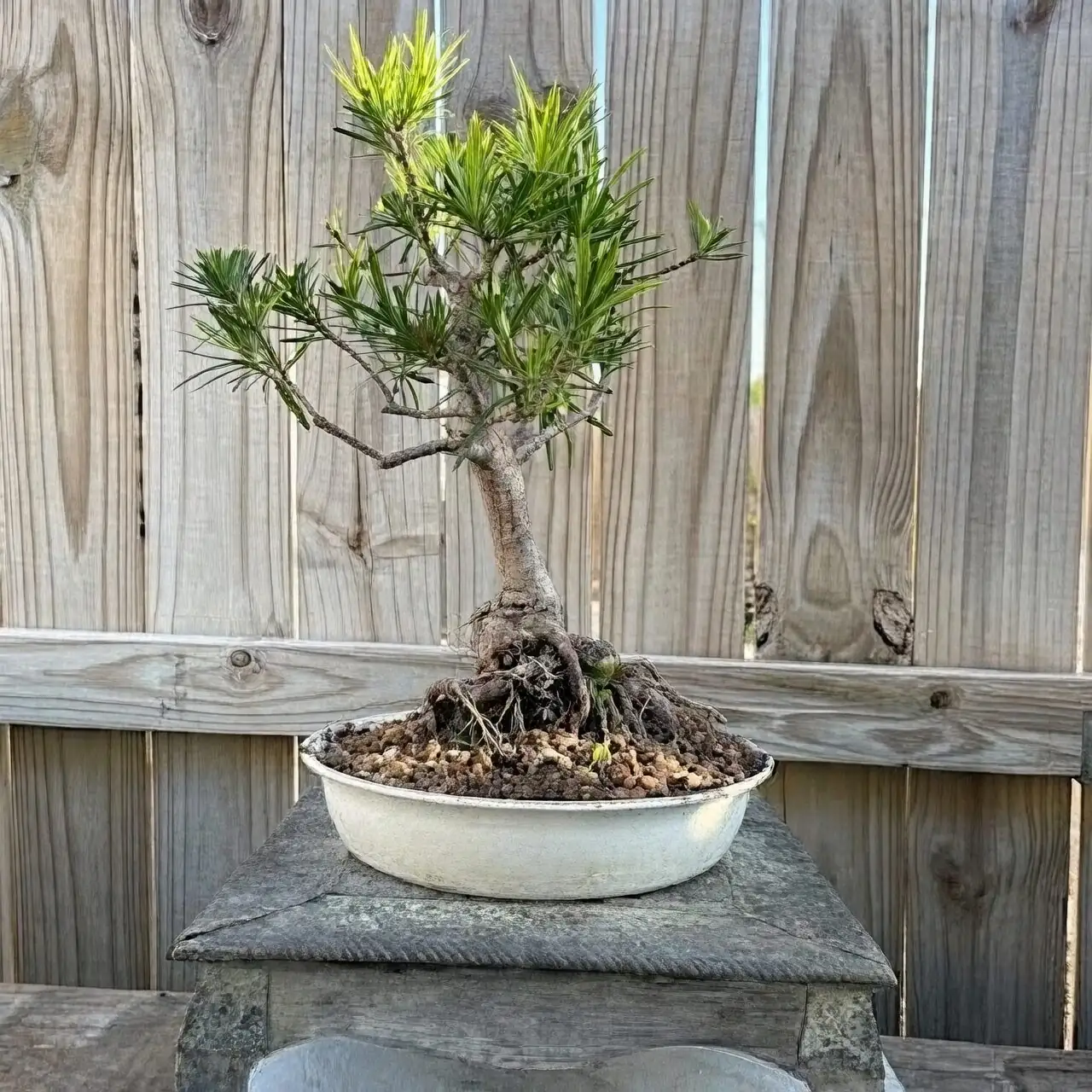
Meet Podocarpus macrophyllus—Buddhist pine, Japanese yew, yew plum pine—the evergreen that looks impeccably composed whether it’s a cloud-padded bonsai or a tidy container tree. It’s tough, trim-friendly, and wonderfully long-lived. The secret to keeping it gorgeous? Read your plant, not your calendar. Here’s a practical, season-by-season guide to decode light, watering, humidity, and soil—plus quick, no-panic fixes for leaf scorch and sudden droop.
Quick profile
- Botanical name: Podocarpus macrophyllus (family Podocarpaceae)
- Origin: China and Japan
- Habit: Evergreen woody plant; naturally a full-size tree but easy to keep compact in containers and bonsai
- Look: Dense, leathery, narrow lance-shaped leaves, deep green; small, inconspicuous spring flowers; female plants can form decorative fleshy structures around seeds
- Personality: Loves pruning and wiring; hates waterlogged soil; can scorch in harsh, intense sun
Light: bright, calm, and kind
- Best range: Bright light to partial shade.
- Indoors: Place near a very bright window (east-facing is ideal for gentle morning sun). South or west is fine if you filter the harshest rays with a sheer curtain.
- Outdoors: A sheltered, well-ventilated spot, preferably east-facing or where midday summer sun is filtered.
- Why this matters: Bright light drives compact growth and saturated foliage; too much direct, scorching sun can crisp the leaf edges; too little light stretches growth and dulls the canopy.
Pro tip: Whenever you change light (moving indoors/outdoors, adding a grow light, or rotating the pot), do it gradually over a week to avoid shock.
Watering decoded: why “nearly dry” beats a rigid schedule
Podocarpus roots demand air as much as water. In heavy, always-wet mixes they suffocate and rot; in desert-dry pots the fine feeders collapse. The sweet spot is “thoroughly wet, then nearly dry.”
- Core method:
- Water deeply until excess runs freely from the drainage holes.
- Wait until the top of the mix begins to dry—aim for “nearly dry,” not bone-dry—then repeat.
- Rough cadence: About twice weekly in the main growing season, but this varies with heat, pot size, and soil.
- For bonsai finesse: Slightly reduce watering during spring leaf flush to encourage shorter, denser leaves.
Why not water “every X days”? Evaporation and uptake swing with season, sunlight, airflow, pot depth, and soil texture. A calendar can’t see weather; your fingers can.
How to read “nearly dry”:
- Finger test: Top 2–3 cm (about an inch) should feel dryish, not dusty.
- Chopstick method: Insert, wait 10 minutes, pull out—slightly damp, not smeary, is go-time.
- Lift test: Learn the “light” weight of your pot when it needs water.
- Moisture meters can help, but trust your senses first.
Soil and potting: drain fast, breathe easy
- Mix priorities: Well-drained, airy, and stable.
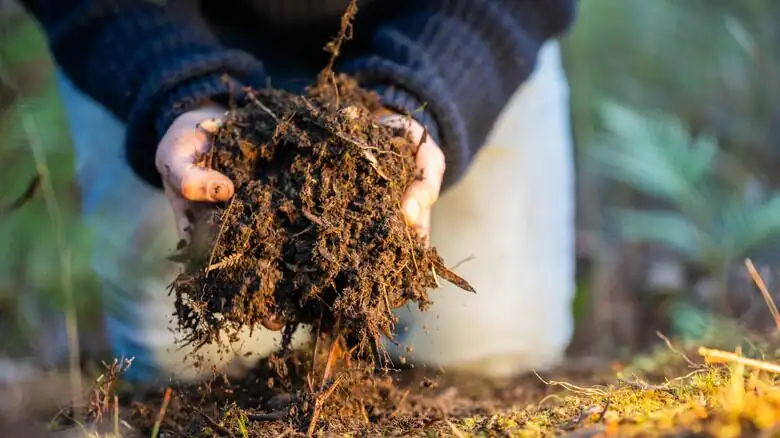
- Reliable recipe (containers/bonsai): Leaf mold or compost + fertile loam + coarse sand/grit. Avoid heavy, water-retentive media.
- Pot choice: Ensure generous drainage holes; use pot feet outdoors to keep runoff flowing. Bonsai are often grown in deeper pots (about 20–40 cm / 8–16 in) for stability and root development.
- Red flag: If water lingers on the surface or the mix smells sour, it’s too heavy.
Humidity and airflow
- Preference: Moderate to high humidity.
- Summer boost: Mist foliage occasionally to keep leaves fresh and richly green; do this in the morning with good airflow so foliage doesn’t stay wet for hours.
- Air counts: Still, damp air invites leaf spot/anthracnose. Bright light plus steady ventilation is the sweet duet.
Temperature and hardiness
- Prime growth range: 15–25°C (59–77°F).
- Cold tolerance: Brief dips to about -5°C (23°F) are survivable, but protect from hard freezes.
- Hardiness: Roughly USDA Zones 8–11. In colder regions, overwinter indoors by the brightest window you have.
Your season-by-season playbook
Spring
- Water: Resume regular deep watering as growth restarts; still let the top mix begin to dry between waterings.
- Light: Increase exposure gradually as days brighten; shield from harsh midday rays.
- Feed:
- Containers/bonsai: Start monthly feeding through the growing season.
- In-ground: Feed once this season with a well-rotted organic fertilizer tea.
- Prune/train: Pinch or prune shoot tips to control length; wire to build layered “cloud pads.”
- Bonsai trick: Slightly reduce water during the leaf flush to keep new leaves shorter.
- Propagate: Sow stored seed; take dormant-wood cuttings early on.
Summer
- Light: Provide shade from scorching midday sun outdoors; use a sheer curtain indoors if needed.
- Water: Hot weather speeds drying. Stick to “nearly dry,” not a fixed timetable.
- Humidity: Mist occasionally and ensure airflow for vivid green foliage.
- Feed: Continue monthly for containers; monitor for salt buildup (leach the pot with plain water monthly).
- Propagate: Take semi-ripe tip cuttings; expect 8–12 weeks to root.
- Seed: Collect fresh and sow promptly or store in moist sand.
Autumn
- Light: As sun softens, you can allow a bit more direct exposure, avoiding heat spikes.
- Water: Begin to ease frequency as temperatures fall.
- Feed:
- In-ground: Feed once in early autumn.
- Containers: Wind down feeding late in the season.
- Drainage check: Falling temps + wet soil = root rot risk. Ensure the mix still drains fast.
Winter
- Light: Indoors by the brightest window; outdoors only where winter is mild.
- Water: Cool roots drink slowly. Water thoroughly, then wait longer for “nearly dry.”
- Feed: Pause fertilizing.
- Cold protection: Guard against freezes below about -5°C (23°F). Avoid drafts from heaters.
- Repotting: Typically every 2–3 years as needed; use a free-draining mix and avoid severe root reduction.
Feeding at a glance
- Containers/bonsai: Feed about once per month in the growing season; stop in winter. A small amount of organic fertilizer can be mixed into new potting media.
- In-ground: Feed twice a year—spring and autumn—with a mild organic fertilizer tea.
Pruning and styling
- Spring is prime time to pinch or prune tips to keep the silhouette crisp.
- Wiring is well tolerated; build the trunk and primary branches, then refine pads with repeated light trimming.
- Maintain layered, “cloud-like” pads by pruning just the stems—avoid cutting through leaves.
Repotting rhythm
- Every 2–3 years (younger plants) to refresh the mix; older bonsai can stretch the interval slightly.
- Use a free-draining blend (leaf mold/compost + loam + coarse sand/grit).
- Aftercare: Water thoroughly, keep in bright, gentle light, and avoid heavy feeding for a few weeks.
Propagation options
- Seed: Sow fresh in summer or store in moist sand and sow in spring; germination can occur in ~2 weeks under good conditions.
- Cuttings: Dormant-wood cuttings in spring or semi-ripe tips in summer; rooting typically takes 8–12 weeks.
Quick fixes: leaf scorch and sudden droop
Leaf scorch (browned tips/edges, paling on sunward side)
- Likely causes: Intense midday summer sun, low humidity, or hot, reflected light.
- Immediate fix:
- Shift to bright light with midday shade (east exposure or filtered south/west).
- Mist lightly in the morning and increase airflow.
- Trim the worst-burned leaves; new growth will replace them.
- Prevention:
- Acclimate to stronger light over a week.
- Use a sheer curtain indoors; provide afternoon shade outdoors.
- Keep the root zone aerated; stressed roots magnify scorch.
Sudden droop (limp foliage, overall wilt)
- First diagnosis step: Check the soil.
- If bone-dry: Thoroughly soak the pot until water runs out; drain fully. Resume the “nearly dry” rhythm.
- If soggy or sour-smelling: Let the pot drain; move to bright, airy shade; do not water again until the top layer is nearly dry. If mix is heavy, repot into a free-draining blend.
- Also check:
- Temperature shock (cold drafts or heat blasts)—stabilize conditions.
- Pests on stems/leaf undersides (scale, mites, thrips)—treat early with horticultural soap or oil.
- Recovery tip: Gentle light, steady airflow, and careful watering usually perk it back up within days.
Pests and diseases watchlist
- Pests: Scale insects, spider mites, thrips. Inspect the undersides of leaves and along stems; treat early with horticultural soap/oil and repeat per label.
- Diseases: Leaf spot or anthracnose in wet, stagnant conditions. Improve airflow, avoid persistently wet foliage, and remove affected leaves.
Choosing a good plant
- Look for: A balanced crown, sturdy compact branching, and rich, deep green foliage with no yellowing or dieback.
- Bonsai shoppers: Short, dense pads and a trunk/branch structure that suits the pot.
- After purchase: Place in bright, airy light; shield from harsh summer sun; mist in hot spells; water only when the mix starts to dry.
Safety note
Toxicity isn’t clearly established. As a precaution, keep all plant parts away from pets and children and seek local medical advice if ingestion occurs.
Fun to know
- While famous as bonsai, Buddhist pine can grow into a full-sized, stately evergreen in the landscape where winters are mild.
- The signature “cloud-pad” silhouette is the product of years of gentle wiring and fine pruning.
- Some growers deliberately moderate watering during spring flush to keep new leaves pleasantly compact.
Bottom line: Podocarpus thrives on bright, kind light; brisk drainage; and watering by feel, not by calendar. Nail that “thorough soak, then nearly dry” rhythm, and your Buddhist pine will repay you with poised, evergreen elegance—season after season.