

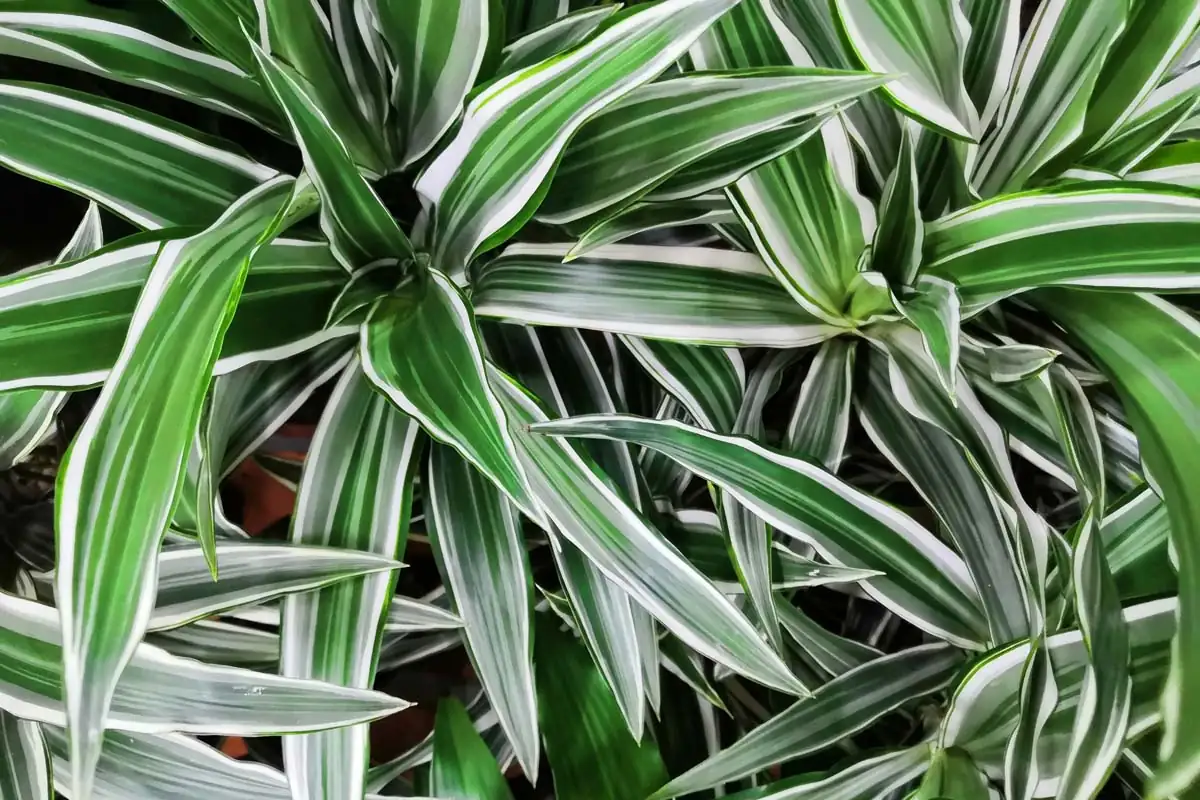
Unveiling Dracaena Fragrans: From African Forests to Global Living Spaces
Imagine a plant that exudes both elegance and resilience—a plant that not only adorns our homes with its lush green foliage but also embodies a rich history of survival and adaptation. This is the story of Dracaena fragrans, more affectionately known as the Corn Plant. Let’s embark on a journey to explore its origins, native habitats, and how it became a beloved staple in homes worldwide.
Roots in the Rich Soil of Africa
Dracaena fragrans originates from the tropical regions of Africa, spanning from Sudan to Mozambique, and west to Côte d’Ivoire and Angola. Found thriving in upland areas between 600 to 2,250 meters (1,970 to 7,380 feet) in altitude, this plant has adapted to a variety of environmental conditions. In its natural habitat, it grows as a multistemmed shrub, sometimes reaching impressive heights of up to 15 meters (49 feet) with slender, erect branches that occasionally turn horizontal, forming a unique architectural silhouette.
A Plant with a Journey
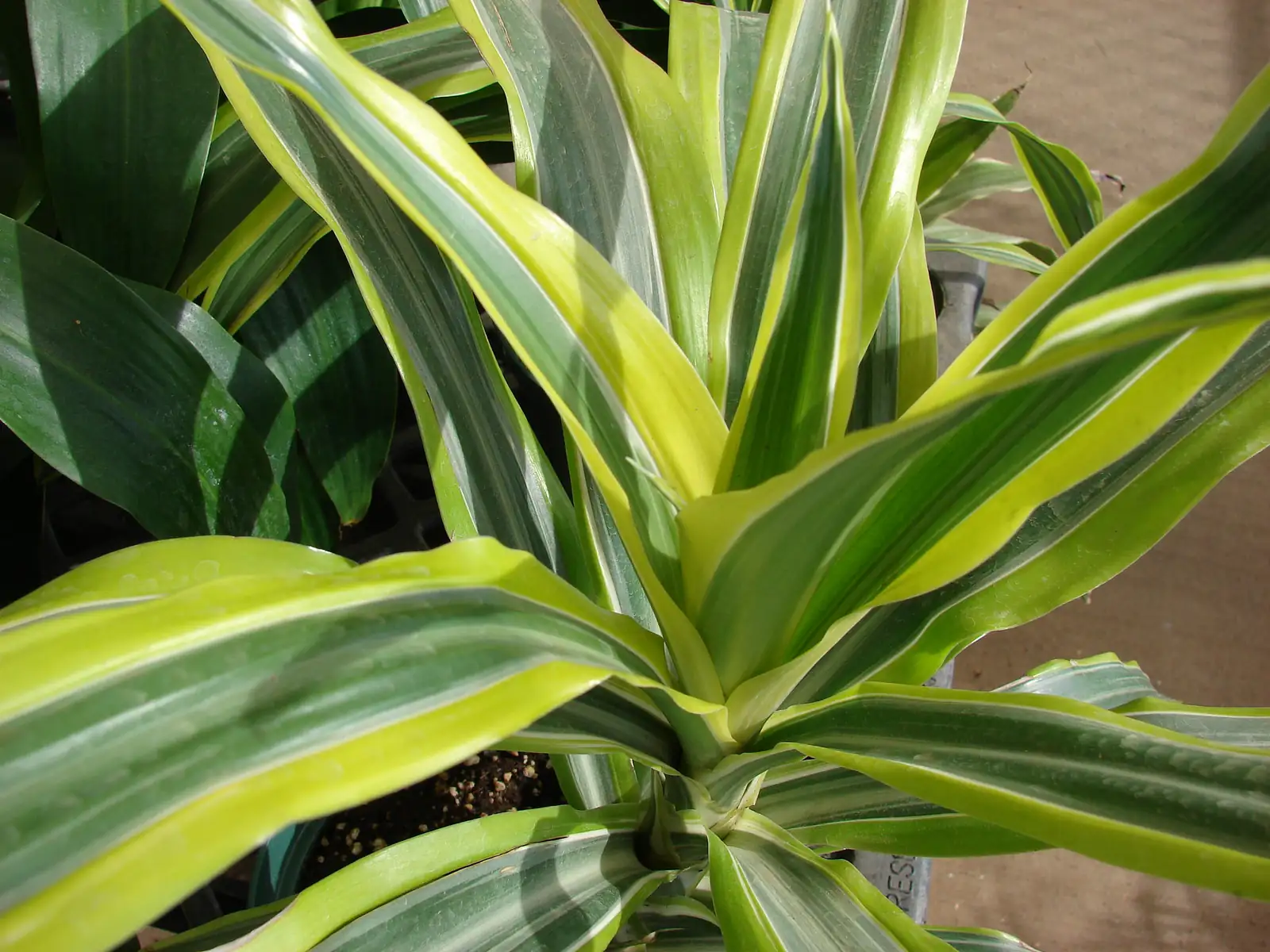
Despite its name “Brazil wood” in Chinese, Dracaena fragrans has no Brazilian roots. This misnomer likely stemmed from the global houseplant trade, where its cane-like cuttings became popular indoor décor. The plant’s journey from the dense African forests to living rooms across the globe is a testament to its adaptability and allure.
Cultivation and Propagation: From Canes to Crowns
The Corn Plant is celebrated for its ease of care and versatility, making it an ideal houseplant. Whether you’re a seasoned plant enthusiast or a budding gardener, Dracaena fragrans offers a forgiving nature. It thrives in bright, indirect light but will tolerate medium to low light conditions, making it a perfect companion for spaces that lack abundant sunlight.
- Light: Bright indirect light is ideal, though it tolerates less.
- Temperature: Keep it cozy between 18–24°C (64–75°F).
- Humidity: Prefers moderate to high humidity—around 70–80% is perfect.
This plant is often sold as sturdy cane sections, which can be rooted to sprout new, leafy heads. It’s not uncommon to see these canes displayed in water-filled vases, highlighting their minimalist charm.
An Ornamental Star
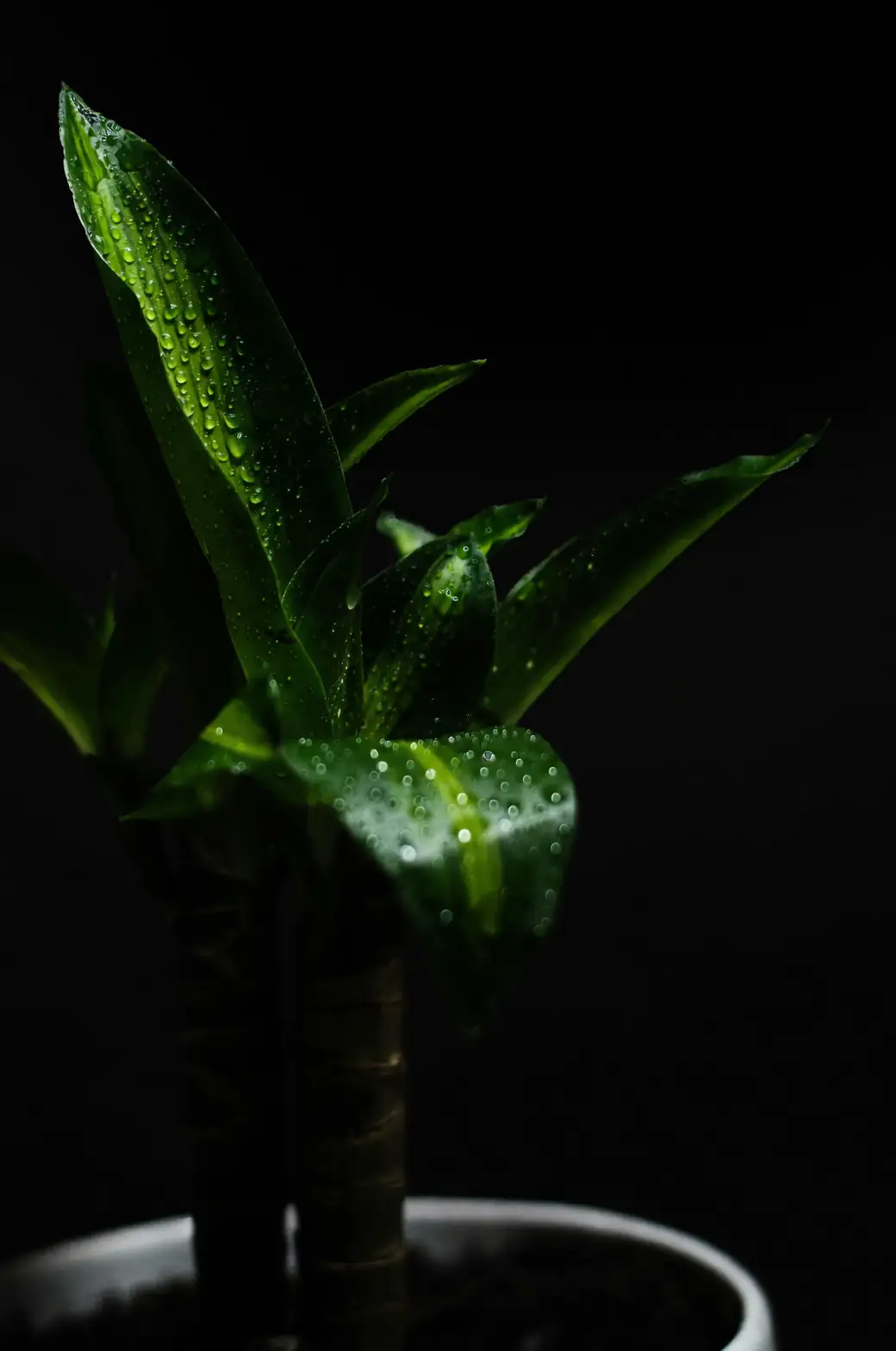
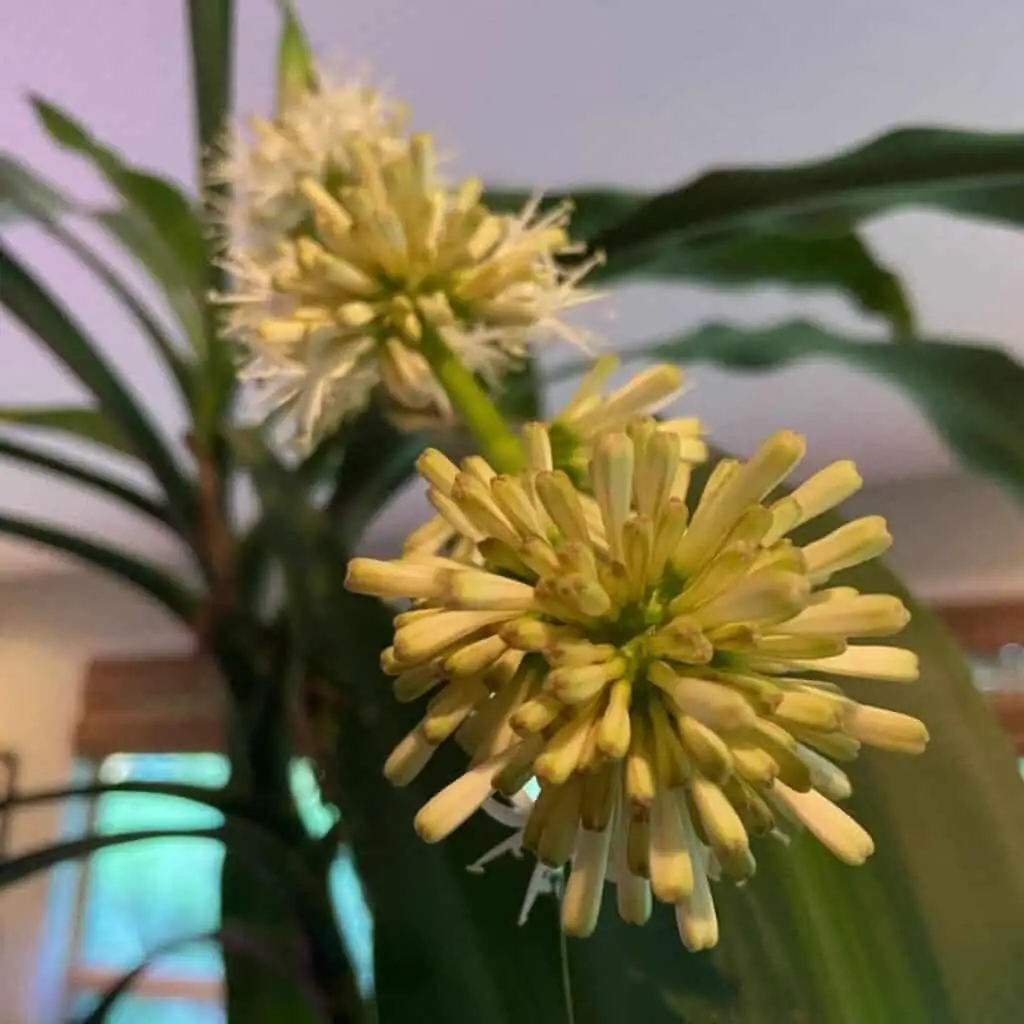
While Dracaena fragrans is primarily cultivated for its striking foliage—glossy, strap-shaped leaves that may exhibit elegant striping—its flowers, though rare indoors, are a fragrant delight. When conditions are just right, it produces creamy-white blooms that fill the air with a sweet scent, offering a delightful surprise to any indoor garden.
Care and Maintenance: A Green Companion
Caring for Dracaena fragrans involves a few simple yet crucial steps to ensure its long-term health and beauty:
- Watering: Maintain a lightly moist soil during spring and autumn, watering more frequently in summer and less so in winter.
- Fertilization: Feed every two weeks with a balanced houseplant fertilizer during active growth periods.
- Pruning and Propagation: Trim canes to promote a fuller appearance, and use cuttings to propagate new plants with ease.
A Symbol of Resilience
In the language of flowers, Dracaena fragrans symbolizes resilience and steady growth—a fitting emblem for a plant that has journeyed far from its African origins to become a steadfast presence in homes worldwide. Its ability to thrive under varying conditions mirrors the adaptability and strength it represents.
Dracaena fragrans is more than just a plant; it’s a botanical companion that brings life and tranquility to any space. Whether you’re seeking to add a touch of green to your office or create a verdant haven at home, this plant is a timeless choice that promises beauty and simplicity for years to come.


