


If you’re craving a plant that brings cool, fresh woodland calm to a room, Pteris cretica—Chinese brake fern, a.k.a. Cretan Brake or Ribbon Fern—delivers. Its arching, feathered fronds read like little green “phoenix tails,” unfurling in bright, indirect light and sipping steady moisture. Below is a season-by-season, month-by-month playbook that translates the fern’s life rhythm into simple tasks: how moist to keep the mix, how lightly to feed, and exactly how to glide through winter without a chill.
Meet Pteris cretica at a glance
- Names: Chinese Brake Fern, Cretan Brake, Ribbon Fern (Pteris cretica)
- Origin: Mediterranean region to Western Asia (widely grown as ornamental cultivars)
- Habit and size: Clump-forming fern with upright-to-arching fronds; typically 30–60 cm tall and wide in containers
- Light: Partial shade to bright, indirect light (protect from harsh direct sun)
- Temperature: Best growth around 12–22°C (54–72°F); ideal nights 10–16°C (50–61°F). Keep above 10°C (50°F) in winter; growth slows below ~5°C (41°F), and cold can damage fronds
- Humidity: Loves 50%+; boost with a tray, misting, or a humidifier
- Soil: Moisture-retentive but free-draining mix—peat-free potting mix with fine bark/orchid mix plus perlite works well
- Outdoors: Shade or semi-shade in frost-free, sheltered spots (USDA 9–11); protect from freezing
The year-round playbook (Northern Hemisphere)
Tip: Flip the calendar six months for Southern Hemisphere timing.
Winter: December–February
Goal: Hold the line on warmth, moisture, and humidity; rest the fertilizer.
- December
- Moisture: Keep evenly moist—never soggy. Water thoroughly when the top 1–2 cm (0.4–0.8 in) just turns from moist to slightly dry.
- Humidity: Heating dries air—aim for 50%+, using a pebble tray or humidifier. Lightly mist in the morning.
- Temperature: Keep above 10°C (50°F). Pull the pot back from cold glass and out of drafty windows.
- Feeding: Skip fertilizer this month.
- Grooming: Snip any yellowing fronds at the base; avoid cutting into the crown.
- January
- Moisture: Similar to December; check more frequently if positioned near a vent.
- Humidity: Rinse fronds in the sink once to remove dust and discourage mites.
- Temperature: Watch night dips—below ~5°C (41°F) growth can stop and cold injury may appear.
- Feeding: Skip again.
- Pests: Dry air invites spider mites; increase humidity and inspect undersides of fronds.
- February
- Moisture: Days slowly lengthen—watering may tick up slightly.
- Light: Edge it closer to bright, indirect light to prepare for spring growth.
- Feeding: Hold off until March.
- Plan: Note if roots are circling the pot—repotting season starts next month.
Spring: March–May
Goal: Refresh potting mix if needed, divide if mature, and begin light feeding.
- March
- Repot: If it’s been 1–2 years or roots fill the pot, move up just one size (2–5 cm / 1–2 in wider). Keep the crown above the soil line.
- Soil: Use a peat-free potting mix blended with fine bark/orchid mix and perlite for airy drainage.
- Division: Large clumps divide well now—replant divisions snugly.
- Moisture: Resume a steady, even-moist cycle after repotting.
- Feeding: Start a balanced houseplant fertilizer at 1/4 strength.
- April
- Light: Bright, indirect light fuels new fronds; shield from harsh rays.
- Moisture: Growth is active—do not allow the mix to go bone-dry.
- Feeding: 1/4–1/2 strength, every 4–6 weeks.
- Hygiene: A gentle shower helps keep scale and mealybugs at bay.
- May
- Moisture: Consistent, thorough waterings; let excess drain completely.
- Feeding: Continue low-strength feeding if growth is steady.
- Outdoors: In mild, frost-free regions, you can move the pot outdoors to sheltered shade once nights stay above 10°C (50°F).
Summer: June–August
Goal: Peak growth with consistent moisture, filtered light, and careful, low-strength feeding.
- June
- Light: Dappled shade or bright, indirect light; avoid midday sun to prevent scorch.
- Moisture: Heat boosts evaporation—check more often and water thoroughly.
- Feeding: 1/4–1/2 strength, every 4–6 weeks.
- Flush: Once this month, water deeply to leach any fertilizer salts.
- July
- Humidity: Hot spells call for extra humidity support; pebble tray + occasional misting.
- Pests: Spider mites love heat and dryness; maintain humidity and inspect often.
- Grooming: Remove any tattered fronds to direct energy to fresh growth.
- August
- Moisture: Stay vigilant—no droughts.
- Feeding: This can be your last summer feed (low strength). You’ll taper off next month.
- Placement: If outdoors, keep it sheltered from hot, drying winds.
Autumn: September–November
Goal: Taper feeding, maintain even moisture, and protect from chills as days shorten.
- September
- Feeding: One light feeding this month (1/4–1/2 strength), then begin winding down.
- Moisture: Slightly reduce frequency as growth slows, but do not let the root zone dry out.
- Light: Angle for the brightest indirect light available as sun angles change.
- October
- Feeding: Pause fertilizer now.
- Moisture: Maintain that “evenly moist, never soggy” sweet spot.
- Temperature: Nights start dropping—keep above 10°C (50°F) for best foliage.
- November
- Moisture: Similar to October; cool rooms = slower drying.
- Humidity: Set up the winter humidity station (tray or humidifier) before heaters kick on.
- Pests: Check for scale and mealybugs; treat early with insecticidal soap or horticultural oil.
Moisture mastery: exactly how moist is “evenly moist”?
- The finger test: Water when the top 1–2 cm (0.4–0.8 in) of mix is slightly dry but the layer below is still faintly moist.
- The technique: Water thoroughly until excess drains; discard runoff. Never leave the pot standing in water.
- The mix: A moisture-retentive, free-draining blend is key—think peat-free potting mix + fine bark/orchid mix + perlite.
- Humidity: Aim for 50%+. Use a pebble tray, group plants, or a humidifier. Light morning misting can help, especially in heated rooms.
Feeding at low strength (the gentle fern diet)
- What to use: A balanced houseplant fertilizer.
- How strong: Dilute to 1/4–1/2 the label rate.
- When: Every 4–6 weeks in spring and summer only. Reduce in autumn; generally skip winter.
- Why light and infrequent: Too much fertilizer can scorch fronds. If you see crusty residue on the soil or browning tips after feeding, flush the pot with plain water and dial back.
Temperature thresholds you can trust
- Best growth: 12–22°C (54–72°F)
- Comfortable nights: 10–16°C (50–61°F)
- Winter rule: Keep above 10°C (50°F) for the best-looking foliage
- Critical low: Below about 5°C (41°F), growth can stop and cold damage becomes likely
- Practical tips: Avoid cold drafts, uninsulated windowsills in winter, and sudden temperature swings
Light, placement, and outdoor notes
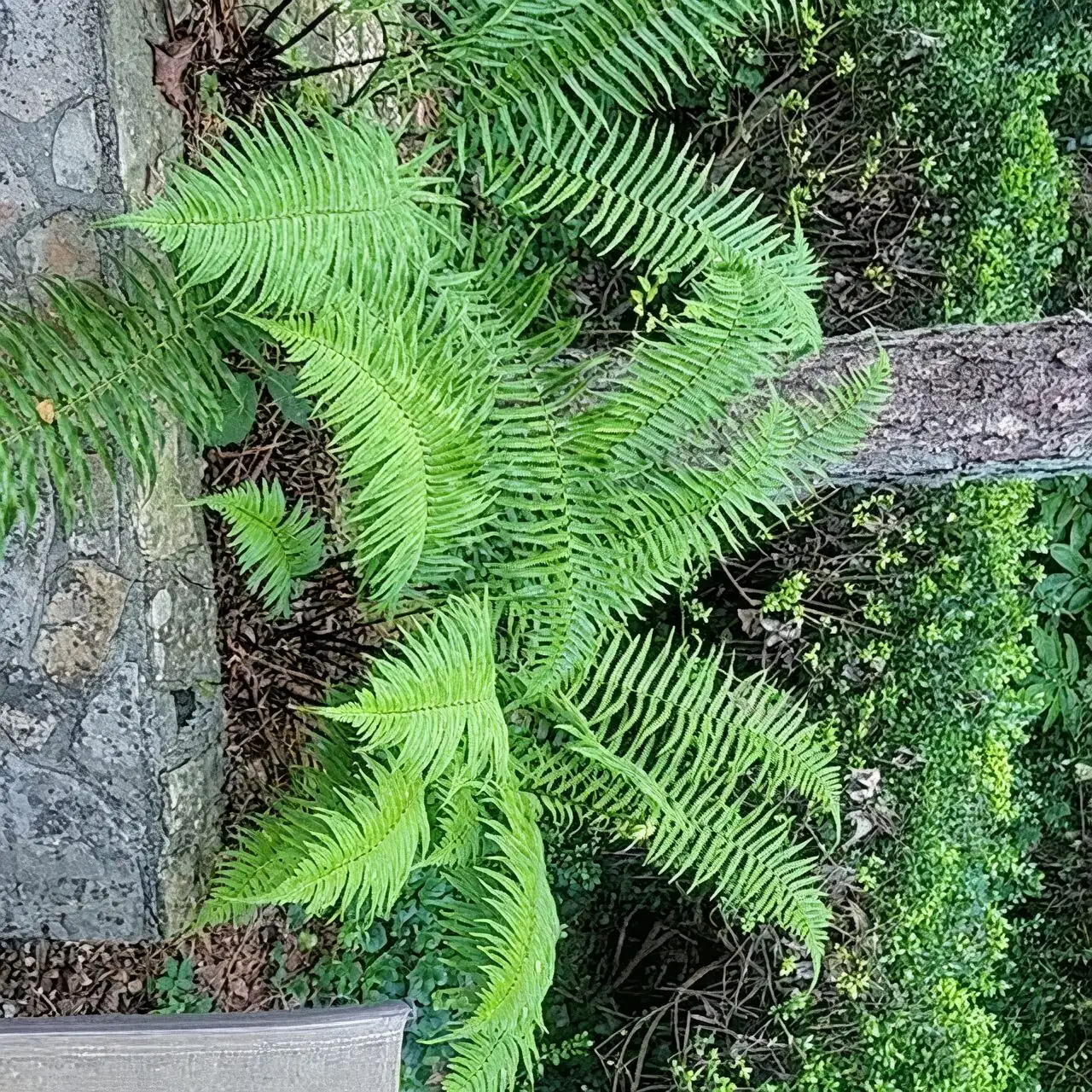
- Indoors: Bright, indirect light—ideal for a filtered-light windowsill, desk, or steamy, bright bathroom.
- Outdoors (mild, frost-free climates only): Sheltered shade—shaded rock garden pocket, along a pond edge, or near a wall that buffers wind. Bring indoors if temperatures threaten to dip below 10°C (50°F).
Repotting and propagation
- Repot: Every 1–2 years in spring, or when roots fill the pot. Move up by just one size and refresh the mix for vigor and drainage.
- Crown caution: Keep the crown slightly above the soil surface.
- Division: Divide established clumps during spring repotting; each division should have healthy fronds and a good chunk of rhizome.
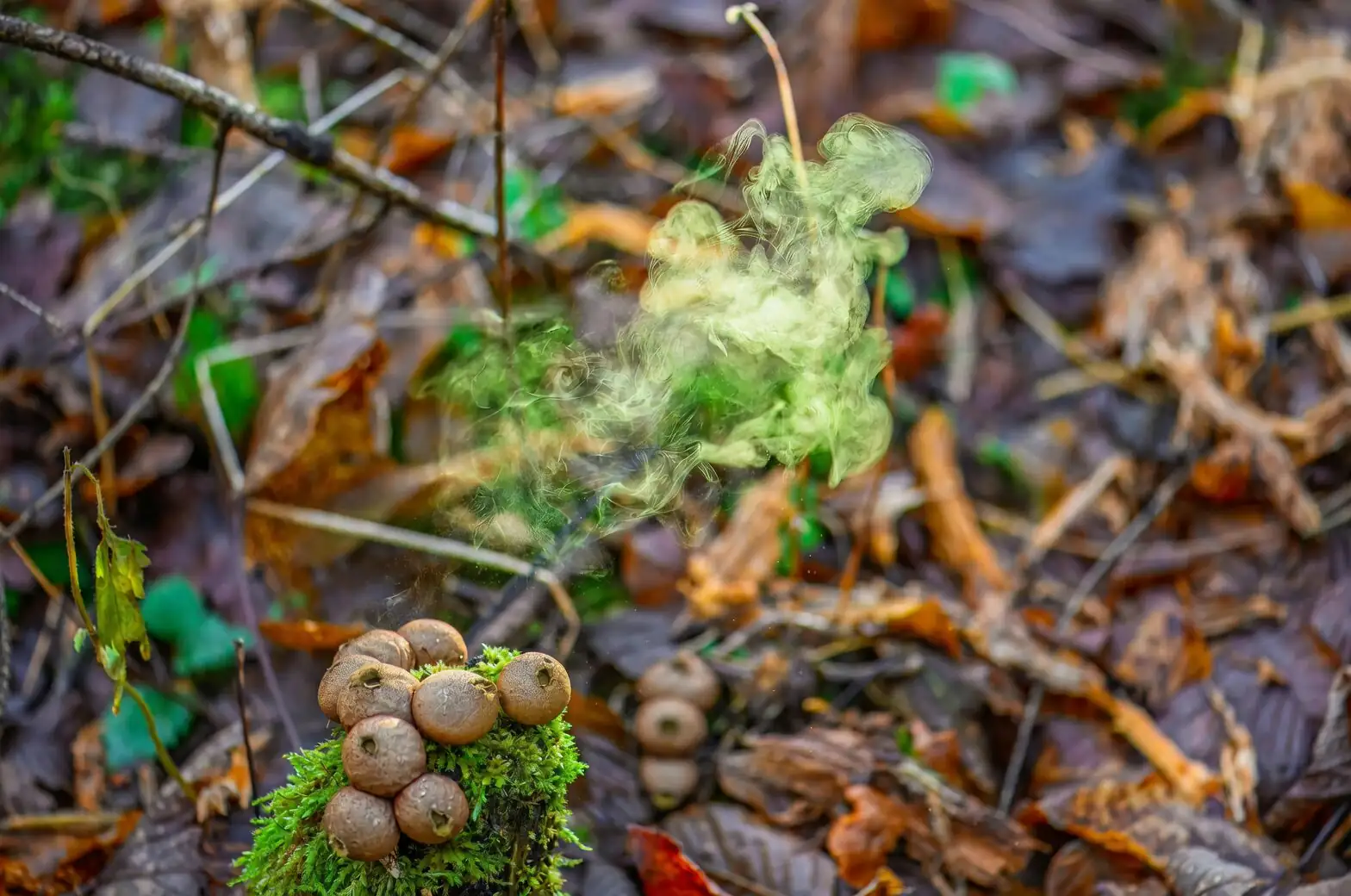
- Spores: No flowers here—ferns reproduce by spores that line the undersides of mature fronds. Spore growing is rewarding but slow and technical.
Grooming, health, and safety
- Pruning: Remove yellowing or damaged fronds at the base with clean scissors. Avoid cutting into the crown where new fronds emerge.
- Pests to watch: Scale, mealybugs, spider mites (especially in dry air). Fungus gnats can pop up if the mix stays too wet.
- Treatment: Improve airflow, avoid soggy media, and rinse foliage occasionally. Treat outbreaks promptly with insecticidal soap or horticultural oil.
- Toxicity: Generally considered non-toxic to people and pets (nibbling may still cause mild tummy upset). Best to keep out of reach of curious chewers.
Troubleshooting quick cues
- Brown frond tips: Usually low humidity, inconsistent moisture, or too much direct sun.
- Pale fronds: Light may be too intense—shift to softer, indirect light.
- Droopy fronds: Often underwatering—water thoroughly and ensure the pot drains freely.
Symbolism (and a tiny note on “flower language”)
While ferns don’t flower, many cultures still attach meaning to them. Chinese brake fern carries the classic fern aura of freshness, quiet resilience, and a calming green presence. If you ever see “flower language” applied to ferns, it’s a poetic borrowing—honoring the fern’s timeless, seedless way of thriving, sending its neat lines of spores into the world rather than blossoms.
Your Pteris cretica in one sentence
Keep it evenly moist in a light, airy mix, give it bright but gentle light, feed lightly only in spring and summer, and protect it from winter chills below 10°C (50°F)—and those phoenix-tail fronds will reward you all year.